Top Signs You Need a Whole-House Filtration Upgrade in Franklin, IN
March 8, 2026
Introduction
Your home’s water touches everything — your appliances, your plumbing, and your daily comfort. When the quality starts slipping, it’s rarely sudden. Instead, small clues begin to appear: cloudy dishes, lingering odors, slower water flow. For many Franklin, IN homeowners, these are early warnings that their whole-house filtration system needs attention or a full upgrade.
This guide will help you recognize those signs before they lead to damage or costly repairs, and understand how a new filtration system can restore efficiency and water quality throughout your home.
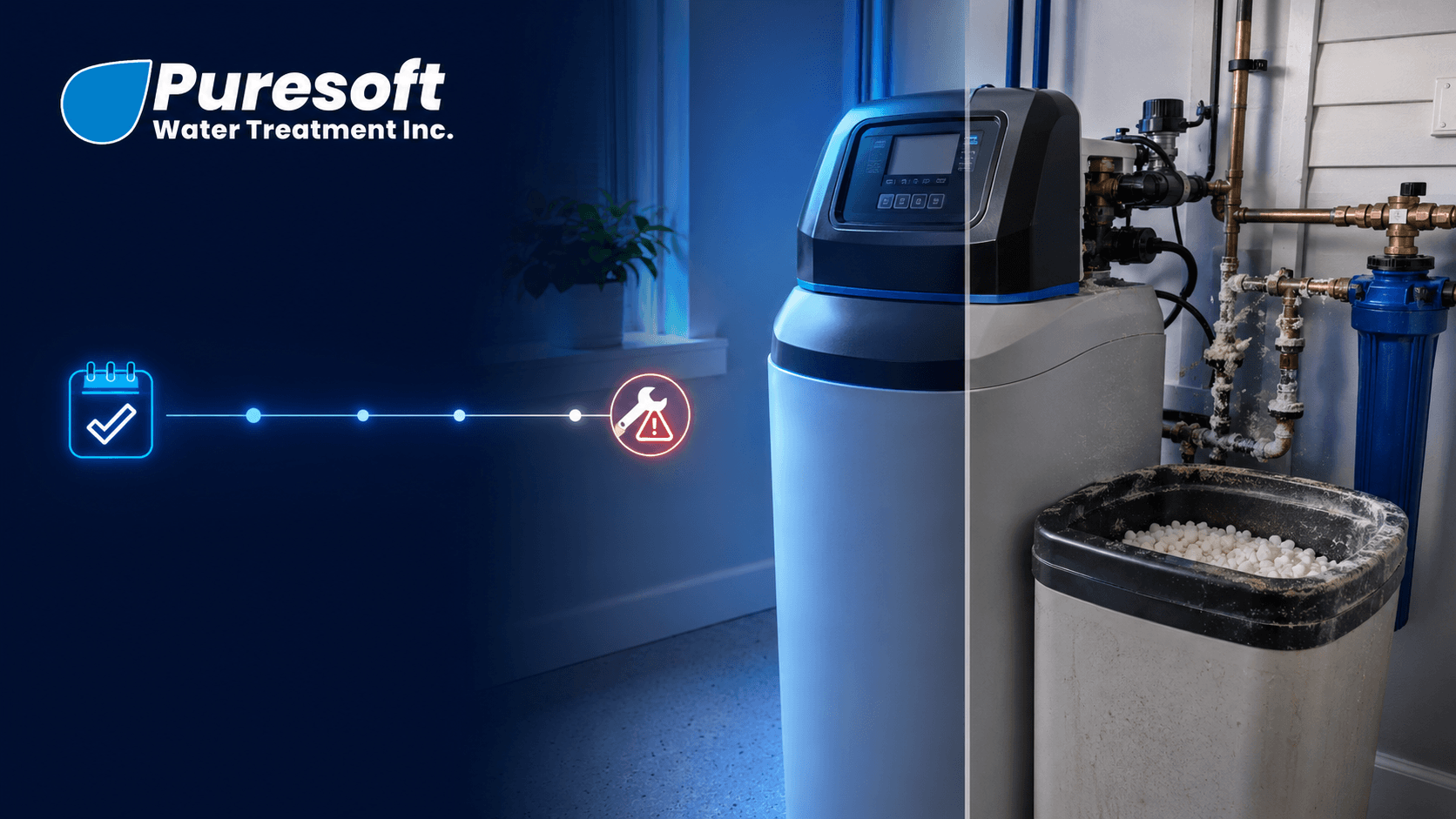
Why Whole-House Filtration Systems Lose Effectiveness
Whole-house systems treat all water entering your home, filtering out sediment, metals, and chemical contaminants. But like any system, they degrade over time.
- Filter media becomes saturated.
- Water chemistry in Central Indiana shifts seasonally.
- Appliances and plumbing add new demands.
As these changes accumulate, your system struggles to maintain consistent performance. Recognizing the early signs of decline helps you act before issues escalate.
The Top Signs You Need a Whole-House Filtration Upgrade
Below are the most reliable indicators that your filtration system is no longer performing as it should.
1. Your Water Smells or Tastes Different
If your tap water starts tasting metallic or smelling like chlorine or rotten eggs, the filter media may be exhausted. Once it reaches full capacity, contaminants pass straight through, affecting both quality and safety.
2. You See Stains or Mineral Deposits
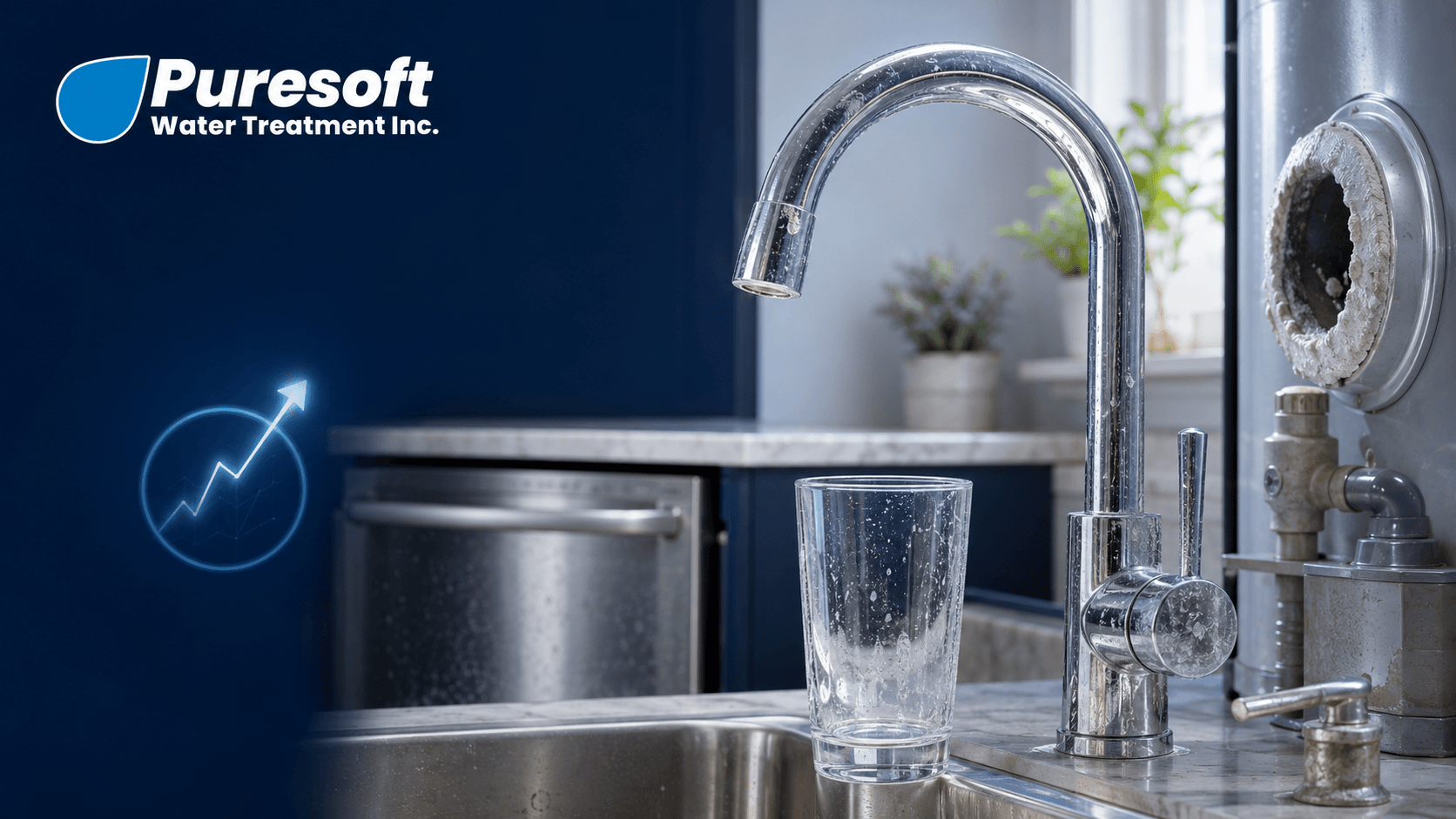
Orange rings, white crust, or cloudy spots on dishes are signs of minerals and metals bypassing your system. Iron and hardness are especially common in Franklin-area groundwater and cause visible damage when untreated.
3. Water Pressure Keeps Dropping
When filters clog with sediment, they restrict flow through your plumbing. If you’ve noticed gradually weaker pressure throughout the home, your filtration system could be the bottleneck.
4. Appliances Are Wearing Out Faster
Hard water and sediment can destroy components in dishwashers, washing machines, and water heaters. If you’ve needed frequent appliance repairs or replacements, your filtration system likely isn’t keeping up.
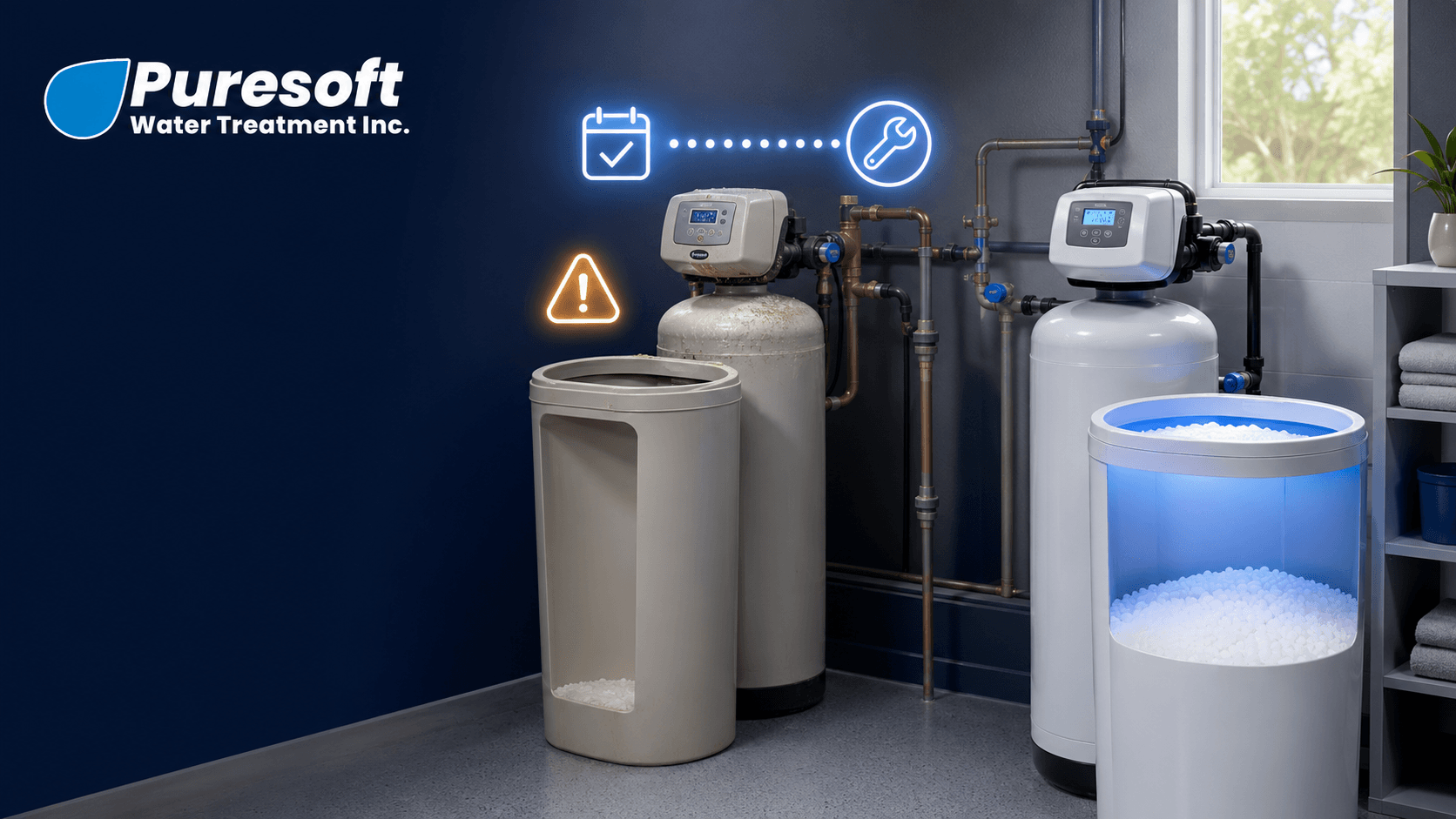
5. You’ve Had the Same System for 8–10 Years
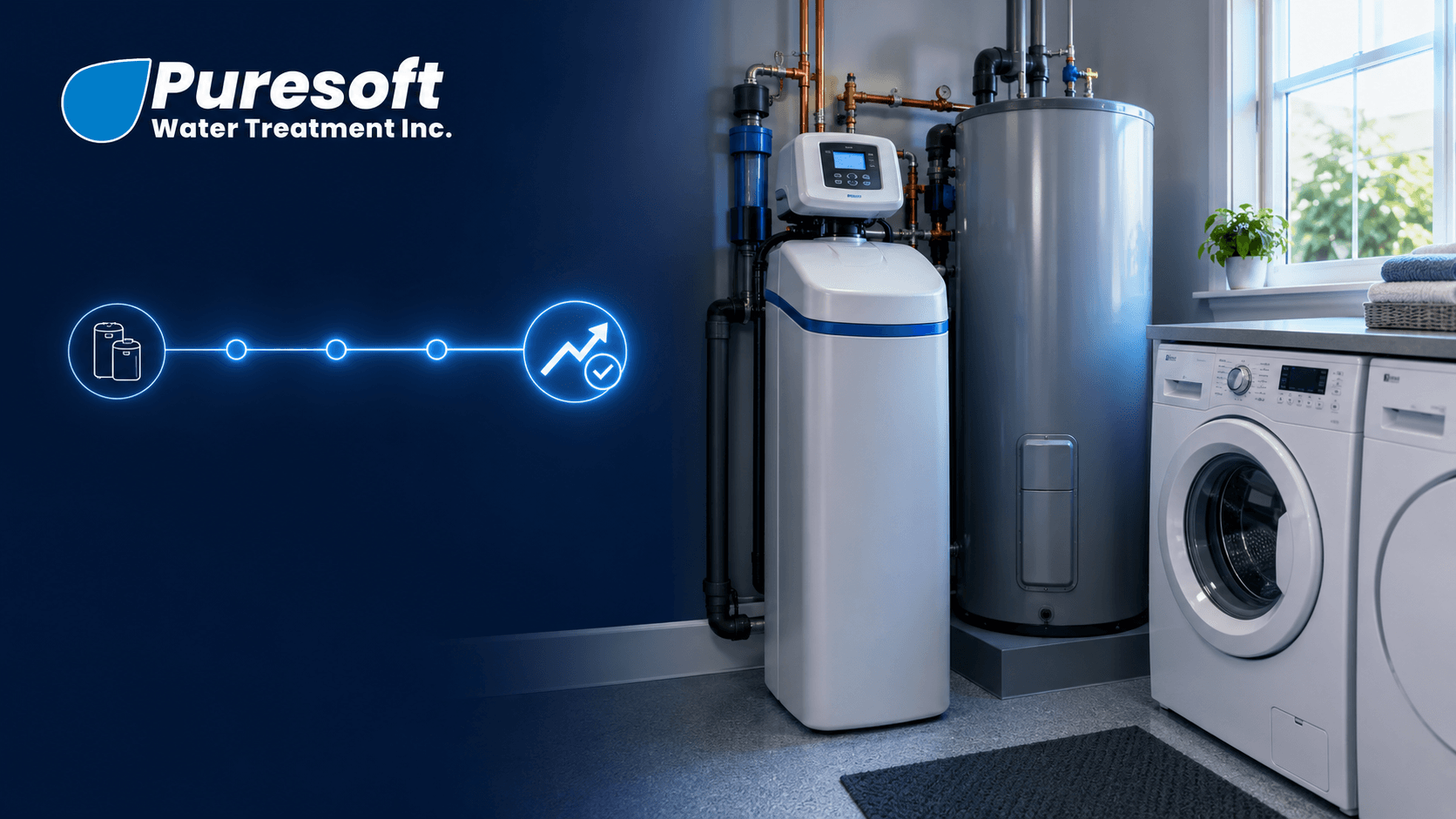
Even high-quality systems lose efficiency after a decade. Modern units offer more advanced filtration stages, automated maintenance, and longer media life — all designed to handle newer contaminants found in Central Indiana’s evolving water profiles.
6. Cloudy or Discolored Water
Cloudiness, gray tinting, or sediment floating in your glass are strong indicators of a failing pre-filter or oxidizing system. This suggests the filter no longer removes particles effectively.
7. Your Water Test Results Changed
The most definitive sign comes from testing. If recent water results show increased iron, manganese, chlorine, or hardness levels, your system is due for a professional upgrade rather than another filter swap.
Choosing the Right Upgrade
When you’re ready to act, a few practical steps ensure you pick the right solution for your home.
Start With a Professional Water Test
A test reveals which contaminants you’re dealing with — from hardness minerals to trace metals or chlorine byproducts. Even neighboring properties in Franklin can have completely different water compositions, so testing is essential.
Match the System to the Problem
Every home’s water profile demands a specific solution:
- Activated Carbon Filters: Remove chlorine, odors, and chemical taste.
- Sediment Filters: Trap sand, silt, and rust.
- Oxidation/Filtration Systems: Remove iron and manganese, both common in local well water.
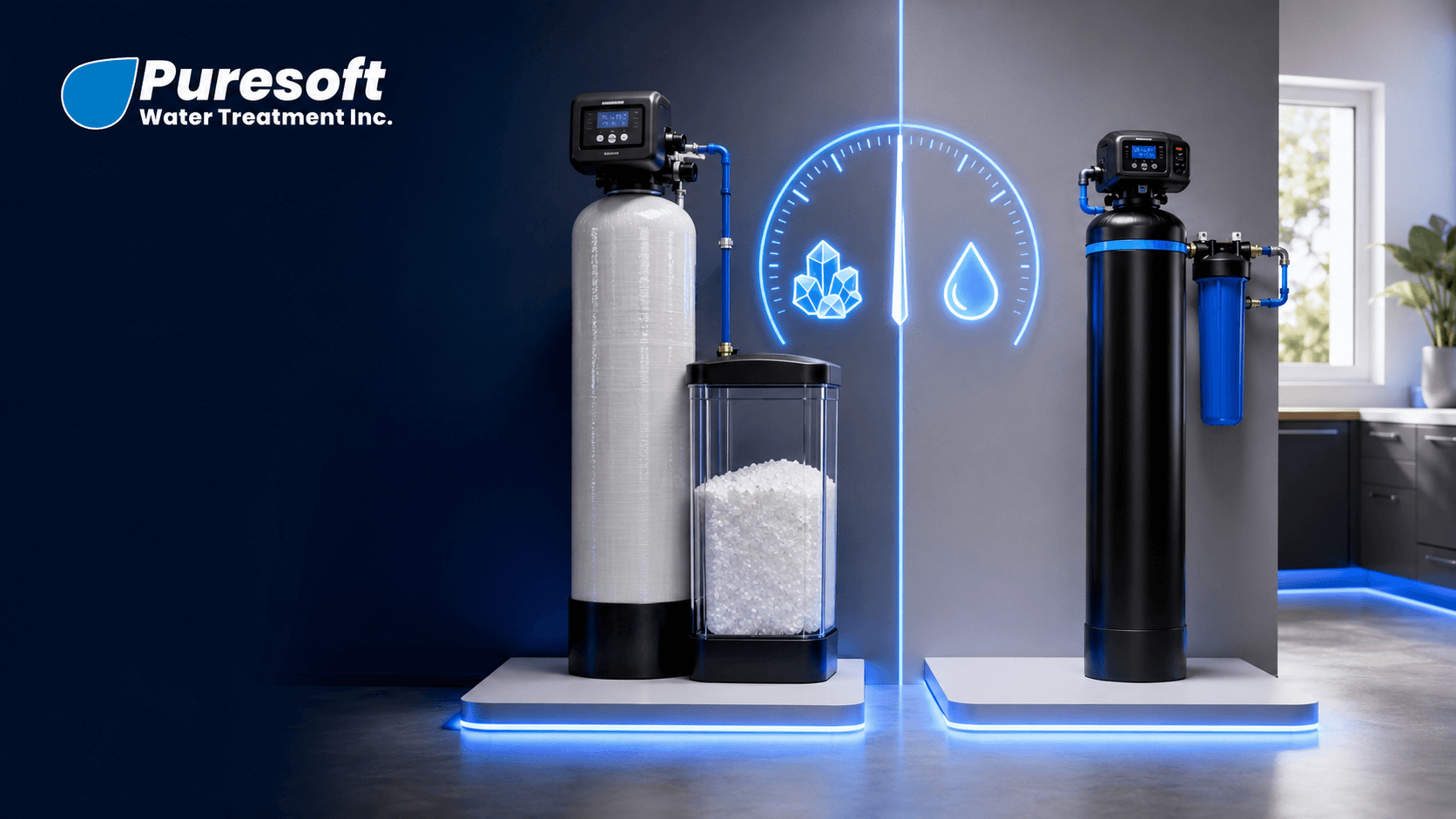
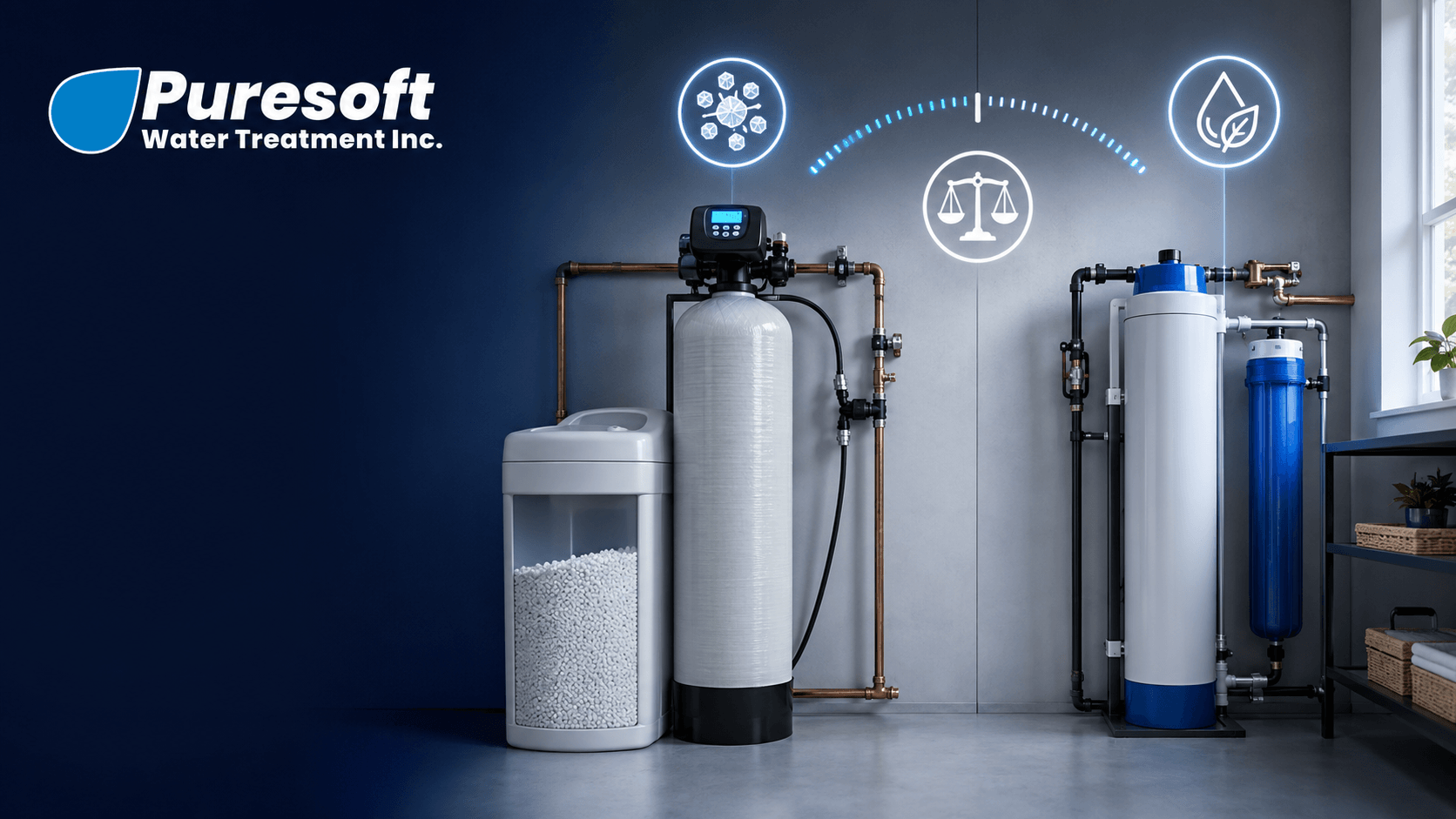
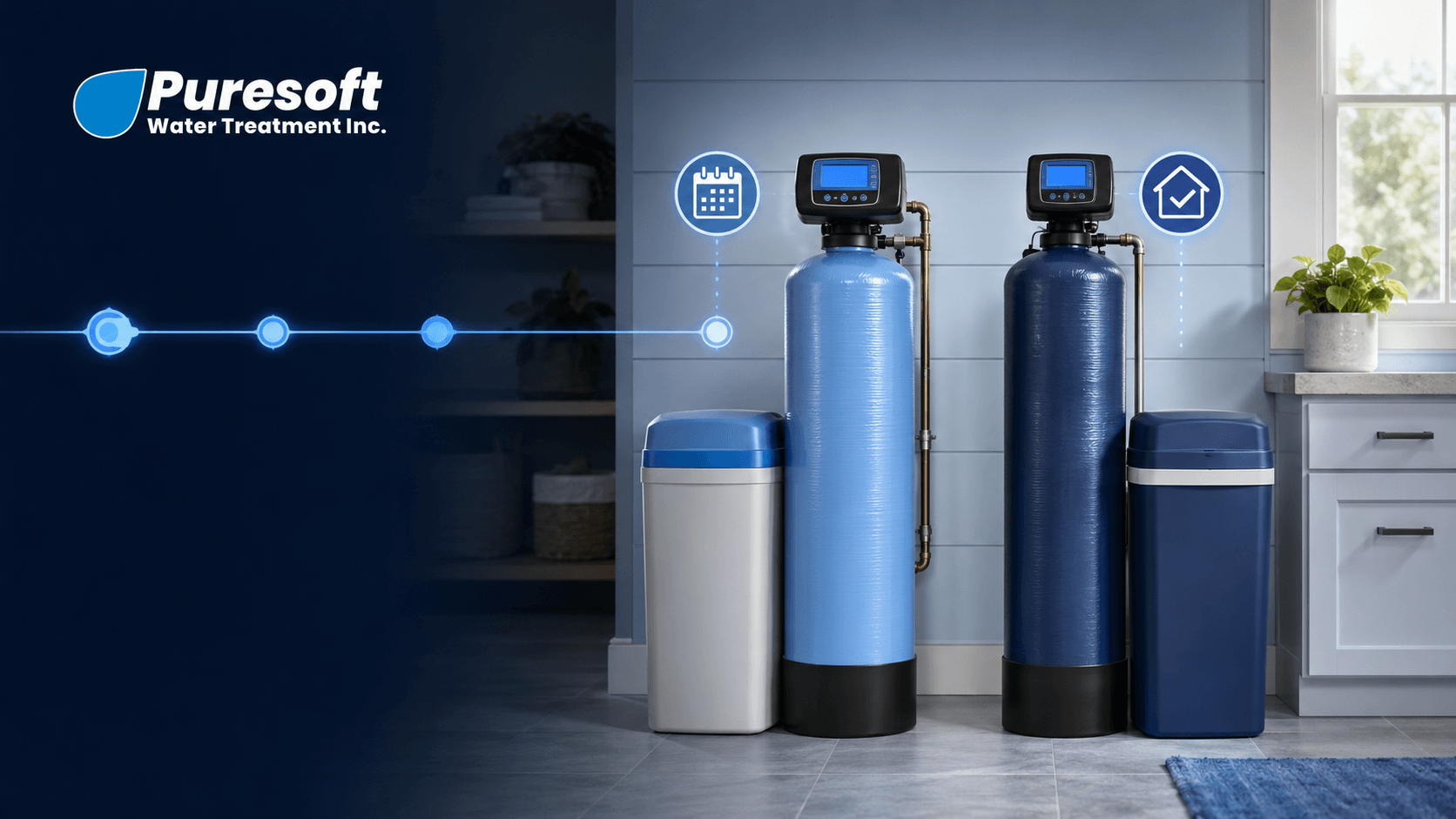
- Combination Units: Merge softening and filtration for complete protection.
Focus on Efficiency and Longevity
Look for systems that include automatic backwashing, self-cleaning valves, and multi-stage filtration. These reduce maintenance while keeping flow consistent.
Rely on Local Expertise
A Franklin-based water treatment professional understands the area’s unique groundwater challenges. Local specialists can calibrate your system for both well and municipal setups — ensuring long-term reliability.
Frequently Asked Questions
How often should a whole-house filtration system be replaced?
On average, systems last 7–10 years. Some filters or media need annual or biannual replacement, depending on water conditions.
Can I just replace the filters instead of upgrading?
If your system is newer and the structure is intact, replacing filters may be enough. But if performance problems continue, the internal media or technology is likely outdated.
Does Franklin city water still need filtration?
Yes. Even treated municipal water often contains chlorine, hardness, and trace metals that affect plumbing and appliances. Filtration polishes the water and protects your home’s infrastructure.
Will a new system improve water pressure?
Yes — clogged or undersized filters are a common cause of reduced flow. A properly sized upgrade restores consistent water pressure throughout the home.
How do I know which system is right for me?
It depends on your test results, household size, and plumbing setup. A consultation with a certified local expert ensures you choose a system tailored to your home’s needs.
Conclusion
When water starts leaving stains, smells odd, or no longer feels fresh, it’s time to look beyond cleaning products or pipe flushes. Those symptoms often point to a filtration system past its prime.
Upgrading to a modern, high-efficiency system gives Franklin homeowners cleaner water, stronger flow, longer-lasting appliances, and peace of mind. A simple water test today can reveal what your home truly needs — before small issues become major repairs.