Seasonal Water Quality Fluctuations in Indiana and What It Means for Your Treatment System
March 26, 2026
Introduction
If you’ve ever noticed that your tap water tastes different in the summer or looks slightly cloudy after a storm, you’re not imagining it. Seasonal changes in Indiana have a real impact on water quality — whether your home relies on city water or a private well.
Temperature shifts, heavy rainfall, agricultural runoff, and fluctuating groundwater levels can all alter the composition of your water throughout the year. For homeowners in Franklin and across Central Indiana, understanding these changes isn’t just about convenience — it’s essential for protecting your water treatment system and ensuring your family’s safety.
This guide breaks down how Indiana’s seasonal conditions affect your water supply, what to watch for, and how to keep your filtration and softening systems running efficiently all year long.
How Indiana’s Seasons Affect Water Quality
Winter: Low Usage and Stagnant Water
During Indiana’s cold months, water demand typically decreases. Less movement in municipal lines and private wells can lead to stagnant water, allowing sediment or minerals to settle in pipes.
At the same time, freezing temperatures can cause pressure changes in buried lines, dislodging small amounts of rust or scale. For homes using well water, frozen ground can change groundwater pressure, slightly altering mineral concentrations.
Common winter water issues include:
- Cloudy or “milky” appearance caused by air bubbles.
- Slight metallic taste from pipe corrosion.
- Decreased water softener regeneration efficiency due to colder inflow temperatures.
Spring: Runoff and Groundwater Recharge
Spring brings thawing snow, heavy rains, and agricultural activity — all of which can impact water quality dramatically. Surface runoff carries fertilizers, pesticides, and organic matter into rivers, reservoirs, and aquifers.
For Franklin-area homes, especially those using private wells, this can mean:
- Increased
nitrate levels.
- Higher
iron and manganese concentrations.
- Possible
bacterial contamination from surface infiltration.
Municipal systems often increase chlorine treatment during this period, which can temporarily affect taste and odor. If your water starts smelling like chlorine or has a “swampy” taste, spring runoff could be the reason.
Summer: High Demand and Warm Temperatures
Summer in Indiana means irrigation, outdoor water use, and higher consumption overall. As demand rises, municipalities may draw water from different sources, temporarily changing your supply composition.
For private wells, warm temperatures increase bacterial activity and can enhance the presence of sulfur or musty odors. Hardness may also increase as water levels drop, concentrating minerals.
Typical summer water challenges include:
- Strong chlorine odor or taste.
- Higher sediment or hardness levels.
- Algae growth in surface water sources.
- Strain on softeners and filters from higher usage.
Fall: Organic Debris and Transitional Chemistry
When leaves fall and organic matter breaks down, those materials can leach tannins, humic acids, and organic particles into surface and shallow groundwater. These natural compounds can tint water yellow or brown and cause an earthy or musty smell.
For many Franklin homeowners, autumn is also the time when irrigation systems shut down, reducing water flow and creating opportunities for stagnation in pipes and tanks.
Common fall water concerns include:
- Odor from decomposing organic material.
- Iron and manganese staining as groundwater balance shifts.
- Reduced filter performance from sediment buildup.
How Seasonal Changes Impact Your Treatment System
Your water treatment setup — whether it includes a softener, filtration system, or reverse osmosis unit — reacts directly to seasonal fluctuations. Knowing what to expect helps you plan ahead and avoid costly repairs.
Increased Filter Demand
During spring and summer, contaminants like sediment, iron, and chlorine byproducts spike. This can overload filters faster than usual. Replace or clean filters more frequently when water looks cloudy or tastes off.
Softener Performance Variations
Water softeners operate differently depending on temperature and hardness levels. Colder water regenerates less efficiently, while warmer, mineral-rich water can shorten resin life. Keeping your system properly calibrated through each season ensures consistent results.
Bacteria and Odor in Wells
Wells exposed to seasonal groundwater shifts may experience bacterial blooms or sulfur odors. Regular chlorination and UV disinfection can keep your supply safe during these high-risk months.
Scale and Corrosion
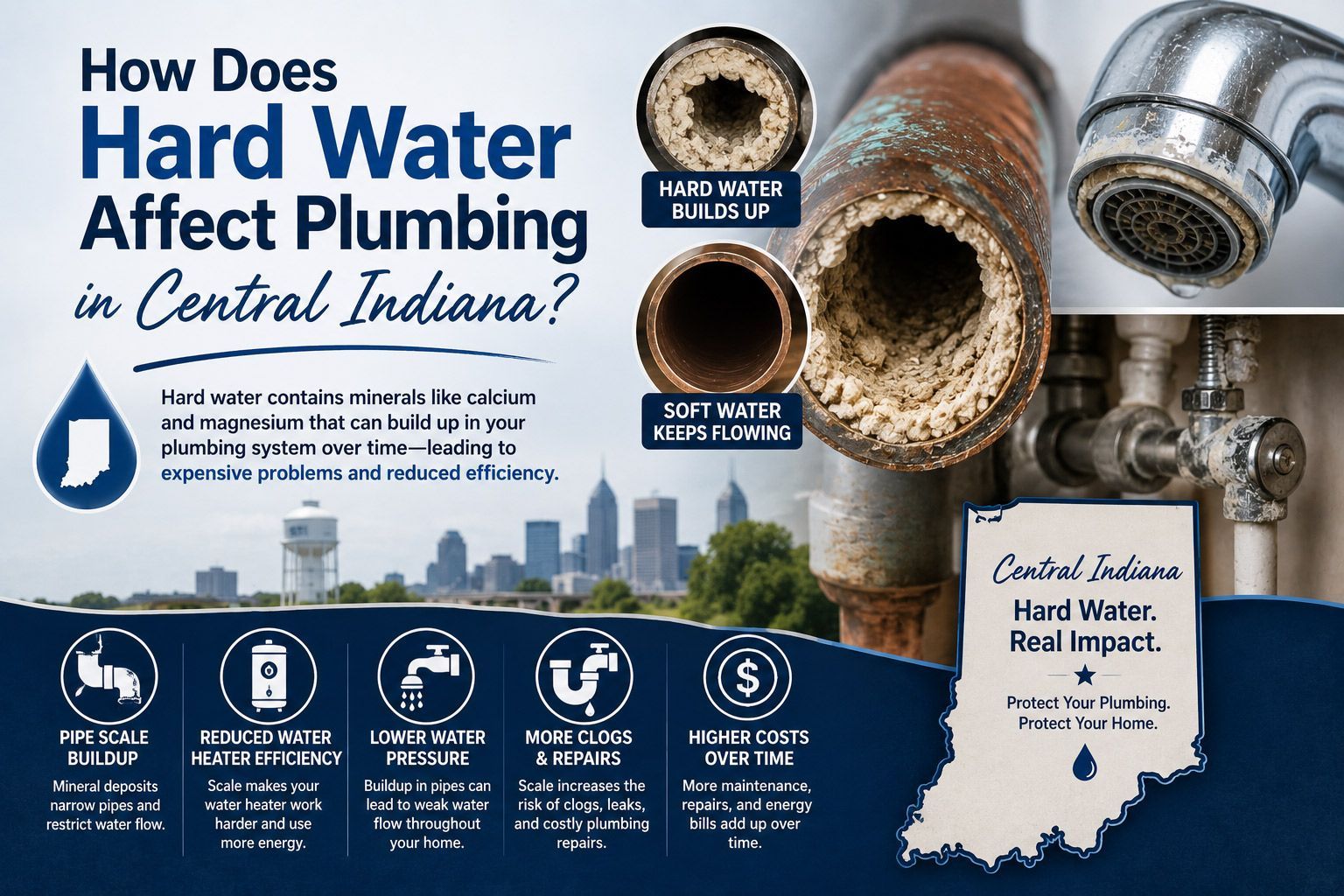
As hardness levels change, so does your plumbing’s exposure to scale buildup or corrosion. Seasonal adjustments to your treatment system’s settings — especially hardness level calibration — help maintain efficiency year-round.
How to Prepare Your Home for Seasonal Water Changes
Now that you know what to expect, here are practical steps Franklin homeowners can take to stay ahead of seasonal water fluctuations.
1. Test Your Water Regularly
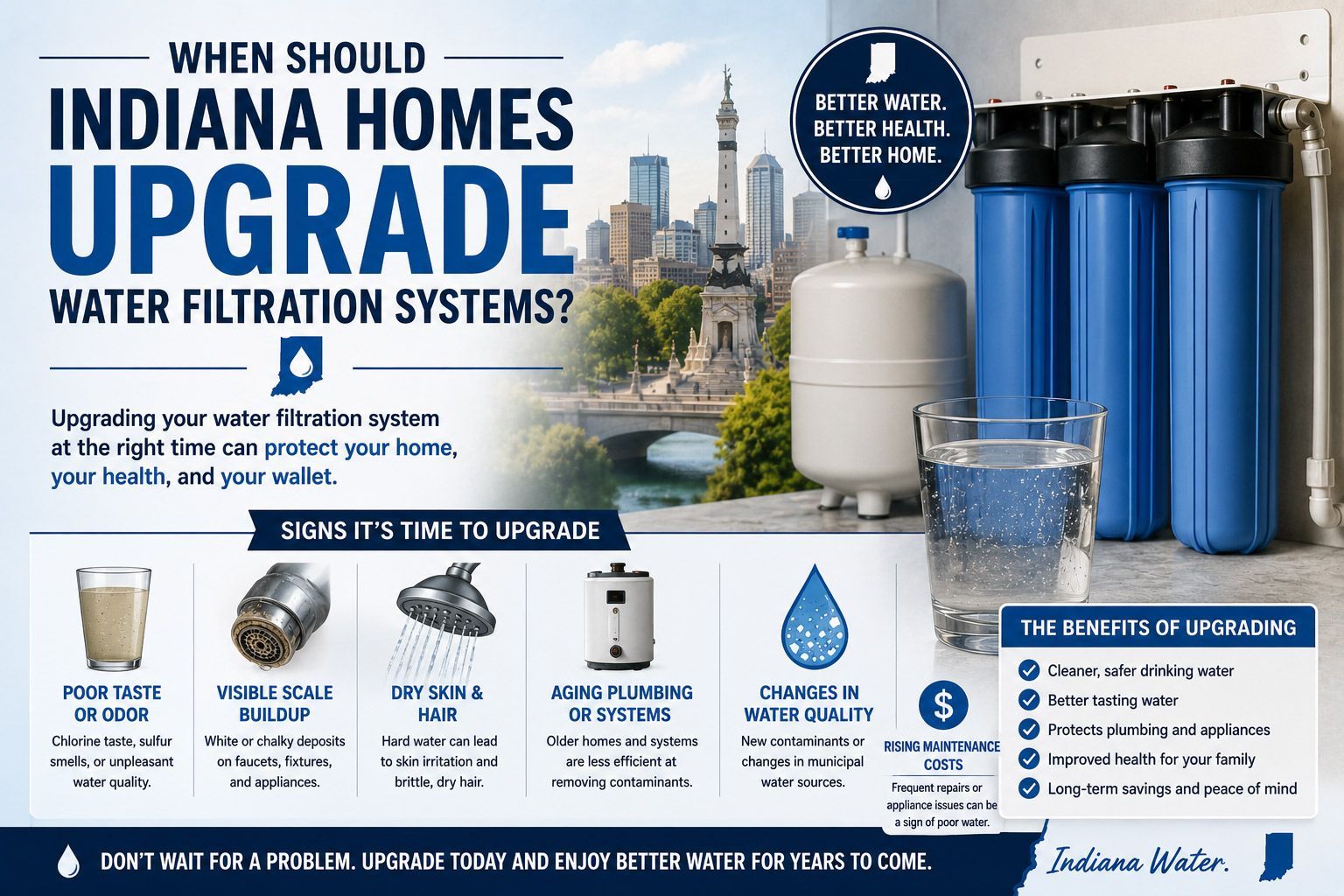
Test at least twice per year — once in spring after heavy rainfall and again in late summer or early fall. A professional analysis can detect shifts in hardness, pH, metals, and contaminants like nitrates or bacteria.
2. Service Your Treatment System Seasonally
Schedule maintenance before spring and before winter. This ensures filters are replaced, resin is flushed, and all settings are tuned to handle upcoming water conditions.
3. Clean or Replace Filters on Schedule
Sediment and carbon filters typically need replacement every 6–12 months, but during peak usage months, they may clog faster. Watch for drops in pressure or changes in taste as warning signs.
4. Inspect Your Well and Plumbing
Make sure your well cap is sealed before the rainy season and check plumbing for leaks before winter. Contaminants often enter through loose seals or cracks.
5. Use a Whole-House System for Consistent Quality
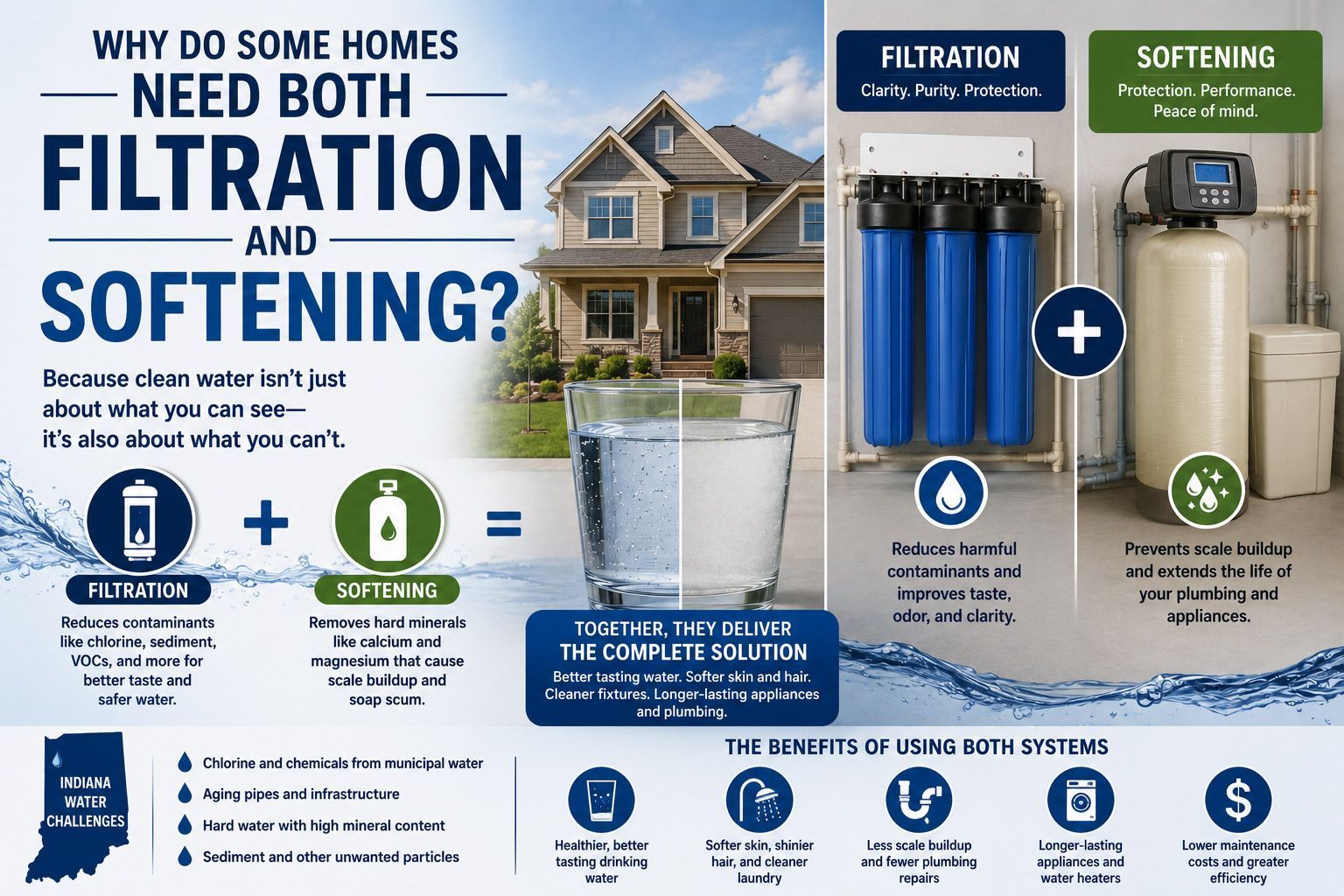
Installing a whole-house filtration and softening system ensures every faucet in your home — from the kitchen to the laundry — receives treated, balanced water regardless of season.
Frequently Asked Questions
Why does my water taste different during certain seasons?
Seasonal runoff, temperature changes, and shifting municipal sources can temporarily alter your water’s mineral and chlorine levels, affecting taste and smell.
How often should I test my well water in Indiana?
At least once per year, but ideally twice — spring and fall — to monitor seasonal shifts and catch potential bacterial contamination early.
Does my water softener need adjustments for different seasons?
Yes. Hardness levels can fluctuate with changing water sources, so recalibrating your system ensures optimal performance and prevents over- or under-softening.
What if my water smells musty or earthy after rain?
This usually comes from organic matter in surface runoff. Activated carbon filtration removes odor-causing compounds effectively.
Can seasonal changes damage my treatment system?
Indirectly, yes. Overloaded filters, unbalanced hardness, or bacterial growth can reduce system efficiency. Regular maintenance prevents long-term issues.
Conclusion
Seasonal water changes are part of life in Indiana — but they don’t have to impact your home’s water quality. Understanding how rainfall, temperature, and usage patterns affect your supply helps you stay proactive, not reactive.
By combining regular testing, timely maintenance, and professional-grade treatment solutions, Franklin homeowners can enjoy safe, clean, and consistent water through every season.
Whether you’re battling hard water in summer or cloudy water after spring storms, a customized treatment system ensures peace of mind all year long.