5 Signs It’s Time to Replace Your Water Softener — Before It Costs You More
April 12, 2026
Introduction
You may not think about your water softener every day — but when it stops doing its job, the effects are hard to miss. Soap won’t lather, dishes come out spotty, and your skin feels dry again.
For homeowners in Franklin, Indiana, where hard water is common, a water softener isn’t a luxury — it’s a necessity. Yet even the best systems wear out over time. Ignoring the warning signs can lead to plumbing damage, appliance inefficiency, and higher maintenance costs.
This guide covers the five most common signs your water softener is failing, what causes these issues, and how replacing your unit at the right time can save you hundreds of dollars in the long run.
Understanding the Role of a Water Softener
Before diving into the signs, let’s clarify what a water softener actually does — and why it matters so much in Central Indiana.
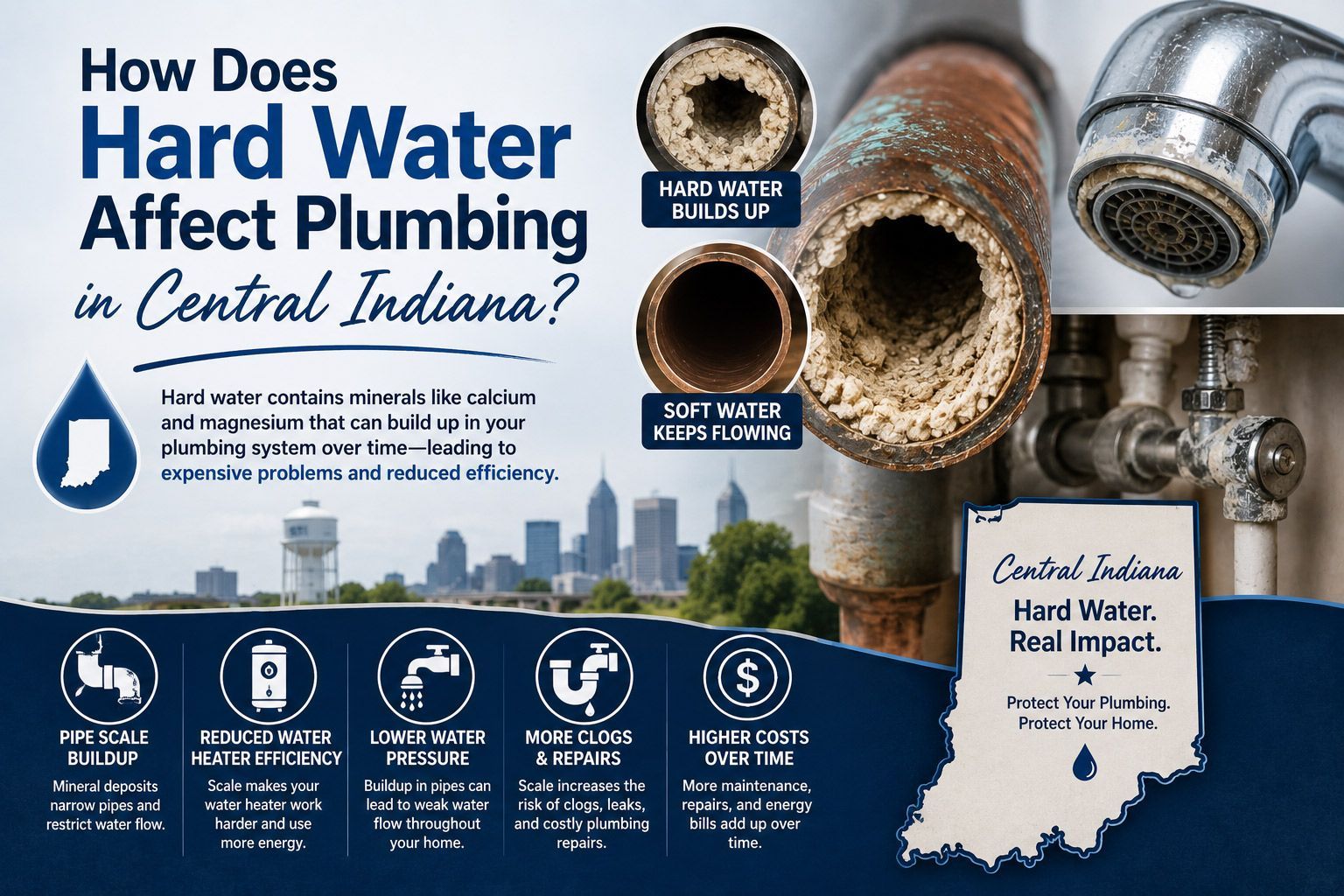
Hard water contains high levels of calcium and magnesium. These minerals leave behind limescale deposits that clog pipes, corrode fixtures, and shorten the lifespan of appliances like water heaters and dishwashers.
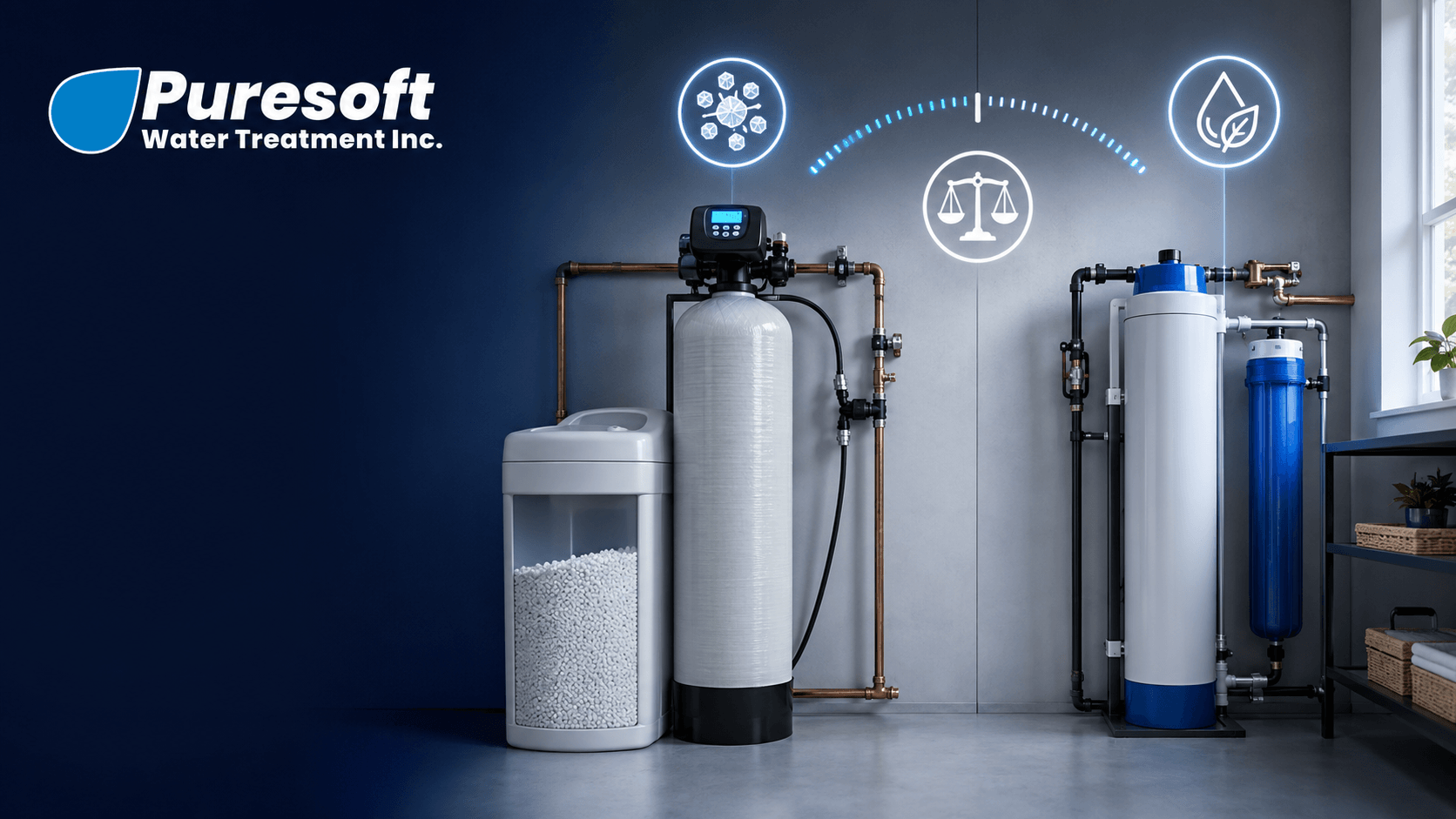
A water softener works by using an ion exchange process:
- Hard water passes through a tank filled with resin beads.
- The beads attract and hold calcium and magnesium ions.
- In exchange, they release sodium or potassium ions, leaving the water “soft.”
When your system stops removing those minerals effectively, you’ll start noticing the effects in subtle (and not-so-subtle) ways.
The 5 Signs It’s Time to Replace Your Water Softener
Knowing when to repair versus replace your softener can save you time, money, and stress. Here are the top indicators that your system may be nearing the end of its life.
1. You’re Seeing Hard Water Symptoms Again
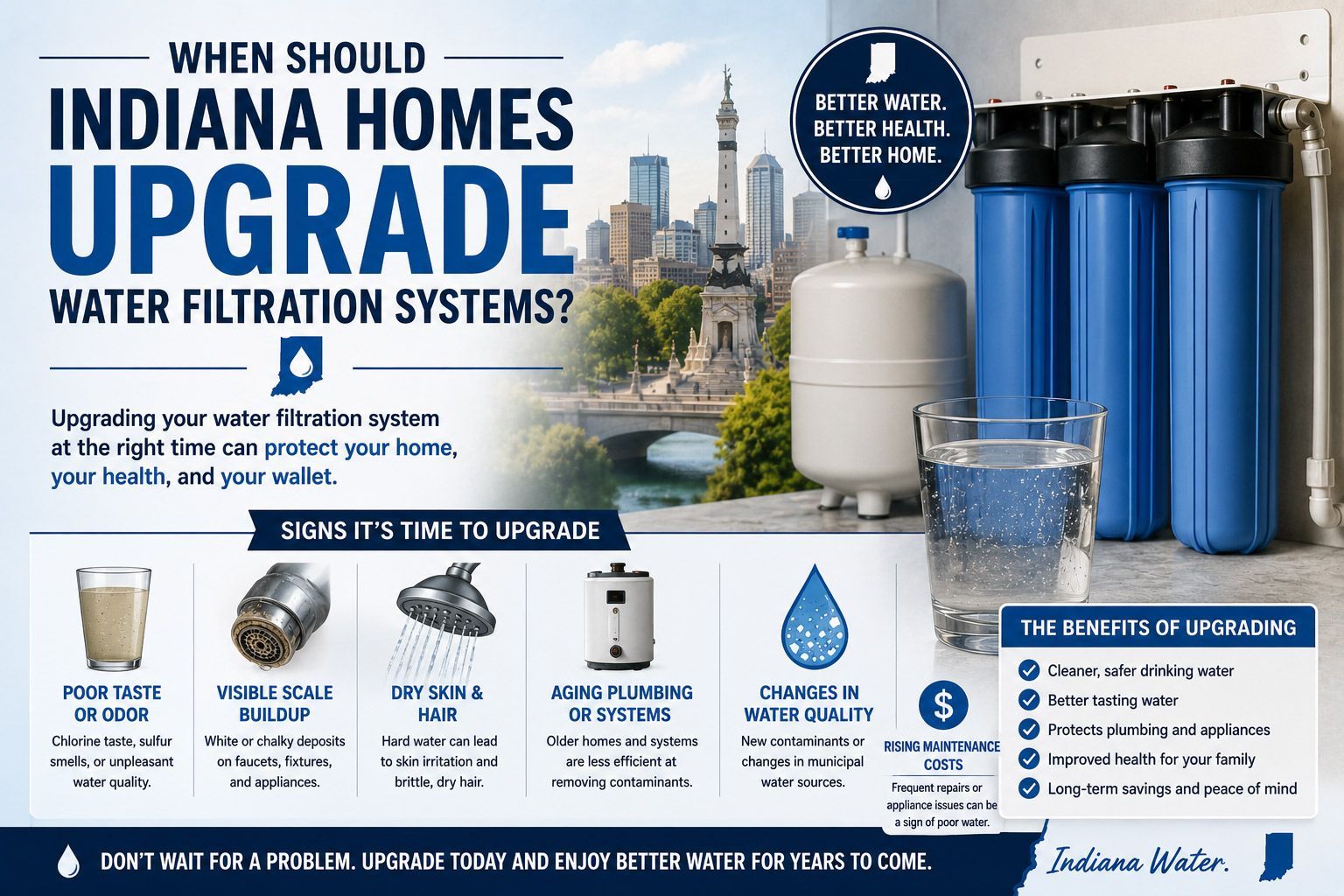
The most obvious sign of a problem is the return of hard water symptoms:
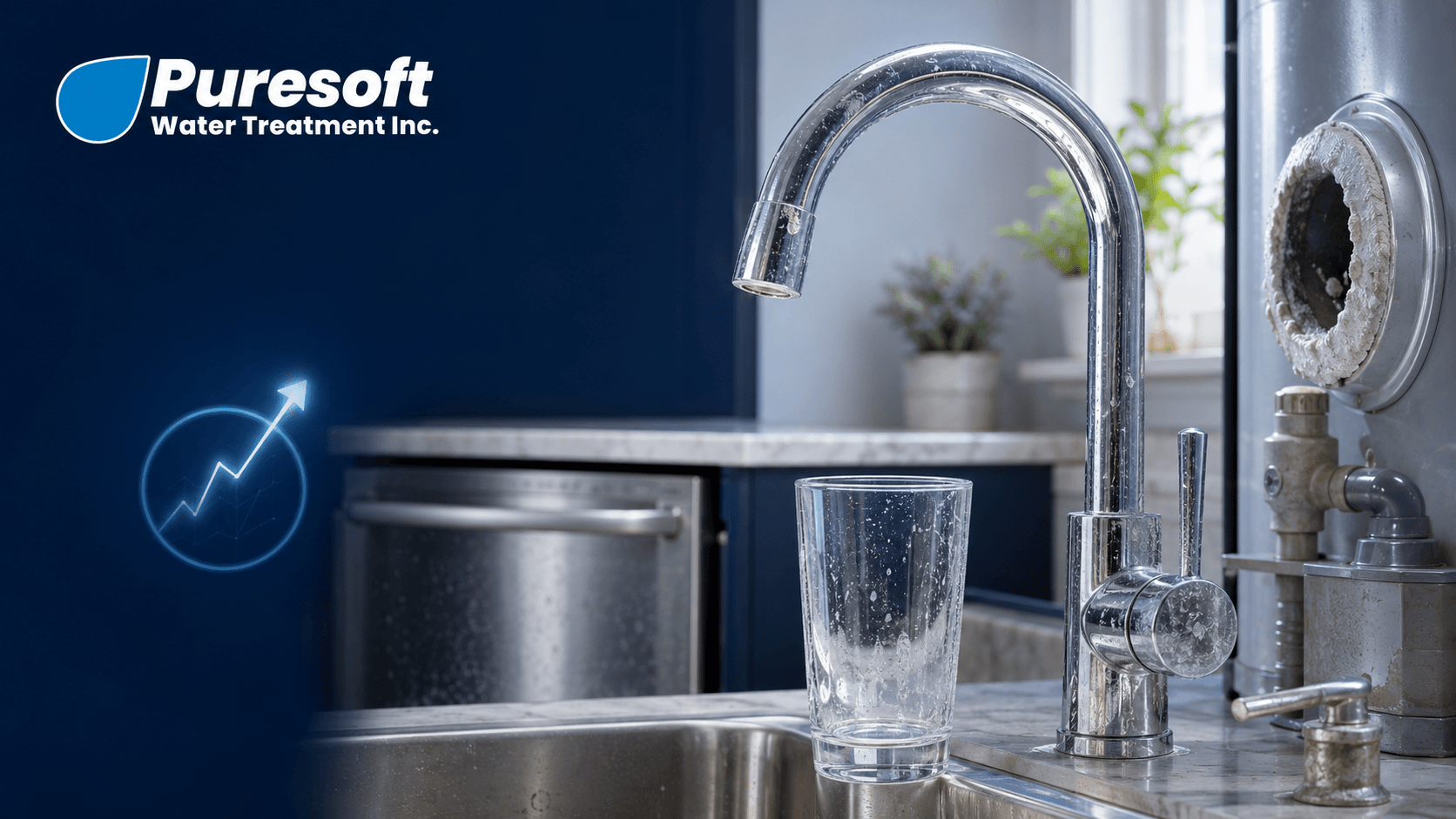
- White spots or film on glassware and dishes
- Soap scum on sinks, tubs, and showers
- Dry skin and dull hair
- Limescale buildup on faucets and showerheads
If these issues reappear even after adding salt or running a regeneration cycle, your softener likely isn’t doing its job anymore.
Tip: Test your water hardness using a simple home kit. If the results show levels above 7 grains per gallon (gpg), it’s time for a system check.
2. You’re Refilling Salt More Often
A softener that suddenly uses more salt than usual could have internal mechanical problems — such as a worn resin bed, malfunctioning valve, or leaking brine tank.
In a properly functioning system, salt consumption should be steady and predictable. Rapid increases in salt usage not only waste money but can also indicate your system is overworking to achieve the same results.
3. Your Water Feels Slimy or Too Soft
Believe it or not, overly “slick” or “slimy” water is another red flag. This happens when the softener fails to properly rinse and balance ion exchange, often due to aging resin beads or a clogged injector valve.
Water that feels too slippery can also mean the system is regenerating too frequently or not completing cycles properly — another clue that replacement might be more cost-effective than ongoing repairs.
4. Plumbing and Appliances Show New Signs of Scale
Take a look at your fixtures and appliances. If you see limescale returning on faucets, sinks, or inside your dishwasher, your water softener may no longer be removing minerals effectively.
Signs to watch for:
- Reduced water pressure in faucets and showerheads
- White, chalky buildup on fixtures
- Dishwasher or coffee maker performance issues
In Franklin and surrounding Central Indiana communities, water hardness levels are high enough that even a few weeks without effective softening can lead to new scaling — which is much harder to clean later.
5. Your System Is More Than 10–15 Years Old
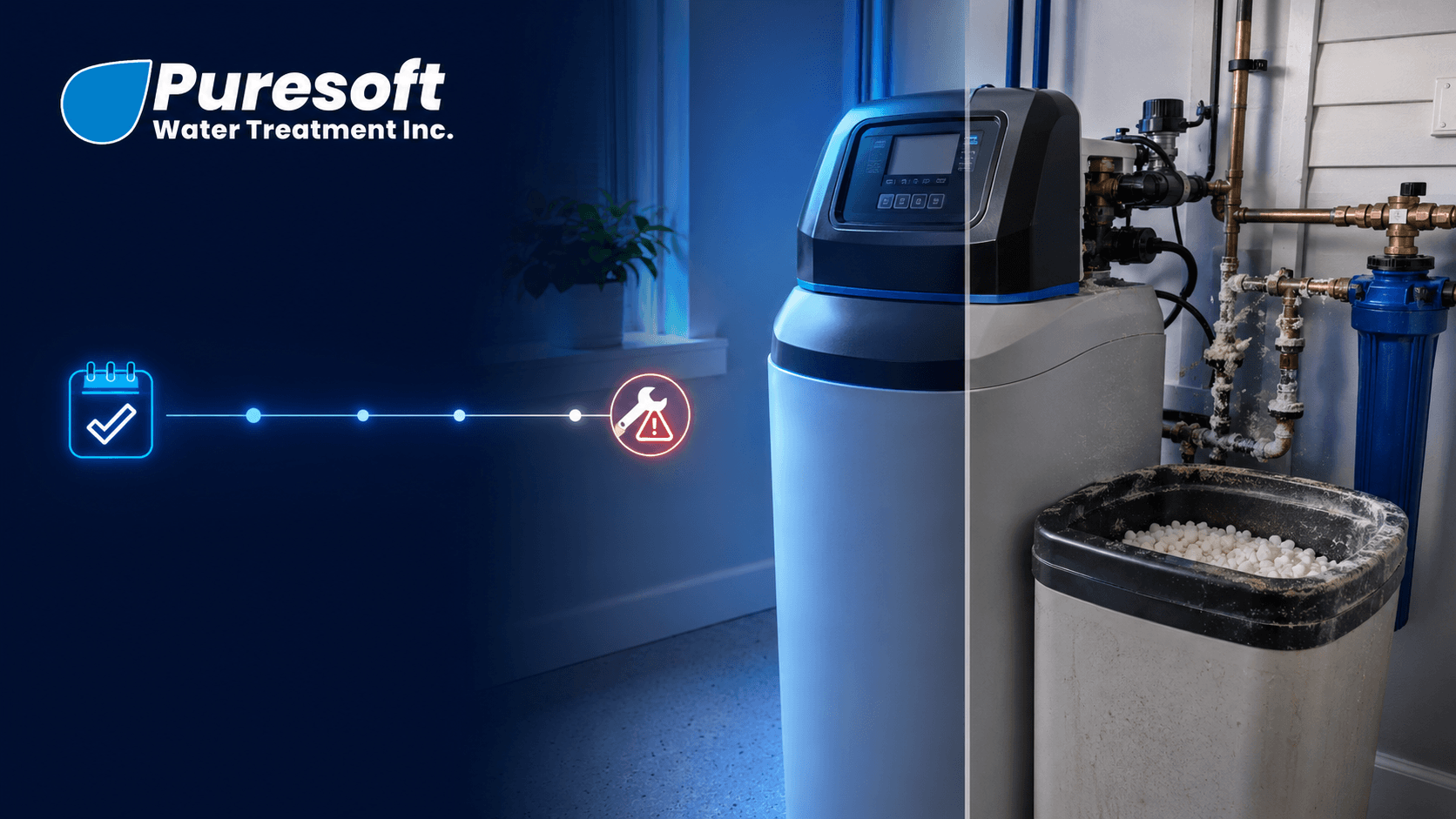
Even the best water softeners have a limited lifespan. Most units last around 10 to 15 years, depending on usage, maintenance, and water hardness levels.
As systems age, internal components wear down, resin efficiency drops, and electronic parts can fail. If your softener is over a decade old and showing any of the signs above, replacing it will likely save you money over constant maintenance.
Pro Tip: When upgrading, look for newer models with smart regeneration features or hybrid filtration systems that handle both hardness and contaminants.
What to Do Before Replacing Your Water Softener
Before rushing into a new purchase, take a few practical steps to confirm your system’s condition.
Step 1: Perform a Water Hardness Test
This helps determine whether your water is still being softened effectively. You can find inexpensive test kits online or request a professional water analysis from a local water treatment provider.
Step 2: Inspect Your Softener
Check for these issues:
- Low or no water in the brine tank
- Salt bridges or clumps preventing proper regeneration
- Resin beads leaking into water lines (a sure sign of internal wear)
Step 3: Compare Repair vs. Replacement Costs
Minor issues like valve blockages or salt bridges can be repaired affordably. But if your resin bed or control head has failed, a full replacement is typically more cost-effective — especially for systems over 10 years old.
FAQs: Water Softener Replacement and Maintenance
How long does a water softener typically last?
Most last between 10 and 15 years, depending on maintenance and water hardness levels.
Is rusty water dangerous to drink?
If your unit is under 8 years old and the repair cost is minor, fix it. Beyond 10 years, replacement usually offers better long-term value.
Can I tell if my water softener is working properly?
Yes — if soap doesn’t lather, or you notice spots and buildup returning, your softener may not be functioning correctly.
What happens if I don’t replace a failing softener?
Ignoring a failing system can lead to mineral buildup, clogged pipes, higher energy bills, and shortened appliance life.
How do I choose the right new water softener?
Base your choice on household size, water hardness, and specific needs (e.g., iron removal or salt-free conditioning). A professional water test can guide the selection.
Why It Matters in Franklin, Indiana
Central Indiana’s limestone-rich geology makes hard water a persistent issue for homeowners. Without a reliable softener, minerals quickly build up inside plumbing, water heaters, and appliances — leading to inefficiency and repairs.
By replacing your water softener before it fails, you protect not only your plumbing but also your energy bills and daily comfort.
Conclusion
A well-functioning water softener keeps your plumbing efficient, your appliances lasting longer, and your water quality consistent. But when it starts to fail, waiting too long to act can cost far more in the long run.
If you’ve noticed spots, scale, or rising maintenance costs, it may be time for a replacement. The best way to know for sure? Get your system professionally tested and evaluated.
Homeowners in Franklin and surrounding Central Indiana communities can turn to
PureSoft Water Treatment for expert testing, honest recommendations, and customized replacement options. Don’t wait until the damage adds up — take control of your home’s water today.