From Rust to Residue: What Your Tap Water Is Telling You About Your Home’s Water Quality

April 2, 2026

Hands cupped under flowing water in a stream.

Introduction

You pour yourself a glass of water and notice a faint yellow tint. Maybe your bathroom fixtures have started to show orange stains, or your tap leaves a metallic taste. While these might seem like cosmetic issues, they’re actually warning signs — your tap water is trying to tell you something.


For homeowners in Franklin, Indiana, these clues often point to more than just aesthetic concerns. They can reveal deeper water quality problems like high iron content, mineral buildup, or contamination.


This guide will help you decode what those stains, tastes, and odors mean, and how to restore your home’s water quality with professional treatment solutions.


What Your Tap Water’s Color, Taste, and Odor Are Really Saying

Your tap water’s appearance, taste, and smell offer valuable clues about what’s happening inside your plumbing and your local water supply. Understanding these signs can help you prevent long-term damage and health risks.

Discoloration: Rust, Yellow, or Brown Water

Rust-colored or brownish water often indicates iron or manganese in your water supply. These minerals typically enter through aging pipes, corroded plumbing, or groundwater with high mineral content.

  • Orange or reddish tint: Usually caused by iron oxidation — common in older Franklin homes with well water.
  • Dark brown water: Could indicate rust flaking from old galvanized pipes.
  • Temporary discoloration: If it clears after running the tap for a few minutes, the source may be within your home’s plumbing.

Prolonged exposure to iron-rich water can stain sinks, tubs, and laundry, and lead to metallic-tasting drinking water.


Cloudy or Milky Water

If your tap water looks cloudy or white, it’s likely due to air bubbles or dissolved gases. This issue is often harmless and temporary, but persistent cloudiness can also signal high mineral content or sediment in the pipes.


Tip: Fill a glass and let it sit for a minute. If the cloudiness clears from bottom to top, it’s just air escaping. If it remains cloudy, the problem could be sediment or hardness.


Metallic or Bitter Taste

A metallic taste can come from iron, copper, or zinc leaching from old pipes or fixtures. These metals not only alter taste but can also affect water safety over time. Bitter or chemical-like flavors may also indicate chlorine or other treatment chemicals present in municipal supplies.


Sulfur or Rotten Egg Smell

A strong, unpleasant odor — like rotten eggs — is a classic sign of hydrogen sulfide gas. This forms when bacteria interact with sulfur in groundwater. While it’s usually not harmful, it’s highly unpleasant and can corrode metal pipes and appliances.


Slimy or Chalky Residue

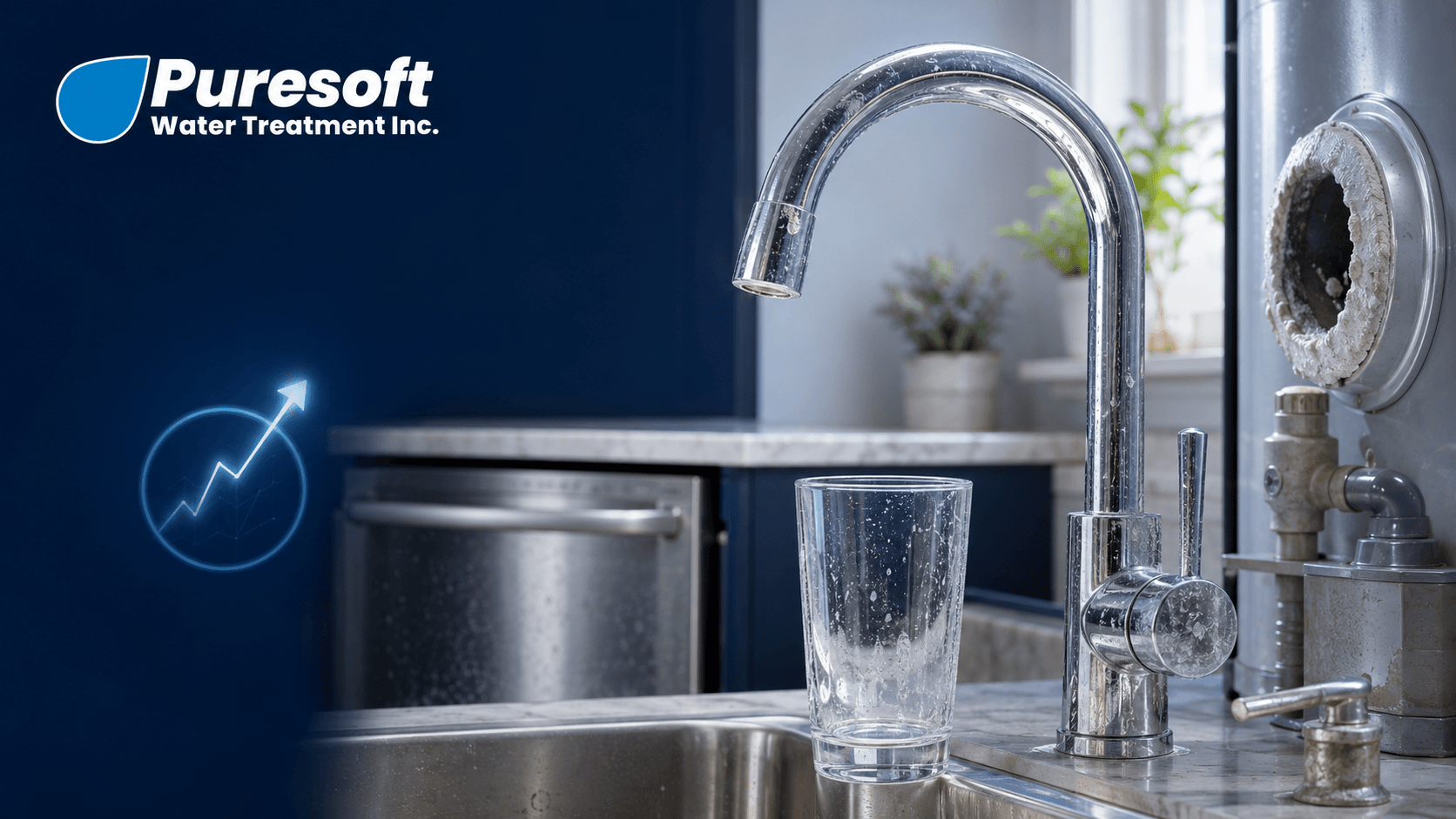
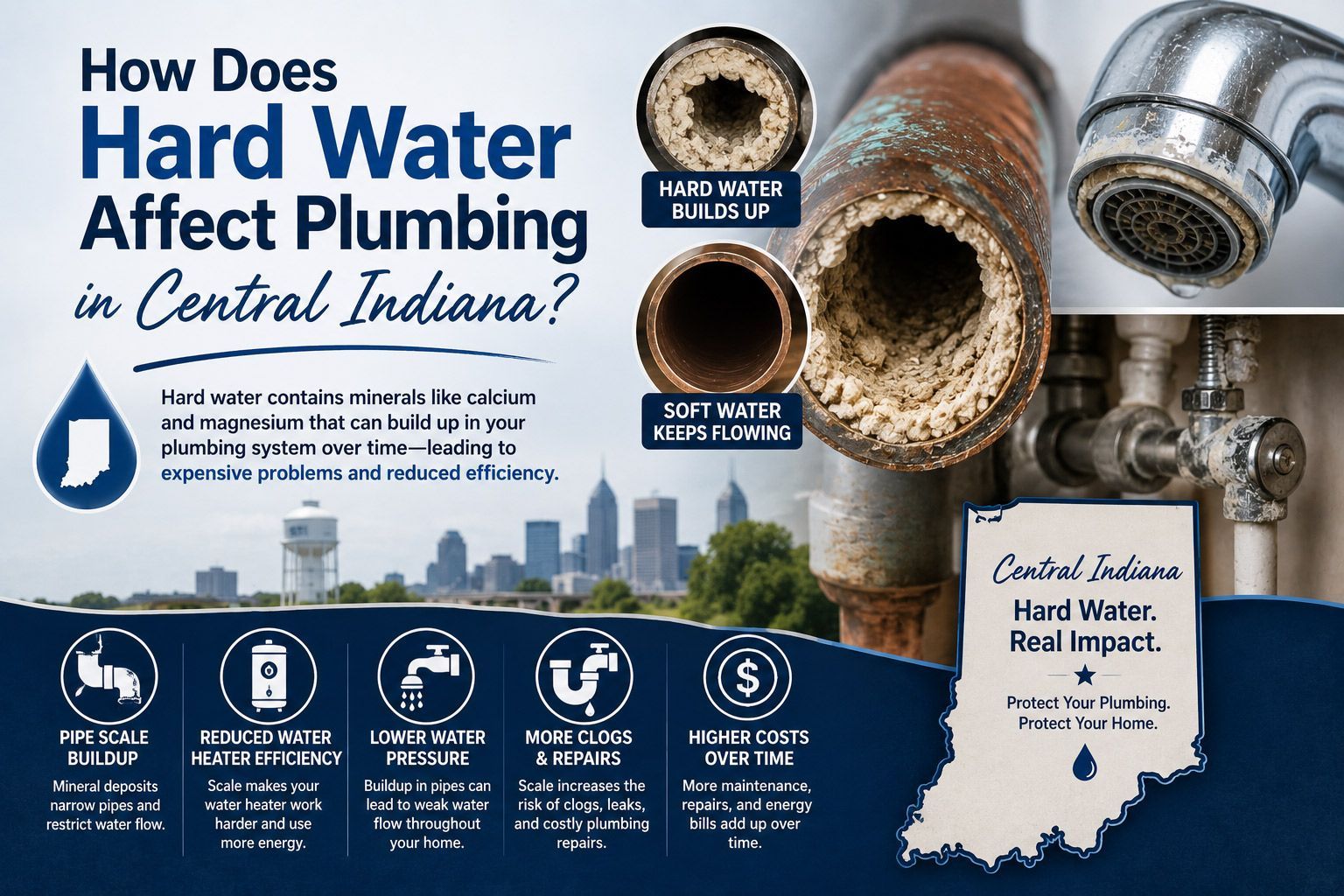
A slick film or chalky residue around faucets and showerheads is caused by hard water minerals, primarily calcium and magnesium. These minerals accumulate over time, reducing water flow and damaging fixtures and appliances.


How to Diagnose and Fix Water Quality Problems

Knowing what’s causing discoloration or odors is the first step — fixing it requires a combination of testing, filtration, and maintenance.

Step 1: Schedule a Professional Water Test

Testing identifies the exact cause of discoloration or strange odors. A comprehensive water test will measure:

  • Iron and manganese levels
  • Hardness (calcium and magnesium)
  • pH balance
  • Chlorine, sulfur, and other contaminants

In Franklin, where groundwater is rich in minerals, this testing helps pinpoint whether the problem comes from your pipes or the local water supply.

Step 2: Use the Right Filtration or Treatment System

Different water problems require different treatment systems. Here’s how to match the issue with the right solution:

  • Iron or Rusty Water: Install an iron filtration system or a softener with an iron removal feature.
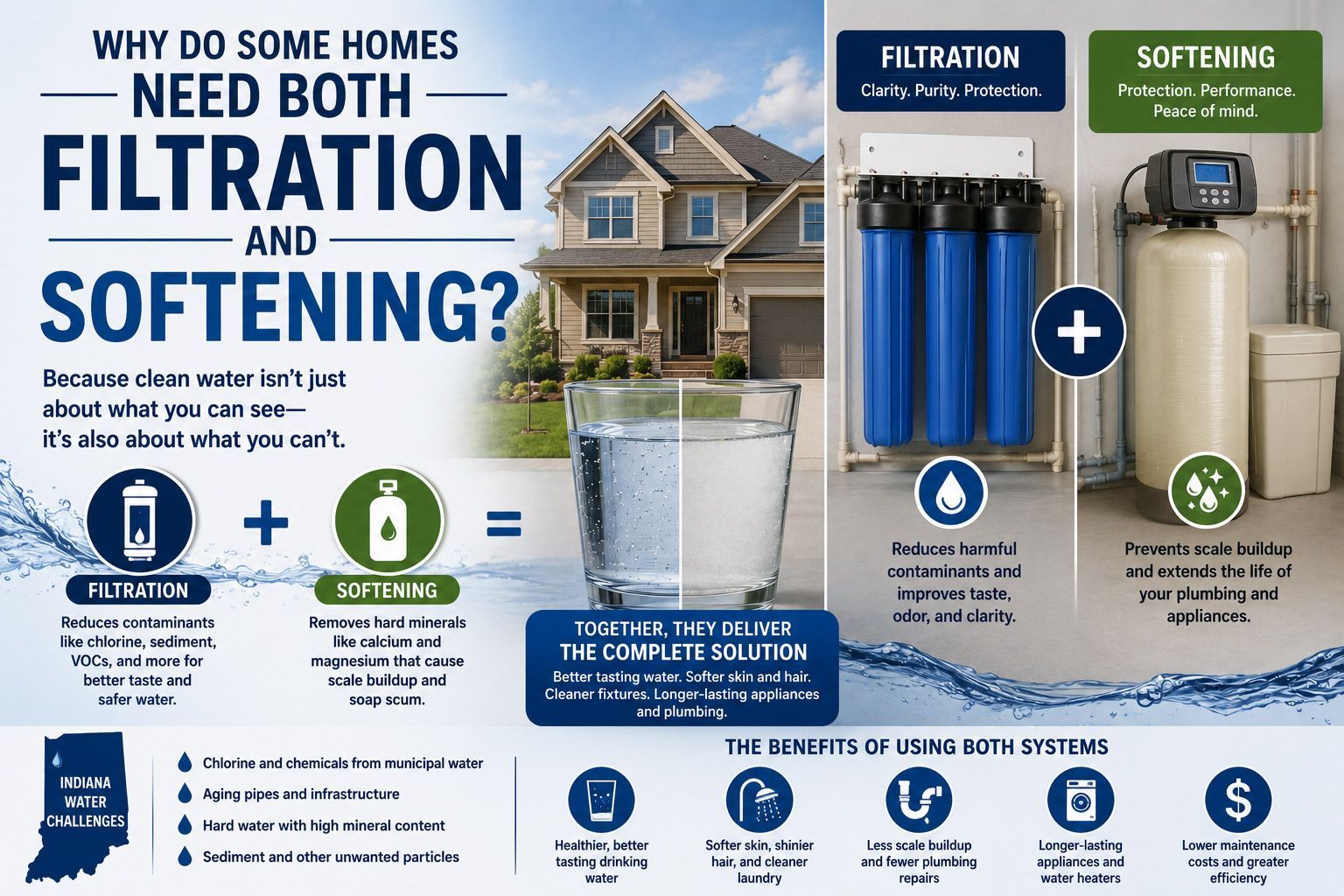
  • Hard Water Residue: A water softener removes calcium and magnesium, preventing scale buildup.
  • Sulfur or Odor Issues: Use an oxidation or carbon filtration system to eliminate hydrogen sulfide gas.
  • Chemical Taste: A carbon filter removes chlorine and improves overall taste.

Step 3: Maintain Your Plumbing and Appliances

Even after installing a treatment system, regular maintenance ensures lasting performance:

  1. Flush water heaters annually to remove sediment buildup.
  2. Replace faucet aerators if mineral deposits accumulate.
  3. Inspect plumbing for corrosion or leaks, especially in older homes.

A good rule of thumb: treat your water before it enters your home, not after it causes damage.


FAQs: Understanding Tap Water Quality

  • Why is my water sometimes yellow or orange?

     Discoloration often indicates iron or manganese in the water. It can come from rusting pipes or groundwater rich in minerals.

  • Is rusty water dangerous to drink?

     Usually not, but high levels of iron can give water a metallic taste and stain plumbing fixtures. Testing confirms whether levels are within safe limits.

  • Why does my water smell like rotten eggs?

     That odor is caused by hydrogen sulfide gas. It’s common in well systems and can be treated effectively with oxidation or carbon filtration.

  • Can hard water cause health problems?

     Hard water isn’t dangerous, but it dries skin and hair, clogs plumbing, and damages appliances over time.

  • What’s the best way to permanently improve my water quality?

     A combination of professional testing and a tailored filtration or softening system ensures long-term clean, safe water for your entire home.

  • Is bottled water safer than tap water?

     Not necessarily. Treated and filtered tap water can be just as safe — and more cost-effective — than bottled alternatives.

Why Water Quality Matters in Franklin, Indiana

Franklin and Central Indiana homeowners often deal with naturally hard water and high iron levels. The area’s limestone bedrock contributes to mineral-heavy groundwater that leads to staining, odor, and corrosion over time.


Whether your home uses city water or a private well, water treatment isn’t just about taste — it’s about protecting your plumbing, appliances, and health. Professional testing and treatment give you consistent, clean water throughout your home.


Conclusion

Rust stains, cloudy water, or unusual tastes aren’t minor annoyances — they’re warning signs. Each symptom points to what’s happening beneath the surface, from corroding pipes to mineral buildup.


By testing your water and choosing the right treatment system, you can protect your plumbing, improve your drinking water, and prevent future damage.


If you’re in Franklin or anywhere in Central Indiana and ready to discover what your tap water is really telling you, reach out to PureSoft Water Treatment for expert testing and professional-grade solutions. Your home deserves water that’s as clean and clear as it looks.
March 29, 2026
Learn how Central Indiana homeowners can prevent hard water damage with the right water treatment solutions. Discover proven ways to protect plumbing and appliances.
March 26, 2026
Discover how Indiana’s seasonal changes impact water quality and your home’s treatment system. Learn prevention and maintenance tips for clean, consistent water.
March 22, 2026
Learn how VOCs and heavy metals affect Central Indiana tap water. Discover their sources, health risks, and the best treatment systems for clean, safe water.
March 19, 2026
Learn how Franklin, IN homeowners can prevent scale build-up, protect plumbing, and extend appliance life with effective water treatment solutions.
March 15, 2026
Learn the difference between salt-based and salt-free water softeners for Indiana homes. Discover which system best fits your water quality, budget, and maintenance needs.
March 12, 2026
Introduction For many Indiana homeowners, private wells are the main source of household water. Unlike city water, well water isn’t treated or monitored by local utilities — meaning the responsibility for safety and quality falls entirely on the homeowner. While well water can taste fresh and natural, it can also contain iron, manganese, sulfur, bacteria, and even trace contaminants like nitrates or arsenic. Over time, these impurities can damage plumbing, stain fixtures, and impact health if left untreated. This guide explores the most effective treatment options for Indiana well water , helping you protect your home, your appliances, and your family. Understanding Well Water in Indiana Why Well Water Requires Special Attention Indiana’s geology includes layers of limestone, shale, and sand — materials that naturally leach minerals into groundwater. That’s why homes across Johnson, Morgan, and Brown counties often experience high hardness levels and metal content.  Unlike municipal water systems, private wells don’t have chlorine disinfection or centralized filtration. That means: There’s no automatic testing or regulation . Water quality can change seasonally after rain or drought. Contaminants like bacteria or iron can enter through soil or aging well components. Routine testing and treatment are essential to ensure safety and performance. Common Issues Found in Indiana Wells Before discussing treatment systems, here are the most frequent problems homeowners in Franklin and surrounding areas encounter: Hard Water: High calcium and magnesium causing scale buildup. Iron and Manganese: Staining sinks, laundry, and fixtures. Sulfur Odor: “Rotten egg” smell from hydrogen sulfide gas. Bacteria or Coliform Contamination: Unsafe for consumption without disinfection. Sediment and Cloudiness: From sand or clay infiltration. Nitrates and VOCs: Often from agricultural runoff or nearby industrial areas. Understanding which of these affect your water is the first step to finding the right solution. Best Treatment Options for Indiana Well Water Every well is unique — but the following systems address the most common problems found across Indiana homes. 1. Water Softeners for Hardness and Iron Hard water is nearly universal in Indiana. A water softener removes calcium, magnesium, and small amounts of iron using an ion exchange process. This prevents scale buildup in pipes, improves soap efficiency, and protects water heaters and fixtures. Best for: Hardness levels above 7 grains per gallon (gpg) or visible scaling. Maintenance tip: Check salt levels regularly and schedule system servicing once a year. 2. Iron and Manganese Filtration Systems If you notice orange or black stains, your water likely contains dissolved metals. Filtration systems with oxidation media or air injection convert these metals into solid particles that are then trapped and flushed away. Best for: Moderate to high iron or manganese content. Example system types: Birm or Katalox Light filters Air-oxidizing iron filters Chlorine injection with carbon filtration for severe contamination 3. Activated Carbon Filtration for Odors and Chemicals Activated carbon filters are excellent for improving taste and removing chemical contaminants like chlorine, VOCs, or pesticides. While wells don’t typically have chlorine, carbon filters are ideal for eliminating musty or metallic tastes and sulfur smells. Best for: Odors, discoloration, or chemical runoff from agricultural areas. Maintenance tip: Replace carbon media every 6–12 months depending on use and water quality. 4. UV Disinfection Systems for Bacteria Even a small crack in your well casing can introduce bacteria or coliform organisms into the water supply. Ultraviolet (UV) systems disinfect water using light instead of chemicals, effectively neutralizing harmful microorganisms without altering taste. Best for: Homes with recurring bacteria problems or no chlorination. Important note: UV systems require clear water — pair with a sediment or carbon filter for best performance. 5. Reverse Osmosis (RO) Systems for Drinking Water For the purest water possible, reverse osmosis systems remove up to 99% of dissolved solids, including nitrates, arsenic, and lead. RO units are typically installed under the kitchen sink or as part of a point-of-use system. Best for: Households concerned about chemical contaminants or heavy metals. Added benefit: Ideal for cooking and baby formula preparation. 6. Sediment Filters for Clarity and Equipment Protection Sediment filters trap sand, rust, and silt before they reach your home’s main plumbing. These filters are inexpensive and extend the life of other treatment systems by preventing clogging. Best for: Homes drawing from shallow wells or older wells prone to sediment infiltration. How to Protect and Maintain Your Well Water Even the best treatment systems need proper maintenance to stay effective. Follow these key steps to ensure consistent water quality year-round. Schedule Annual Testing The Indiana Department of Health recommends testing private wells at least once per year for bacteria, nitrates, and metals. Seasonal flooding or construction nearby can change your water composition quickly. Inspect and Clean the Well Cap Ensure the cap is sealed, secure, and free from debris. A compromised seal can allow insects or surface runoff to contaminate your water. Service Filtration Equipment Regularly Filters, softeners, and UV bulbs all have service intervals. Partnering with a local Franklin water treatment professional ensures these components are replaced and calibrated properly. Keep Records of Water Tests and Maintenance Tracking results over time helps identify trends and anticipate issues before they affect your home. Frequently Asked Questions
March 8, 2026
Discover how soft water improves laundry results and saves money. Learn why Franklin, IN homeowners trust water softeners for better cleaning and lower costs.
March 5, 2026
Learn the signs that it’s time to upgrade your whole-house filtration system in Franklin, IN. Improve water quality, protect plumbing, and restore performance.
March 1, 2026
Learn how iron and manganese impact your plumbing, appliances, and water quality in Franklin, Indiana — and how to fix it with professional water treatment solutions.
February 22, 2026
Learn about VOCs, heavy metals, and hidden contaminants in Indiana tap water. Discover causes, risks, and proven ways to keep your water safe.