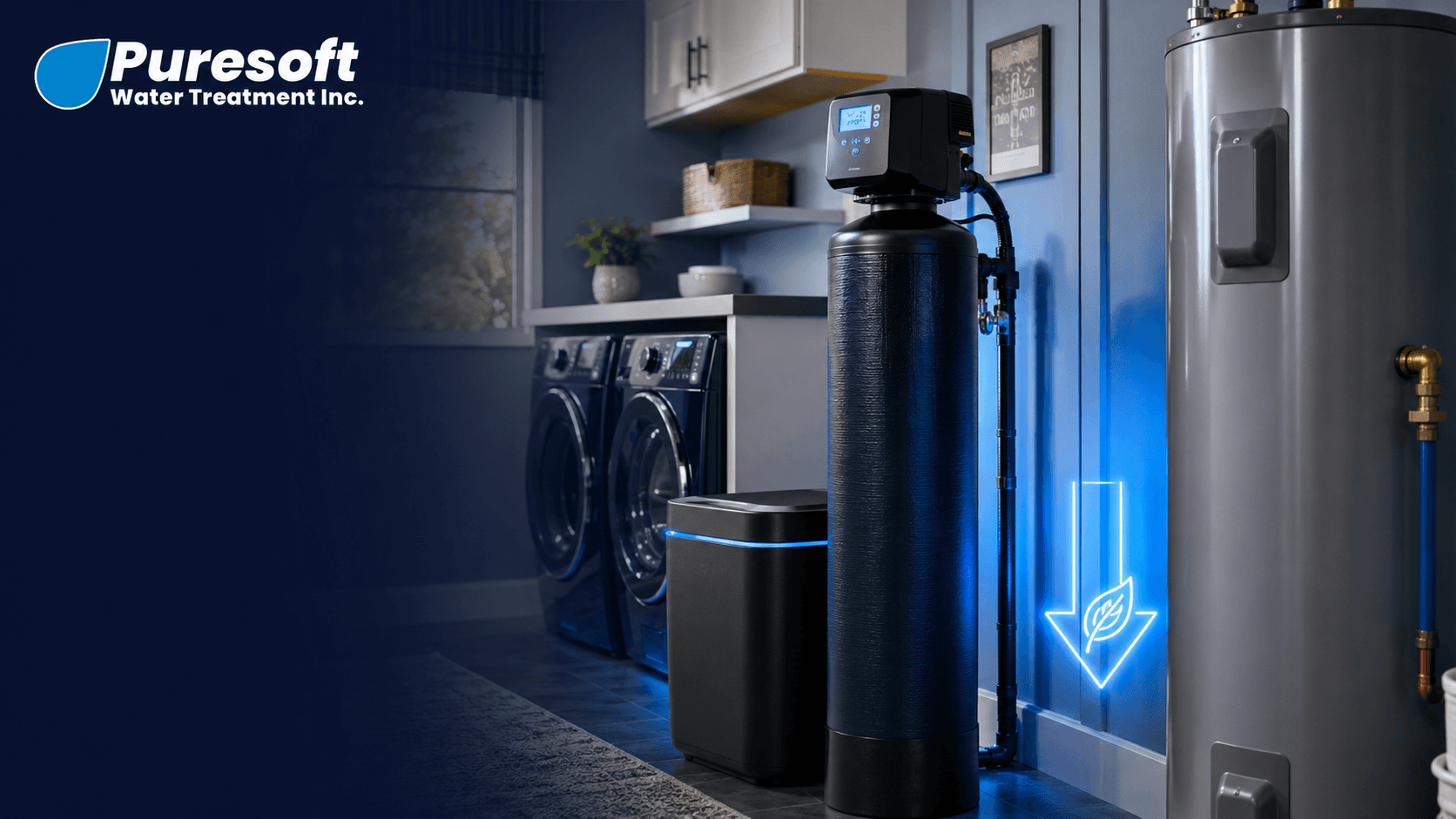
Eco-Friendly Water Softening: How to Keep Your Water Clean Without Harming the Planet
May 17, 2026
Introduction
Clean water shouldn’t come at the cost of a clean planet. Yet, for many homeowners in Franklin, Indiana and across Central Indiana, traditional water softening methods — especially salt-based systems — can create environmental challenges.
If you’ve been wondering how to enjoy soft, scale-free water while reducing waste, salt usage, and environmental impact, you’re not alone. More homeowners are turning to eco-friendly water softening solutions that keep both their homes and the environment healthy.
'
This guide explains how sustainable water softeners work, why they matter, and which options best fit your home in Central Indiana.
Understanding the Problem: Traditional Water Softeners and Their Impact
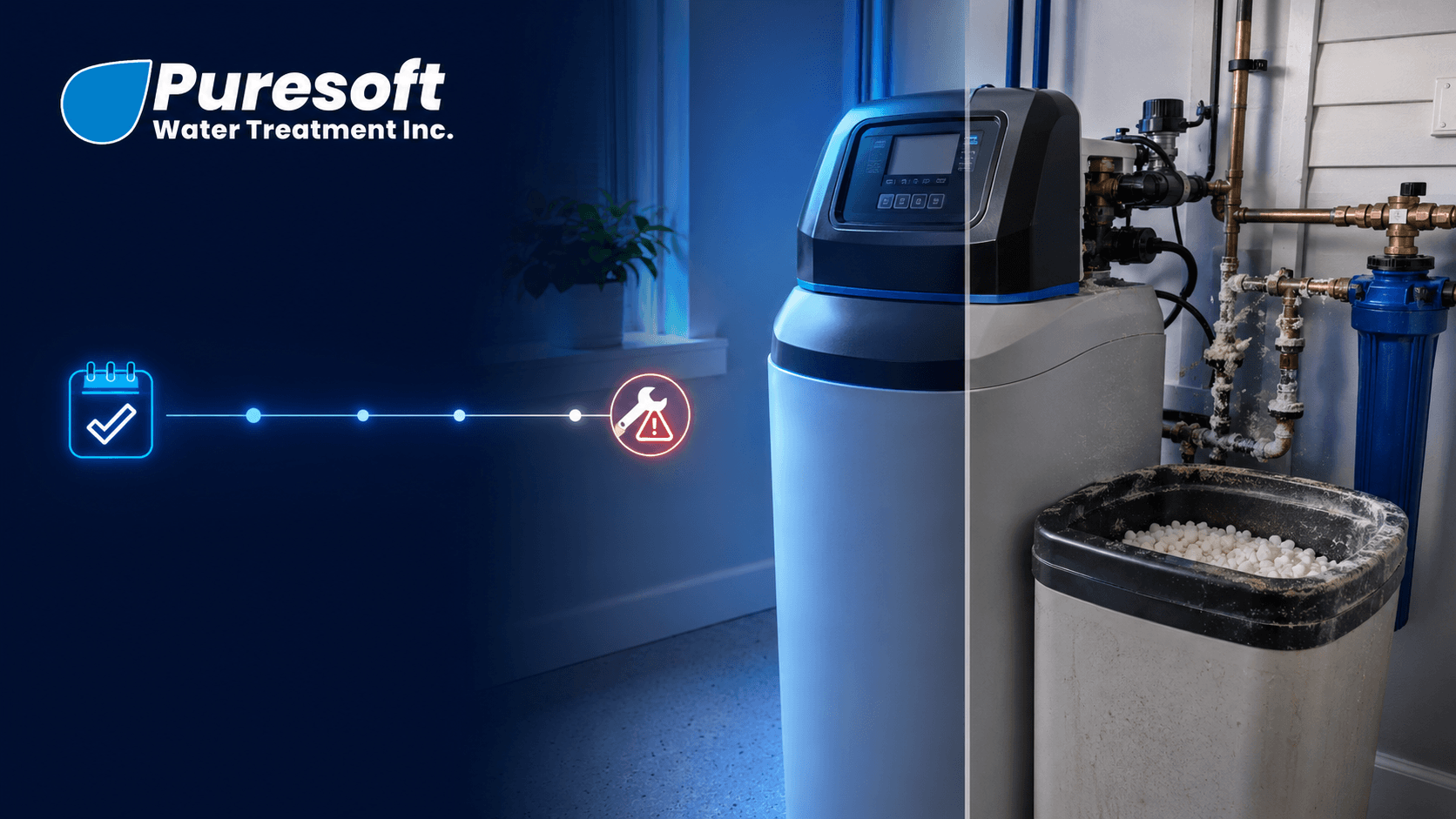
To understand why eco-friendly options are gaining attention, it helps to look at how conventional systems operate.
How Traditional Water Softeners Work
Salt-based softeners use an ion exchange process:
- Calcium and magnesium (the “hardness” minerals) in water are exchanged for sodium or potassium ions.
- The softened water then flows through your home, leaving behind no scale or residue.
- During regeneration, the system flushes mineral-rich brine (saltwater) into the drain.
The Environmental Downside
While effective, this process has a few drawbacks:
- Salt discharge: The brine solution can enter local waterways, raising sodium and chloride levels.
- Increased water use: Regeneration cycles use additional gallons of water each time.
- Maintenance waste: Salt bags and brine residue often end up in landfills.
In areas like Franklin, where environmental conservation and groundwater health are priorities, many homeowners are searching for greener solutions.
What Makes a Water Softener “Eco-Friendly”?
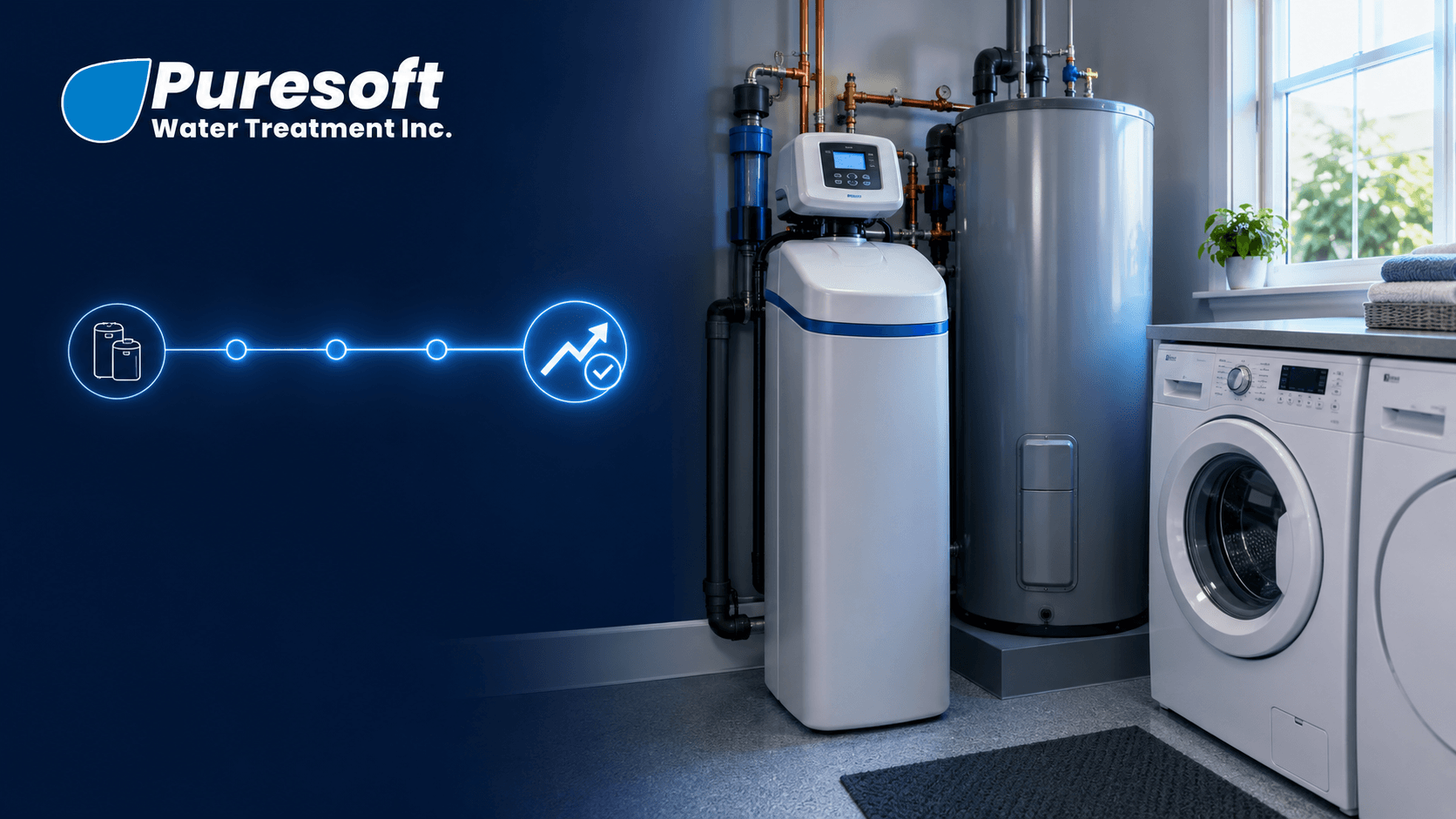
Eco-friendly water softeners focus on efficiency, sustainability, and minimal waste — while still protecting your plumbing and appliances from hard water damage.
Here’s what defines an environmentally responsible system:
- Salt-free operation or minimal salt use
- Lower regeneration frequency, conserving both water and salt
- Energy-efficient design, reducing electricity consumption
- Reusable or recyclable filtration media
- Targeted water treatment, addressing hardness without over-processing all water
In short, it’s about achieving the same results — soft, clean water — while lowering your home’s footprint.
Eco-Friendly Alternatives to Traditional Water Softeners
1. Salt-Free Water Conditioners
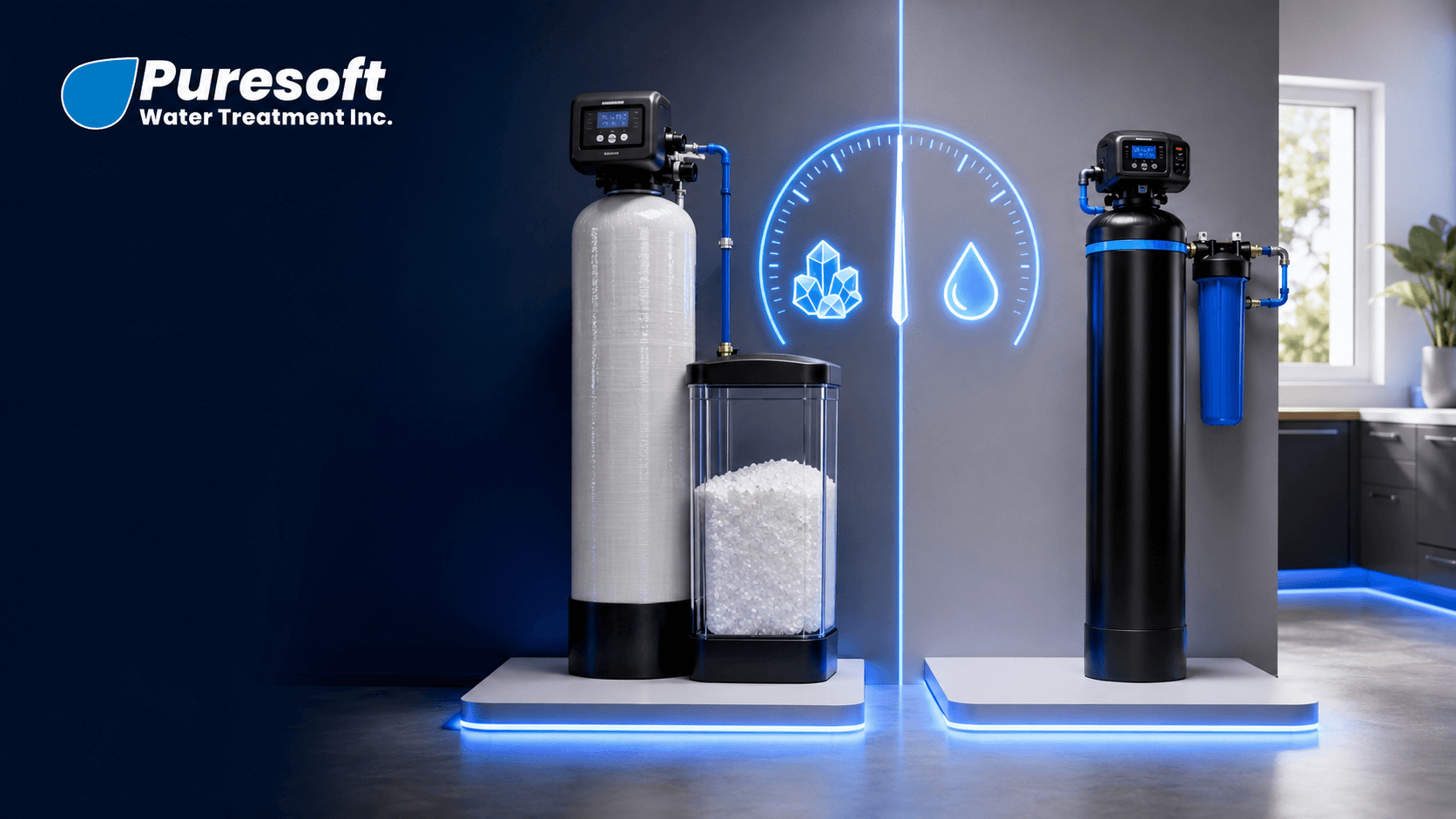
Instead of removing hardness minerals, salt-free conditioners alter their structure through a process called Template-Assisted Crystallization (TAC). This prevents minerals from sticking to surfaces, effectively neutralizing scaling.
Benefits:
- No salt or chemicals
- No wastewater or regeneration cycles
- Low maintenance and compact design
- Ideal for moderate hardness levels
Best for: Homes on city water with hardness levels under 20 grains per gallon.
2. Smart or Demand-Initiated Softeners
For those who prefer traditional softening performance but want to reduce waste, smart softeners use advanced sensors to monitor water use and regenerate only when necessary.
Benefits:
- Uses up to 50% less salt and water
- Customizes regeneration cycles based on your household’s habits
- Reduces overall operating costs
Best for: Larger families or homes with high water use who want a balance of performance and efficiency.
3. Dual-Tank Systems
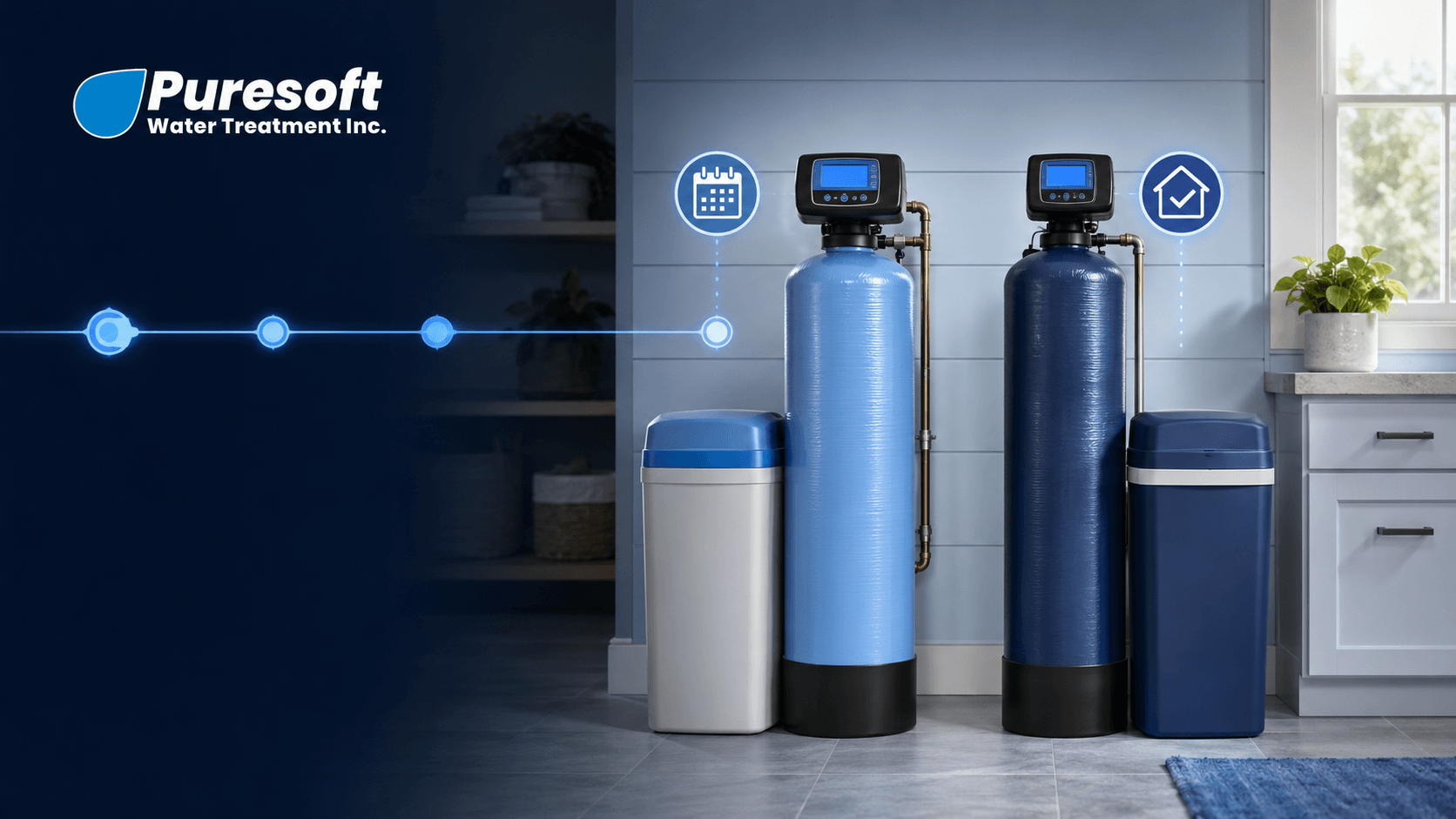
Dual-tank setups alternate between two resin tanks — one softens water while the other regenerates. This avoids downtime and spreads regeneration across both tanks, improving system life and reducing waste.
Benefits:
- Continuous soft water supply
- More efficient regeneration cycles
- Longer system lifespan
Best for: Homes with high hardness levels or well water
4. Whole-Home Filtration + Softening Combination
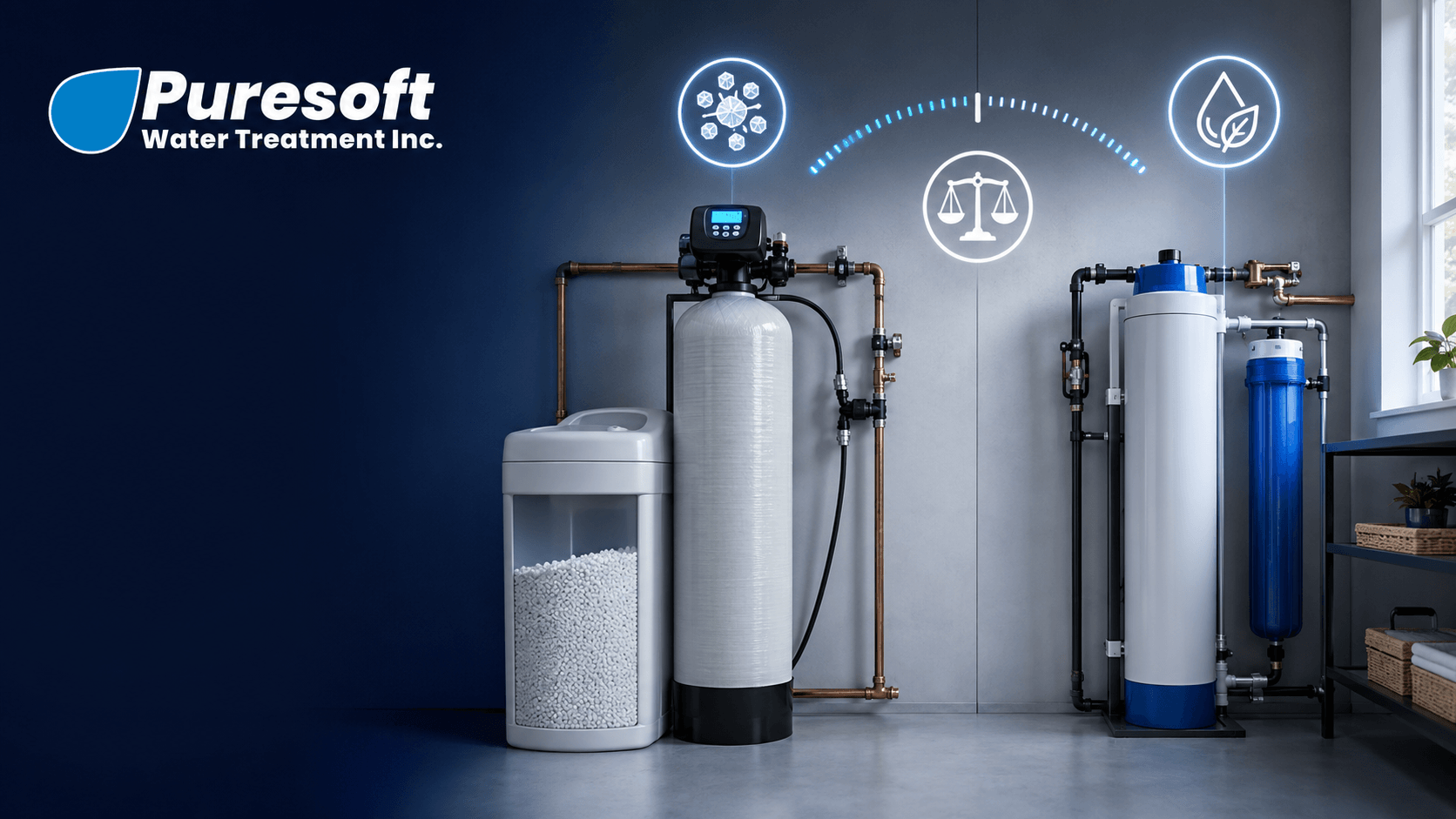
Some modern systems integrate filtration and softening in one eco-efficient design. They use multi-stage media to remove sediment, chlorine, and hardness while conserving water.
Benefits:
- Single system for soft, filtered water
- Fewer parts and less maintenance
- No need for separate filters or add-ons
Best for: Homeowners wanting cleaner drinking water and softer water throughout the home.
How to Choose the Right Eco-Friendly Water System
Choosing the right system depends on your water source, usage habits, and hardness level. Here’s how to make an informed choice.
Step 1: Get a Professional Water Test
Start with a professional water test to determine hardness, iron, chlorine, and pH levels. Franklin and Central Indiana homes typically test at 18–25 grains per gallon — which is considered “very hard.”
This step helps determine whether you need a softener, a conditioner, or a combination system.
Step 2: Evaluate Your Priorities
- Do you want
salt-free operation for environmental reasons?
- Do you need
true mineral removal for extremely hard water?
- Are you more focused on
taste, efficiency, or appliance protection?
A local water expert can help you compare options based on your goals.
Step 3: Consider Certification and Efficiency Ratings
Look for systems certified by the Water Quality Association (WQA) or NSF International for efficiency and safety. Modern systems often carry eco-labels verifying reduced salt and water consumption.
Step 4: Choose Local Installation and Support
Working with a Franklin-based professional ensures your system is tailored to Central Indiana’s water conditions and serviced by technicians familiar with local water chemistry.
FAQs: Eco-Friendly Water Softening
Do salt-free systems actually soften water?
Technically, no — they condition it. Minerals remain but are prevented from forming scale, delivering similar protection for plumbing and appliances.
Can eco-friendly softeners handle very hard water?
Yes, hybrid and smart systems can handle high hardness levels while minimizing salt and water waste.
Is soft water better for the environment?
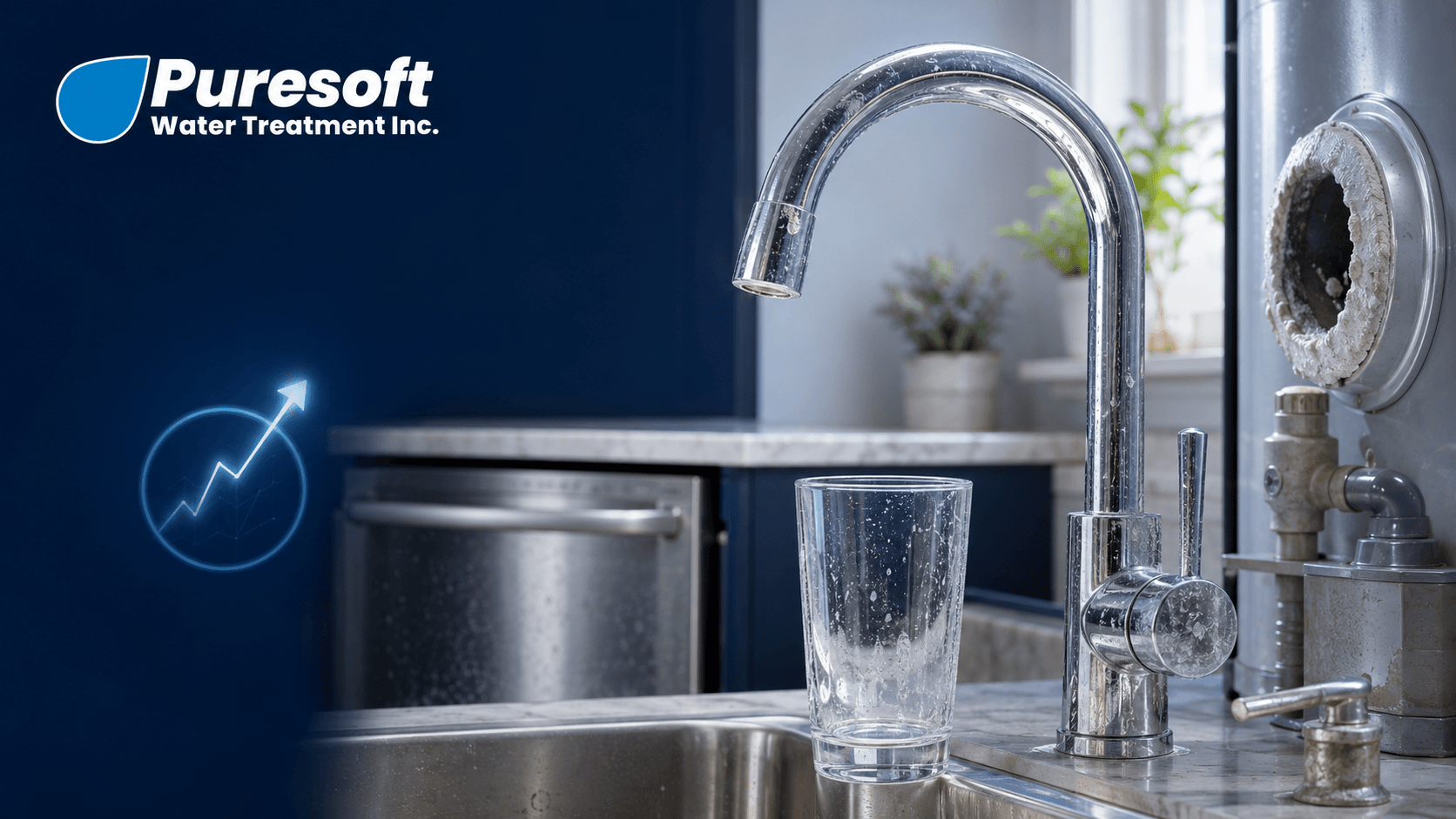
Yes. By preventing scale, you reduce energy waste in appliances and extend their lifespan — which means less manufacturing and waste over time.
How often do eco-friendly systems need maintenance?
Most require minimal upkeep. Filters may need replacement every 6–12 months, and smart systems automatically optimize regeneration.
Will an eco-friendly softener save me money?
Absolutely. You’ll spend less on salt, water, detergents, and appliance repairs. Over time, savings offset the initial investment.
Why Franklin, Indiana Homes Benefit Most
Central Indiana’s limestone aquifers naturally create very hard water, which means scale buildup happens faster and in greater amounts than in many other regions.
An eco-friendly water system offers the perfect balance — reducing hardness impact while protecting the local environment. For Franklin homeowners who value sustainability, these systems deliver comfort without compromise.
Conclusion
Eco-friendly water softening is no longer a trade-off between performance and sustainability. Modern systems offer powerful results — protecting your plumbing, appliances, and family — without wasting salt or water.
If you’re ready to upgrade to a
cleaner, greener water solution, contact
PureSoft Water Treatment in Franklin, IN. Their experts can test your water, recommend the best system, and help you enjoy pure, sustainable water for years to come.