Salt-Based or Salt-Free Softeners: Which Fits Your Budget?
September 27, 2026
Introduction
Walk into any conversation about water treatment and you will eventually hit the same fork in the road: salt-based or salt-free.
Both promise relief from hard water, but they work in fundamentally different ways, and that difference has real consequences for your budget and maintenance routine.
For homeowners in Franklin, IN trying to choose between the two, understanding the tradeoffs upfront saves both money and frustration later, since the two technologies are not simply different price points on the same solution.
Each approach comes with its own set of advantages that matter more or less depending on the specific household making the decision.
How Salt-Based Softeners Work
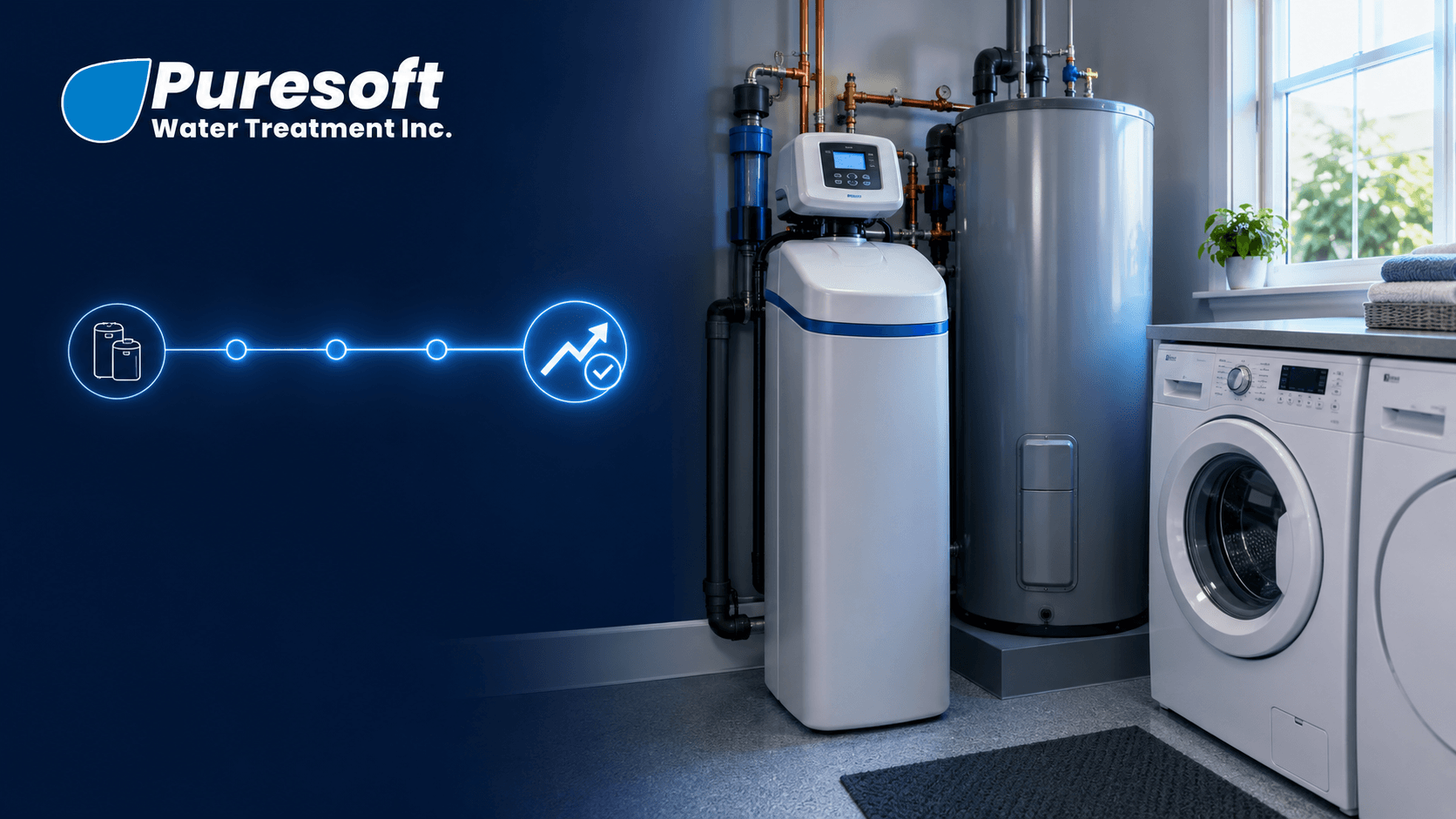
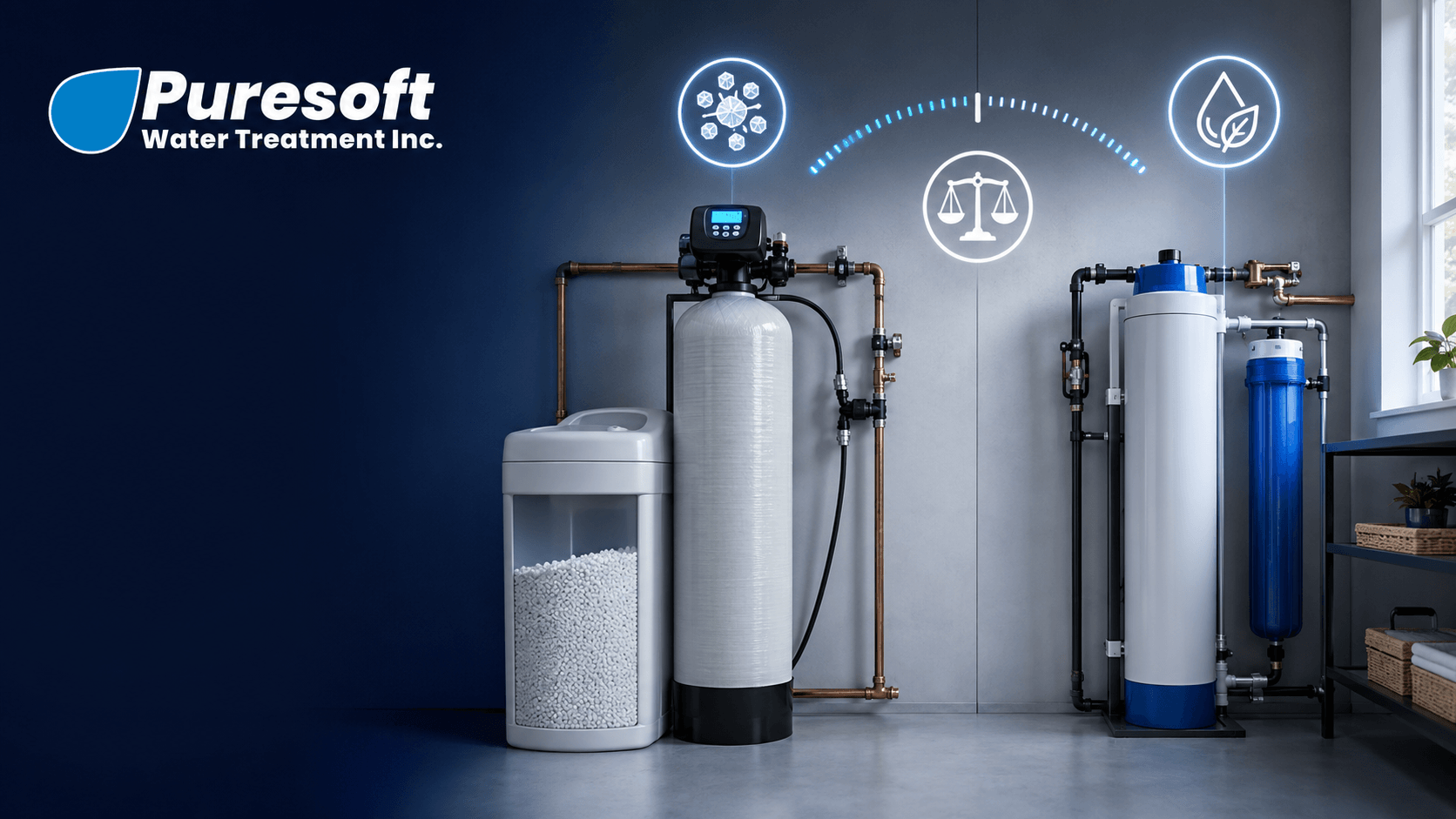
Salt-based systems use an ion exchange process, swapping calcium and magnesium ions for sodium ions as water passes through a resin bed. Periodically, the system regenerates by flushing the resin with a brine solution from the salt in the brine tank.
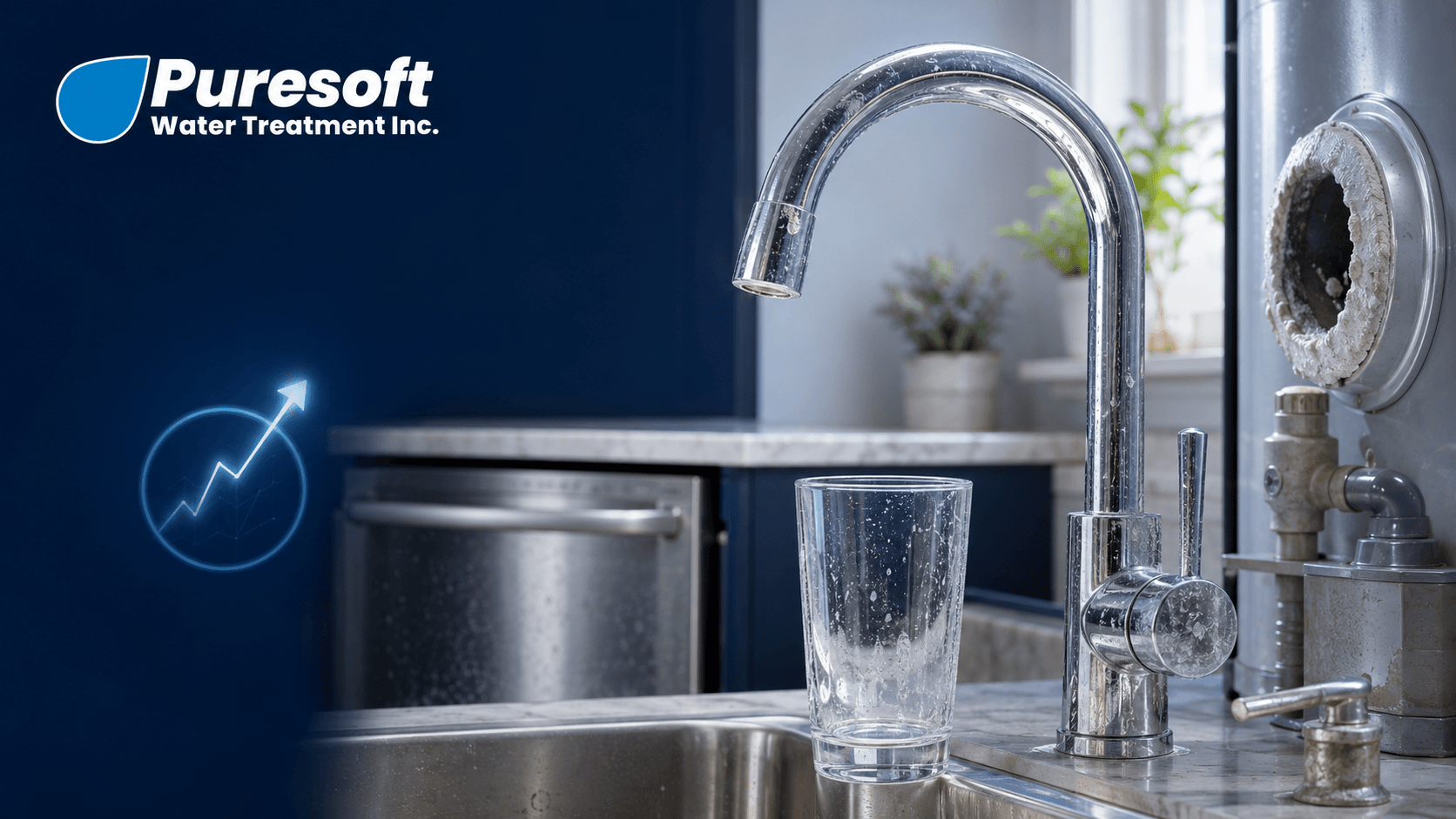
This method removes hardness minerals entirely, which is why salt-based systems remain the most effective option in areas with very hard water and the benchmark against which other technologies are compared.
Because the minerals are fully removed rather than simply altered, salt-based systems tend to deliver the most noticeable difference in soap performance and laundry softness throughout the home.
How Salt-Free Systems Work
Salt-free conditioners use a different technology, most commonly template-assisted crystallization, to change the structure of hardness minerals so they no longer stick to surfaces or form scale.
The minerals stay in the water rather than being removed, so salt-free systems skip the salt refills and drain line a salt-based system needs, but they also do not reduce total mineral content the same way.
Because no minerals are actually removed, some homeowners with very hard water in Franklin, IN find salt-free systems less noticeably effective than a full ion exchange softener.
How Ongoing Costs Compare Over Time
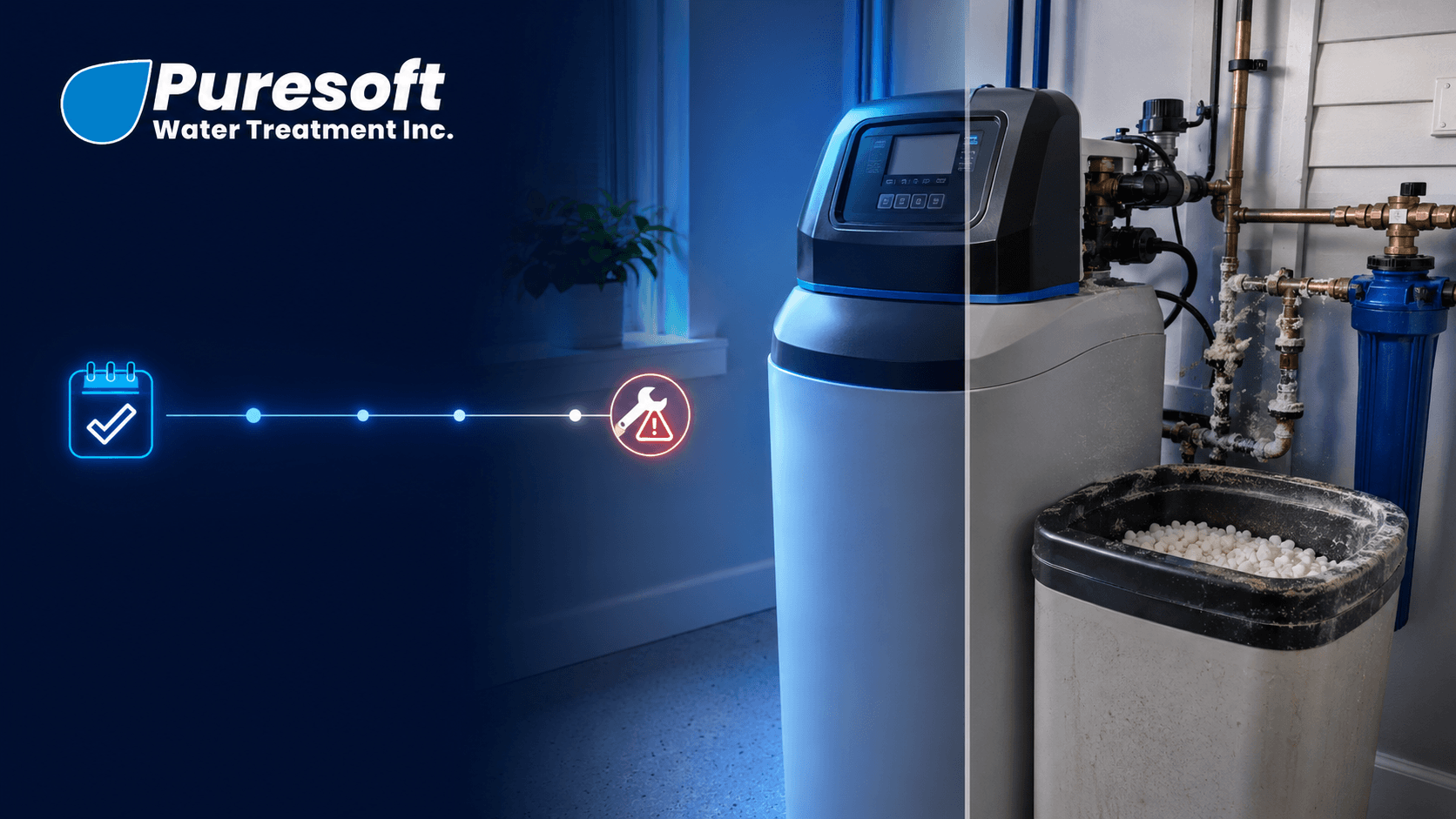
Salt-based systems carry a recurring cost in the form of salt bags, which most households buy several times a year depending on water usage and hardness level.
Salt-free systems trade that recurring salt cost for periodic cartridge or media replacement, which happens less often but can carry a higher price per replacement depending on the system.
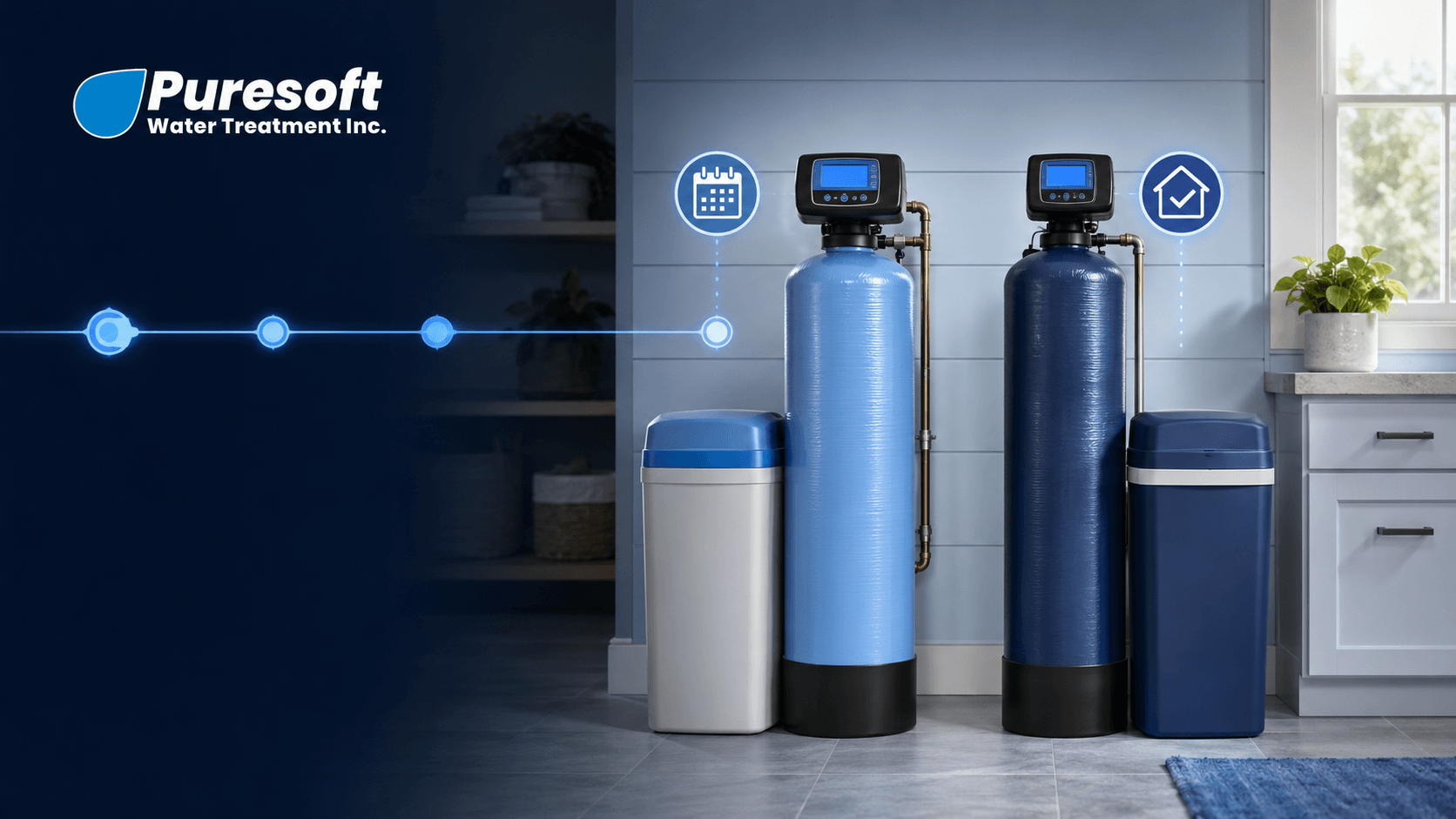
Salt-Based vs Salt-Free: Cost and Performance Comparison
The table below compares how the two approaches typically stack up on cost and performance for a household weighing both options.
| Factor | Salt-Based | Salt-Free |
|---|---|---|
| Upfront cost | Moderate | Often higher |
| Ongoing cost | Regular salt purchases | No salt, occasional cartridge replacement |
| Effectiveness on very hard water | High, removes minerals entirely | Limited, best for mild to moderate hardness |
| Water usage during regeneration | Uses some water and drains to sewer | No water used for regeneration |
| Maintenance | Periodic salt refills | Periodic cartridge or media replacement |
| Sodium in treated water | Slightly increased | Unaffected, minerals remain but do not scale |
Choosing the Right System for Your Franklin, IN Home
Given how mineral-heavy water tends to be throughout Franklin, IN, many homeowners lean toward salt-based systems for maximum effectiveness, though salt-free conditioners can still be a reasonable fit.
Households With Very Hard Water
Homes with especially high hardness levels generally get more reliable, complete results from a salt-based system.
Homes Wanting to Avoid Added Sodium
Households who want to skip sodium in their water or avoid buying salt entirely may prefer the lower-maintenance salt-free option.
Homes on a Private Septic System
Some homeowners favor salt-free conditioners specifically to avoid the brine discharge that comes with a salt-based regeneration cycle.
Budget-Conscious Buyers
It is worth weighing the higher upfront cost of many salt-free systems against the long-term convenience of never buying salt.
Homes Unsure Which Fits Best
A professional water test in Franklin, IN that measures exact hardness levels is often the fastest way to settle the decision with confidence.
Frequently Asked Questions
Do salt-free systems work well with well water?
They can, though well water often carries additional minerals like iron that salt-free conditioners are not designed to address, so testing beforehand matters.
Is salt-based water actually unsafe to drink?
For most people, the small amount of added sodium is not a health concern, though those on sodium-restricted diets may prefer a salt-free alternative or a reverse osmosis filter.
Can I combine a salt-free conditioner with a separate filter?
Yes. Many homeowners pair a salt-free conditioner with a separate filtration system to address both scale prevention and contaminants like chlorine at the same time.
Do salt-free systems require electricity to run?
Most do not, since they rely on physical media rather than an electronic regeneration cycle, which can simplify installation for some homes.
Which option is better for homes on a sodium-restricted diet?
A salt-free conditioner or a salt-based system paired with a reverse osmosis drinking water filter are both common solutions for managing sodium intake.
Conclusion
Salt-based and salt-free systems both solve hard water problems, just through very different methods with different cost structures. The right choice depends on your water hardness, your household priorities, and how you want to handle ongoing maintenance. PureSoft Water Treatment Inc can test your water and walk you through both options so you choose the system that actually fits your home and your budget. Contact us today to schedule your free water test and consultation.