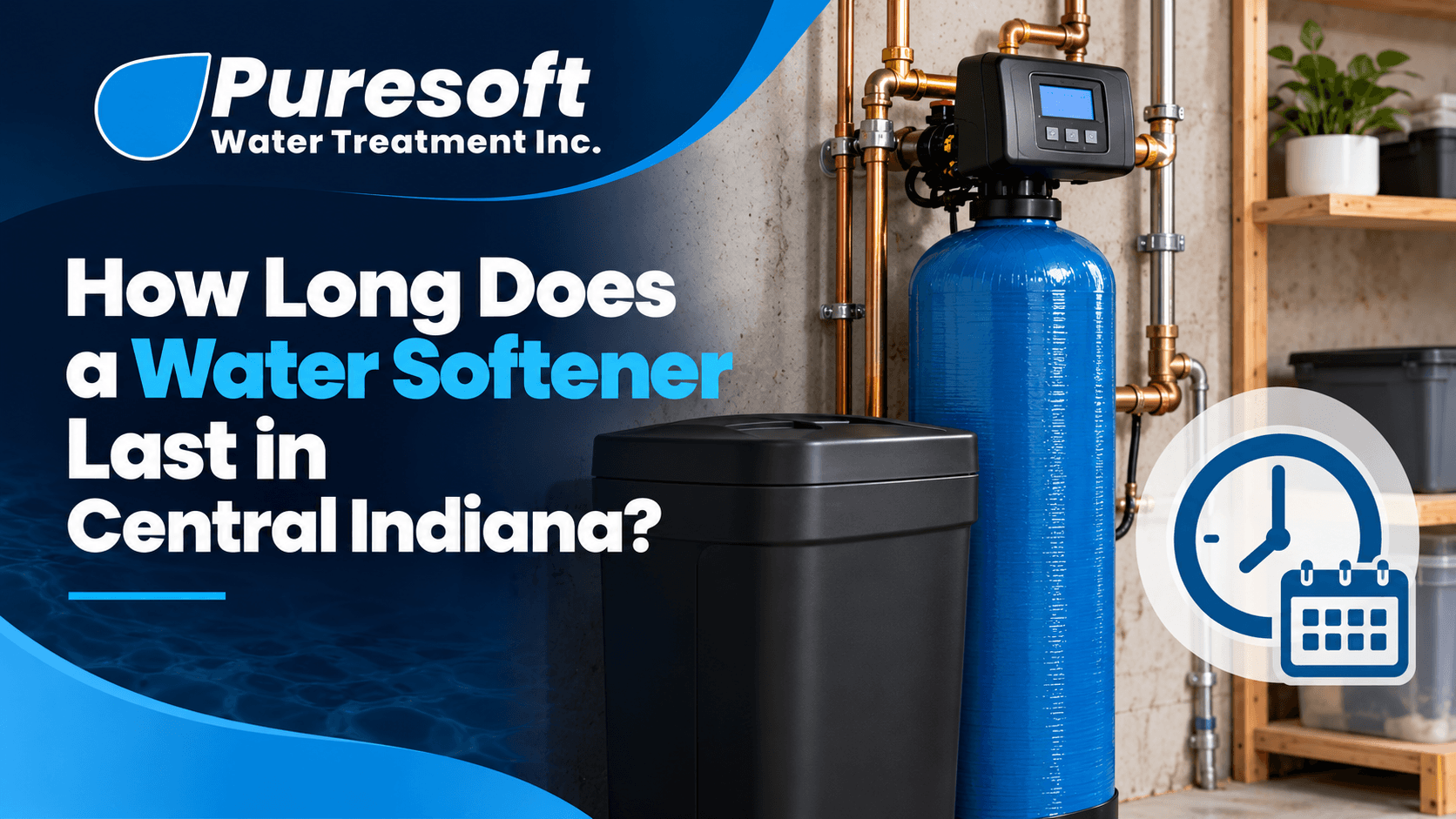
A water softener is one of the hardest-working systems in your home, even if you rarely think about it. Day after day, it pulls hardness minerals out of your water and periodically cleans itself so it can keep going. Sooner or later, though, every homeowner starts to wonder how many good years their system has left.
For families in Carmel, Indiana and throughout Central Indiana, a well-maintained water softener commonly lasts 10 to 15 years, and a quality system that is cared for properly can last even longer. Where your softener lands in that range depends on the equipment, your water, and how the system has been maintained. Understanding those factors helps you get the most out of your investment and plan ahead for repairs or replacement.
How Long Does a Water Softener Typically Last?
Quick Answer
A water softener typically lasts 10 to 15 years in Central Indiana, and a quality system with regular maintenance can last longer. The resin bed and control valve usually wear out first. Very hard water, chlorine, iron, and incorrect settings shorten a softener's lifespan, while proper programming and routine service extend it.
It helps to think of a water softener as a group of components rather than a single machine. Each part wears at its own pace, and some can be serviced or replaced without replacing the whole system. That is why two softeners installed in Carmel, Indiana in the same year can have very different lifespans.
If you want a refresher on the basics, read how water softeners work. The heart of the system is the resin bed, made up of thousands of tiny beads inside the mineral tank. These beads capture calcium and magnesium as water flows through. During regeneration, salty brine rinses the beads clean so they can keep working. Over many years and thousands of cycles, the resin gradually loses its capacity to hold minerals.
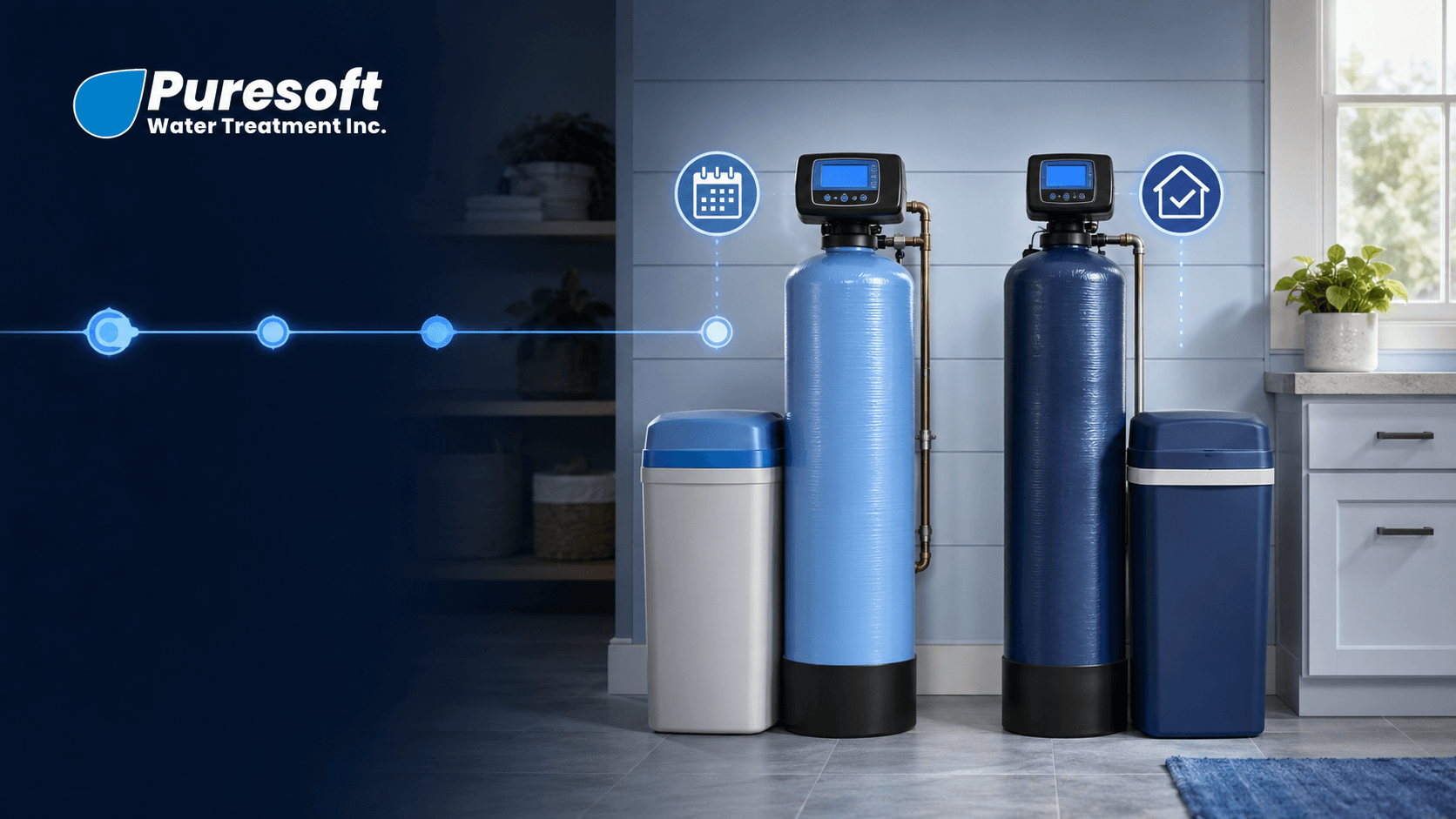
The control valve is the brain of the softener. It tracks water use, decides when to regenerate, and directs water through each stage of the cleaning cycle. Its seals, pistons, and electronics experience wear over time, especially in homes where the system regenerates often. The tanks themselves are usually the most durable parts of the system. Here is how the major components typically compare:
| Component | Typical Lifespan | What Wears It Out |
|---|---|---|
| Resin bed | 10 to 15 years | Chlorine, iron, sediment, and frequent regeneration |
| Control valve | 10 years or more | Worn seals and pistons, electronic failure |
| Mineral tank | Often outlasts other parts | Physical damage or freezing |
| Brine tank | Long-lasting | Float, valve, or overflow problems |
What Shortens a Water Softener's Lifespan?
Some softeners wear out early, not because of poor equipment but because of the conditions they work in. The most common factors that shorten a system's life include:
- Very hard water: The harder the water, the more often the softener regenerates, which adds wear to both the resin and the valve.
- Chlorine in municipal water: Chlorine slowly breaks down resin beads, causing them to swell and lose capacity over time.
- Iron and manganese: These metals can coat the resin and reduce its ability to capture hardness minerals, as explained in our guide to iron in Indiana well water.
- Sediment: Sand, silt, and debris can clog the resin bed and damage valve parts.
- Low-quality salt: Salt with high levels of impurities can leave residue in the brine tank and valve.
- Incorrect settings: A system programmed for the wrong hardness level may regenerate far more often than necessary.
- Freezing temperatures: Softeners installed in unheated spaces can crack or suffer valve damage during cold snaps.
How Does Water in Carmel, Indiana Affect Your Softener?
Central Indiana sits on limestone-rich geology, which is a major reason hard water is so common across the region. As groundwater moves through that rock, it picks up calcium and magnesium. Many homes in Carmel, Indiana receive water hard enough that a softener runs regular regeneration cycles throughout the year.
That steady workload is exactly what a softener is designed for, but it means the system's settings matter. A softener programmed to match your actual hardness regenerates only as often as needed, which conserves salt and reduces wear. One programmed too aggressively runs extra cycles every month, and those extra cycles add up over a decade.
Many homes in the area are also served by municipal water, which is disinfected to keep it safe as it travels through the distribution system. That disinfection is important for public health, but the residual chlorine gradually affects softener resin. Homeowners on city water should expect resin to be the component most likely to need attention as a system ages. In some cases, adding carbon filtration ahead of the softener can help protect the resin from chlorine exposure.
What Are the Signs a Water Softener Is Wearing Out?
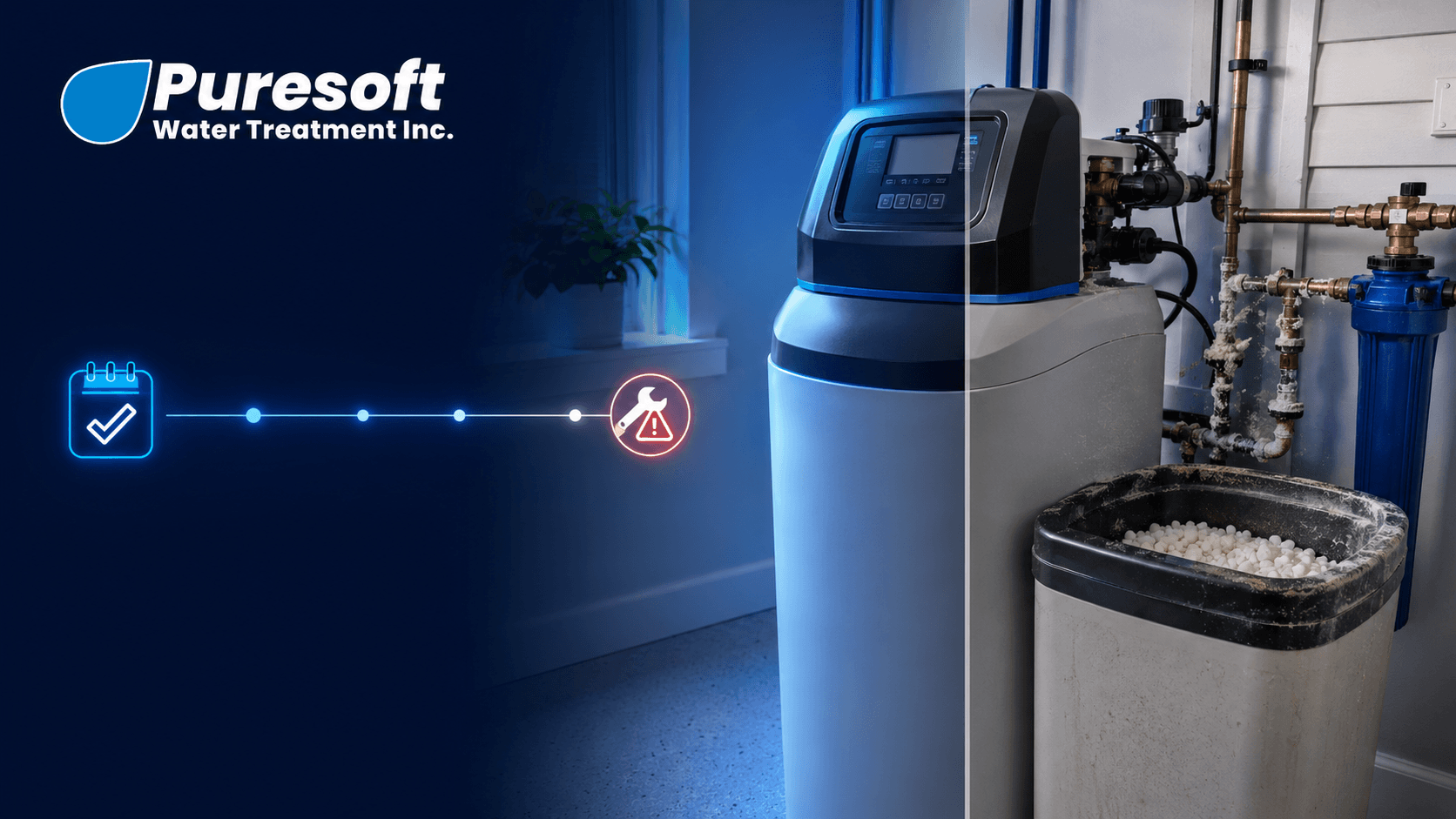
Softeners rarely fail all at once. Instead, performance slips gradually, and the signs are easy to miss when you see your home every day. Homeowners in Carmel, Indiana should watch for these common indicators that a system may be nearing the end of its useful life:
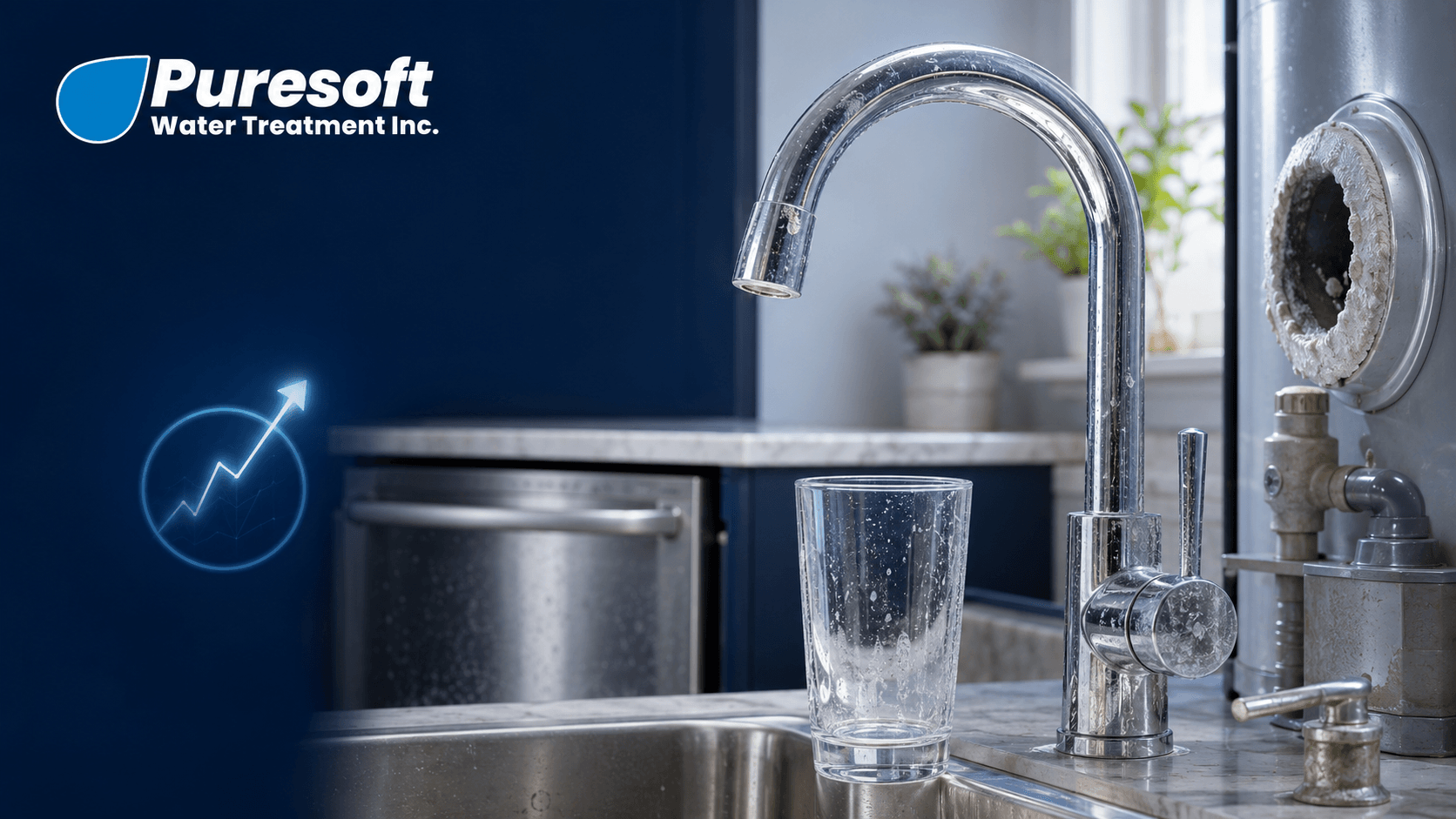
- Spots and scale returning: White residue on dishes, faucets, and shower glass is often the first visible sign that water is no longer being fully softened.
- Less lather: If soap and shampoo stop lathering the way they used to, hardness may be slipping through.
- Salt level not changing: A brine tank that stays full for weeks may mean the system is no longer regenerating.
- Water standing in the brine tank: Excess water can signal a problem with the valve, float, or drain line.
- Error codes or unusual noises: Grinding, clicking, or repeated error messages can point to control valve wear.
- Repeated service calls: If repairs are becoming a regular event, the system may be costing more to keep running than it is worth.
How Can You Make a Water Softener Last Longer?
Good maintenance can add years to a water softener's life, and most of it takes only a few minutes. For homeowners in Carmel, Indiana, these habits make the biggest difference:
- Keep the salt topped off: Check the brine tank monthly and keep the salt level a few inches above the water line.
- Use clean, high-purity salt: Pellets or crystals made for water softeners leave less residue than lower-grade options.
- Watch for hardened salt crusts: A solid layer of salt in the brine tank can stop the system from making brine.
- Review the settings after changes: If your household grows or your water changes, have the hardness and capacity settings checked.
- Schedule periodic service: A professional check of the valve, seals, and resin can catch small problems before they become major repairs.
- Clean the brine tank occasionally: Removing sludge and residue every so often keeps brine production consistent.
Frequently Asked Questions About Water Softener Lifespan
Can the resin be replaced without buying a new softener?
Yes. In many cases, a technician can remove the old resin and refill the mineral tank with new resin, restoring much of the system's softening capacity. Whether this makes sense depends on the age and condition of the control valve, since putting new resin in a system with a failing valve may only delay a full replacement.
How can I tell how old my water softener is?
Start by looking for a label or serial number on the control valve or mineral tank. Manufacturers often encode the manufacturing date in the serial number, and a dealer can usually decode it. Installation paperwork, a home inspection report, or the previous owner's records may also show when the system was installed.
Does a longer warranty mean the softener will last longer?
Not necessarily. A long warranty can signal that a manufacturer has confidence in its components, but it is not a guarantee of lifespan. Read what the warranty actually covers. Tank warranties are often longer than valve or electronics warranties, and labor may be covered separately or not at all.
Is it worth upgrading an older softener that still works?
It can be. Newer softeners often use water and salt more efficiently than older models, especially older timer-based systems that regenerate on a fixed schedule whether they need to or not. If your system is well past the ten-year mark, upgrading on your own timeline is usually easier than replacing it after a sudden failure.
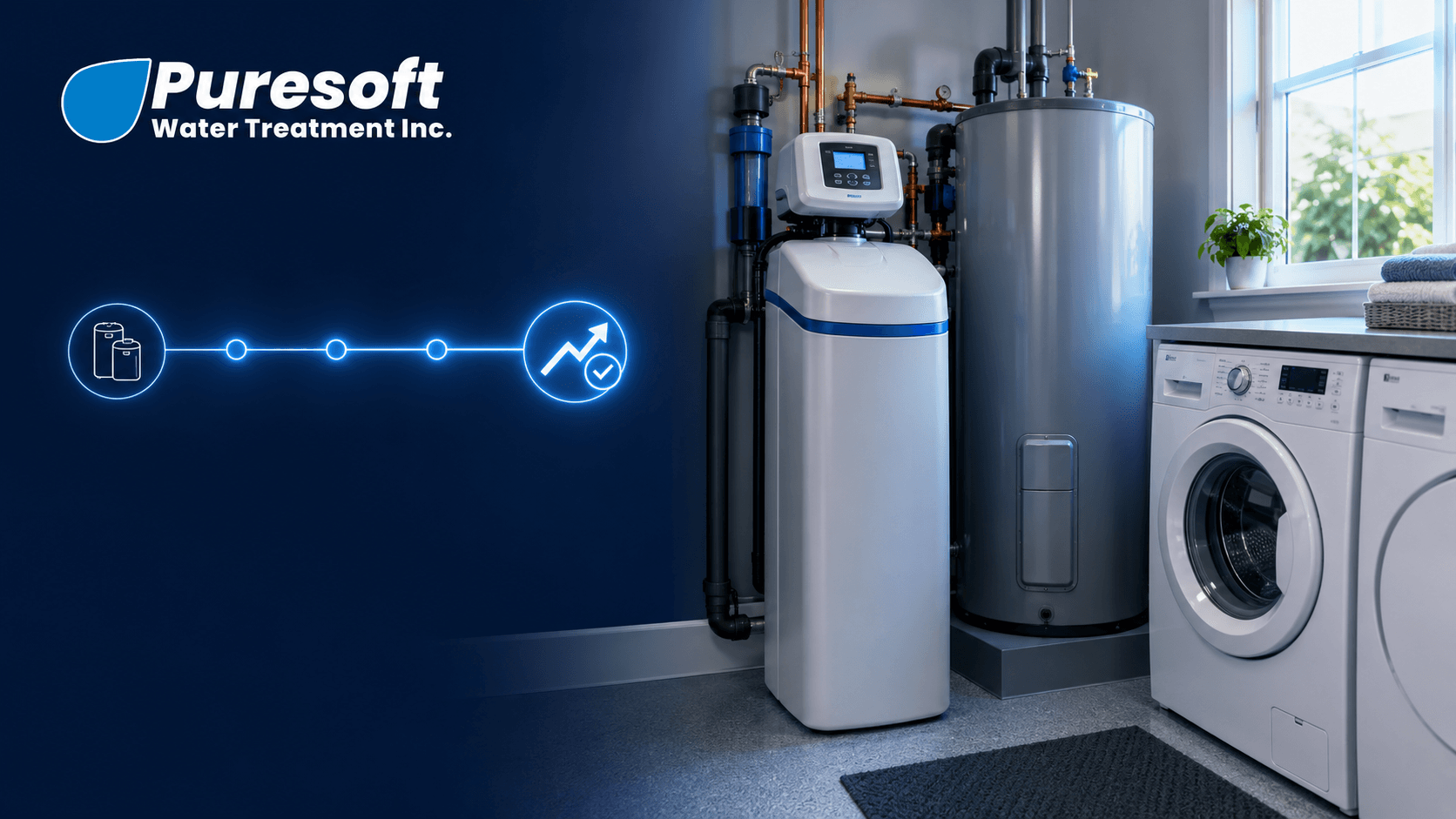
Should I replace my softener when I replace my water heater?
Not necessarily, but it is a good time to have the softener checked. A new water heater is a significant investment, and a softener that is no longer working well will let scale build up inside it. Making sure the softener is in good shape protects the new heater from day one.
Conclusion
Most water softeners last 10 to 15 years, with the resin bed and control valve being the components most likely to need attention. Very hard water, chlorine, iron, and incorrect settings can shorten that lifespan, while consistent maintenance and proper programming help a system go the distance.
If your softener is showing signs of age or you are not sure how much life it has left, Puresoft Water Treatment can take a look. Our team services and installs water softeners throughout Central Indiana and can help you decide whether a repair or a new system makes the most sense for your home.
Contact Puresoft Water Treatment