The Risks of Iron in Well Water and How to Treat It in Indiana
January 11, 2026
Introduction
If your well water leaves orange stains on sinks, smells metallic, or even tastes a bit rusty, iron is likely the culprit. Many homeowners across Indiana face this exact issue — it’s common in private wells due to the state’s natural soil and groundwater conditions.
While small amounts of iron may seem harmless, excessive levels can affect water quality, plumbing, and even your health. Over time, untreated iron can damage fixtures, discolor laundry, clog pipes, and create an unpleasant metallic taste.
In this guide, we’ll explore the real risks of iron in well water, how it gets there, and the best treatment options for Indiana homes. By the end, you’ll know exactly what steps to take to restore clean, clear, and odor-free water.
Understanding Iron in Well Water
Iron is a naturally occurring element found in soil and rock. As groundwater moves through these materials, it can dissolve iron minerals, carrying them into your well.
There are three main forms of iron commonly found in well water:
- Ferrous Iron (Clear-Water Iron): Dissolved in water and invisible when drawn from the tap. It oxidizes and turns reddish-brown when exposed to air.
- Ferric Iron (Red-Water Iron): Already oxidized and visible as rusty particles or orange tint. It can settle in pipes and appliances.
- Bacterial Iron: Caused by iron bacteria that combine iron and oxygen, forming slimy reddish deposits. It’s not harmful to health but can cause serious maintenance problems.
Each form requires a different treatment method, which is why identifying the exact type present in your well is essential before selecting a filtration system.
Why Iron in Well Water Is a Problem
Even though iron is not typically a direct health threat, high levels can create multiple issues for your home and daily life. Here’s what homeowners in Indiana should watch for.
1. Stains and Discoloration
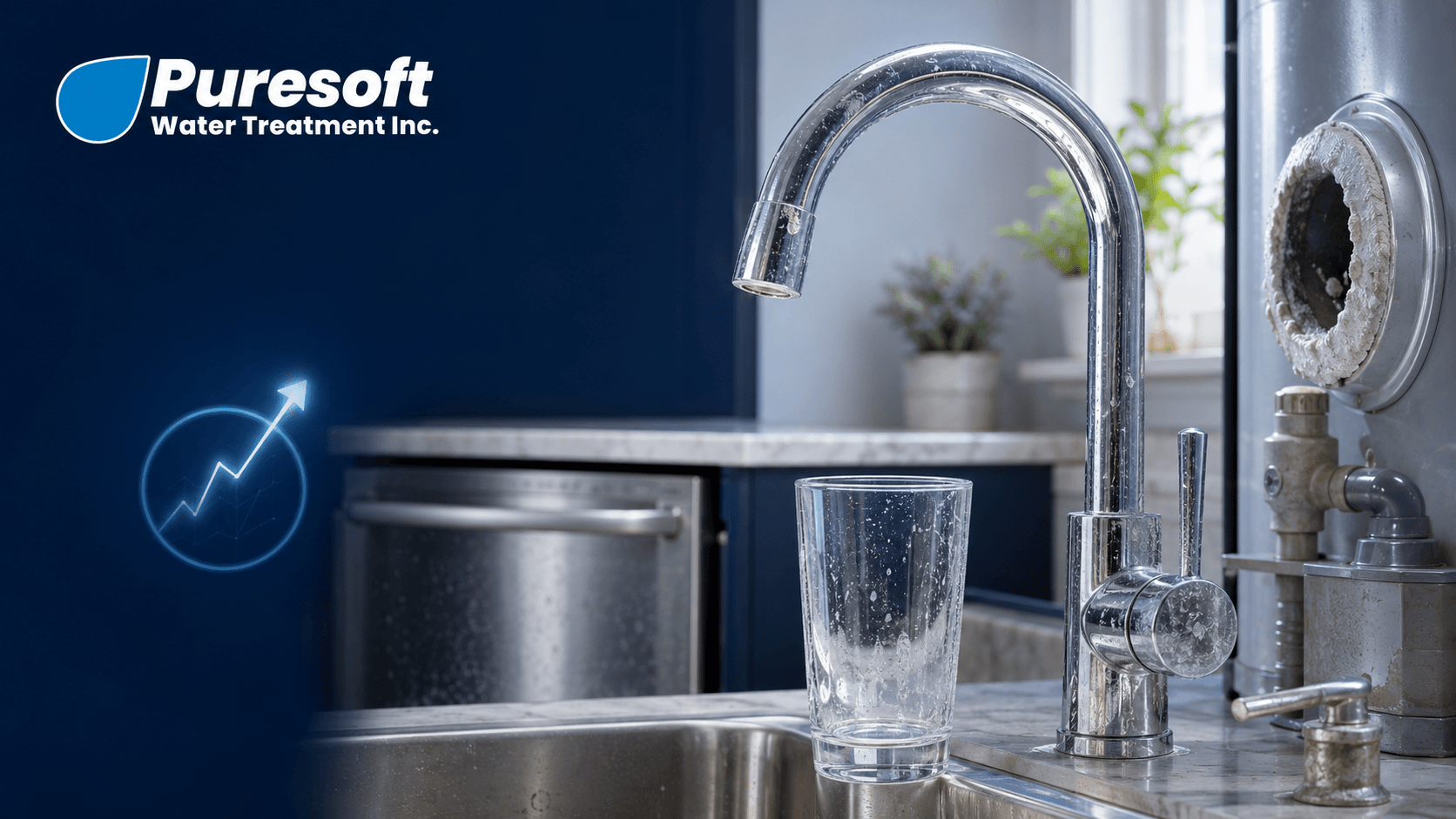
Iron leaves stubborn reddish-brown or orange stains on sinks, tubs, toilets, and laundry. These stains are difficult to remove and can make clean fixtures look dirty or aged.
2. Metallic Taste and Odor
Water with iron often tastes metallic, bitter, or “rusty.” This can ruin the flavor of beverages like coffee and tea, and even make cooking unpleasant.
3. Clogged Plumbing and Appliances
Over time, iron particles accumulate inside pipes, water heaters, and appliances. This buildup reduces water pressure and efficiency, leading to costly repairs or replacements.
4. Impact on Skin and Hair
Bathing or showering in iron-heavy water can leave a residue that dries out skin and dulls hair. It can also interfere with soaps and shampoos, making it harder to lather or rinse cleanly.
5. Bacterial Growth
Iron bacteria create slimy deposits that clog pipes and produce foul smells. They thrive in iron-rich environments, so untreated wells can become breeding grounds.
6. Reduced Appliance Lifespan
Water heaters, dishwashers, and washing machines work harder when iron buildup occurs. This not only increases energy consumption but also shortens equipment life.
Causes of Iron in Indiana Well Water
Indiana’s groundwater naturally contains minerals like iron, manganese, and calcium. Several local factors contribute to elevated iron levels:
- Geology: Iron-rich sandstone and limestone formations are common in Indiana, especially in rural areas with private wells.
- pH Levels: Slightly acidic groundwater dissolves iron more easily, increasing its concentration.
- Corrosion: Older iron or steel well casings and plumbing components can corrode, leaching iron into the water.
- Well Depth and Age: Deeper or older wells may have different water chemistry that increases iron solubility.
Because of these regional characteristics, testing your water regularly is the only way to know the true source and concentration of iron in your well.
How to Treat Iron in Well Water
Treating iron isn’t a one-size-fits-all solution. The best system depends on the type of iron, the concentration level, and whether other contaminants are present. Below is a practical, step-by-step approach for Indiana homeowners.
Step 1: Test Your Water
Start by conducting a professional water test to identify the form and amount of iron in your water. A complete test also checks for hardness, pH, manganese, and bacteria — all of which influence treatment choices.
Step 2: Identify the Iron Type
Knowing whether your issue is ferrous, ferric, or bacterial iron determines which treatment method will actually work.
- Ferrous (Dissolved) Iron: Typically treated through oxidation and filtration or water softeners (if levels are low).
- Ferric (Particulate) Iron: Removed using mechanical filtration systems.
- Bacterial Iron: Requires chemical treatment or chlorination followed by filtration.
Step 3: Choose the Right Treatment System
Here are the most effective methods to remove iron from well water:
- Oxidation and Filtration Systems: Use air, chlorine, or ozone to oxidize dissolved iron into solid form, then filter it out. Ideal for moderate to high iron levels.
- Water Softeners: Effective for small amounts of dissolved ferrous iron (usually below 3 ppm). They also reduce hardness, improving overall water quality.
- Iron-Specific Filters: Media filters designed for iron removal (like manganese greensand or catalytic carbon) are reliable for many well systems.
- Chemical Feed Systems: Add oxidizing agents (like hydrogen peroxide or chlorine) to neutralize iron and bacteria before filtration.
- Shock Chlorination: Used occasionally to disinfect wells affected by iron bacteria or odor problems.
Step 4: Maintain and Monitor Regularly
Even the best filtration systems need maintenance. Schedule periodic testing and replace filter media as recommended. Cleaning or recharging filters ensures consistent performance and prevents re-buildup.
Step 5: Work with a Local Expert
Indiana’s water chemistry varies from county to county. Partnering with a local water treatment professional ensures that your system is tailored to your specific well and installed for optimal performance.
Frequently Asked Questions
Is iron in well water dangerous to drink?
Generally, iron is not considered toxic, but high concentrations can affect taste, cause staining, and encourage bacterial growth.
How do I know if my well water has too much iron?
Common signs include reddish stains, metallic taste, slimy deposits, and cloudy water. A water test confirms the exact amount and type of iron.
Can a water softener remove iron?
Yes, but only in small amounts of dissolved iron. Higher concentrations or oxidized iron require a dedicated iron filter or oxidation system.
Does boiling water remove iron?
No. Boiling only evaporates water, concentrating iron even more. Proper filtration or oxidation is required.
How often should I test my well water in Indiana?
At least once a year, or anytime you notice changes in taste, color, or odor. Frequent testing ensures your treatment system remains effective.
Conclusion
Iron in well water is one of the most common and frustrating problems for Indiana homeowners. Though not immediately harmful, it can quickly lead to staining, clogs, odor, and costly damage to plumbing and appliances.
By identifying the type of iron in your water, choosing the right treatment method, and maintaining your system regularly, you can enjoy clean, clear, and great-tasting water throughout your home.
For homeowners in Indiana, working with an experienced water treatment provider is the surest way to find a long-term solution that’s effective and worry-free.