What to Know About Fluoride, Chlorine & Other Additives in Plainfield Tap Water
December 28, 2025
Introduction
When you pour a glass of water from the tap in Plainfield, Indiana, it may look clear and taste fine—but there’s more in it than meets the eye. Like most municipal systems, Plainfield’s water supply contains additives such as fluoride and chlorine. These additives serve important public health purposes, but they also raise questions for homeowners who want to understand exactly what’s in their drinking water.
This article breaks down what these additives are, why they’re used, and what options exist if you want to reduce or remove them at home.
Understanding Tap Water Additives
Municipal water systems use a combination of additives to ensure safe delivery to homes. While generally regulated and safe, these additives can affect taste, odor, and household use.
Fluoride
- Purpose: Added to promote dental health by strengthening tooth enamel.
- Benefits: Reduces cavities, especially in children.
- Concerns: Some residents prefer to limit fluoride intake, citing potential overexposure through multiple sources.
Chlorine
- Purpose: Acts as a disinfectant to kill bacteria, viruses, and parasites in water.
- Benefits: Keeps water safe during transport through pipes.
- Concerns: Can cause a bleach-like taste or odor, and may dry out skin or hair.
Chloramines
- Purpose: A combination of chlorine and ammonia, sometimes used as a longer-lasting disinfectant.
- Benefits: More stable than chlorine alone.
- Concerns: Can be difficult to remove and may contribute to plumbing issues in certain systems.
Other additives or naturally occurring elements
- Iron and manganese: Often naturally present in Indiana water supplies, leading to staining and taste issues.
- Sediment and minerals: May appear due to local groundwater conditions or pipe corrosion.
How Additives Affect Plainfield Homes
While additives keep water safe, they can create challenges for everyday household use.
- Taste and odor issues: Chlorine can give water a chemical taste, while iron can create a metallic flavor.
- Skin and hair dryness: Chlorine strips natural oils, leading to irritation for some people.
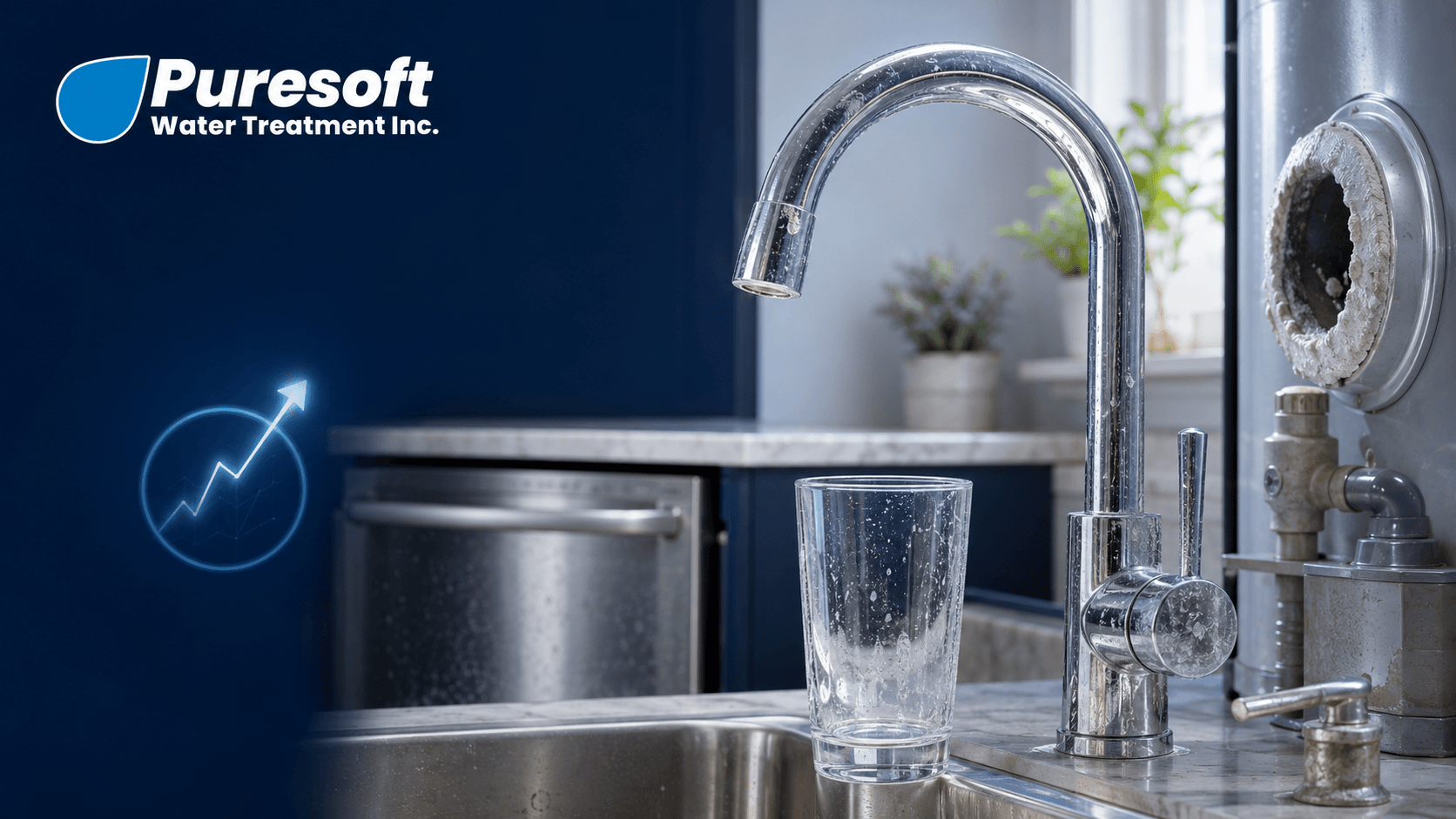
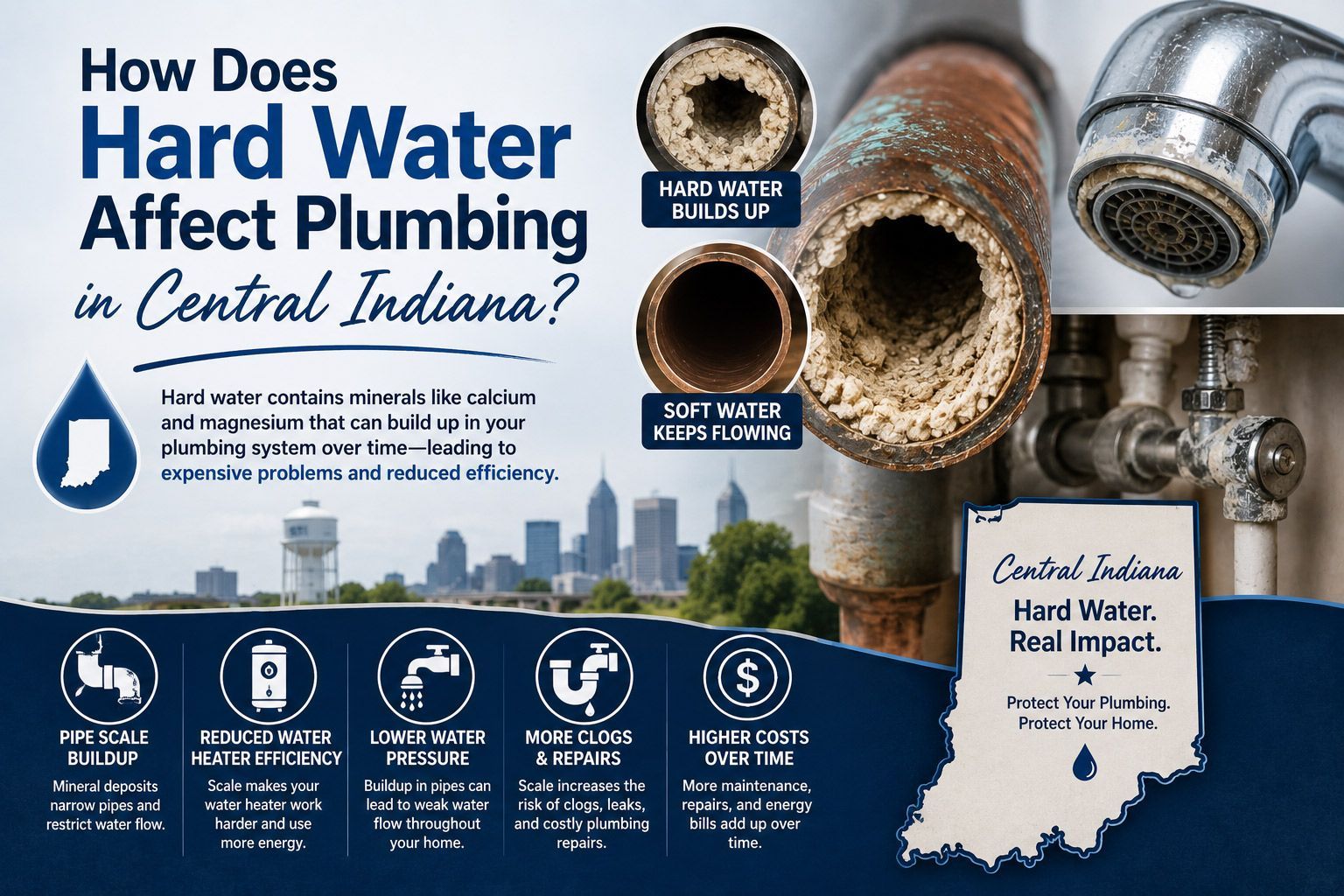
- Staining and buildup: Iron and manganese cause red or black stains on fixtures and laundry.
- Appliance wear: Minerals and chemical interactions can shorten the life of dishwashers, washing machines, and water heaters.
For Plainfield residents, the question isn’t just about safety—it’s also about comfort, convenience, and long-term home maintenance.
What You Can Do About Additives in Your Water
Plainfield homeowners who want greater control over their water quality can take practical steps to reduce or eliminate unwanted additives.
Step 1: Test your water
Start with a professional water test. This provides a full picture of chlorine, fluoride, iron, hardness, and other key factors.
Step 2: Decide on your goals
- If your priority is taste, focus on chlorine and sediment reduction.
- If you’re concerned about overall health, consider filtration systems that address fluoride or chloramines.
- If you want appliance protection, look at whole-house solutions.
Step 3: Choose the right treatment
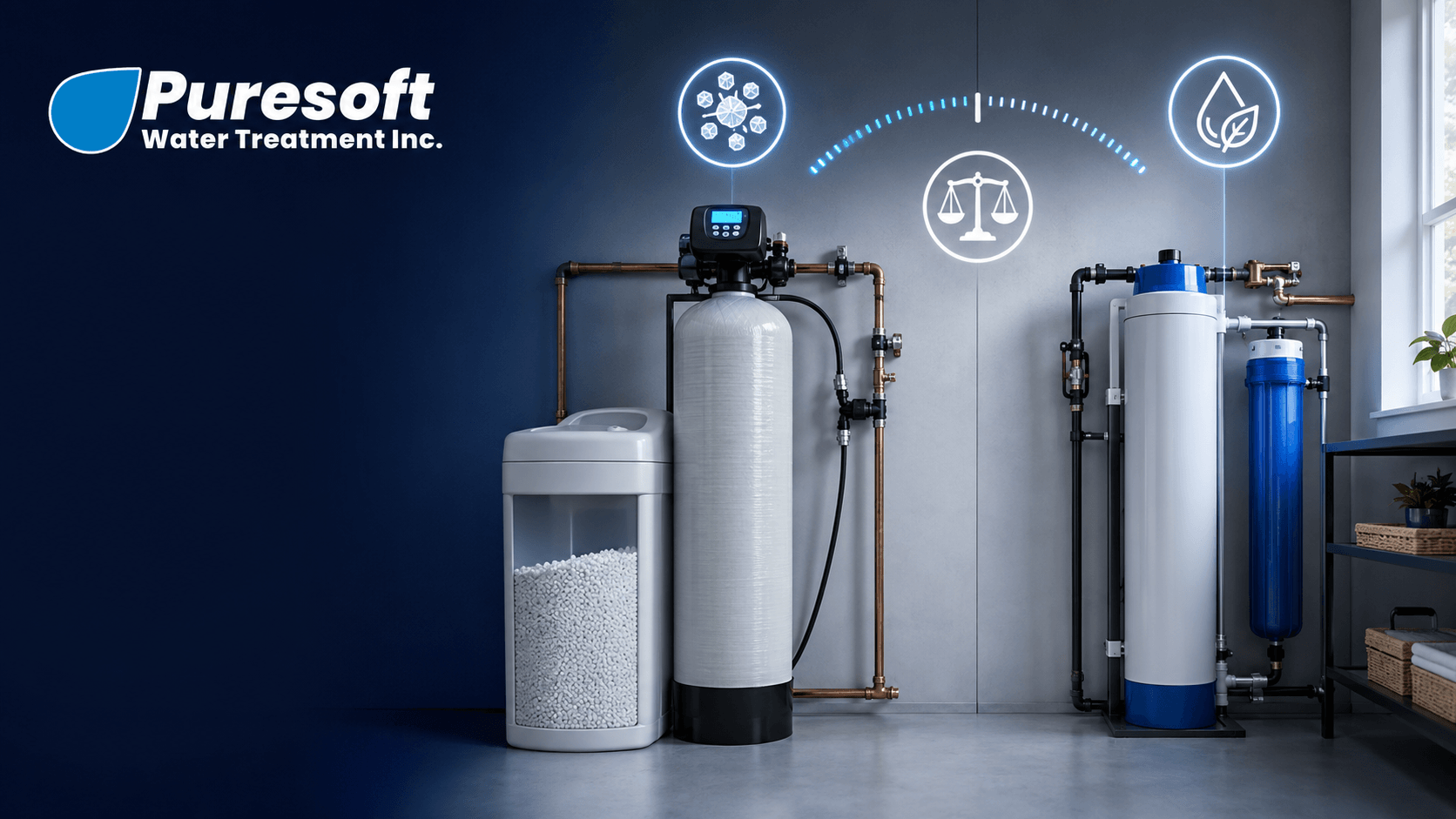
- Carbon filters: Effective for chlorine, chloramines, and improving taste.
- Reverse osmosis systems: Excellent for fluoride and other dissolved contaminants, often used at the kitchen sink.
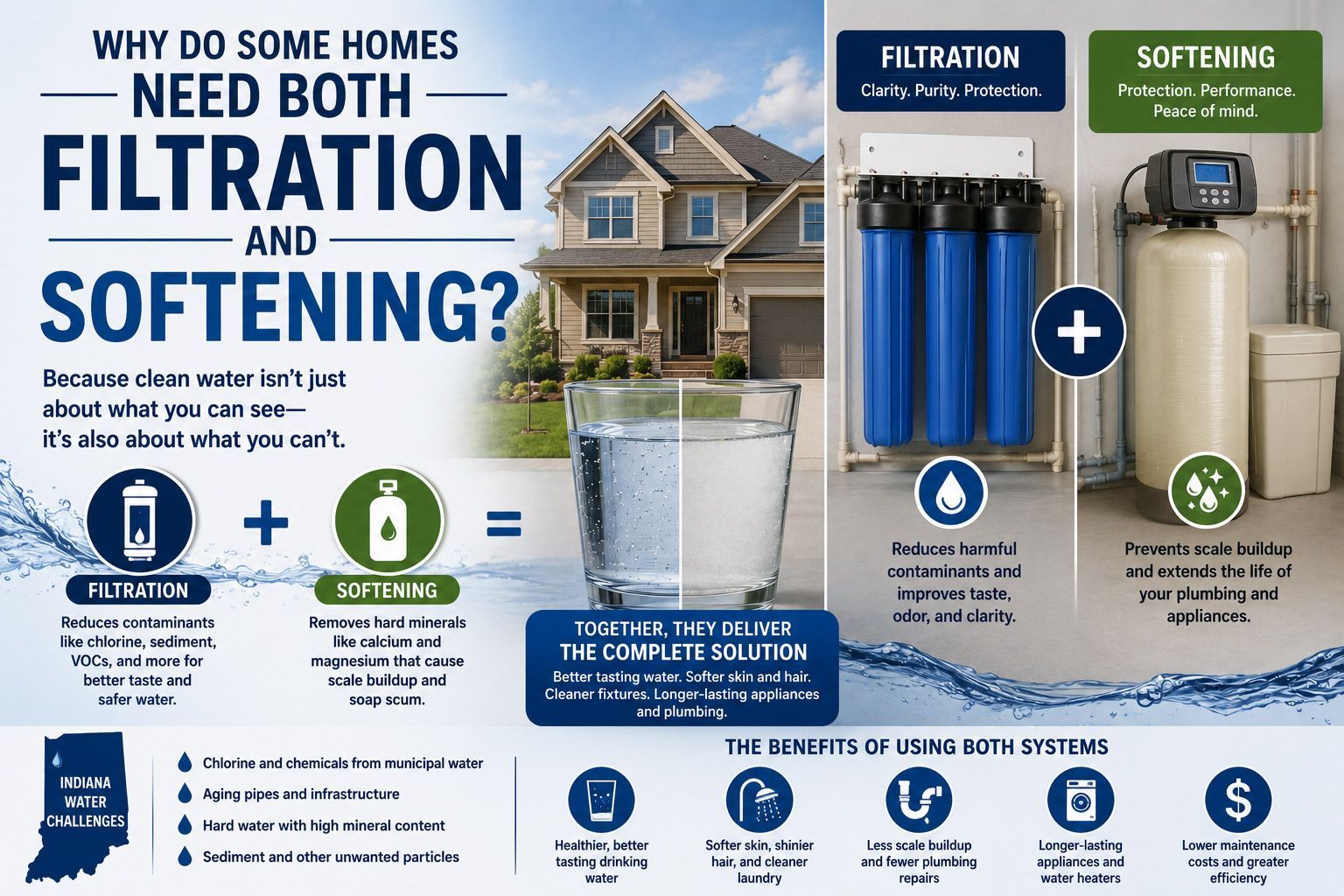
- Whole-house filtration: Provides protection for every faucet, appliance, and shower.
- Water softeners: Address hardness and reduce scale buildup from minerals.
Step 4: Maintain your system
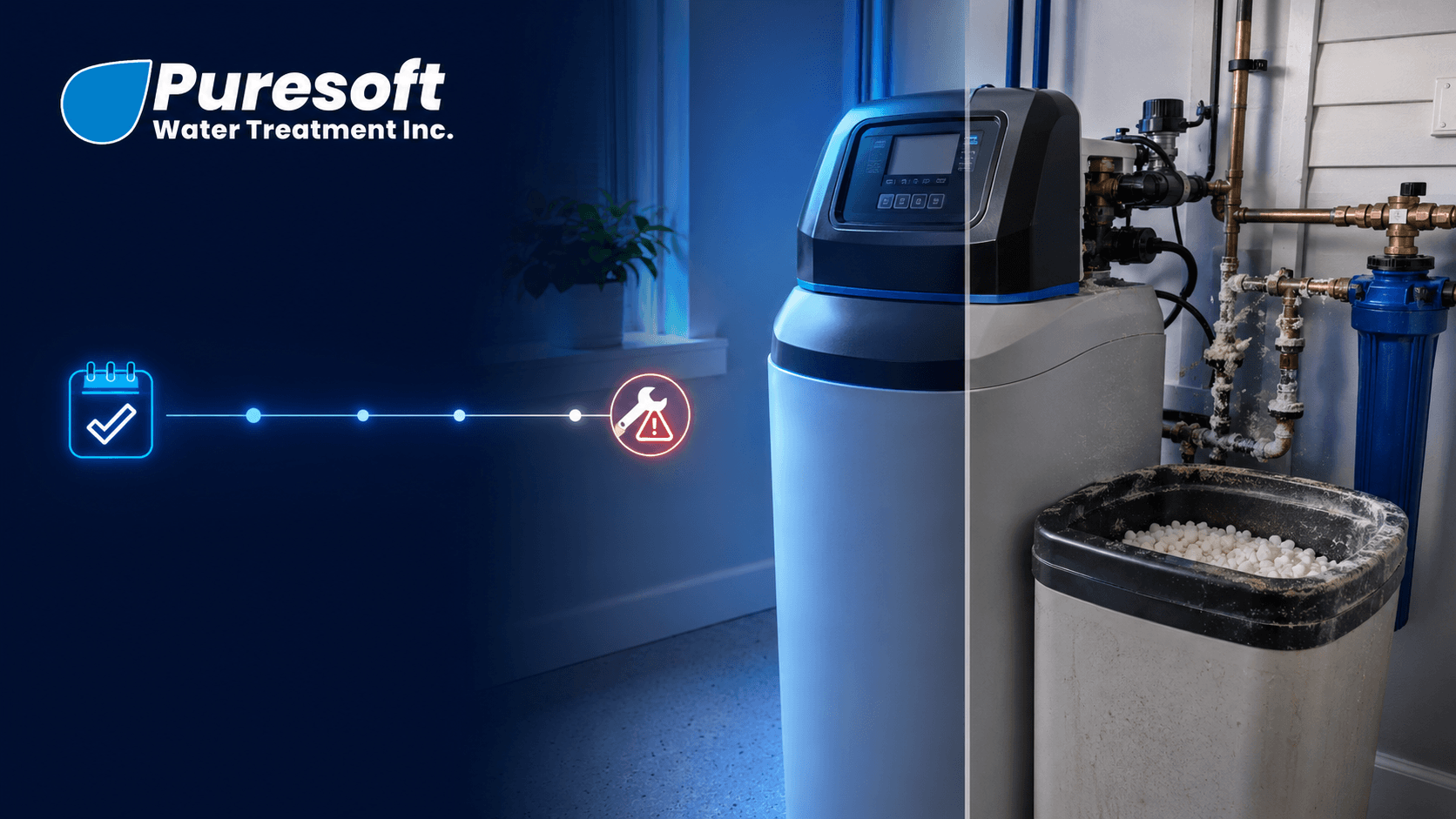
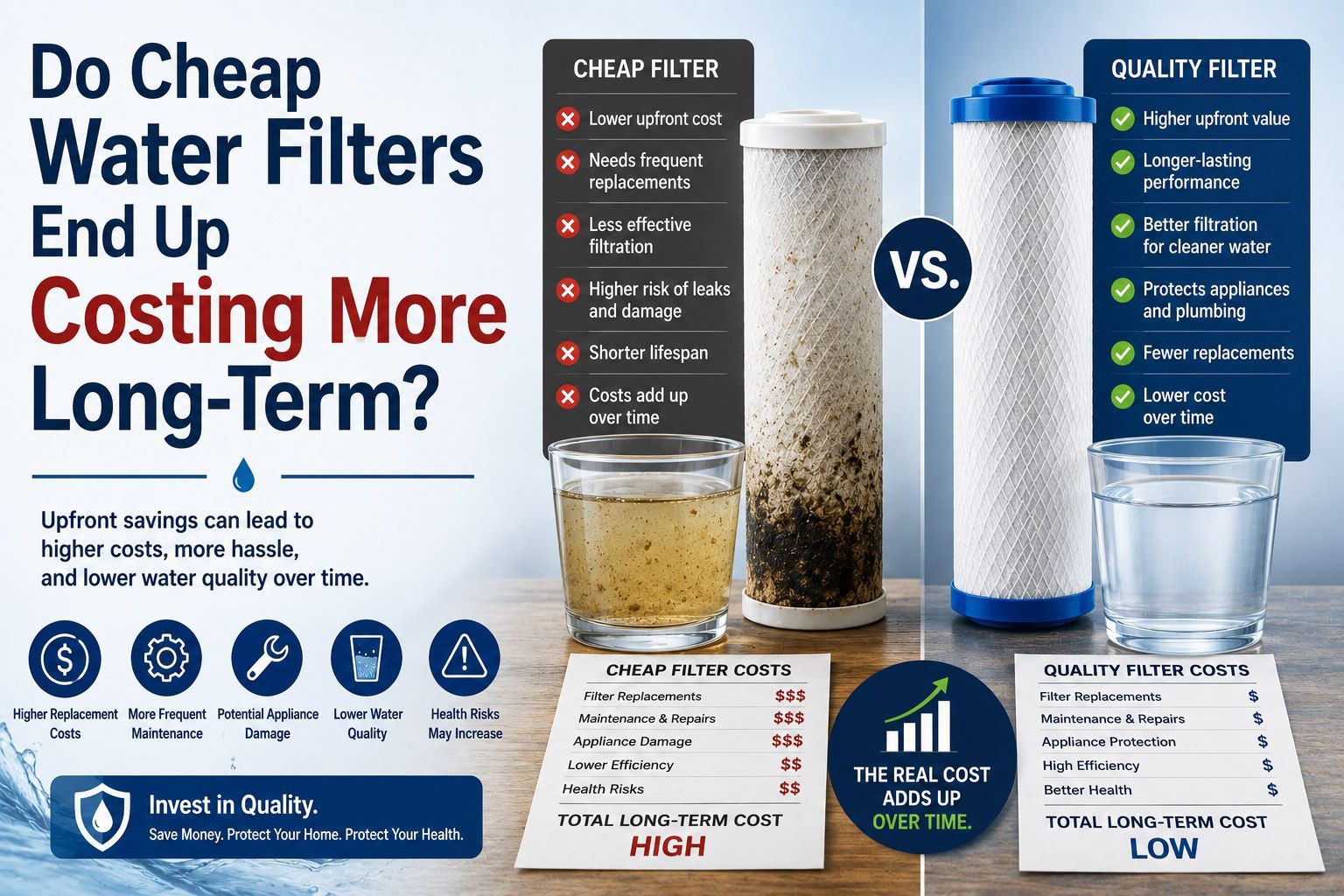
No matter which system you choose, filters need to be replaced and equipment serviced regularly to keep water quality consistent.
FAQs About Fluoride, Chlorine, and Tap Water Additives
Is fluoride in Plainfield water safe?
Yes. Fluoride is added at levels regulated by the EPA and health authorities. However, some families choose additional filtration for personal preference.
Why does my water sometimes smell like bleach?
That smell is usually chlorine, especially noticeable when water is hot. A carbon filter can greatly reduce it.
Can I remove fluoride from my tap water?
Yes, but standard filters won’t work. Reverse osmosis is the most effective method for reducing fluoride.
What’s the difference between chlorine and chloramine in water?
Chlorine disinfects quickly but dissipates faster, while chloramine lasts longer in the system. Both are used for safety, but chloramine is harder to remove.
Do Plainfield homes really need extra filtration?
Not for safety, since the water meets regulations. But for better taste, softer skin, and protection of plumbing and appliances, filtration is often worth it.
Conclusion
Plainfield tap water is treated with additives like fluoride and chlorine to ensure it’s safe for public use. While these additives serve important functions, they also impact taste, comfort, and household efficiency. By testing your water and choosing the right filtration system, you can enjoy water that not only meets safety standards but also feels and tastes better every day.
For families in Plainfield, the right water treatment solution means healthier water, longer-lasting appliances, and greater peace of mind.