Stop Hard Water Damage in Its Tracks: How Central Indiana Homeowners Can Protect Their Plumbing
March 29, 2026
Introduction
If you live in Franklin, Indiana, you already know the signs of hard water — cloudy glassware, chalky faucets, and stubborn white film in your showers. But what’s happening behind the walls is far more serious.
Hard water is slowly eating away at your plumbing and appliances, leading to costly repairs and higher utility bills. The good news? With the right knowledge and a few proactive steps, you can stop hard water damage before it starts.
This guide explains how hard water harms your plumbing, how to recognize the warning signs, and which solutions are most effective for homes across Central Indiana.
What Is Hard Water and Why It’s Common in Central Indiana
Hard water contains high levels of dissolved minerals — mainly calcium and magnesium. These minerals don’t pose a health risk, but they wreak havoc on your home’s water systems.
In Central Indiana, especially in areas like Franklin, Greenwood, and Johnson County, hard water is common due to the region’s limestone-rich geology. Groundwater naturally picks up these minerals as it flows through limestone deposits, making it “hard” by the time it reaches your tap.
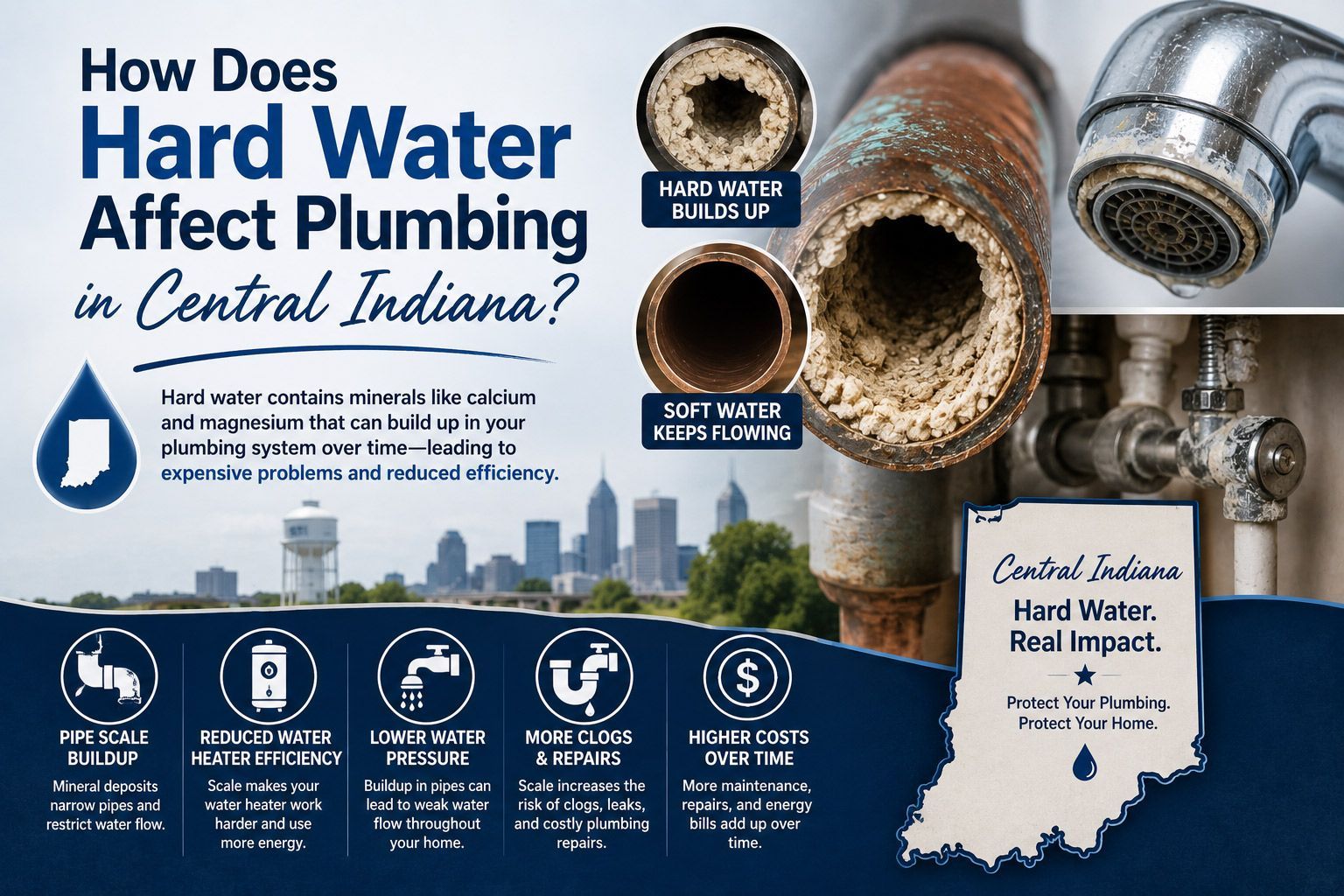
Once that water runs through your pipes and appliances, the minerals begin to crystallize and form limescale — a chalky, rock-like deposit that builds up over time.
How Hard Water Damages Plumbing
Let’s break down what hard water actually does to your home’s plumbing system.
1. Scale Buildup Inside Pipes
Minerals like calcium and magnesium accumulate along the inner walls of pipes. Over time, this narrows the flow and increases water pressure, leading to leaks or even bursts. It’s often described as “cholesterol for plumbing.”
2. Appliance Efficiency Loss
Hard water shortens the lifespan of water heaters, dishwashers, and washing machines. Limescale builds up on heating elements, forcing them to work harder and use more energy. Studies show that even a small amount of scale can cut appliance efficiency by up to 30%.
3. Faucet and Fixture Damage
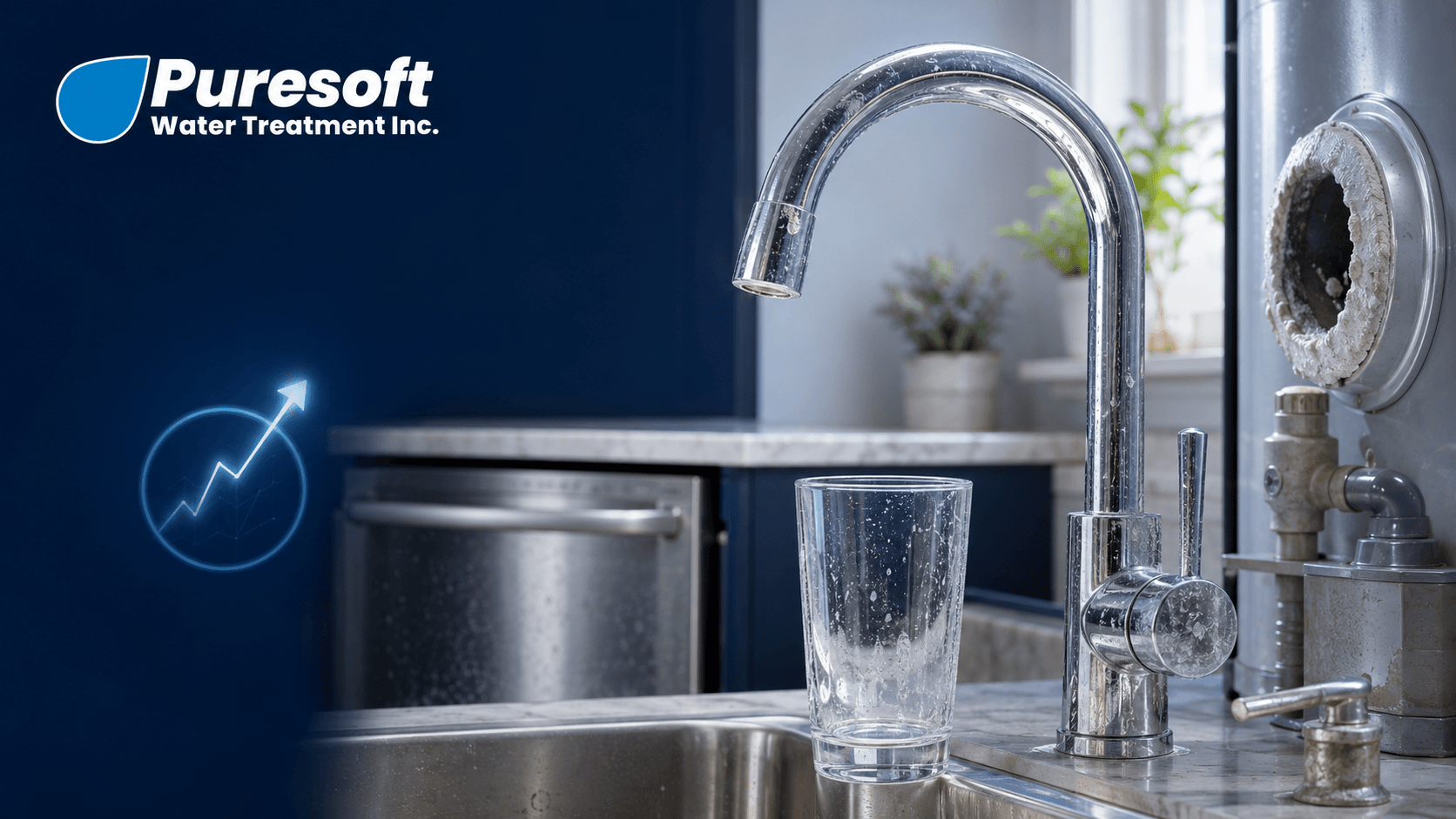
That white crust around your showerhead or faucet is more than just ugly — it’s corrosion. As limescale accumulates, it restricts water flow and degrades the metal, often requiring premature replacement.
4. Valve and Component Clogging
Hard water affects more than visible surfaces. It clogs small valves inside appliances, sprinklers, and toilets, causing slow water flow or uneven performance.
5. Internal Pipe Corrosion
In older homes, mineral buildup interacts with metal plumbing, accelerating corrosion. This weakens the pipes internally and increases the likelihood of leaks.
How to Protect Your Plumbing from Hard Water Damage
To prevent costly damage, you don’t need to replace your plumbing — you just need the right water treatment approach.
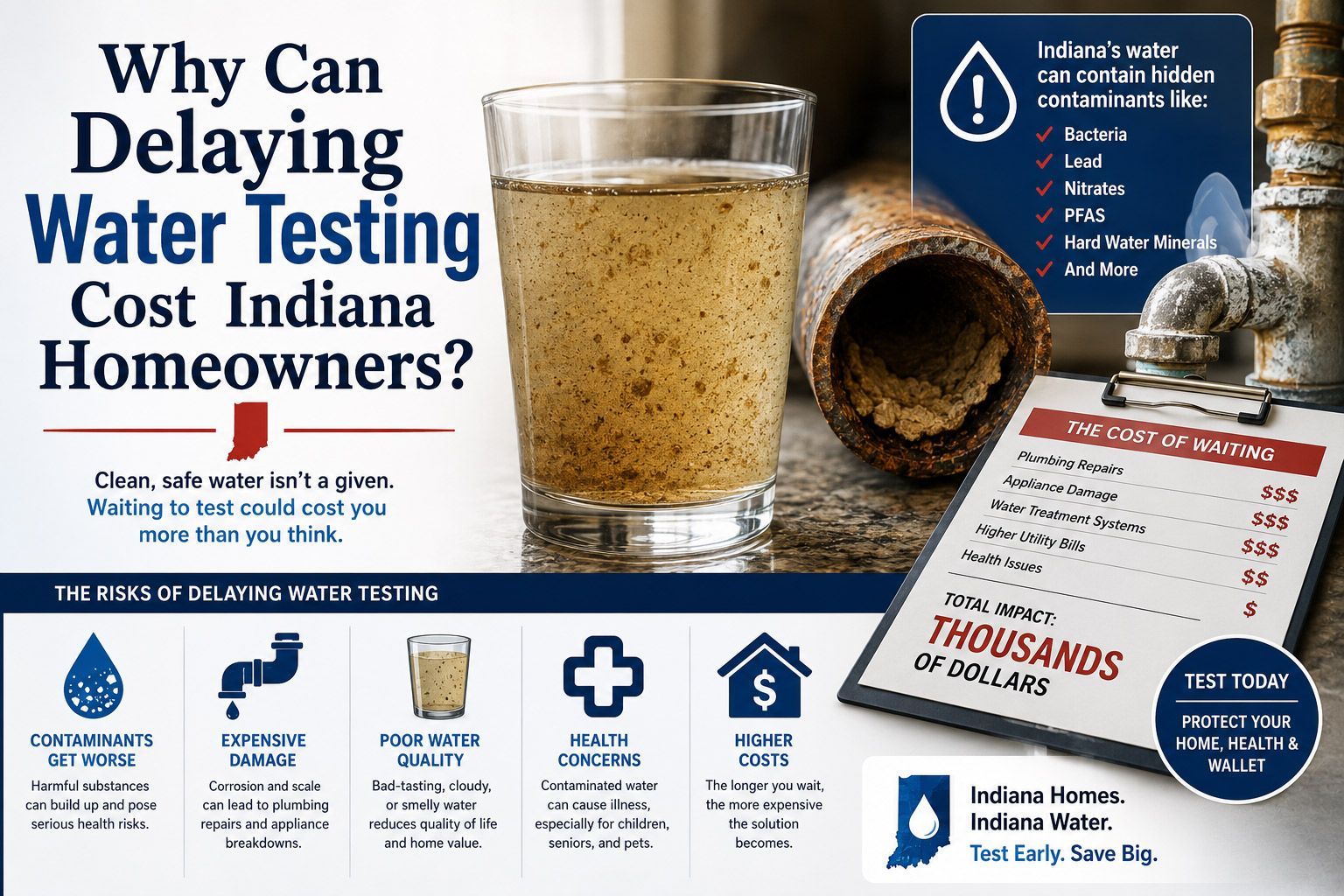
Step 1: Get a Professional Water Test
The first step is knowing what’s in your water. Professional water testing measures hardness, pH, and other minerals like iron or chlorine. Franklin’s average hardness level is around 18–25 grains per gallon, which falls into the “very hard” range.
Step 2: Install a Water Softener
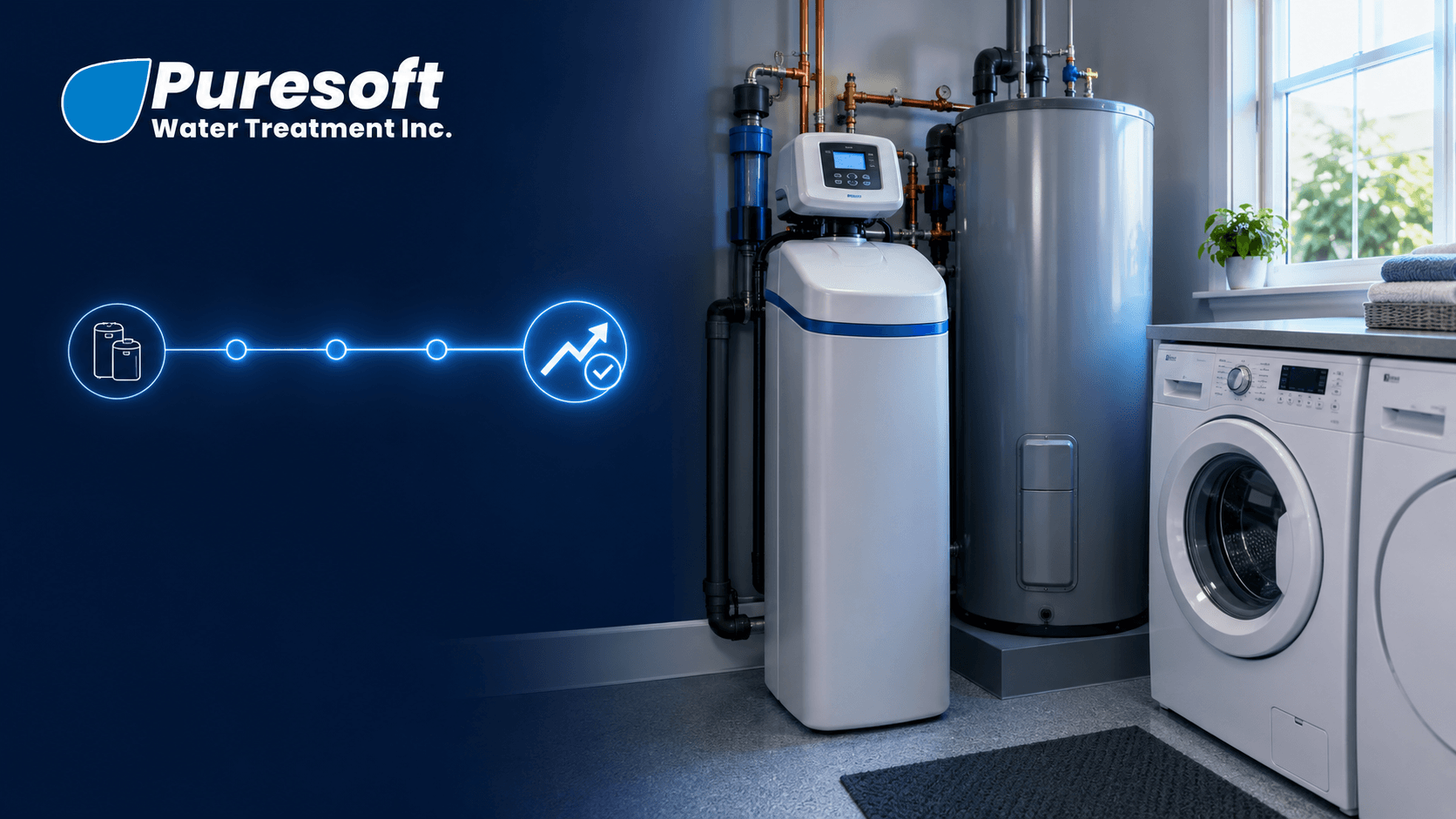
A water softener is the most effective defense against hard water. It uses ion exchange to remove calcium and magnesium, replacing them with sodium or potassium ions.
Before choosing one, it helps to know your options:
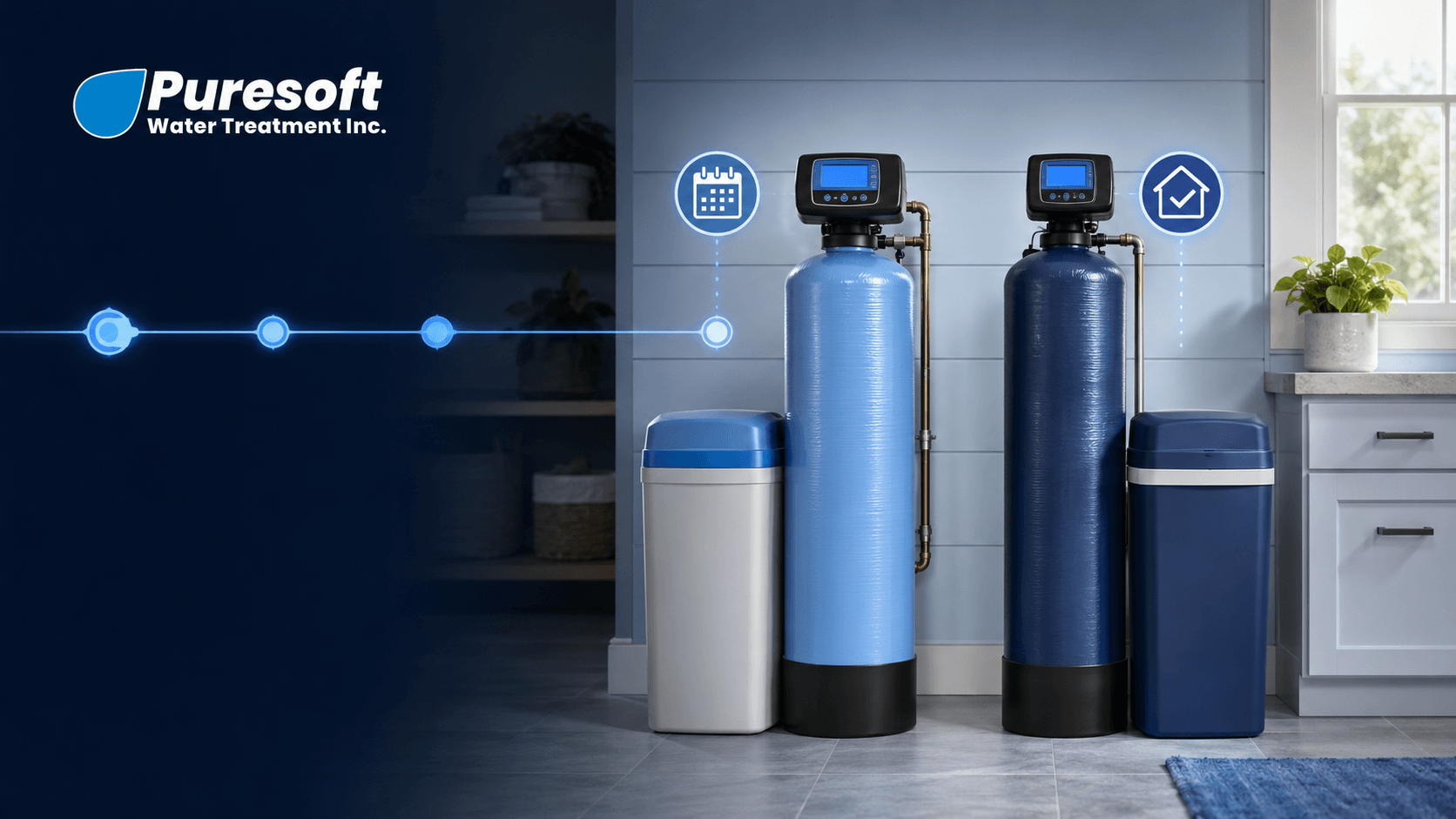
- Salt-based softeners: Ideal for very hard water areas like Franklin. They completely eliminate scale buildup.
- Salt-free conditioners: Good for moderate hardness levels or for homeowners who prefer low-maintenance systems.
Step 3: Flush Your Water Heater Annually
Sediment buildup from hard water can settle at the bottom of your water heater, reducing efficiency. Flushing the tank once a year helps maintain performance and extend its lifespan.
Step 4: Clean Fixtures with Vinegar
For minor buildup, soak showerheads or faucet aerators in white vinegar overnight. It’s a simple way to dissolve limescale and restore water pressure without harsh chemicals.
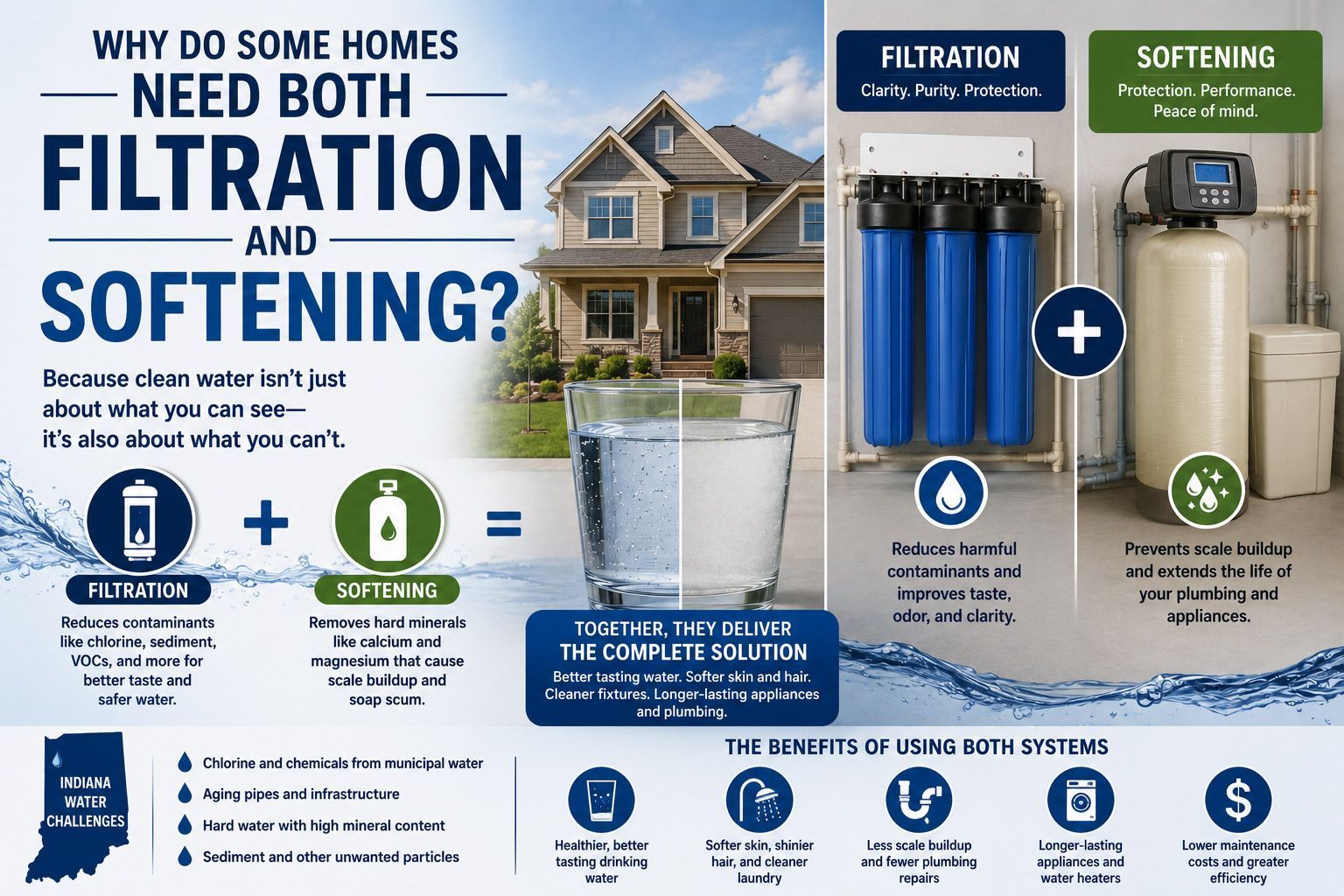
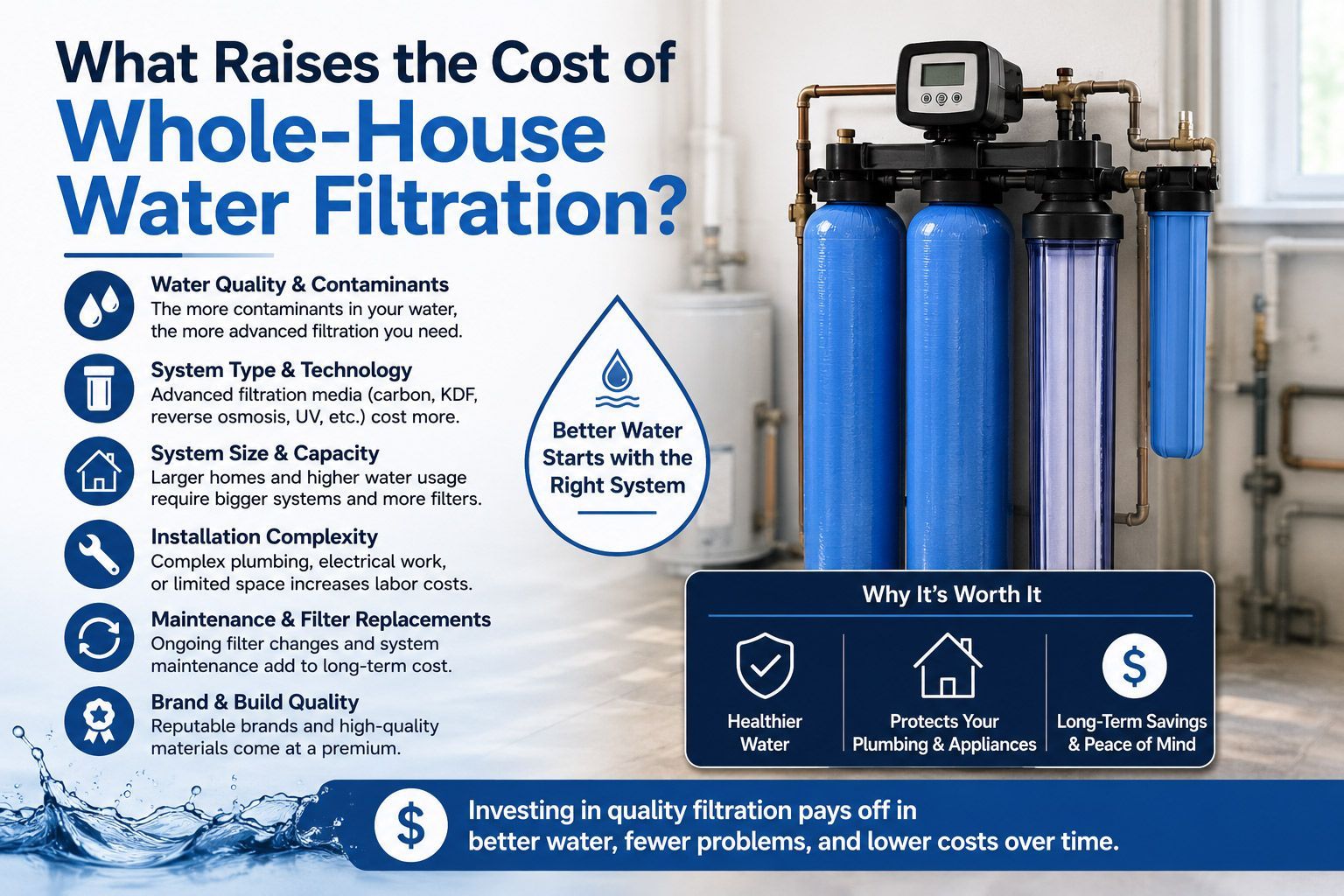
Step 5: Consider Whole-Home Filtration
If your water has additional issues like iron, chlorine, or sulfur odor, a whole-home filtration system can complement a softener. This ensures every tap in your home delivers clean, clear water.
FAQs: Hard Water and Plumbing in Central Indiana
What are the most common signs of hard water?
White spots on dishes, soap scum in the shower, dry skin, and low water pressure are strong indicators of hard water.
Can hard water damage new plumbing too?
Yes. Even PEX and copper pipes are vulnerable over time because mineral buildup occurs on any surface that water touches.
Is softened water safe to drink?
Yes. The sodium added during the softening process is minimal — typically less than what’s found in a slice of bread.
Does a water softener reduce energy bills?
Yes. By eliminating scale buildup, your appliances and water heater work more efficiently, lowering both energy and repair costs.
How long does a water softener last?
With proper maintenance, most systems last 10–15 years or longer.
What’s the difference between hard water and contaminated water?
Hard water contains natural minerals; contaminated water may contain bacteria, chemicals, or heavy metals. A softener removes hardness, while a filtration system targets contaminants.
Why Franklin Homes Need Protection
Franklin and surrounding Central Indiana communities rely heavily on groundwater, which means mineral buildup is almost inevitable. Homes with well water or older plumbing are especially prone to scale and corrosion.
Ignoring hard water doesn’t just lead to dull dishes or dry hair — it can shorten the lifespan of your plumbing system and appliances. For homeowners in Franklin, investing in water treatment isn’t just a luxury; it’s a smart preventative measure.
Conclusion
Hard water may be invisible, but its impact is costly. From clogged pipes and corroded fixtures to failing appliances, the damage adds up fast. The most effective solution is proactive prevention through water testing and softening systems.
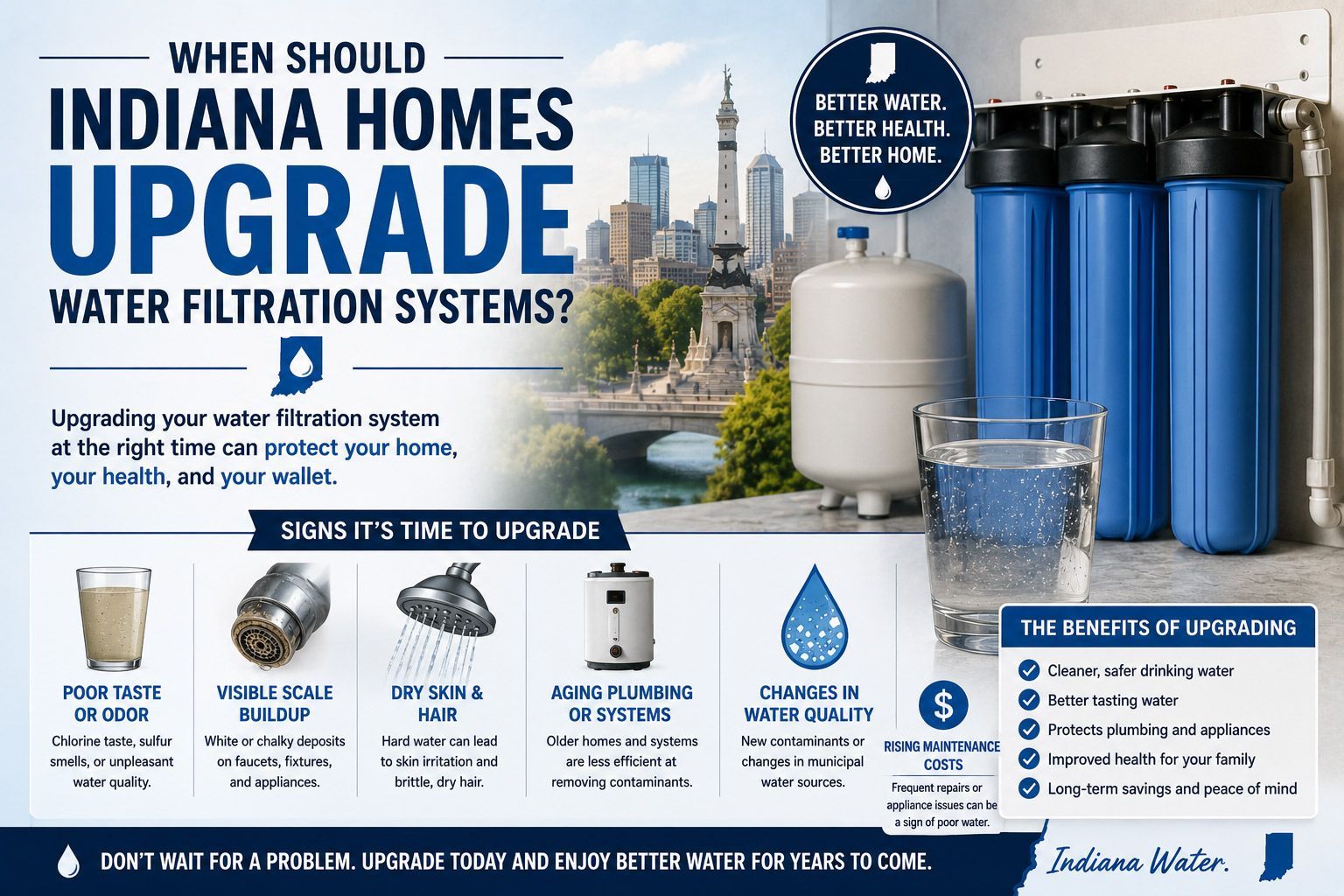
If you’re noticing buildup, low water pressure, or spotty glassware, it’s time to take action.
PureSoft Water Treatment offers professional water testing and customized softening solutions for Franklin and the surrounding Central Indiana area. Protect your home, your plumbing, and your peace of mind with clean, soft water.