Preventing Scale Build-Up: Tips for Homeowners in Franklin, IN

March 19, 2026

Introduction

If your faucets have lost their shine, your showerhead sprays unevenly, or your water heater seems to work harder than it used to, scale build-up may be the reason. It’s one of the most common water-related issues for Franklin, IN homeowners — and one that can quietly damage your plumbing, appliances, and energy efficiency over time.


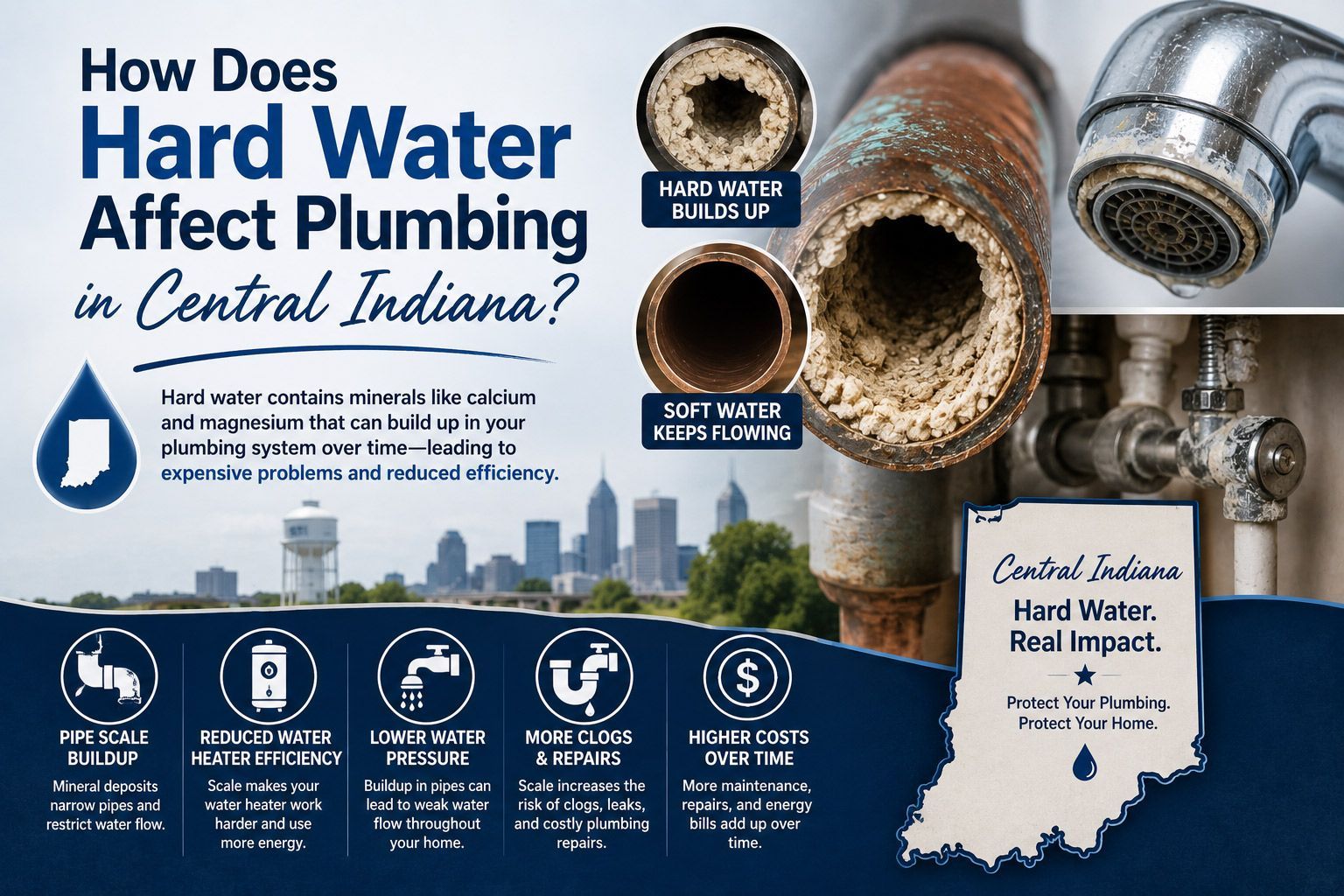
Scale forms when hard water minerals, mainly calcium and magnesium, cling to surfaces as water heats or evaporates. Over time, this buildup narrows pipes, reduces flow, and shortens the lifespan of home systems. The good news? You can stop it before it starts.

This guide explains what causes scale, how it affects your home, and what you can do to prevent it effectively using proven water treatment solutions.


Understanding Scale Build-Up and Its Impact

What Is Scale?

Scale (or limescale) is a chalky, white or yellowish deposit that forms when minerals in hard water precipitate out as solid crystals. These deposits collect inside plumbing fixtures, showerheads, and appliances like dishwashers and water heaters.


Because Franklin and surrounding Indiana regions have hard-to-very-hard water, scale formation happens faster and more aggressively than in many other parts of the country.


How Scale Affects Your Home

Before you can fix the problem, it helps to know what scale actually does to your household systems.

  • Clogs and Flow Restrictions: Deposits inside pipes reduce water pressure and strain plumbing.
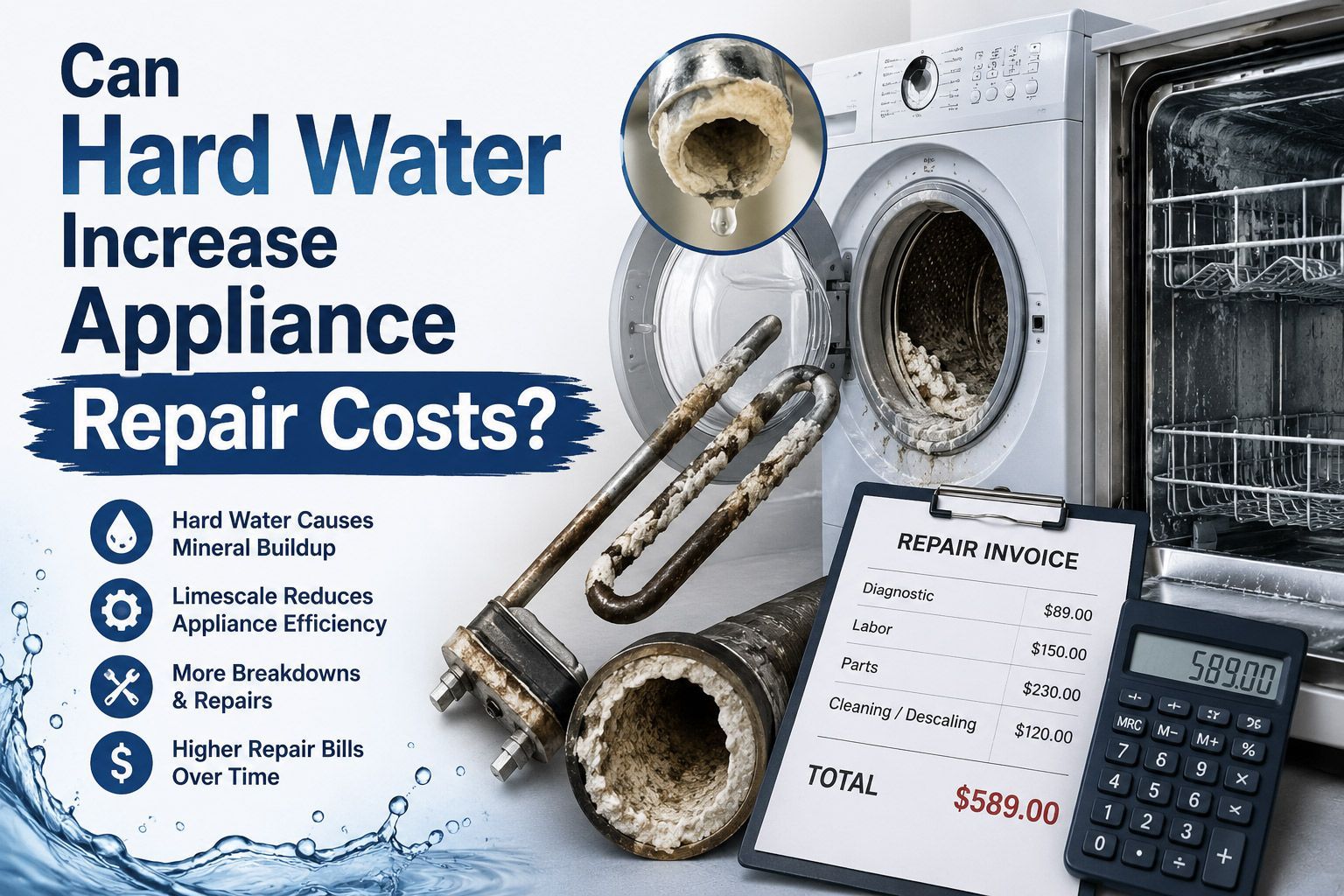
  • Energy Inefficiency: Water heaters coated with scale require more energy to heat water, leading to higher utility bills.
  • Appliance Wear: Washing machines, dishwashers, and coffee makers all perform worse and break down sooner.
  • Visible Stains: Faucets, sinks, and glassware often show cloudy spots or white crust that’s difficult to remove.
  • Soap Inefficiency: Hard water minerals react with soap, forming residue instead of lather — making cleaning harder and less effective.

Ignoring these signs doesn’t just inconvenience you — it costs you money in maintenance, repairs, and replacements.


Practical Steps to Prevent Scale Build-Up

You don’t have to live with hard water damage. Below are proven strategies to keep your plumbing and appliances scale-free.

1. Get a Professional Water Test

Every prevention plan starts with knowing what’s in your water. Franklin homes can vary widely — some rely on municipal water, others on private wells — and each can have different hardness and contaminant levels.

A professional test identifies:

  • Hardness level (grains per gallon or ppm)
  • Iron, manganese, or sulfur content
  • Other minerals that affect water chemistry

Knowing these numbers helps determine whether you need a water softener, conditioner, or combined treatment system.


2. Install a Water Softener

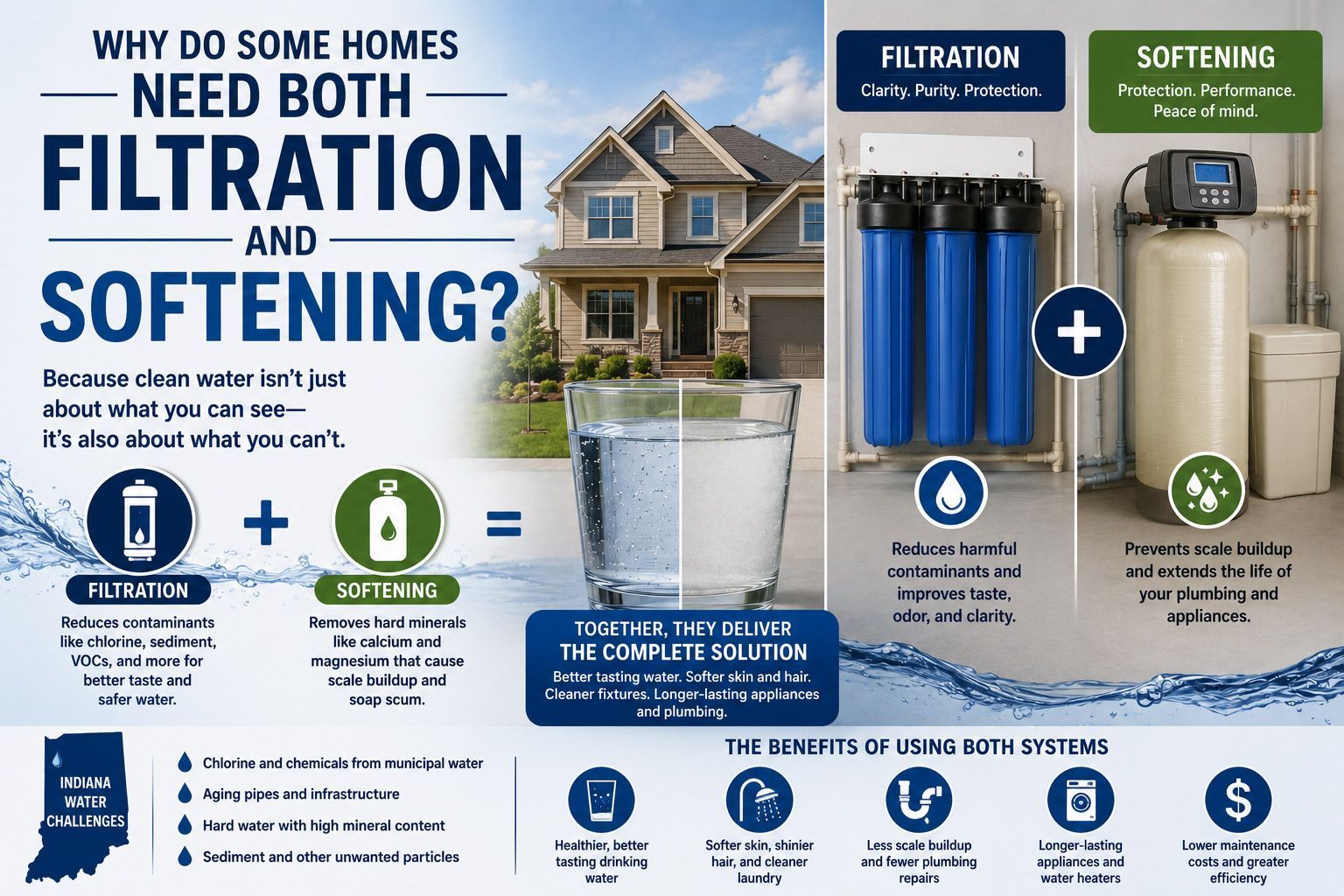
For most Franklin-area homes, a salt-based water softener is the most effective defense against scale. It removes calcium and magnesium ions through ion exchange, replacing them with sodium or potassium.

Benefits include:

  • Preventing new scale formation.
  • Gradually reducing existing buildup.
  • Improving soap and detergent efficiency.
  • Extending the life of plumbing and appliances.

If you prefer a lower-maintenance approach, consider a salt-free system, which conditions water to prevent minerals from sticking. These systems don’t remove hardness but reduce scaling effects — ideal for homes with moderate hardness levels.


3. Flush and Maintain Your Water Heater

Hard water quickly coats heating elements and tank walls with scale. To minimize buildup:

  • Drain and flush your tank every 6–12 months.
  • If you use a tankless water heater, have it descaled annually by a professional.
  • Pair the heater with a whole-home softener to reduce deposits before water even reaches it.

Regular maintenance improves efficiency, extends lifespan, and lowers energy use.


4. Clean Fixtures with Vinegar or Descaling Solutions

Even with treatment systems, some minor buildup may still occur. Keep fixtures fresh by:

  • Soaking showerheads or faucet aerators in a 1:1 vinegar-water mix for 30 minutes.
  • Using non-abrasive descaling cleaners on sinks, tubs, and appliances.
  • Wiping fixtures dry after use to prevent mineral spots.

These quick habits prevent visible residue from hardening into stubborn scale.


5. Schedule Annual System Servicing

A well-maintained softener or filtration unit performs better and lasts longer. Local Franklin water professionals can:

  • Inspect resin tanks and replace media when needed.
  • Check salt levels and regeneration cycles.
  • Test water hardness post-treatment to ensure performance.

Preventative service visits cost far less than replacing plumbing or appliances damaged by untreated scale.


Local Considerations for Franklin, IN Homeowners

Franklin and nearby Indiana towns sit in a region known for mineral-rich groundwater. Hardness levels typically range from 15 to 25 grains per gallon, which is classified as “very hard.”

That means homeowners here face above-average scale risk — especially those with:

  • Well water systems.
  • Older plumbing or galvanized steel pipes.
  • Electric or tank-style water heaters.

Installing the right system for these conditions isn’t optional — it’s essential for maintaining performance and protecting your investment.


Frequently Asked Questions

  • What causes scale build-up in hard water?

    Scale forms when calcium and magnesium in hard water crystallize on contact with heat or air. Over time, this crystallization hardens and adheres to pipes and appliances.


  • How do I know if my home has scale problems?

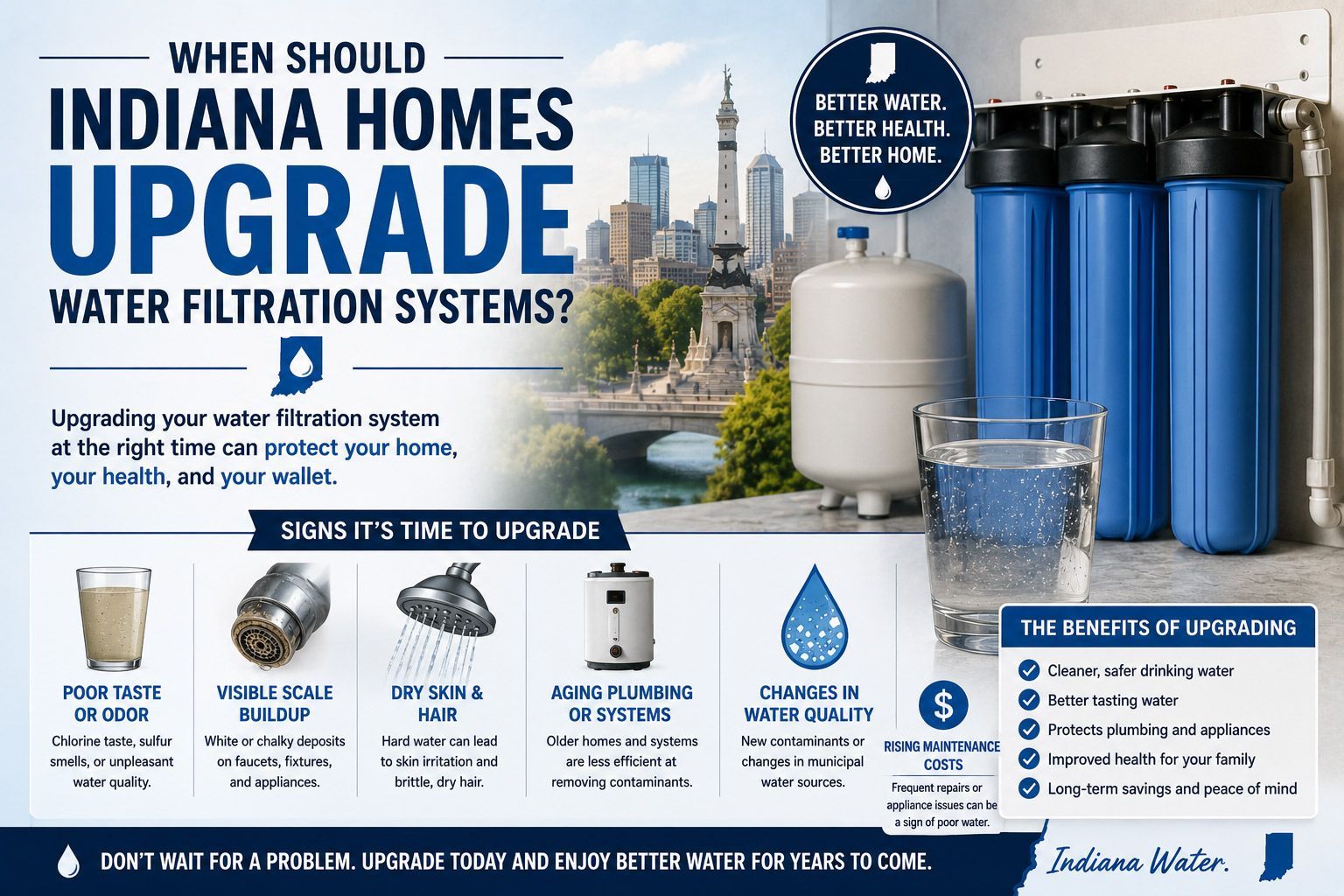
    Watch for white deposits on faucets, cloudy glassware, stiff laundry, or slower water pressure. If your water heater makes popping noises, it’s likely coated in scale.


  • Can I prevent scale without using a water softener?

    For mild hardness, salt-free conditioners or magnetic systems can help reduce buildup, but for Franklin’s hard water, a true softener is typically necessary.


  • How often should I clean or replace filters?

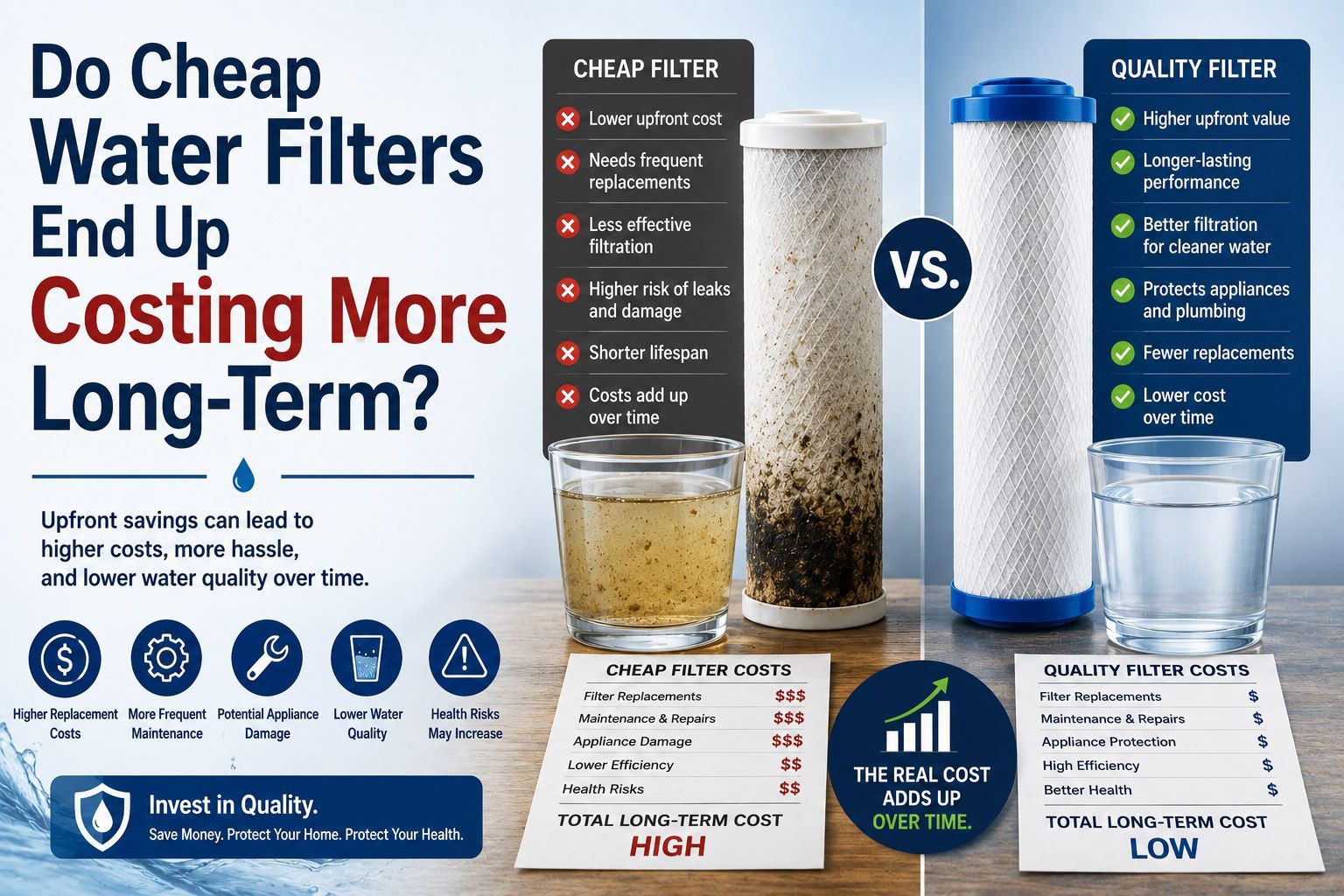
    Sediment or pre-filters should be replaced every 6–12 months, depending on water quality. Always follow manufacturer or installer recommendations.


  • Does soft water feel slippery or taste different?

    Soft water can feel smoother because it rinses away soap completely. The taste difference is minimal and can be managed with a carbon filter if desired.


Conclusion

Scale build-up might seem minor at first, but over time it costs homeowners in wasted energy, damaged fixtures, and reduced water flow. For Franklin residents dealing with naturally hard water, prevention is far easier — and cheaper — than repair.


By testing your water, installing a high-quality softener, maintaining your heater, and scheduling regular servicing, you’ll keep your plumbing protected and your appliances efficient for years to come.


For professional water treatment solutions in Franklin, IN, consult a trusted local expert to test your water and design the perfect system for your home’s unique needs.
March 22, 2026
Learn how VOCs and heavy metals affect Central Indiana tap water. Discover their sources, health risks, and the best treatment systems for clean, safe water.
March 15, 2026
Learn the difference between salt-based and salt-free water softeners for Indiana homes. Discover which system best fits your water quality, budget, and maintenance needs.
March 12, 2026
Introduction For many Indiana homeowners, private wells are the main source of household water. Unlike city water, well water isn’t treated or monitored by local utilities — meaning the responsibility for safety and quality falls entirely on the homeowner. While well water can taste fresh and natural, it can also contain iron, manganese, sulfur, bacteria, and even trace contaminants like nitrates or arsenic. Over time, these impurities can damage plumbing, stain fixtures, and impact health if left untreated. This guide explores the most effective treatment options for Indiana well water , helping you protect your home, your appliances, and your family. Understanding Well Water in Indiana Why Well Water Requires Special Attention Indiana’s geology includes layers of limestone, shale, and sand — materials that naturally leach minerals into groundwater. That’s why homes across Johnson, Morgan, and Brown counties often experience high hardness levels and metal content.  Unlike municipal water systems, private wells don’t have chlorine disinfection or centralized filtration. That means: There’s no automatic testing or regulation . Water quality can change seasonally after rain or drought. Contaminants like bacteria or iron can enter through soil or aging well components. Routine testing and treatment are essential to ensure safety and performance. Common Issues Found in Indiana Wells Before discussing treatment systems, here are the most frequent problems homeowners in Franklin and surrounding areas encounter: Hard Water: High calcium and magnesium causing scale buildup. Iron and Manganese: Staining sinks, laundry, and fixtures. Sulfur Odor: “Rotten egg” smell from hydrogen sulfide gas. Bacteria or Coliform Contamination: Unsafe for consumption without disinfection. Sediment and Cloudiness: From sand or clay infiltration. Nitrates and VOCs: Often from agricultural runoff or nearby industrial areas. Understanding which of these affect your water is the first step to finding the right solution. Best Treatment Options for Indiana Well Water Every well is unique — but the following systems address the most common problems found across Indiana homes. 1. Water Softeners for Hardness and Iron Hard water is nearly universal in Indiana. A water softener removes calcium, magnesium, and small amounts of iron using an ion exchange process. This prevents scale buildup in pipes, improves soap efficiency, and protects water heaters and fixtures. Best for: Hardness levels above 7 grains per gallon (gpg) or visible scaling. Maintenance tip: Check salt levels regularly and schedule system servicing once a year. 2. Iron and Manganese Filtration Systems If you notice orange or black stains, your water likely contains dissolved metals. Filtration systems with oxidation media or air injection convert these metals into solid particles that are then trapped and flushed away. Best for: Moderate to high iron or manganese content. Example system types: Birm or Katalox Light filters Air-oxidizing iron filters Chlorine injection with carbon filtration for severe contamination 3. Activated Carbon Filtration for Odors and Chemicals Activated carbon filters are excellent for improving taste and removing chemical contaminants like chlorine, VOCs, or pesticides. While wells don’t typically have chlorine, carbon filters are ideal for eliminating musty or metallic tastes and sulfur smells. Best for: Odors, discoloration, or chemical runoff from agricultural areas. Maintenance tip: Replace carbon media every 6–12 months depending on use and water quality. 4. UV Disinfection Systems for Bacteria Even a small crack in your well casing can introduce bacteria or coliform organisms into the water supply. Ultraviolet (UV) systems disinfect water using light instead of chemicals, effectively neutralizing harmful microorganisms without altering taste. Best for: Homes with recurring bacteria problems or no chlorination. Important note: UV systems require clear water — pair with a sediment or carbon filter for best performance. 5. Reverse Osmosis (RO) Systems for Drinking Water For the purest water possible, reverse osmosis systems remove up to 99% of dissolved solids, including nitrates, arsenic, and lead. RO units are typically installed under the kitchen sink or as part of a point-of-use system. Best for: Households concerned about chemical contaminants or heavy metals. Added benefit: Ideal for cooking and baby formula preparation. 6. Sediment Filters for Clarity and Equipment Protection Sediment filters trap sand, rust, and silt before they reach your home’s main plumbing. These filters are inexpensive and extend the life of other treatment systems by preventing clogging. Best for: Homes drawing from shallow wells or older wells prone to sediment infiltration. How to Protect and Maintain Your Well Water Even the best treatment systems need proper maintenance to stay effective. Follow these key steps to ensure consistent water quality year-round. Schedule Annual Testing The Indiana Department of Health recommends testing private wells at least once per year for bacteria, nitrates, and metals. Seasonal flooding or construction nearby can change your water composition quickly. Inspect and Clean the Well Cap Ensure the cap is sealed, secure, and free from debris. A compromised seal can allow insects or surface runoff to contaminate your water. Service Filtration Equipment Regularly Filters, softeners, and UV bulbs all have service intervals. Partnering with a local Franklin water treatment professional ensures these components are replaced and calibrated properly. Keep Records of Water Tests and Maintenance Tracking results over time helps identify trends and anticipate issues before they affect your home. Frequently Asked Questions
March 8, 2026
Discover how soft water improves laundry results and saves money. Learn why Franklin, IN homeowners trust water softeners for better cleaning and lower costs.
March 5, 2026
Learn the signs that it’s time to upgrade your whole-house filtration system in Franklin, IN. Improve water quality, protect plumbing, and restore performance.
March 1, 2026
Learn how iron and manganese impact your plumbing, appliances, and water quality in Franklin, Indiana — and how to fix it with professional water treatment solutions.
February 22, 2026
Learn about VOCs, heavy metals, and hidden contaminants in Indiana tap water. Discover causes, risks, and proven ways to keep your water safe.
February 15, 2026
Learn how to maintain your water softener for maximum lifespan. Discover key maintenance steps, cleaning tips, and expert advice for Indiana homes.
February 8, 2026
Discover common seasonal water quality issues in Indiana — from spring thaw to summer runoff — and learn how to protect your home’s water year-round.
February 1, 2026
Learn how hard water affects your skin and hair in Central Indiana. Discover its causes, effects, and the best solutions for softer, healthier water.