How to Choose Between Salt-Based and Salt-Free Water Softeners for Indiana Homes

March 15, 2026

Introduction

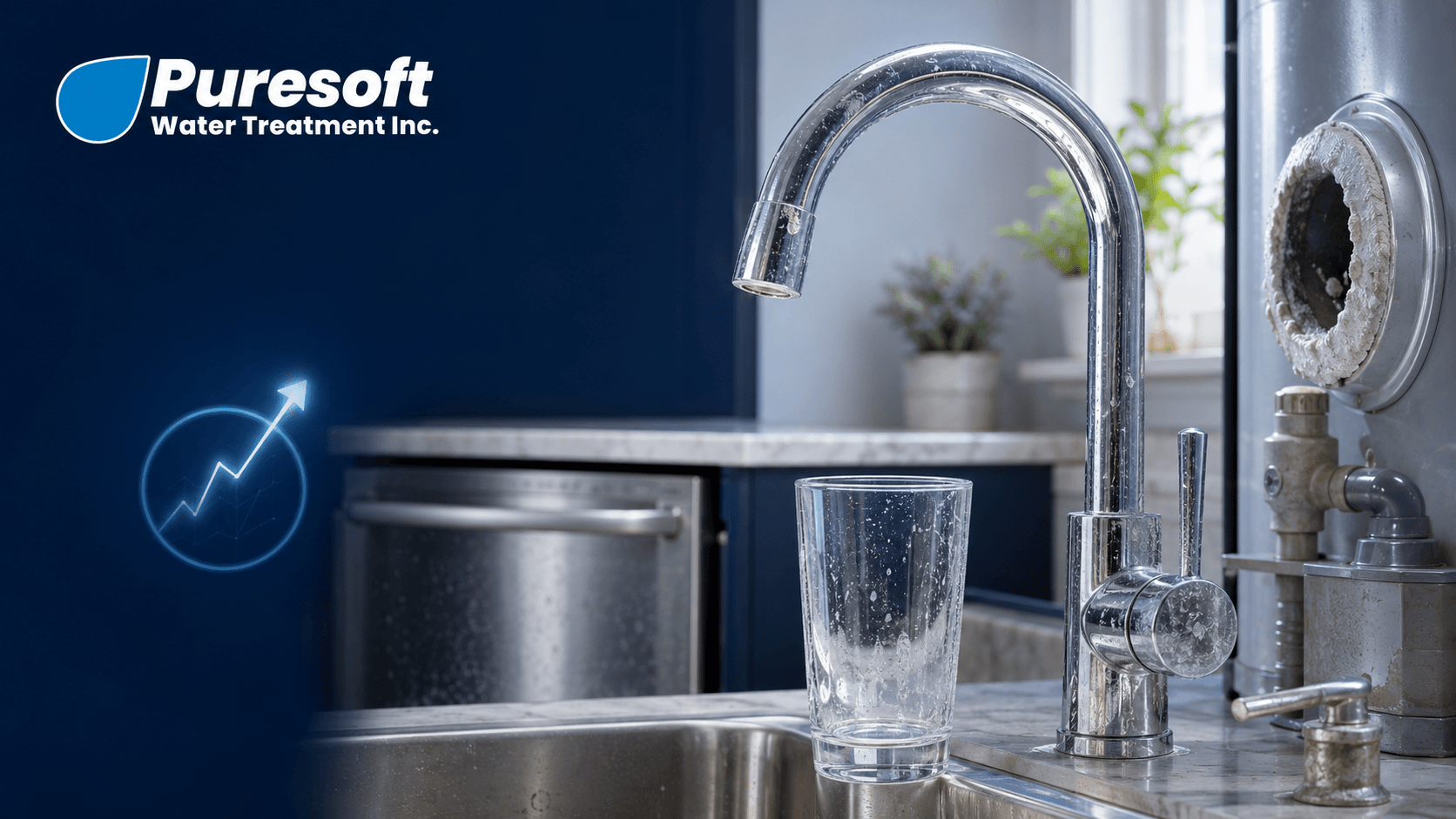
If you live in Indiana, chances are your home has hard water. The telltale signs — spots on dishes, soap scum in the shower, and dull laundry — are all symptoms of high calcium and magnesium content in your water supply. While hard water isn’t dangerous, it causes buildup, damages appliances, and reduces efficiency over time.


That’s where water softeners come in. But with so many options available, homeowners often face one big question: Should I choose a salt-based or salt-free water softener?


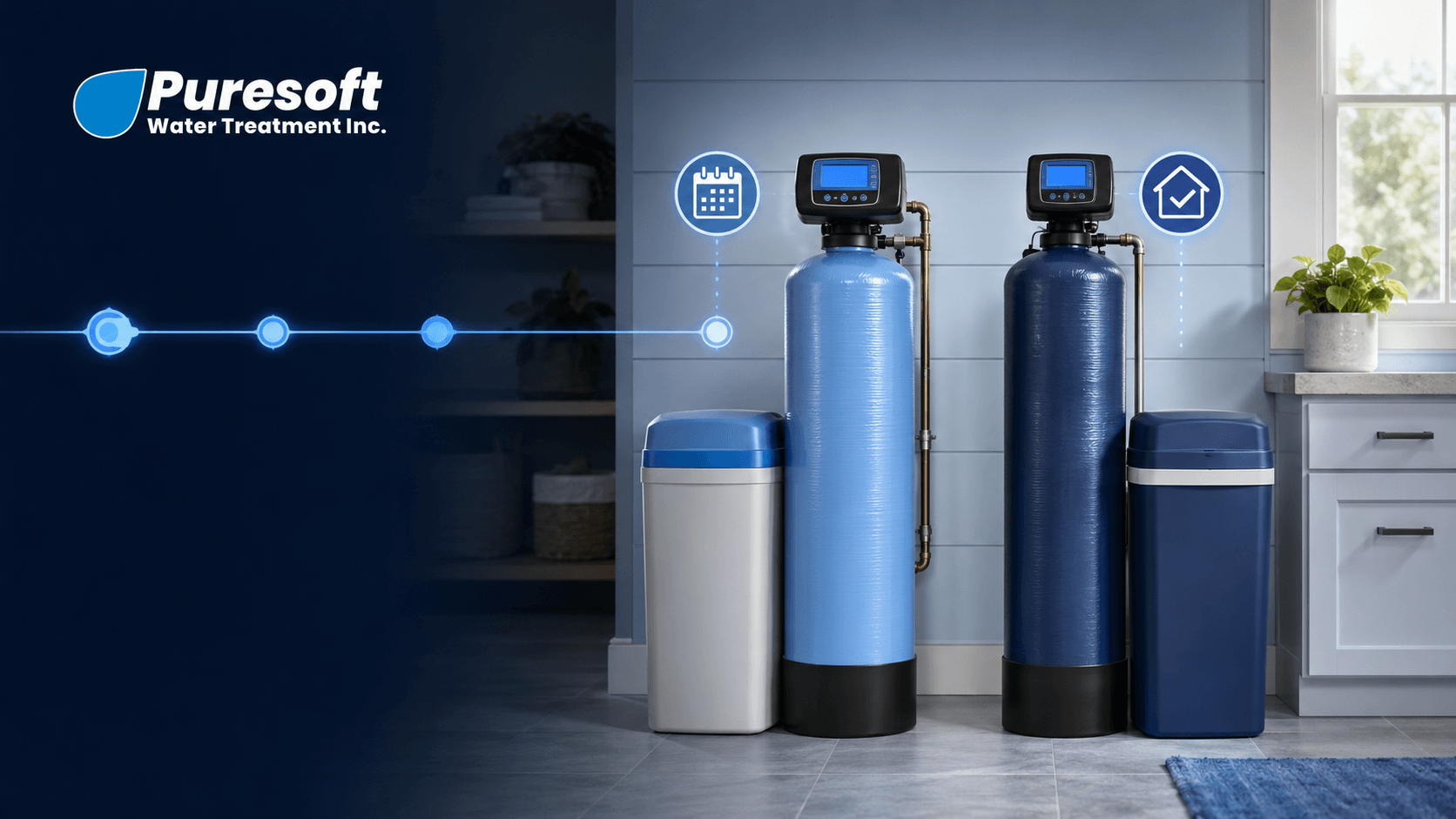
This guide breaks down the differences, explains how each system works, and helps you decide which is the best fit for your Indiana home based on water quality, budget, and household needs.


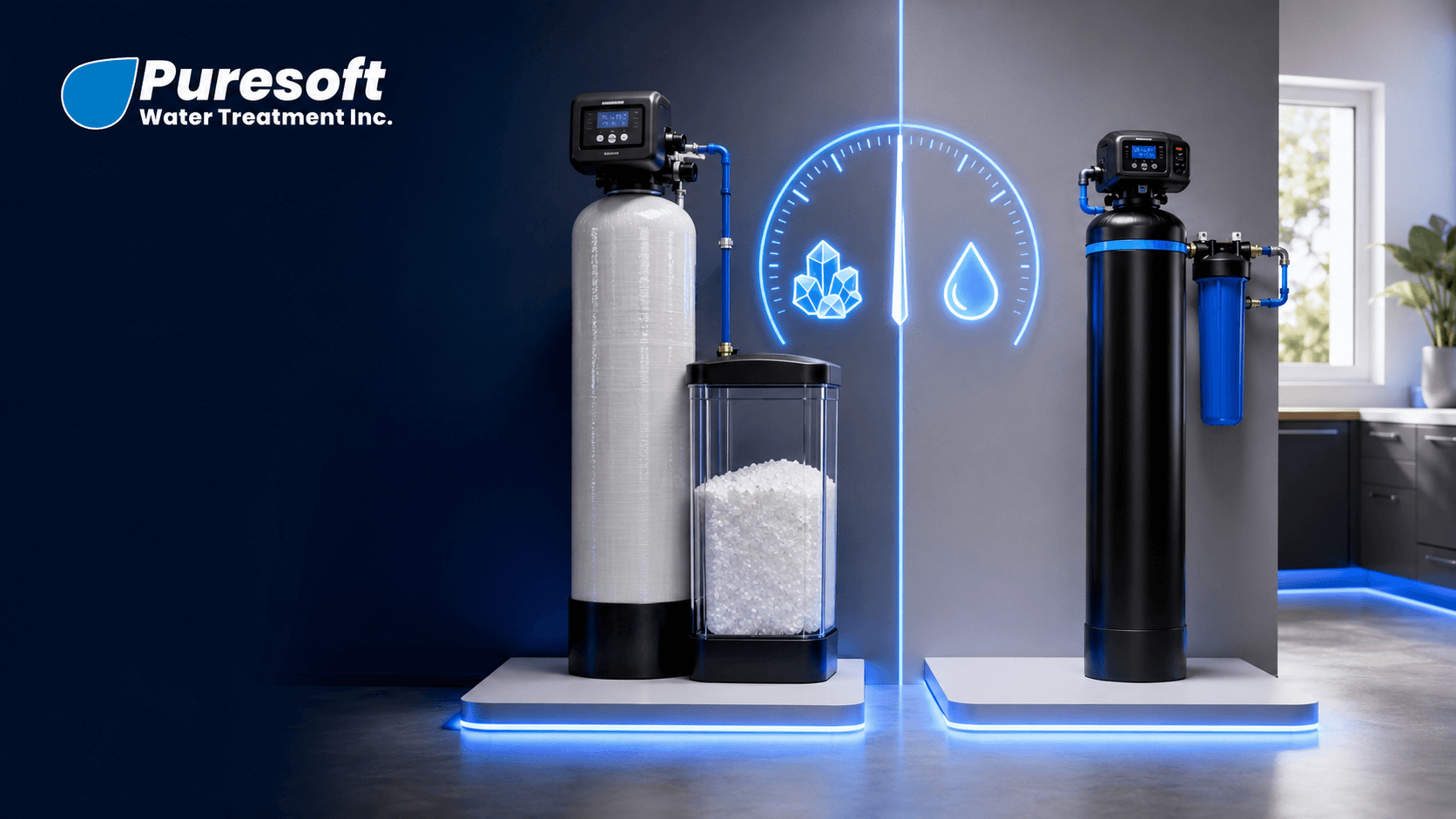
Understanding the Basics: Salt-Based vs. Salt-Free Systems

Before deciding which is right for your home, it’s important to understand what each system does — and what it doesn’t.

Salt-Based Water Softeners


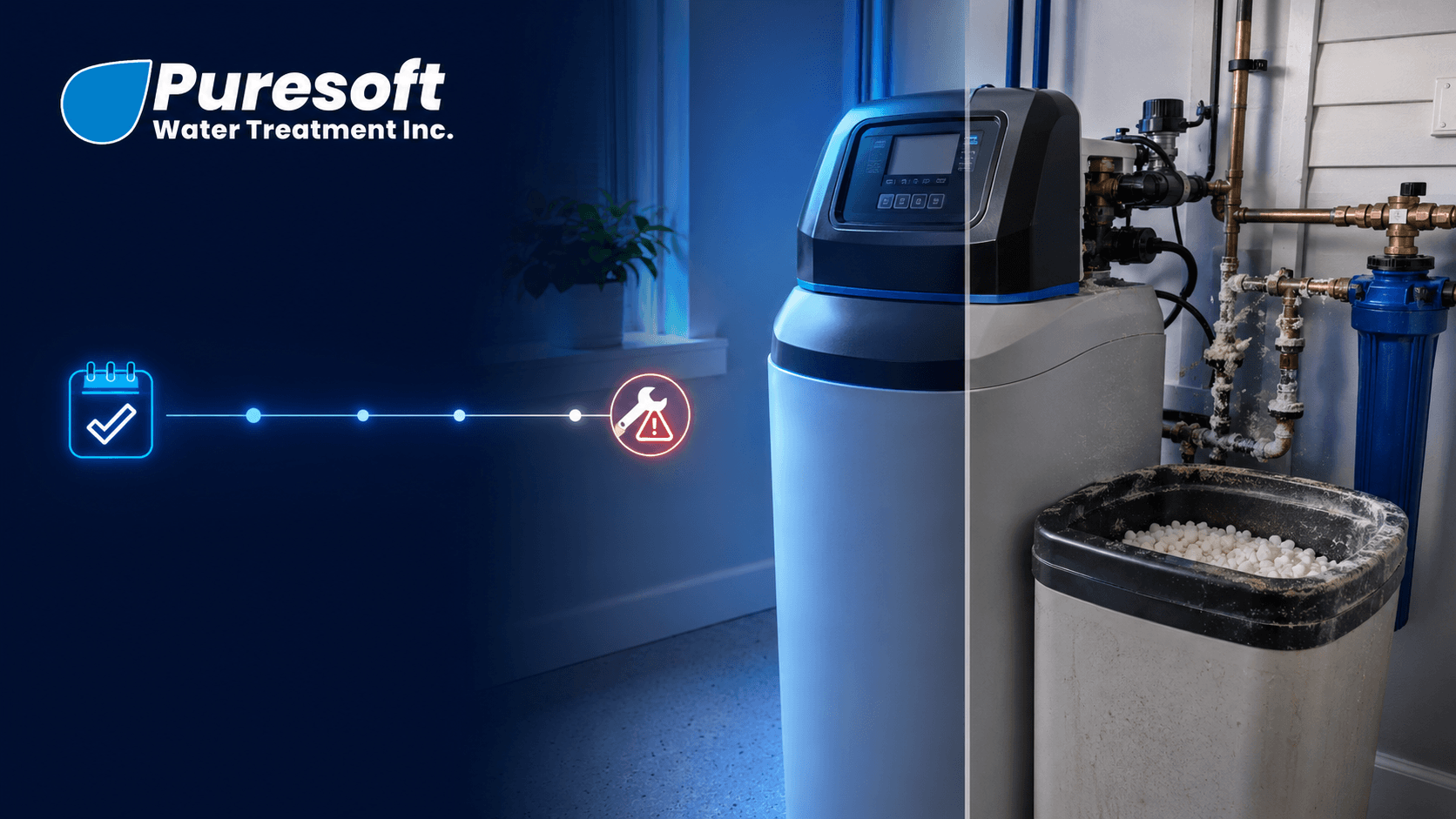
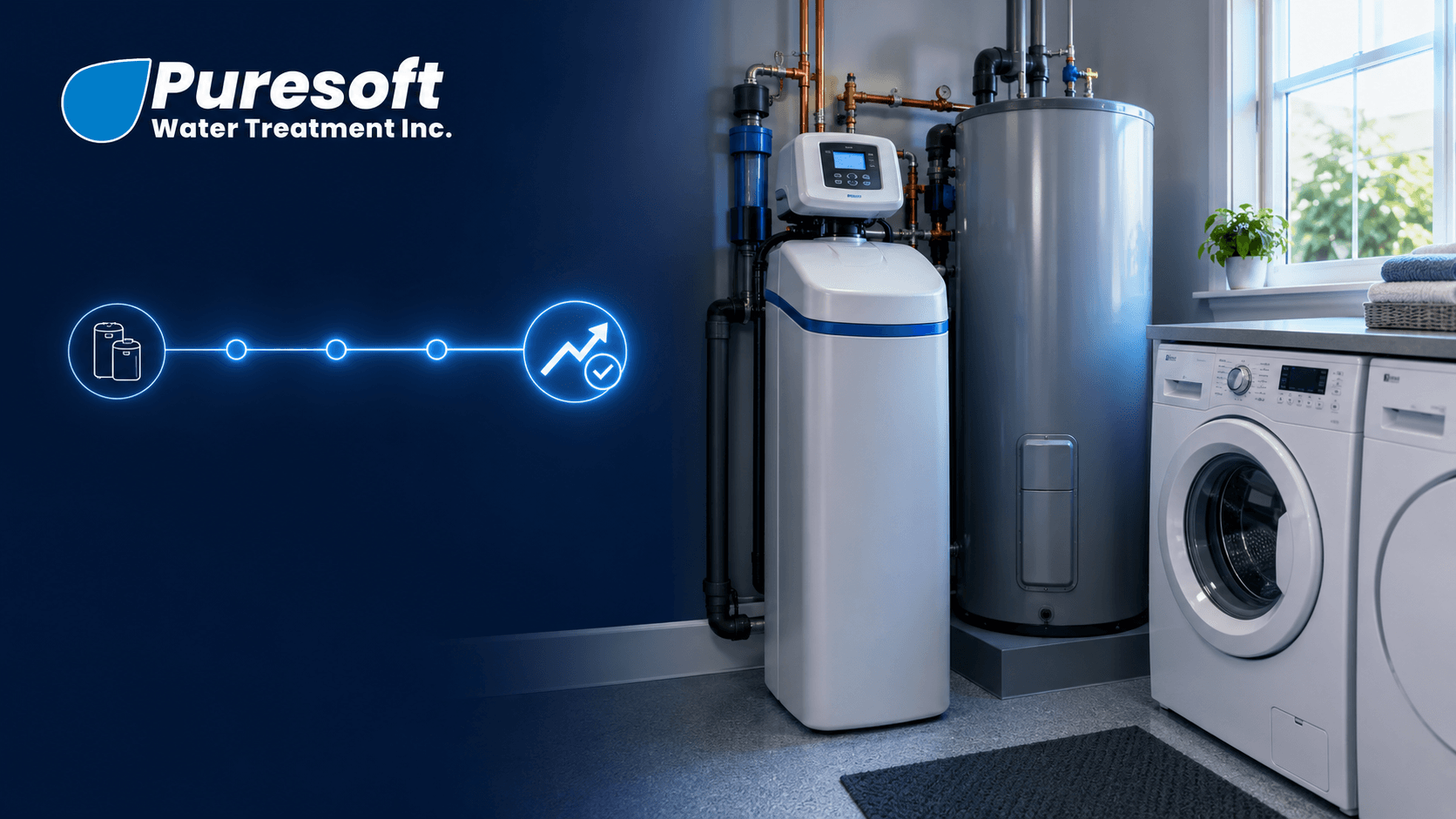
A salt-based water softener uses an ion exchange process to physically remove hardness minerals (calcium and magnesium) from the water. Inside the tank, resin beads swap those minerals for sodium or potassium ions. The result is true soft water that prevents scale buildup and improves soap and detergent efficiency.


How It Works:

  • Hard water enters the softener tank and passes through resin beads.
  • Calcium and magnesium ions stick to the beads and are replaced with sodium ions.
  • The system periodically regenerates, flushing minerals and replenishing salt.

Benefits:

  • Eliminates existing scale in pipes and appliances.
  • Improves efficiency of water heaters and dishwashers.
  • Leaves skin and hair softer after bathing.
  • Increases lifespan of plumbing fixtures.

Considerations:

  • Requires salt refilling and regeneration.
  • Adds a small amount of sodium to the water.
  • Needs drainage access for the regeneration cycle.


Salt-Free Water Conditioners

A salt-free system (also called a water conditioner or descaler) doesn’t remove hardness minerals — it changes their structure so they can’t stick to surfaces. Most systems use a process called Template-Assisted Crystallization (TAC) or similar catalytic technology to transform calcium and magnesium into harmless crystals.


How It Works:

  • Water passes through a catalytic media that alters mineral ions.
  • The minerals remain in the water but lose their ability to form scale.
  • There’s no regeneration, salt, or wastewater produced.

Benefits:

  • Virtually maintenance-free.
  • No salt or electricity required.
  • Environmentally friendly — no discharge water.
  • Keeps beneficial minerals in the water.

Considerations:

  • Does not remove hardness; only prevents scale formation.
  • Less effective with high iron or manganese content (common in Indiana wells).
  • Doesn’t reduce soap scum or improve detergent performance as much as salt-based systems.


How to Choose the Right System for Your Indiana Home

Selecting between the two systems depends on your home’s water conditions, goals, and maintenance preferences. Use the guide below to evaluate your options.

Step 1: Get a Water Test

Start with a professional water test to measure hardness levels and detect contaminants like iron or manganese. In Franklin and surrounding Indiana areas, water hardness commonly ranges from 15–25 grains per gallon — which is considered very hard.

  • If your hardness level is above 10 gpg, a salt-based softener is typically the best option.
  • If your hardness is mild or you prefer minimal maintenance, a salt-free conditioner may be sufficient.

Step 2: Consider Your Plumbing and Appliances

Homes with older plumbing or tank-style water heaters benefit greatly from salt-based systems because they prevent and remove existing scale buildup. Salt-free units, on the other hand, are ideal for new construction or homes where you simply want to prevent future buildup.


Step 3: Evaluate Maintenance and Operation

  • Salt-Based: Requires regular salt refills and periodic cleaning of the brine tank.
  • Salt-Free: Virtually maintenance-free, with media replacement every few years.

If you prefer “set it and forget it” convenience, the salt-free route offers simplicity. But if you want maximum performance and protection, the salt-based option delivers more measurable results.


Step 4: Think About Water Taste and Health

Many homeowners worry about sodium in softened water. While the amount is minimal, you can always use potassium chloride instead of sodium pellets. If you’re on a low-sodium diet or dislike any added minerals, a salt-free system may suit your preferences better.


Step 5: Factor in Environmental Impact

Salt-free systems are considered more eco-friendly since they don’t discharge brine or use electricity. However, newer high-efficiency salt-based softeners minimize waste and use significantly less water and salt than older models.


Frequently Asked Questions

  • Which system is better for Indiana’s hard water?

    In most areas of Indiana, hardness levels are high enough that salt-based softeners are more effective. Salt-free systems are best suited for moderate hardness or newer homes with low-scale buildup.


  • Can I use a salt-free system if my water has iron?

    Not recommended. Iron and manganese reduce the performance of salt-free conditioners and can clog the media. In such cases, pre-filtration or an iron removal system is required.


  • Do salt-based softeners waste water?

    Older models did, but today’s high-efficiency systems use far less salt and water during regeneration. Choosing a metered softener ensures regeneration only happens when necessary.


  • How often should a salt-based softener regenerate?

    Typically every 7–10 days, depending on water usage and hardness levels. Modern systems automatically adjust cycles based on demand.


  • Can I combine systems?

    Yes. Some homeowners install both: a salt-based softener for whole-house protection and a salt-free conditioner for specific areas like outdoor lines or decorative plumbing.


Conclusion

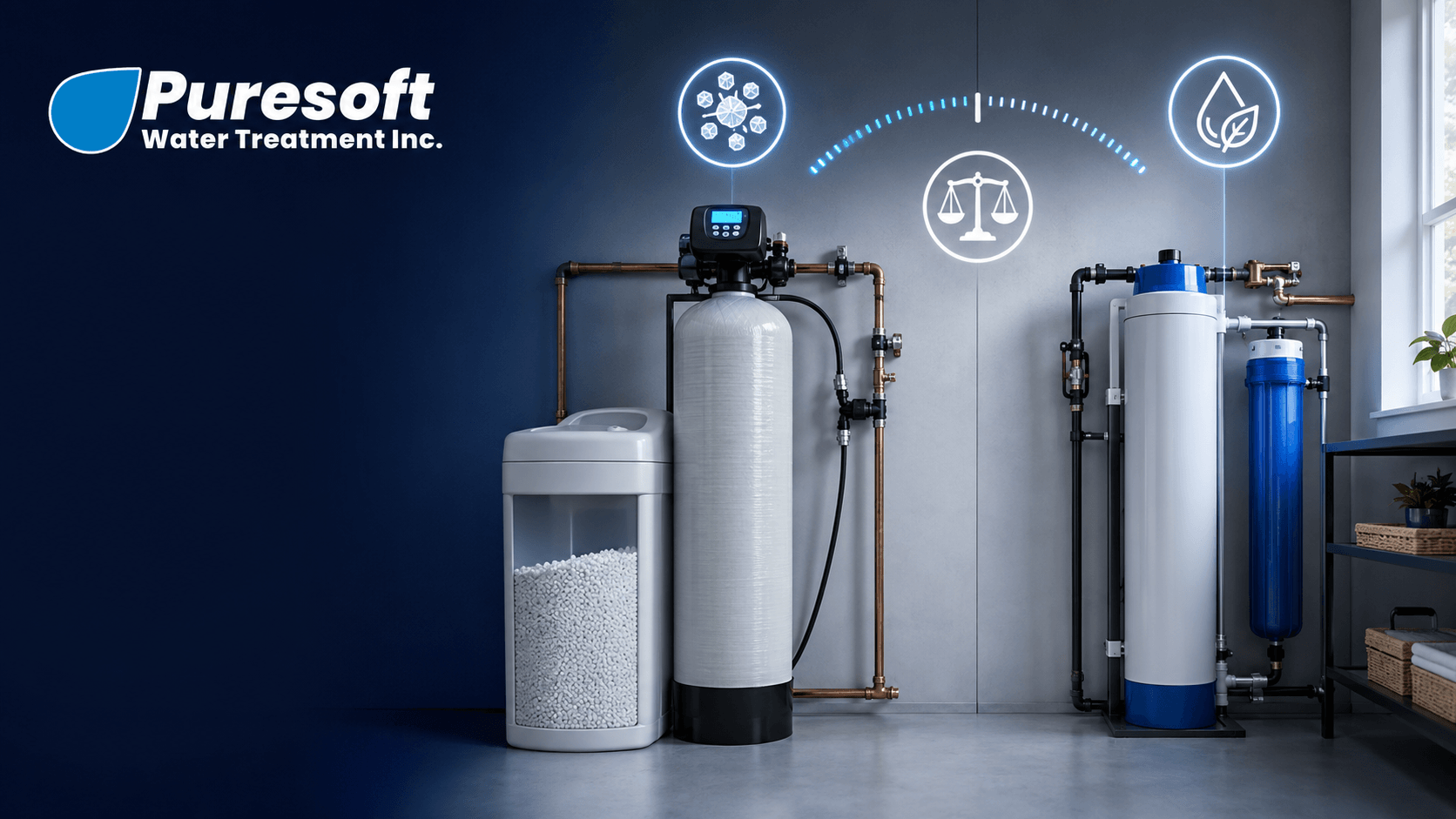
Choosing between a salt-based and salt-free water softener isn’t about which system is “better” — it’s about what’s right for your home.


If you live in an area like Franklin, Indiana, where water is consistently hard, a salt-based softener offers the most reliable results for protecting plumbing and appliances. If your water is moderately hard and you prefer a low-maintenance, eco-friendly setup, a salt-free conditioner can still provide valuable scale prevention.+


Whichever route you choose, investing in professional installation and annual water testing ensures you get the most out of your system — and the clean, efficient water your home deserves.
March 12, 2026
Introduction For many Indiana homeowners, private wells are the main source of household water. Unlike city water, well water isn’t treated or monitored by local utilities — meaning the responsibility for safety and quality falls entirely on the homeowner. While well water can taste fresh and natural, it can also contain iron, manganese, sulfur, bacteria, and even trace contaminants like nitrates or arsenic. Over time, these impurities can damage plumbing, stain fixtures, and impact health if left untreated. This guide explores the most effective treatment options for Indiana well water , helping you protect your home, your appliances, and your family. Understanding Well Water in Indiana Why Well Water Requires Special Attention Indiana’s geology includes layers of limestone, shale, and sand — materials that naturally leach minerals into groundwater. That’s why homes across Johnson, Morgan, and Brown counties often experience high hardness levels and metal content.  Unlike municipal water systems, private wells don’t have chlorine disinfection or centralized filtration. That means: There’s no automatic testing or regulation . Water quality can change seasonally after rain or drought. Contaminants like bacteria or iron can enter through soil or aging well components. Routine testing and treatment are essential to ensure safety and performance. Common Issues Found in Indiana Wells Before discussing treatment systems, here are the most frequent problems homeowners in Franklin and surrounding areas encounter: Hard Water: High calcium and magnesium causing scale buildup. Iron and Manganese: Staining sinks, laundry, and fixtures. Sulfur Odor: “Rotten egg” smell from hydrogen sulfide gas. Bacteria or Coliform Contamination: Unsafe for consumption without disinfection. Sediment and Cloudiness: From sand or clay infiltration. Nitrates and VOCs: Often from agricultural runoff or nearby industrial areas. Understanding which of these affect your water is the first step to finding the right solution. Best Treatment Options for Indiana Well Water Every well is unique — but the following systems address the most common problems found across Indiana homes. 1. Water Softeners for Hardness and Iron Hard water is nearly universal in Indiana. A water softener removes calcium, magnesium, and small amounts of iron using an ion exchange process. This prevents scale buildup in pipes, improves soap efficiency, and protects water heaters and fixtures. Best for: Hardness levels above 7 grains per gallon (gpg) or visible scaling. Maintenance tip: Check salt levels regularly and schedule system servicing once a year. 2. Iron and Manganese Filtration Systems If you notice orange or black stains, your water likely contains dissolved metals. Filtration systems with oxidation media or air injection convert these metals into solid particles that are then trapped and flushed away. Best for: Moderate to high iron or manganese content. Example system types: Birm or Katalox Light filters Air-oxidizing iron filters Chlorine injection with carbon filtration for severe contamination 3. Activated Carbon Filtration for Odors and Chemicals Activated carbon filters are excellent for improving taste and removing chemical contaminants like chlorine, VOCs, or pesticides. While wells don’t typically have chlorine, carbon filters are ideal for eliminating musty or metallic tastes and sulfur smells. Best for: Odors, discoloration, or chemical runoff from agricultural areas. Maintenance tip: Replace carbon media every 6–12 months depending on use and water quality. 4. UV Disinfection Systems for Bacteria Even a small crack in your well casing can introduce bacteria or coliform organisms into the water supply. Ultraviolet (UV) systems disinfect water using light instead of chemicals, effectively neutralizing harmful microorganisms without altering taste. Best for: Homes with recurring bacteria problems or no chlorination. Important note: UV systems require clear water — pair with a sediment or carbon filter for best performance. 5. Reverse Osmosis (RO) Systems for Drinking Water For the purest water possible, reverse osmosis systems remove up to 99% of dissolved solids, including nitrates, arsenic, and lead. RO units are typically installed under the kitchen sink or as part of a point-of-use system. Best for: Households concerned about chemical contaminants or heavy metals. Added benefit: Ideal for cooking and baby formula preparation. 6. Sediment Filters for Clarity and Equipment Protection Sediment filters trap sand, rust, and silt before they reach your home’s main plumbing. These filters are inexpensive and extend the life of other treatment systems by preventing clogging. Best for: Homes drawing from shallow wells or older wells prone to sediment infiltration. How to Protect and Maintain Your Well Water Even the best treatment systems need proper maintenance to stay effective. Follow these key steps to ensure consistent water quality year-round. Schedule Annual Testing The Indiana Department of Health recommends testing private wells at least once per year for bacteria, nitrates, and metals. Seasonal flooding or construction nearby can change your water composition quickly. Inspect and Clean the Well Cap Ensure the cap is sealed, secure, and free from debris. A compromised seal can allow insects or surface runoff to contaminate your water. Service Filtration Equipment Regularly Filters, softeners, and UV bulbs all have service intervals. Partnering with a local Franklin water treatment professional ensures these components are replaced and calibrated properly. Keep Records of Water Tests and Maintenance Tracking results over time helps identify trends and anticipate issues before they affect your home. Frequently Asked Questions
March 8, 2026
Discover how soft water improves laundry results and saves money. Learn why Franklin, IN homeowners trust water softeners for better cleaning and lower costs.
March 5, 2026
Learn the signs that it’s time to upgrade your whole-house filtration system in Franklin, IN. Improve water quality, protect plumbing, and restore performance.
March 1, 2026
Learn how iron and manganese impact your plumbing, appliances, and water quality in Franklin, Indiana — and how to fix it with professional water treatment solutions.
February 22, 2026
Learn about VOCs, heavy metals, and hidden contaminants in Indiana tap water. Discover causes, risks, and proven ways to keep your water safe.
February 15, 2026
Learn how to maintain your water softener for maximum lifespan. Discover key maintenance steps, cleaning tips, and expert advice for Indiana homes.
February 8, 2026
Discover common seasonal water quality issues in Indiana — from spring thaw to summer runoff — and learn how to protect your home’s water year-round.
February 1, 2026
Learn how hard water affects your skin and hair in Central Indiana. Discover its causes, effects, and the best solutions for softer, healthier water.
January 25, 2026
Learn what to expect from a PureSoft water quality test in Indiana. Discover how the process works, what’s tested, and why professional testing matters.
January 18, 2026
Compare salt-free vs salt-based water softeners for Indiana homes. Learn the pros, cons, and which system works best for hard water in your area.