What to Expect During a Professional Water Test in Central Indiana
May 10, 2026
Introduction
You turn on the tap expecting clear, clean water — but lately, maybe it smells a bit off, tastes metallic, or leaves spots behind. These are warning signs that something in your water may not be right.
For homeowners in Franklin and across Central Indiana, where hard water and mineral-heavy wells are common, a professional water test is the first step to understanding and improving your home’s water quality.
But what actually happens during a water test? Is it complicated, messy, or expensive? Not at all. In this guide, you’ll learn exactly what to expect, what’s tested, and how the results can help protect your family, your plumbing, and your appliances.
Why Water Testing Matters in Central Indiana
Central Indiana’s water sources vary — from city-supplied water treated with chlorine to rural wells that naturally pick up minerals, iron, and even sulfur. While most water is safe to drink, it often contains elements that affect quality, taste, and long-term home maintenance.
Common local water issues include:
- Hard water from high calcium and magnesium content
- Iron and manganese that cause rust stains and metallic taste
- Chlorine and chloramine used in municipal water systems
- Sulfur odors (especially in well water)
- Low or high pH levels that can corrode pipes
A professional water test gives you a clear, science-backed picture of what’s in your water — and what you can do to fix it.
What a Professional Water Test Includes
When you schedule a professional water test, a certified technician visits your home to evaluate your water supply at the source and key usage points. The process is quick, clean, and provides instant insight.
Step 1: Initial Consultation
Your technician starts by asking about your water concerns:
- Are you seeing stains or buildup?
- Do you notice unusual smells or tastes?
- Is your home connected to city water or a private well?
This helps determine which specific tests are most relevant.
Step 2: Collecting Samples
Water samples are collected from multiple sources — typically the kitchen tap, an outdoor faucet, and sometimes directly from the well (if applicable). These samples help compare how water changes as it moves through your plumbing.
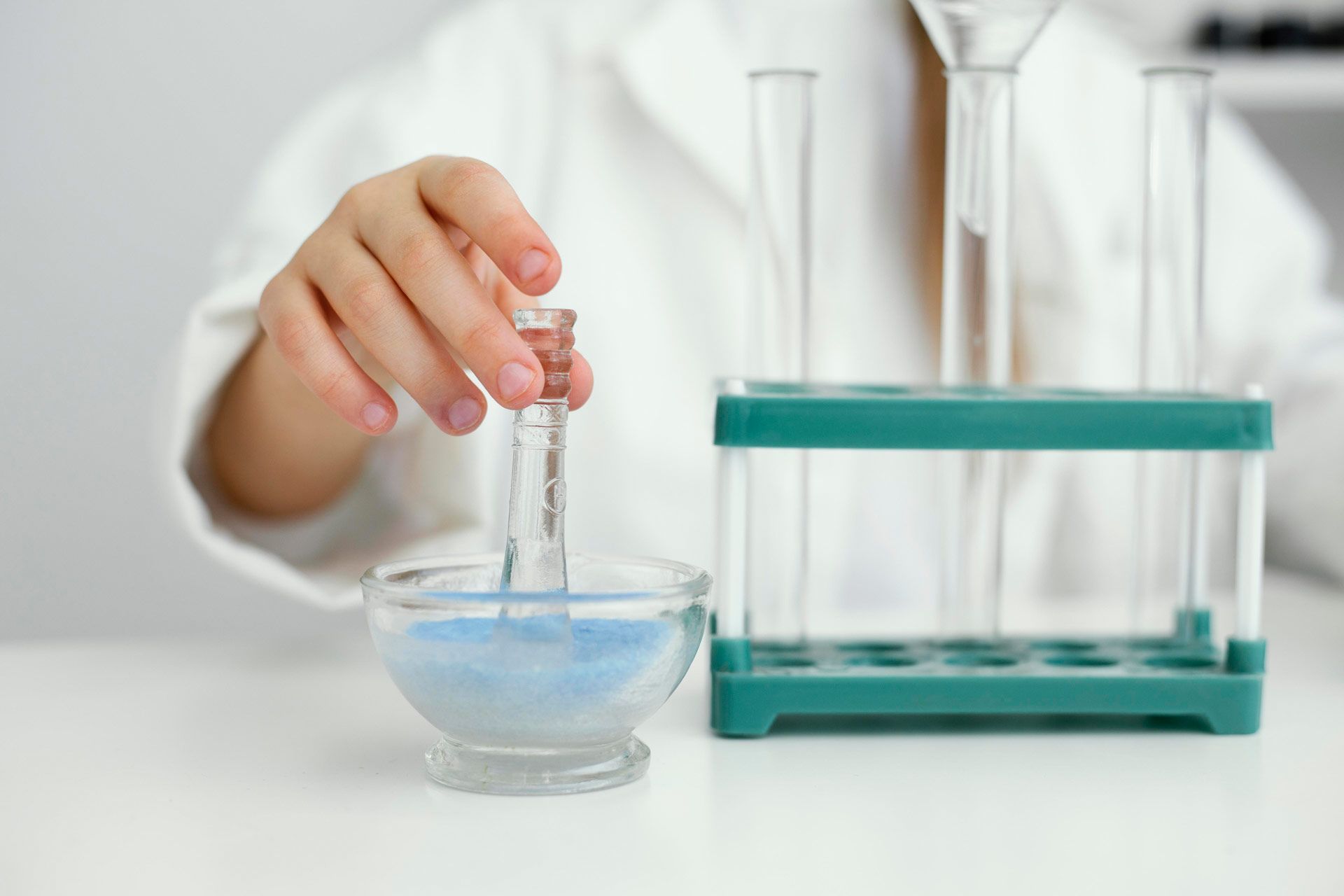
The process is simple: the technician fills small vials or test tubes with your water. There’s no mess, no drilling, and no disruption to your home.
Step 3: In-Home Testing (Instant Results)
Most professional water treatment companies use field testing kits that give instant results for common issues such as:
- Water hardness: Measured in grains per gallon (gpg)
- Iron levels: Indicates the potential for staining or metallic taste
- Chlorine: Measures chemical levels in city water
- pH balance: Shows whether your water is acidic or alkaline
- Total dissolved solids (TDS): Reveals the concentration of minerals and salts
Results are typically available on-site within minutes.
Step 4: Detailed Laboratory Analysis (if needed)
For more advanced concerns — like bacterial contamination, nitrates, or heavy metals — the technician may send a sample to a certified lab. Lab tests take a few days but provide an in-depth breakdown of your water chemistry.
Step 5: Review and Recommendation
Once results are ready, your technician explains what they mean in plain language. You’ll see:
- Whether your water meets EPA standards
- Which issues are cosmetic (like taste or odor)
- Which could cause damage (like hardness or iron)
- What solutions would fix them long-term
They may show examples of filtration systems or softeners that target your specific issues — but the testing itself is informational, not a sales pitch.
What Your Test Results Reveal
Your water test results help uncover both visible and invisible problems. Here’s what each key metric can tell you:
Hardness
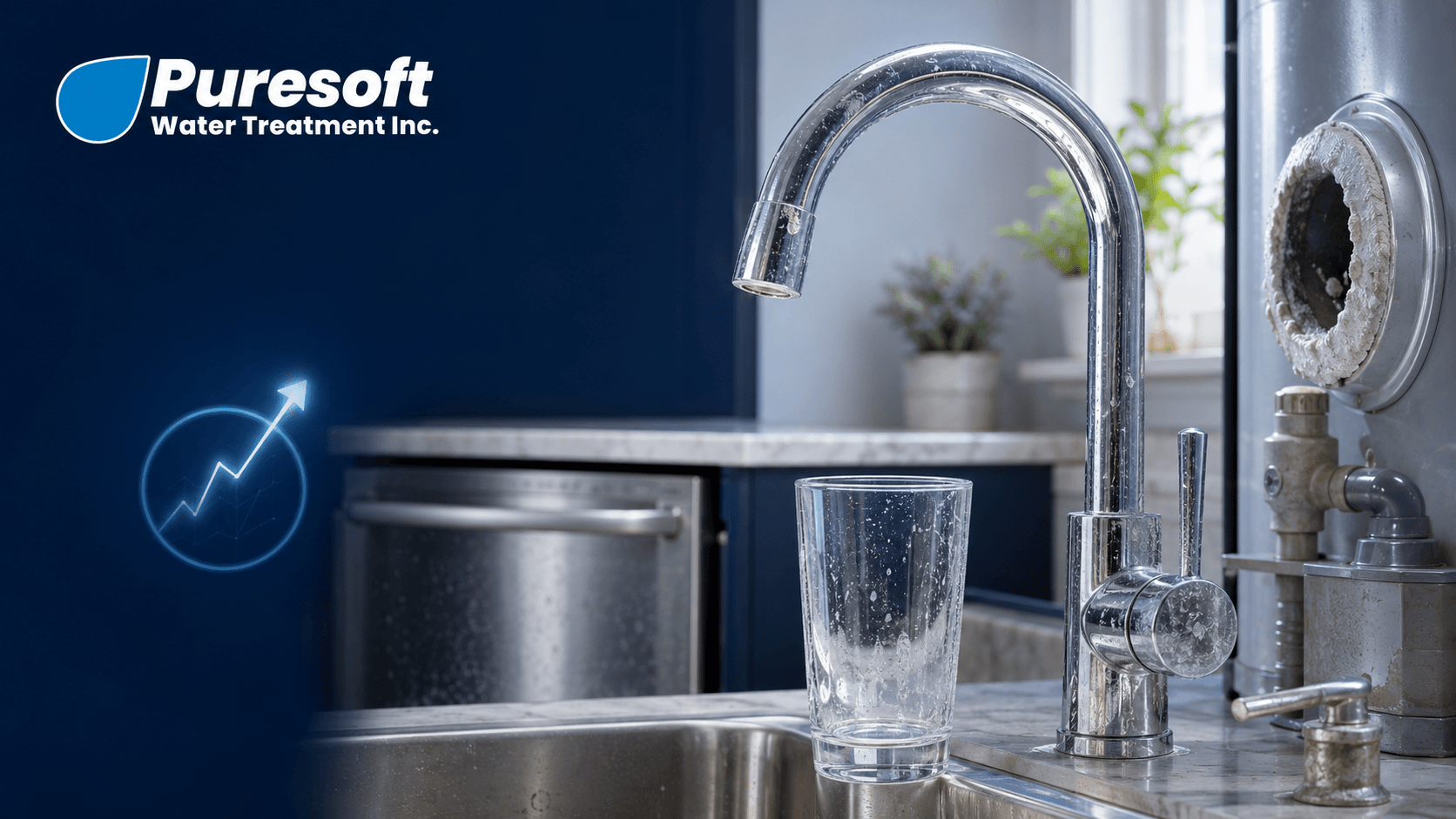
If your water measures above 7 grains per gallon, it’s considered hard. Most Franklin homes test between 18–25 gpg — among the hardest in the country. Hardness leads to scale buildup, reduced efficiency, and dry skin.
Iron and Manganese
These cause orange or black staining on sinks, tubs, and laundry. They also give water a metallic taste. Even low levels (0.3 ppm) can cause noticeable problems.
Chlorine and Chemical Residues
City water often contains disinfectants that can dry skin, fade fabrics, and affect taste. While safe to drink, these chemicals can irritate sensitive skin or corrode plumbing fixtures over time.
Sulfur
If your water smells like rotten eggs, it’s likely due to hydrogen sulfide gas. A water test measures its concentration and helps determine whether a carbon or oxidation filter is needed.
pH Balance
Water that’s too acidic (below pH 6.5) can corrode copper pipes and leach metals. Too alkaline, and it can leave mineral deposits. Testing helps identify imbalances before they cause damage.
How to Prepare for Your Water Test
There’s not much you need to do before a professional test, but a few quick steps ensure accurate results:
- Avoid using your water softener or filtration system for at least 24 hours before the test (if you have one). This ensures samples reflect untreated water.
- Make note of problem areas — discoloration, odors, or slow water flow — so the technician can inspect those first.
- Have recent maintenance or well reports ready, if applicable. These can help the technician interpret your water chemistry more accurately.
FAQs: Professional Water Testing in Central Indiana
How long does a water test take?
Most in-home tests take 30–45 minutes. If a lab test is needed, you’ll typically receive full results within 3–5 business days.
Is water testing expensive?
Basic professional tests are often free or low-cost when offered by water treatment specialists. Laboratory tests for advanced contaminants may have a small additional fee.
Do I really need a professional test if I can buy a home kit?
Home kits are fine for basic hardness checks but can’t measure iron, sulfur, or pH as accurately as professional tests. A technician’s analysis provides more reliable results.
Will testing disrupt my water system?
No. Testing only requires collecting small samples — no drilling, plumbing changes, or service interruptions.
How often should I test my water?
Once every year for well water users, and every 2–3 years for municipal water users — or sooner if you notice new stains, odors, or taste changes.
Why Franklin and Central Indiana Homes Need Regular Water Testing
Franklin’s water supply sits on limestone-heavy aquifers, leading to naturally high mineral levels. Over time, untreated hard water can damage plumbing, water heaters, and fixtures — and those effects aren’t always visible until it’s too late.
Even if you’re on city water, chlorine levels and pH fluctuations can vary by season. Annual testing ensures your water stays balanced, safe, and efficient for your home.
Conclusion
A professional water test is quick, simple, and one of the smartest things you can do for your home. It uncovers hidden problems before they turn into costly repairs and helps you make informed decisions about water treatment.
If you’re in
Franklin or anywhere in Central Indiana, schedule a
professional water test with PureSoft Water Treatment. You’ll get fast, accurate results, expert insights, and recommendations tailored to your home’s unique water needs — ensuring every drop you use is clean, safe, and pure.