Understanding VOCs and Heavy Metals in Central Indiana Tap Water
March 29, 2026
Introduction
Most Central Indiana homeowners turn on their taps expecting clean, safe water. Yet, what looks clear can sometimes carry unseen contaminants — specifically volatile organic compounds (VOCs) and heavy metals. These pollutants often enter water supplies through industrial runoff, agricultural chemicals, or aging infrastructure, and they can linger unnoticed for years.
If you’ve ever wondered why your water smells strange, tastes metallic, or leaves residue on fixtures, there’s a chance VOCs or metals are involved. Understanding what they are, where they come from, and how to treat them is essential for maintaining safe, high-quality water in your home.
This guide breaks down the science behind these contaminants, explains their effects on health and plumbing, and offers proven treatment solutions trusted by Franklin and Central Indiana homeowners.
What Are VOCs and Heavy Metals?
Before discussing treatment, it’s important to understand what these two contaminant groups actually are — and how they behave in water.
Volatile Organic Compounds (VOCs)
VOCs are carbon-based chemicals that easily vaporize into the air. In water, they can come from industrial solvents, gasoline, paints, or cleaning products that have seeped into groundwater.
Common VOCs detected in Indiana water include:
- Trichloroethylene (TCE) – used in metal degreasing.
- Tetrachloroethylene (PCE) – common in dry cleaning fluids.
- Benzene and toluene – found in petroleum products.
- Chloroform – a byproduct of chlorine disinfection.
Even at trace levels, long-term VOC exposure can increase health risks, including liver and kidney stress or potential carcinogenic effects.
Heavy Metals
Heavy metals occur naturally in soil and rock, but they also enter water through corrosion, mining, and industrial discharge. In Central Indiana, the most common include:
- Lead – from aging service lines or plumbing.
- Iron and manganese – abundant in local groundwater.
- Copper – from household plumbing corrosion.
- Arsenic and chromium – from natural deposits or industrial waste.
Unlike VOCs, heavy metals don’t evaporate or break down easily. Once in your water, they accumulate — both in your plumbing and, potentially, in your body.
How VOCs and Heavy Metals Enter Indiana Tap Water
Water quality across Central Indiana can vary widely depending on whether your home relies on municipal supply or a private well. Understanding how contaminants reach these systems helps you identify the right treatment approach.
1. Industrial and Agricultural Runoff
Central Indiana’s manufacturing history means residual chemicals can linger in soil and groundwater. Agricultural activity contributes pesticides, herbicides, and nitrates that interact with metal deposits underground.
2. Aging Infrastructure
Franklin and nearby towns have older water lines that can corrode over time. When pipes containing lead or copper deteriorate, those metals leach into the water — especially if the water’s pH is slightly acidic.
3. Natural Groundwater Conditions
Indiana’s limestone and shale formations naturally release iron and manganese into aquifers. While not always harmful, these minerals can discolor water, stain fixtures, and give a metallic taste.
4. Water Treatment and Distribution
Even municipal water systems can develop secondary contamination from chlorination byproducts or stagnant pipes. VOCs and metals can also enter through leaks, old joints, or household plumbing systems that haven’t been updated.
How to Protect Your Home from VOCs and Heavy Metals
Once you understand the sources, prevention becomes easier. Below are effective steps for identifying and managing these contaminants.
Step 1: Test Your Water
The only way to know if VOCs or heavy metals are present is through professional testing. Franklin homeowners should request a comprehensive water analysis covering:
- VOC screening (EPA Method 524.2)
- Heavy metal panel (lead, arsenic, iron, manganese, copper)
- pH and hardness levels
Well owners should test annually, while city water users should test every two to three years — especially if they notice unusual taste, odor, or color.
Step 2: Choose the Right Treatment System
Once contaminants are identified, select the proper system based on type and concentration.
For VOC Removal
- Activated Carbon Filtration: The best line of defense against most VOCs. Carbon media adsorbs organic chemicals and improves taste and odor.
- Air Stripping Systems: Effective for severe contamination, especially in well water with high VOC content.
For Heavy Metal Removal
- Reverse Osmosis (RO) Systems: Remove lead, arsenic, and chromium at the molecular level, ideal for drinking water taps.
- Ion Exchange Systems: Replace heavy metal ions with safer ones like sodium or potassium.
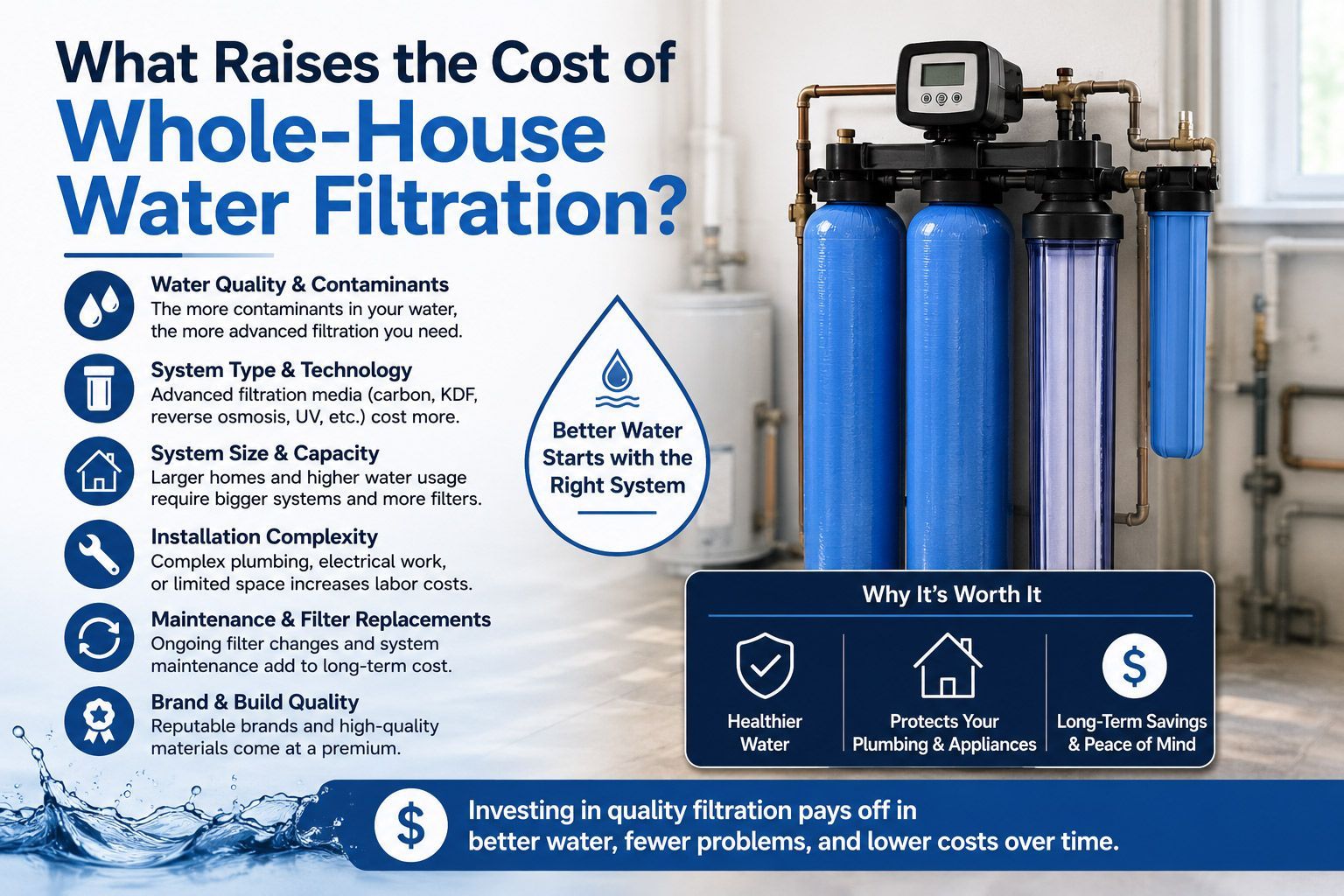
- Whole-House Filtration Systems: Treat all incoming water to protect plumbing and fixtures.
Step 3: Maintain Your Filtration System
Even the best systems require maintenance to remain effective. Follow these tips:
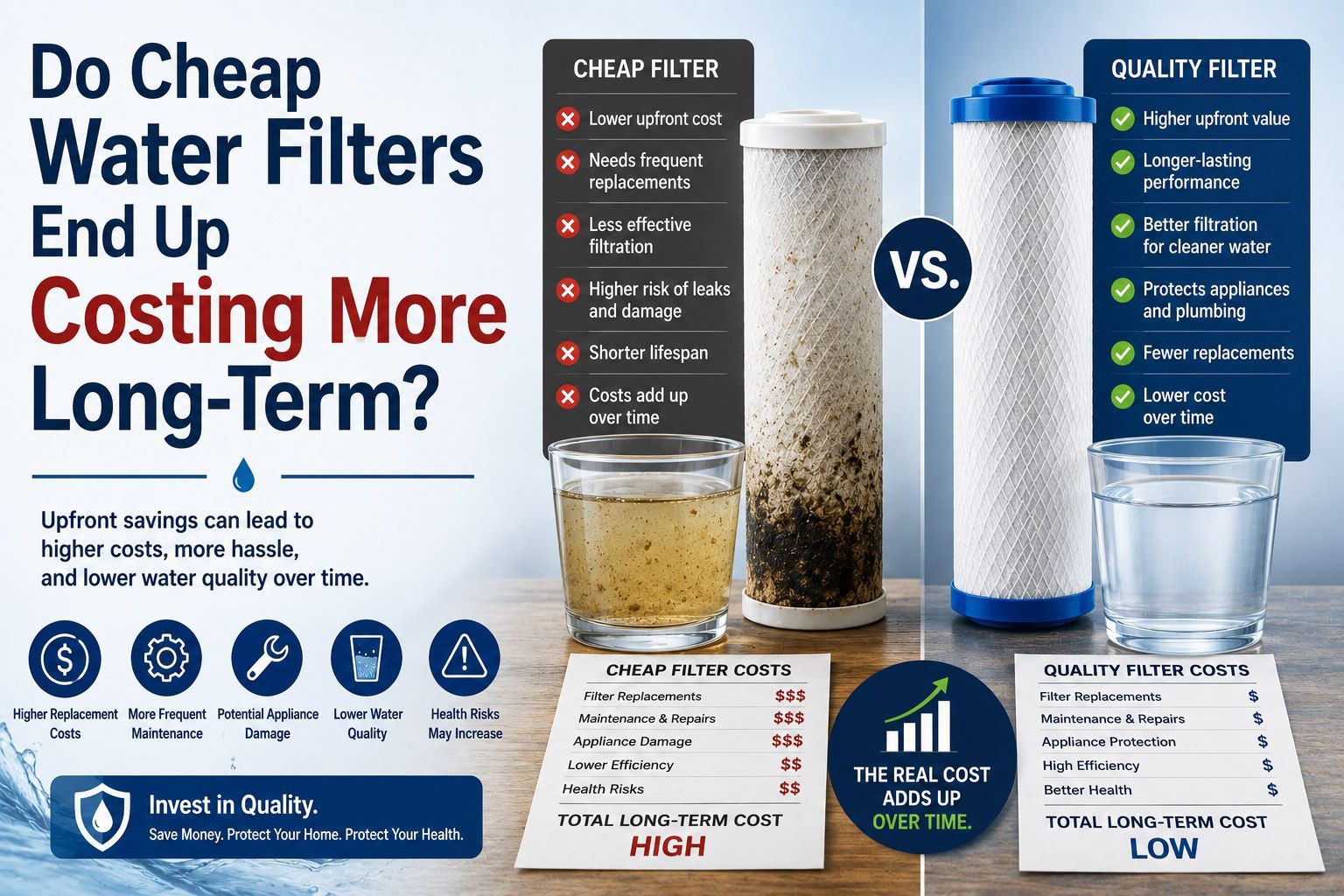
- Replace filters according to manufacturer recommendations.
- Flush systems regularly to prevent buildup.
- Schedule annual service visits to test water and verify performance.
Step 4: Update Aging Plumbing
If your home was built before 1986, it may have lead solder or older copper pipes. Replacing these components ensures cleaner water and prevents recontamination after treatment.
The Risks of Ignoring VOCs and Metals
Ignoring contamination might save short-term costs but can lead to bigger problems later. For homeowners in Central Indiana, the risks include:
- Health Effects: Prolonged exposure to lead, arsenic, or VOCs can cause neurological, reproductive, or immune issues.
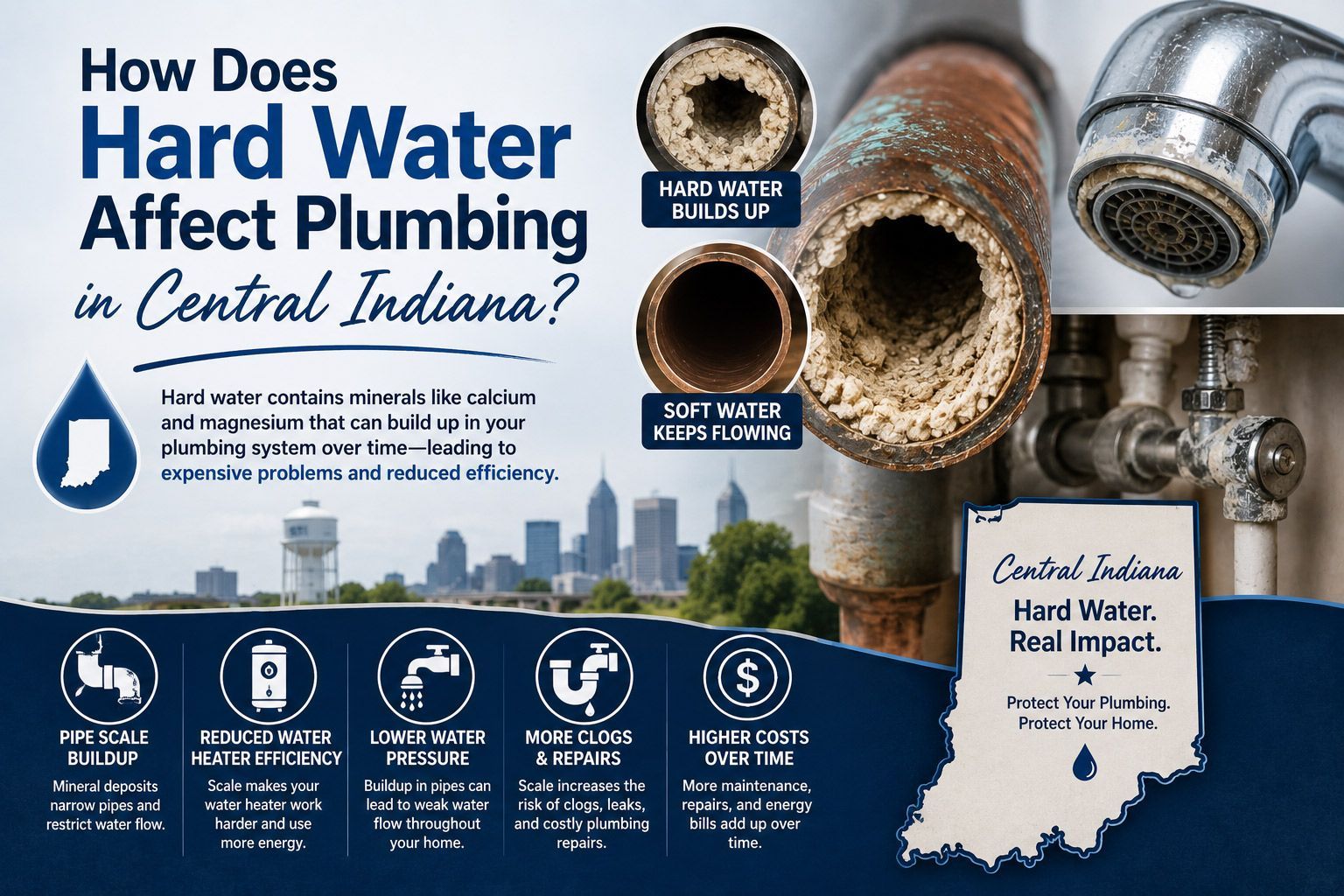
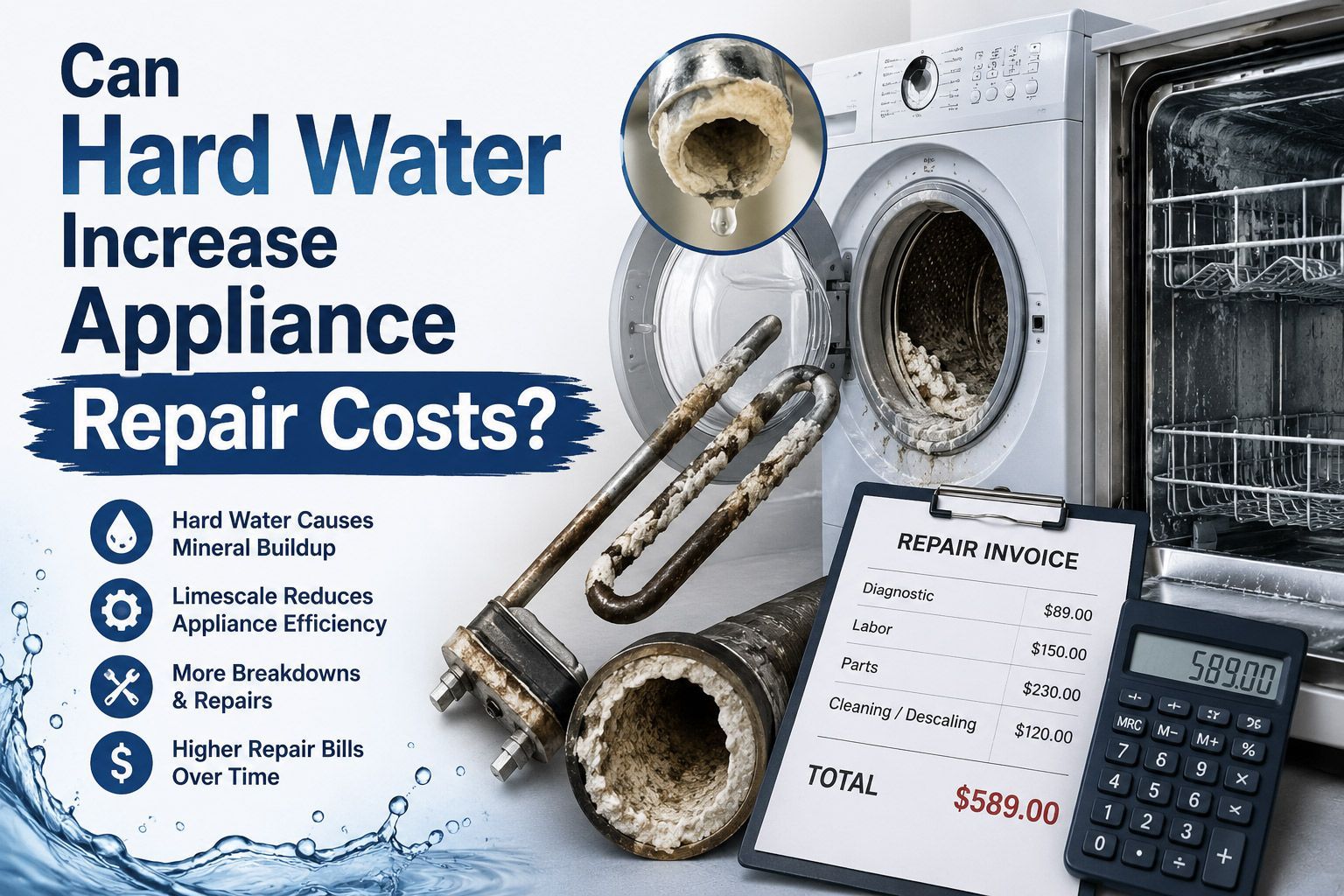
- Appliance Damage: Metals and chemicals corrode water heaters, dishwashers, and plumbing components.
- Aesthetic Problems: Metallic taste, odor, or staining on fixtures.
- Home Value Impact: Water quality issues can reduce property appeal during resale.
Taking action early keeps your home safer and your system more efficient in the long run.
Frequently Asked Questions
What are the symptoms of VOCs in tap water?
VOCs often cause an unusual chemical smell, similar to paint thinner or fuel. Long-term exposure may cause headaches or nausea, but testing is the only reliable way to detect them.
How can I tell if my water has heavy metals?
A metallic taste, rusty color, or blue-green stains near faucets can indicate metal presence, but lab testing confirms exact levels.
Are VOCs regulated by the EPA?
Yes. The EPA sets Maximum Contaminant Levels (MCLs) for several VOCs like TCE, PCE, and benzene to protect public health.
Is bottled water safer than tap water?
Not always. Many bottled waters come from municipal sources and lack consistent regulation. A properly treated home system provides better control and assurance.
Do carbon filters remove lead?
Standard carbon filters don’t remove lead effectively. You’ll need a reverse osmosis or specialized lead filter for reliable protection.
Conclusion
Clean water is more than a convenience — it’s a foundation for your family’s health and your home’s longevity. In Central Indiana, where VOCs and heavy metals can quietly infiltrate water supplies, proactive testing and filtration are the best safeguards.
By pairing a professional water test with the right treatment system — whether it’s a carbon filter, reverse osmosis unit, or whole-house setup — you’ll ensure every drop that flows through your tap is safe, pure, and dependable.
For Franklin homeowners, investing in expert
water treatment solutions isn’t just about better-tasting water; it’s about peace of mind.