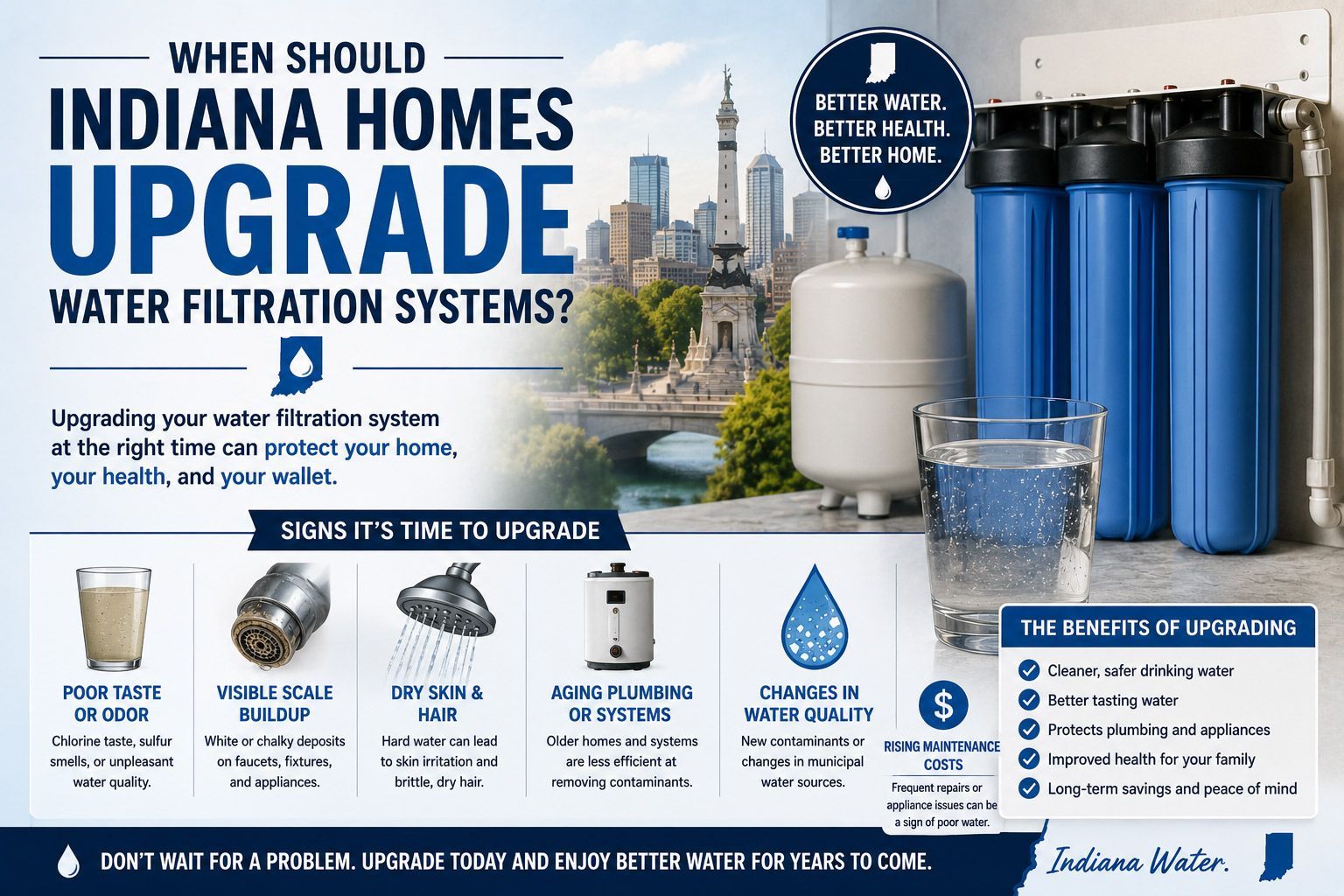
How Pure Water Can Extend the Life of Your Appliances (and Save You Money)

April 16, 2026

Water droplet rising from rippled blue water.

Introduction

Your home’s water quality affects more than just taste — it directly impacts how long your appliances last and how efficiently they run. If you’ve noticed cloudy dishes, mineral buildup in your coffee maker, or rising utility bills, hard water may be the culprit.


For homeowners in Franklin, Indiana, where water hardness is among the highest in Central Indiana, the problem is especially common. Hard water quietly wears down washing machines, dishwashers, and water heaters, leading to expensive repairs and replacements long before their time.


This article explains how pure, treated water helps your appliances perform better, last longer, and save you money — all while making daily life easier.


The Hidden Cost of Hard Water

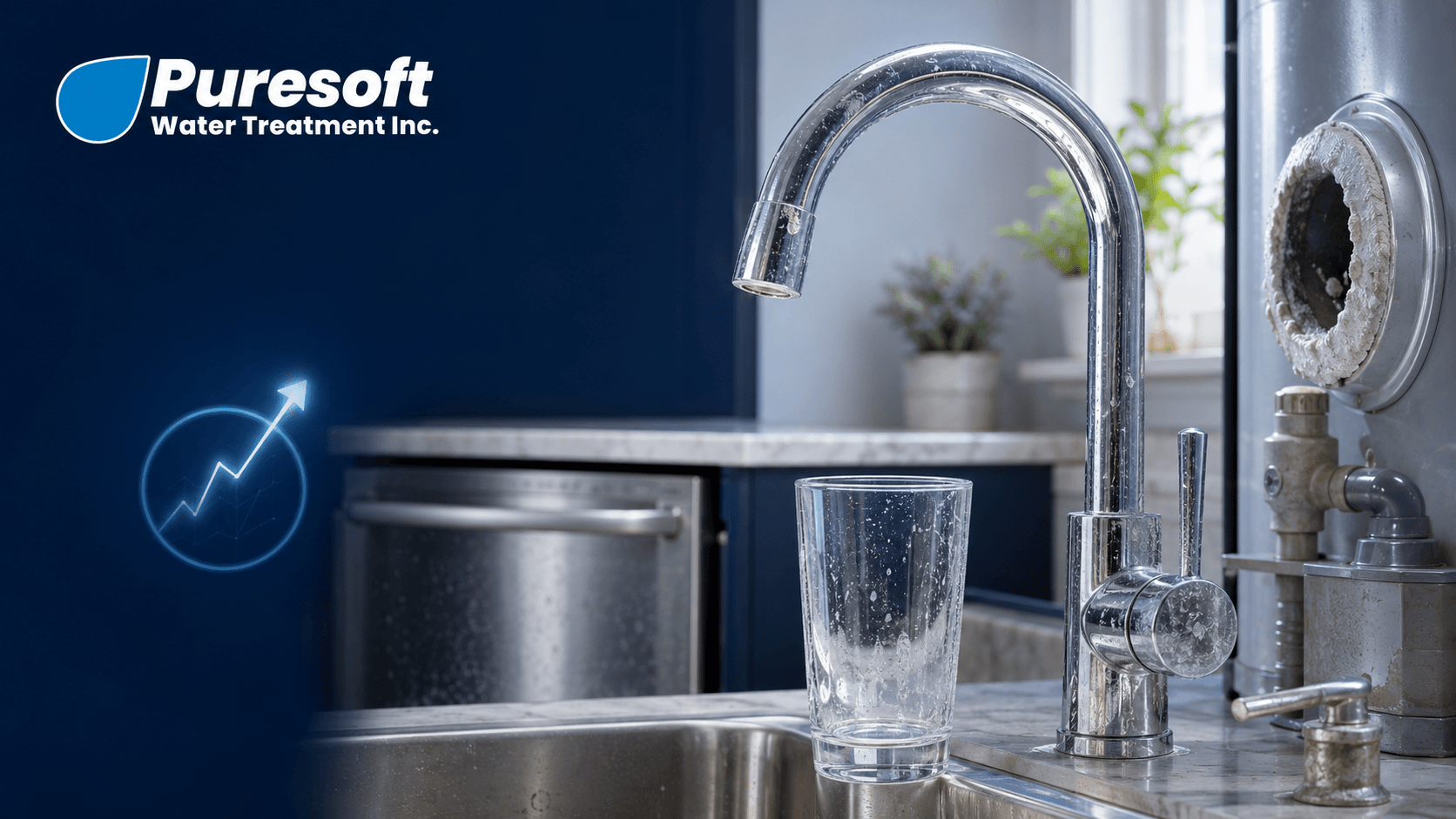
Hard water contains high levels of calcium and magnesium, which can accumulate inside appliances and pipes. Over time, these minerals create limescale, a chalky, rock-like deposit that causes:

  • Reduced water flow and heating efficiency
  • Increased energy consumption
  • More frequent breakdowns
  • Shortened appliance lifespans

To understand the true impact, imagine what happens inside your home’s most-used systems.


Washing Machines and Dishwashers

Hard water reduces the effectiveness of soaps and detergents. As a result, you use more detergent but still get dingy clothes and spotty dishes. Mineral deposits also coat internal parts like heating elements and pumps, leading to sluggish cycles and costly repairs.


Water Heaters

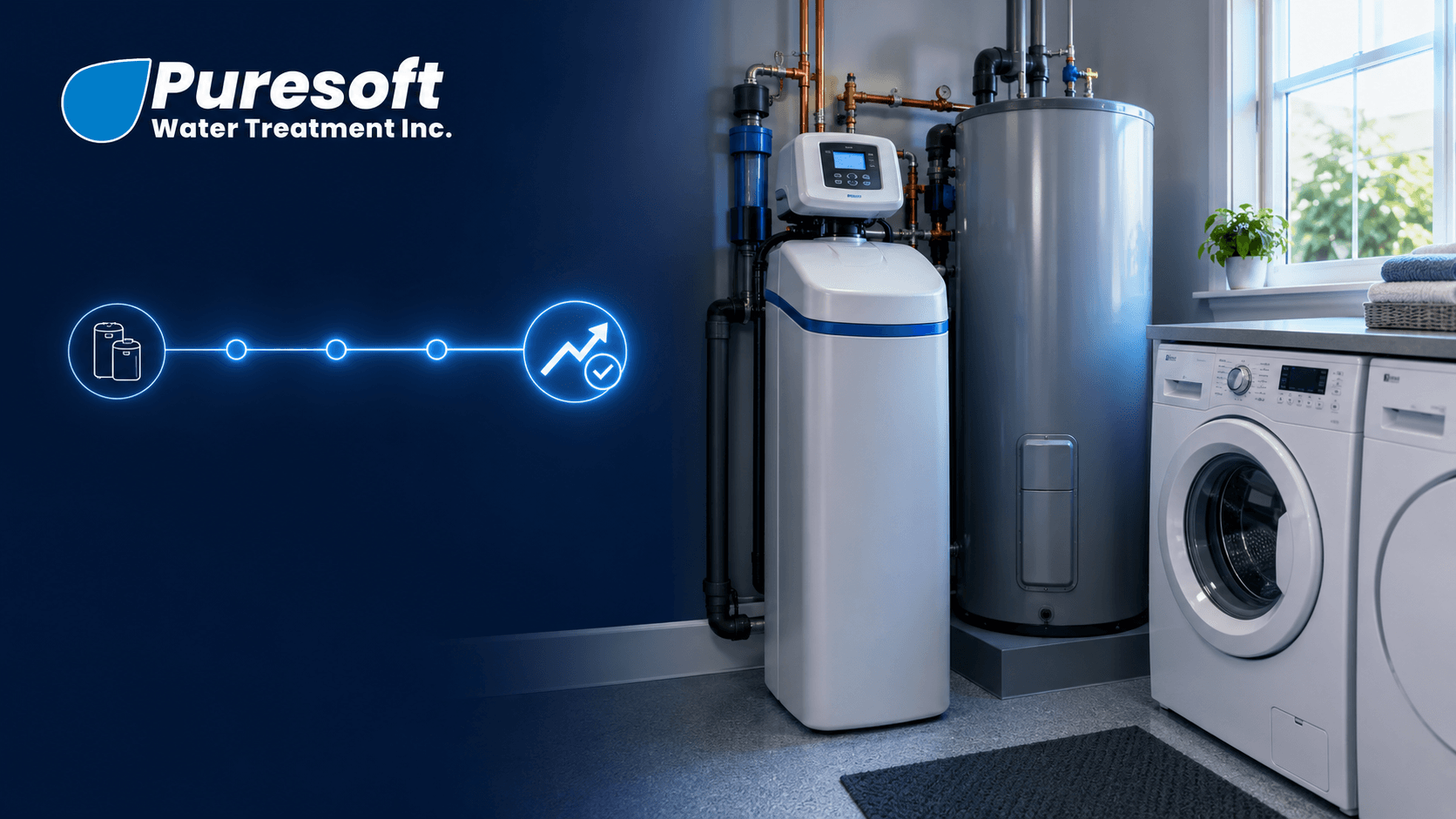
Scale buildup inside water heaters acts as insulation, forcing the unit to work harder to heat water. Studies show that just 1/8 inch of scale can increase energy use by up to 25%. Over time, this extra strain can burn out heating elements and reduce tank life by several years.


Coffee Makers and Ice Machines

These smaller appliances are highly sensitive to mineral deposits. Scale clogs internal tubing, affects flavor, and often leads to failure long before the appliance’s expected lifespan.


Plumbing and Faucets

Even beyond appliances, mineral buildup restricts water flow in pipes and creates pressure imbalances. That means your fixtures and valves wear out faster — often requiring early replacement.


How Pure Water Solves the Problem

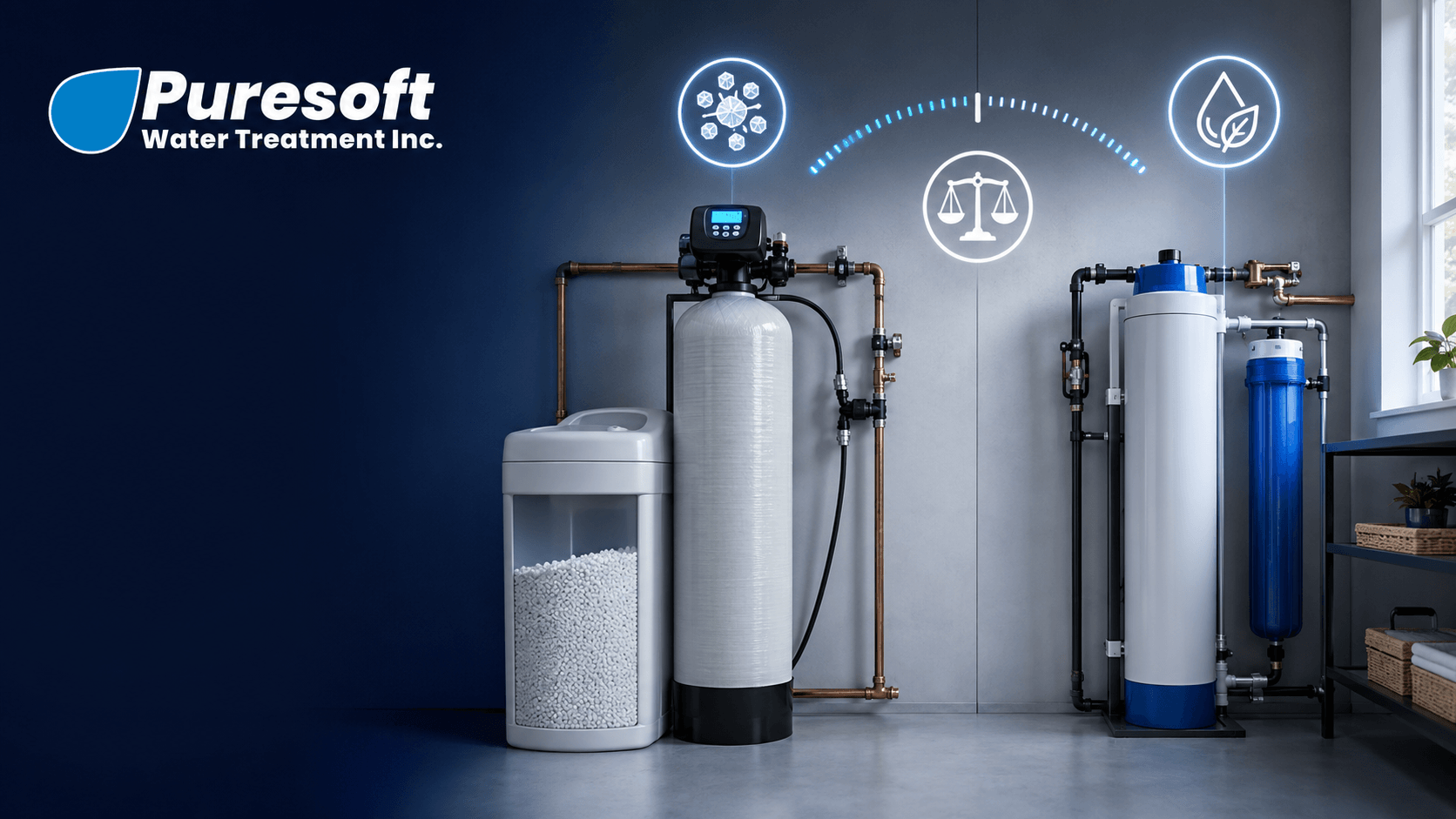
The best way to protect your appliances (and your wallet) is by addressing hard water at its source. Installing a whole-home water softener or filtration system ensures that every drop entering your home is clean and balanced.


How a Water Softener Helps

A water softener removes hardness minerals through an ion exchange process — replacing calcium and magnesium with sodium or potassium. The result is “soft” water that prevents limescale from forming.

Benefits include:

  • Longer-lasting appliances
  • Reduced soap and detergent use
  • Fewer plumbing repairs
  • Better water pressure
  • Smoother skin and cleaner laundry

How a Whole-Home Filtration System Helps

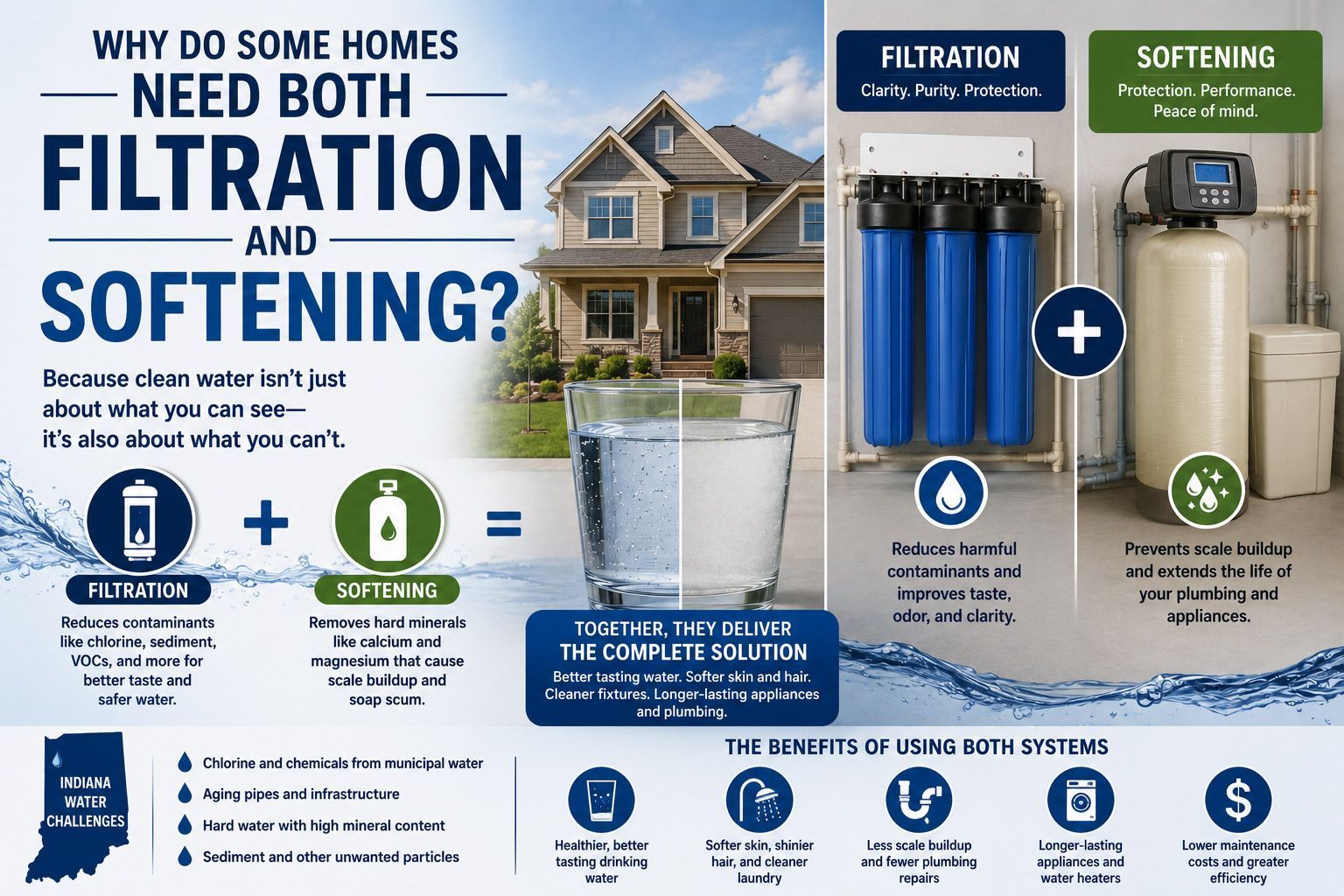
A whole-home water filtration system goes beyond softening. It removes chlorine, sediment, and other impurities that can corrode appliance components. This is especially valuable for homes using municipal water treated with disinfectants.

Together, these systems provide the most complete protection — ensuring soft, pure water flows through every tap, pipe, and appliance in your home.


How Much You Can Save

Switching to treated water isn’t just about comfort — it’s about long-term savings. Here’s how the costs add up:

Energy Efficiency

With scale-free heating elements, your water heater and dishwasher use less energy. According to the Water Quality Research Foundation, soft water can improve heating efficiency by up to 30%.

Appliance Longevity

  • Water heaters: Last up to 50% longer
  • Dishwashers: Last 2–3 years longer
  • Washing machines: Operate with fewer mechanical failures

Reduced Product Waste

Soft water increases the effectiveness of detergents and soaps, allowing you to use up to 50% less cleaning product. Over a year, that can save a typical family hundreds of dollars.


Lower Maintenance and Repairs

By preventing limescale buildup, soft water minimizes the need for professional cleanings, part replacements, and plumbing work — often reducing maintenance costs by 20–40%.


Step-by-Step: Protecting Your Home with Treated Water

Ready to extend the life of your appliances? Here’s how to start:

Step 1: Test Your Water

Begin with a professional water analysis. This identifies hardness levels, iron content, and other impurities. Franklin’s average hardness is typically 18–25 grains per gallon, which qualifies as very hard water — making treatment essential.


Step 2: Choose the Right System

  • Water Softener: Best for homes struggling with limescale and mineral buildup.
  • Whole-Home Filtration: Ideal for reducing chlorine and chemical residues.
  • Combination System: Offers full protection — softened and purified water for every use.

Step 3: Schedule Professional Installation

A certified local installer ensures your system is sized correctly and optimized for your home’s water source. Proper setup means consistent performance and less maintenance over time.


Step 4: Maintain Regularly

Keep your system in top condition with annual service checks and timely filter replacements. This ensures your investment continues to pay off year after year.


FAQs: Water Quality and Appliance Lifespan

  • How does hard water shorten appliance lifespan?

     Minerals form deposits on heating elements, pumps, and pipes, causing them to overheat, corrode, or clog.

  • Can I use a small filter instead of a whole-home system?

     Point-of-use filters help with taste but don’t protect your plumbing or large appliances. A whole-home system treats all water entering your home.

  • Does a water softener use a lot of salt?

     Modern systems are very efficient. Salt is only used during regeneration, typically every few days, depending on water use.

  • Will soft water affect my health?

     No — the sodium added during softening is minimal and well below dietary concern levels. You can also choose potassium-based systems for a salt-free alternative.

  • Is pure water worth the cost?

     Yes. Between energy savings, fewer repairs, and longer appliance life, most homeowners recover their investment within a few years.

Why It Matters for Franklin, Indiana Homes

Franklin and Central Indiana homeowners experience some of the hardest water in the Midwest. Without treatment, minerals quickly accumulate inside appliances, leading to performance issues and premature replacements.


With a reliable softener or filtration system, you’ll enjoy more than just cleaner water — you’ll extend the life of your plumbing, reduce repair bills, and improve your family’s daily comfort.


Conclusion

Your water quality affects every part of your home — from your dishwasher’s efficiency to the lifespan of your water heater. Hard water quietly costs you money through higher energy bills, wasted detergents, and frequent repairs.


By installing a water softener or whole-home filtration system, you’re not just improving water quality; you’re protecting your investment in your home.


If you live in Franklin or anywhere in Central Indiana, PureSoft Water Treatment can help you find the right system to deliver pure, cost-saving water every day. Schedule your professional water test today and start saving money with cleaner, softer water.
April 12, 2026
Learn the true difference between water softeners and water conditioners. Discover which system is best for your Franklin, IN home and how to protect your plumbing from hard water.
April 9, 2026
Discover why whole-home water filtration systems are essential for Central Indiana homes. Learn how they improve taste, protect plumbing, and ensure cleaner, safer water.
April 5, 2026
Learn the warning signs of a failing water softener and how Franklin, IN homeowners can prevent costly plumbing damage with timely replacement and testing.
April 2, 2026
Discover what discoloration, odors, or residue in your tap water reveal about your home’s water quality. Learn how Franklin, IN homeowners can fix these issues with water treatment solutions.
March 29, 2026
Learn how Central Indiana homeowners can prevent hard water damage with the right water treatment solutions. Discover proven ways to protect plumbing and appliances.
March 26, 2026
Discover how Indiana’s seasonal changes impact water quality and your home’s treatment system. Learn prevention and maintenance tips for clean, consistent water.
March 22, 2026
Learn how VOCs and heavy metals affect Central Indiana tap water. Discover their sources, health risks, and the best treatment systems for clean, safe water.
March 19, 2026
Learn how Franklin, IN homeowners can prevent scale build-up, protect plumbing, and extend appliance life with effective water treatment solutions.
March 15, 2026
Learn the difference between salt-based and salt-free water softeners for Indiana homes. Discover which system best fits your water quality, budget, and maintenance needs.
March 12, 2026
Introduction For many Indiana homeowners, private wells are the main source of household water. Unlike city water, well water isn’t treated or monitored by local utilities — meaning the responsibility for safety and quality falls entirely on the homeowner. While well water can taste fresh and natural, it can also contain iron, manganese, sulfur, bacteria, and even trace contaminants like nitrates or arsenic. Over time, these impurities can damage plumbing, stain fixtures, and impact health if left untreated. This guide explores the most effective treatment options for Indiana well water , helping you protect your home, your appliances, and your family. Understanding Well Water in Indiana Why Well Water Requires Special Attention Indiana’s geology includes layers of limestone, shale, and sand — materials that naturally leach minerals into groundwater. That’s why homes across Johnson, Morgan, and Brown counties often experience high hardness levels and metal content.  Unlike municipal water systems, private wells don’t have chlorine disinfection or centralized filtration. That means: There’s no automatic testing or regulation . Water quality can change seasonally after rain or drought. Contaminants like bacteria or iron can enter through soil or aging well components. Routine testing and treatment are essential to ensure safety and performance. Common Issues Found in Indiana Wells Before discussing treatment systems, here are the most frequent problems homeowners in Franklin and surrounding areas encounter: Hard Water: High calcium and magnesium causing scale buildup. Iron and Manganese: Staining sinks, laundry, and fixtures. Sulfur Odor: “Rotten egg” smell from hydrogen sulfide gas. Bacteria or Coliform Contamination: Unsafe for consumption without disinfection. Sediment and Cloudiness: From sand or clay infiltration. Nitrates and VOCs: Often from agricultural runoff or nearby industrial areas. Understanding which of these affect your water is the first step to finding the right solution. Best Treatment Options for Indiana Well Water Every well is unique — but the following systems address the most common problems found across Indiana homes. 1. Water Softeners for Hardness and Iron Hard water is nearly universal in Indiana. A water softener removes calcium, magnesium, and small amounts of iron using an ion exchange process. This prevents scale buildup in pipes, improves soap efficiency, and protects water heaters and fixtures. Best for: Hardness levels above 7 grains per gallon (gpg) or visible scaling. Maintenance tip: Check salt levels regularly and schedule system servicing once a year. 2. Iron and Manganese Filtration Systems If you notice orange or black stains, your water likely contains dissolved metals. Filtration systems with oxidation media or air injection convert these metals into solid particles that are then trapped and flushed away. Best for: Moderate to high iron or manganese content. Example system types: Birm or Katalox Light filters Air-oxidizing iron filters Chlorine injection with carbon filtration for severe contamination 3. Activated Carbon Filtration for Odors and Chemicals Activated carbon filters are excellent for improving taste and removing chemical contaminants like chlorine, VOCs, or pesticides. While wells don’t typically have chlorine, carbon filters are ideal for eliminating musty or metallic tastes and sulfur smells. Best for: Odors, discoloration, or chemical runoff from agricultural areas. Maintenance tip: Replace carbon media every 6–12 months depending on use and water quality. 4. UV Disinfection Systems for Bacteria Even a small crack in your well casing can introduce bacteria or coliform organisms into the water supply. Ultraviolet (UV) systems disinfect water using light instead of chemicals, effectively neutralizing harmful microorganisms without altering taste. Best for: Homes with recurring bacteria problems or no chlorination. Important note: UV systems require clear water — pair with a sediment or carbon filter for best performance. 5. Reverse Osmosis (RO) Systems for Drinking Water For the purest water possible, reverse osmosis systems remove up to 99% of dissolved solids, including nitrates, arsenic, and lead. RO units are typically installed under the kitchen sink or as part of a point-of-use system. Best for: Households concerned about chemical contaminants or heavy metals. Added benefit: Ideal for cooking and baby formula preparation. 6. Sediment Filters for Clarity and Equipment Protection Sediment filters trap sand, rust, and silt before they reach your home’s main plumbing. These filters are inexpensive and extend the life of other treatment systems by preventing clogging. Best for: Homes drawing from shallow wells or older wells prone to sediment infiltration. How to Protect and Maintain Your Well Water Even the best treatment systems need proper maintenance to stay effective. Follow these key steps to ensure consistent water quality year-round. Schedule Annual Testing The Indiana Department of Health recommends testing private wells at least once per year for bacteria, nitrates, and metals. Seasonal flooding or construction nearby can change your water composition quickly. Inspect and Clean the Well Cap Ensure the cap is sealed, secure, and free from debris. A compromised seal can allow insects or surface runoff to contaminate your water. Service Filtration Equipment Regularly Filters, softeners, and UV bulbs all have service intervals. Partnering with a local Franklin water treatment professional ensures these components are replaced and calibrated properly. Keep Records of Water Tests and Maintenance Tracking results over time helps identify trends and anticipate issues before they affect your home. Frequently Asked Questions