How to Interpret Your Home Water Test Results (and What to Do Next)
December 7, 2025
Introduction
You’ve tested your home’s water—whether through a DIY kit or a professional service—and now you’re staring at numbers, chemical names, and abbreviations that don’t make much sense. What exactly do they mean? More importantly, what do you need to do about them?
For Indiana homeowners, understanding water test results is critical. Hardness, iron, chlorine, pH, and other factors can affect everything from appliance performance to your family’s health. This guide walks you through how to interpret your results and the practical steps to take next.
Understanding Your Water Test Results
Most home water tests measure several common factors. Each tells you something different about the safety, taste, and performance of your water supply.
Hardness
Measures the amount of calcium and magnesium in your water.
- Soft water: 0–60 ppm (parts per million)
- Moderately hard: 61–120 ppm
- Hard: 121–180 ppm
- Very hard: 181+ ppm
Hard water is very common in Indiana and can cause scale buildup, stains, and soap inefficiency.
Iron
Even small amounts of iron can cause reddish stains on fixtures, laundry, and dishes. Levels above 0.3 ppm are usually noticeable.
Manganese
Dark staining or black specks often point to manganese. Levels above 0.05 ppm may cause visible issues and affect taste.
Chlorine
Common in municipal water supplies for disinfection. While generally safe, high levels can create an unpleasant taste and smell, and contribute to dry skin.
pH
Indicates how acidic or alkaline your water is. Neutral pH is 7. Below 7 is acidic (which can corrode pipes), and above 7 is alkaline (which can cause scale).
Total Dissolved Solids (TDS)
Reflects the overall level of minerals, salts, and metals in your water. Higher TDS often means harder water and potential taste issues.
Contaminants
Depending on the test, results may also include bacteria, nitrates, or lead. Any positive result in these categories requires immediate professional attention.
What to Do Next: A Step-by-Step Guide
Understanding your water test is only the first step. The real value comes from knowing what to do with that information.
Step 1: Identify your main concerns
Review your results and note the issues most relevant to your household, whether that’s staining, taste, odor, or safety concerns.
Step 2: Match results with treatment options
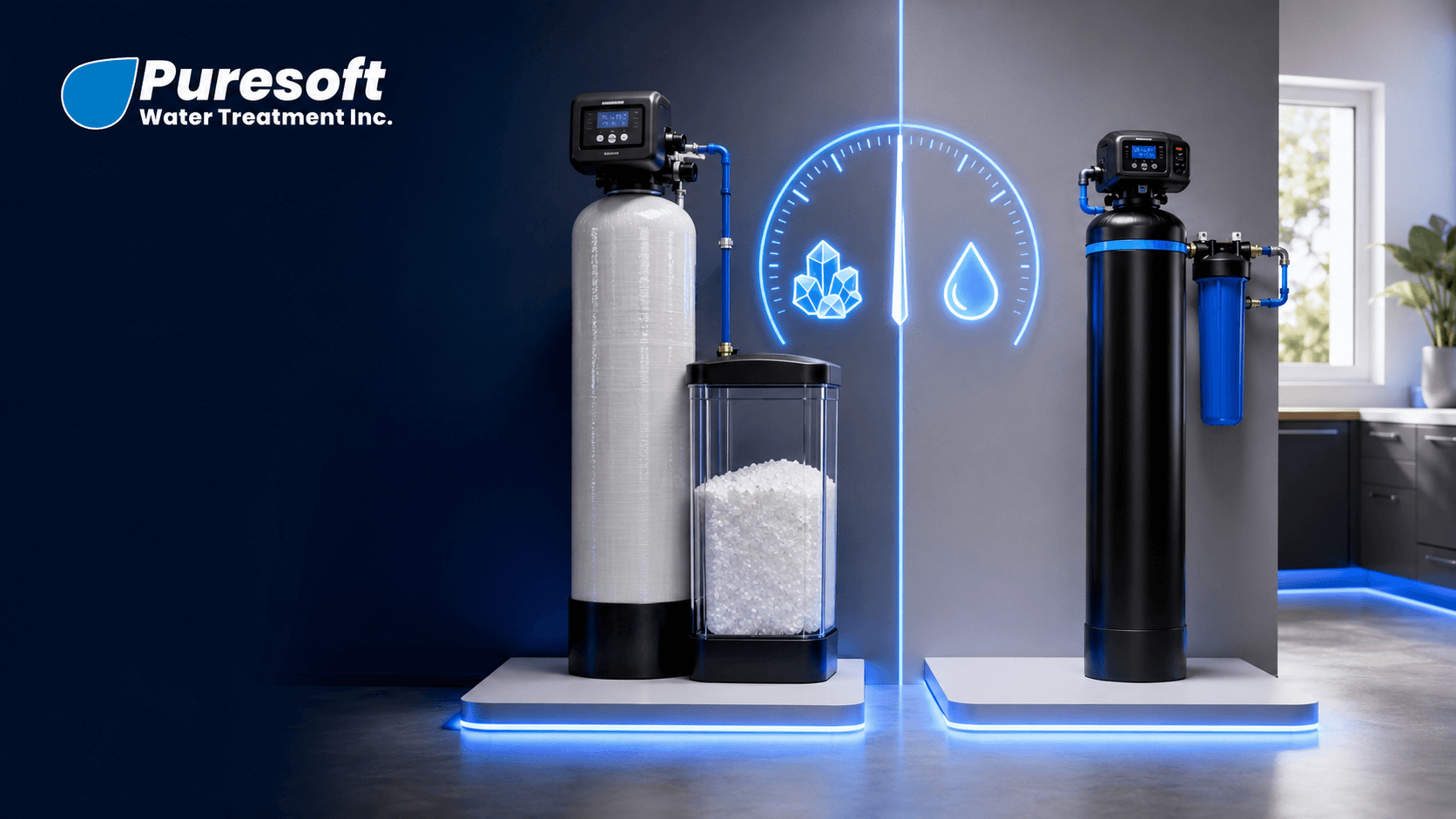
- Hardness: Best addressed with a water softener.
- Iron and manganese: Require specialized filters or oxidation systems.
- Chlorine: Can be reduced with carbon filtration or whole-house filters.
- Low or high pH: Neutralizing filters can balance acidity or alkalinity.
- Bacteria or contaminants: May require UV systems or reverse osmosis treatment.
Step 3: Consider system size and scope
Decide whether you need a whole-house system for comprehensive protection or point-of-use solutions (like drinking water filters) for targeted issues.
Step 4: Get professional confirmation
DIY kits are helpful, but professional testing ensures accuracy and provides recommendations tailored to Indiana’s specific water conditions.
Step 5: Plan ongoing maintenance
Any treatment system requires maintenance, whether it’s adding salt to a softener, replacing cartridges, or scheduling annual service.
FAQs on Water Test Results
How often should I test my home water?
At least once a year, or whenever you notice changes in taste, odor, or staining.
Are DIY water test kits accurate?
They provide a general snapshot, but professional testing is more precise and includes a wider range of contaminants.
Is hard water dangerous to drink?
No. Hard water is safe but can be costly due to plumbing damage and appliance inefficiency.
What if my test shows bacteria?
Stop drinking the water immediately and contact a professional. Bacteria contamination requires specialized disinfection or treatment.
Can one system fix all water issues?
Not usually. Most homes need a combination of systems—like a softener plus filtration—for complete water quality improvement.
Conclusion
Interpreting water test results doesn’t have to feel overwhelming. Once you understand what each measurement means, the path forward becomes clear. For most Indiana homes, especially in areas with very hard water, investing in professional treatment is both a practical and cost-saving choice.
By combining accurate testing with the right equipment, you can protect your family, your plumbing, and your peace of mind.