Soft Water for Laundry: Why Water Softeners Save You Money
March 15, 2026
Introduction
If you’ve ever pulled dull, stiff clothes from the dryer or noticed towels losing their softness, hard water might be the hidden reason. Franklin, IN homeowners often deal with high mineral content in their water — mostly calcium and magnesium — which interfere with detergent performance and leave residue on fabrics.
While many people see water softeners as a “nice-to-have,” they’re actually one of the most practical upgrades you can make for your home. Beyond comfort, soft water directly saves you money by reducing detergent use, preserving clothing, and extending the life of appliances. Let’s break down how and why that works.
What Is Soft Water and How Does It Work?
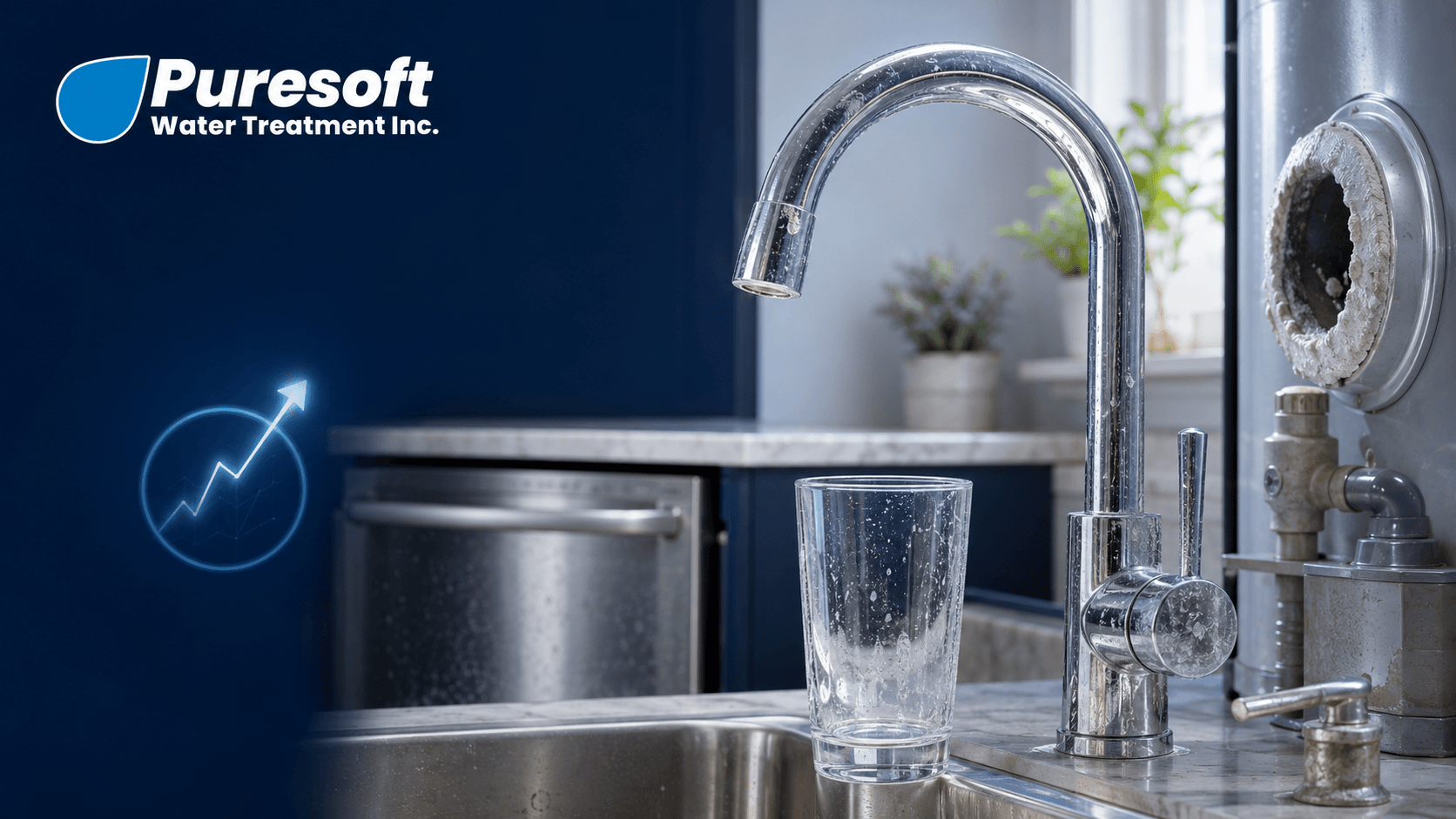
Hard water contains dissolved minerals — primarily calcium and magnesium. When this water mixes with soap or detergent, those minerals react to form soap scum and residue. The result? Detergent doesn’t clean effectively, fabrics stiffen, and buildup accumulates inside your washer.
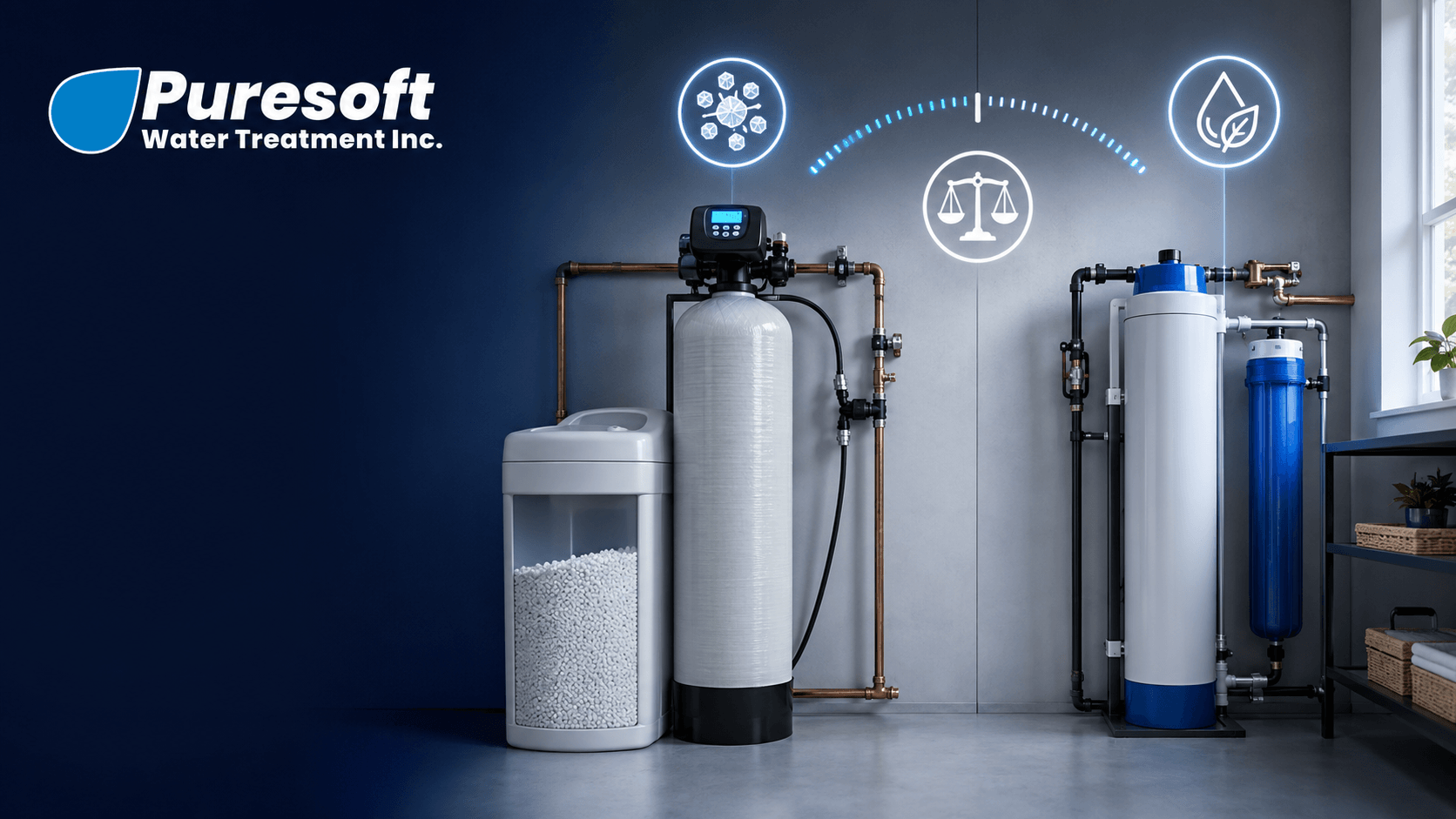
Soft water, by contrast, is treated through a water softener system that uses an ion-exchange process to remove hardness minerals. In this process, calcium and magnesium ions are replaced with sodium or potassium ions, preventing buildup and improving the efficiency of everything water touches — especially laundry.
How Soft Water Saves You Money
Saving money with a water softener goes far beyond your utility bill. Here’s a breakdown of the real, measurable ways it benefits your wallet.
1. You Use Less Detergent
Hard water makes detergents work harder. The minerals bind with soap molecules, reducing their cleaning power. With soft water, detergent dissolves more completely, so you can:
- Use up to
50% less detergent per load.
- Eliminate the need for fabric softeners or booster additives.
- Avoid rewashing clothes that come out dull or stiff.
2. Clothes and Linens Last Longer
Those minerals in hard water don’t just affect your washing machine — they embed themselves into your clothes. Over time, this causes:
- Colors to fade faster.
- Fibers to weaken and tear.
- Whites to turn gray or yellow.
Soft water preserves the integrity of your fabrics, so your clothes stay vibrant and last longer — reducing how often you replace them.
3. Lower Energy Costs
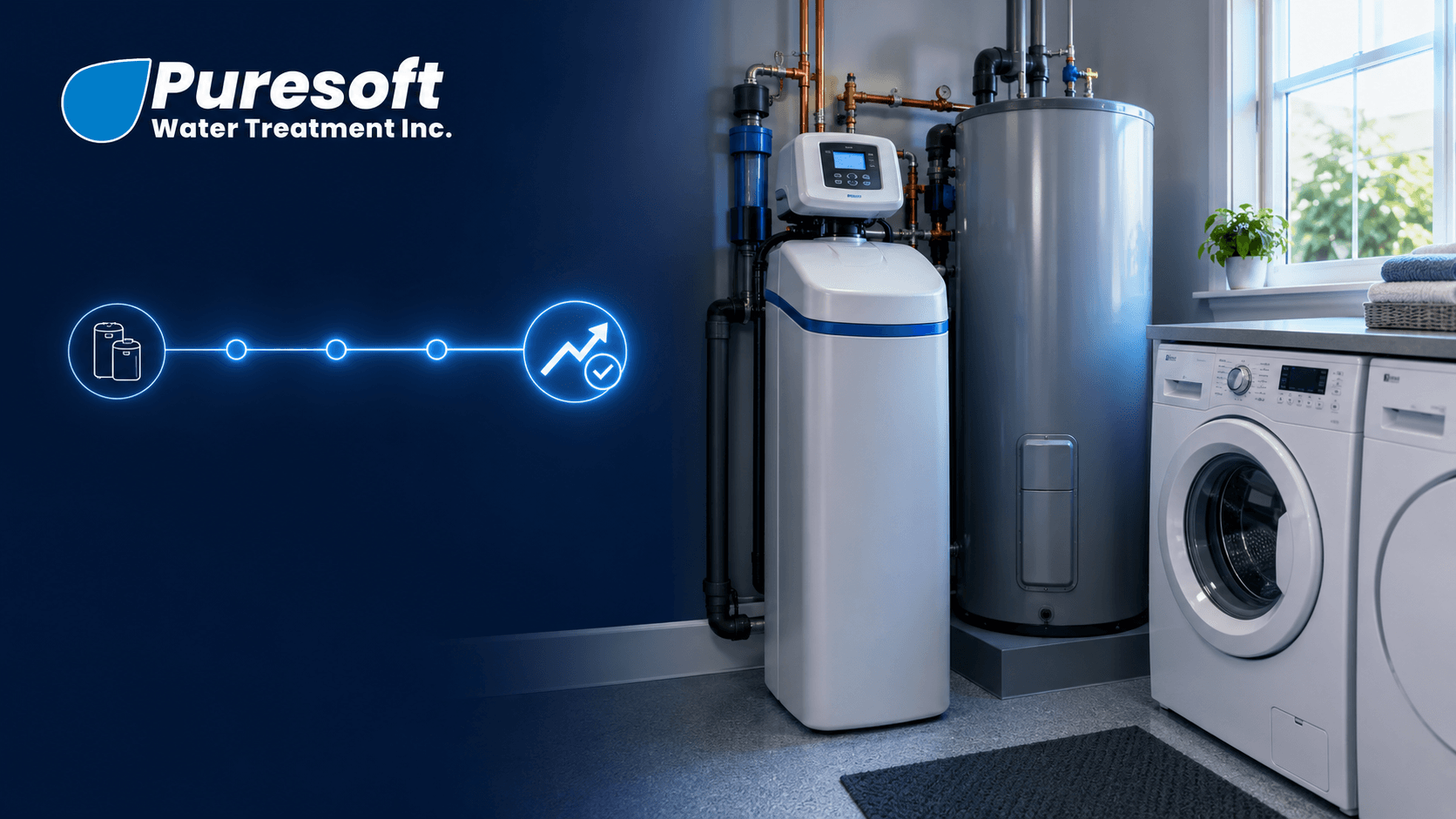
When your water heater and washing machine run on hard water, they build up mineral scale inside heating elements. This layer forces appliances to use more energy to reach the same temperature. Soft water keeps these components clean, helping:
- Water heaters heat up to
30% faster.
- Washers operate more efficiently with fewer repairs.
- You save significantly on electricity or gas bills over time.
4. Reduced Plumbing Maintenance
Hard water scale doesn’t stop at appliances — it also coats your pipes. Over time, this leads to restricted water flow, uneven pressure, and early pipe failure. Installing a softener eliminates that buildup, reducing the need for costly plumbing work and extending your system’s life.
5. Fewer Replacement Costs for Appliances
Appliances like washing machines, dishwashers, and water heaters suffer the most from scale buildup. Studies show that homes using soft water experience up to double the appliance lifespan compared to homes with untreated water. That alone can save hundreds or even thousands of dollars over time.
How to Get the Most Out of a Water Softener
If you’re considering a softener or already have one, here’s how to maximize its efficiency and longevity.
Get a Professional Water Test
Start with a complete water test to measure hardness levels and detect any other contaminants such as iron or manganese. Franklin homes often have varying mineral concentrations depending on their water source, so accurate data ensures proper system sizing.
Choose the Right Capacity
Your household’s water usage determines the ideal softener size. Undersized systems regenerate too frequently, wasting salt and water. Oversized systems may cost more upfront but are more efficient long term.
Maintain It Regularly
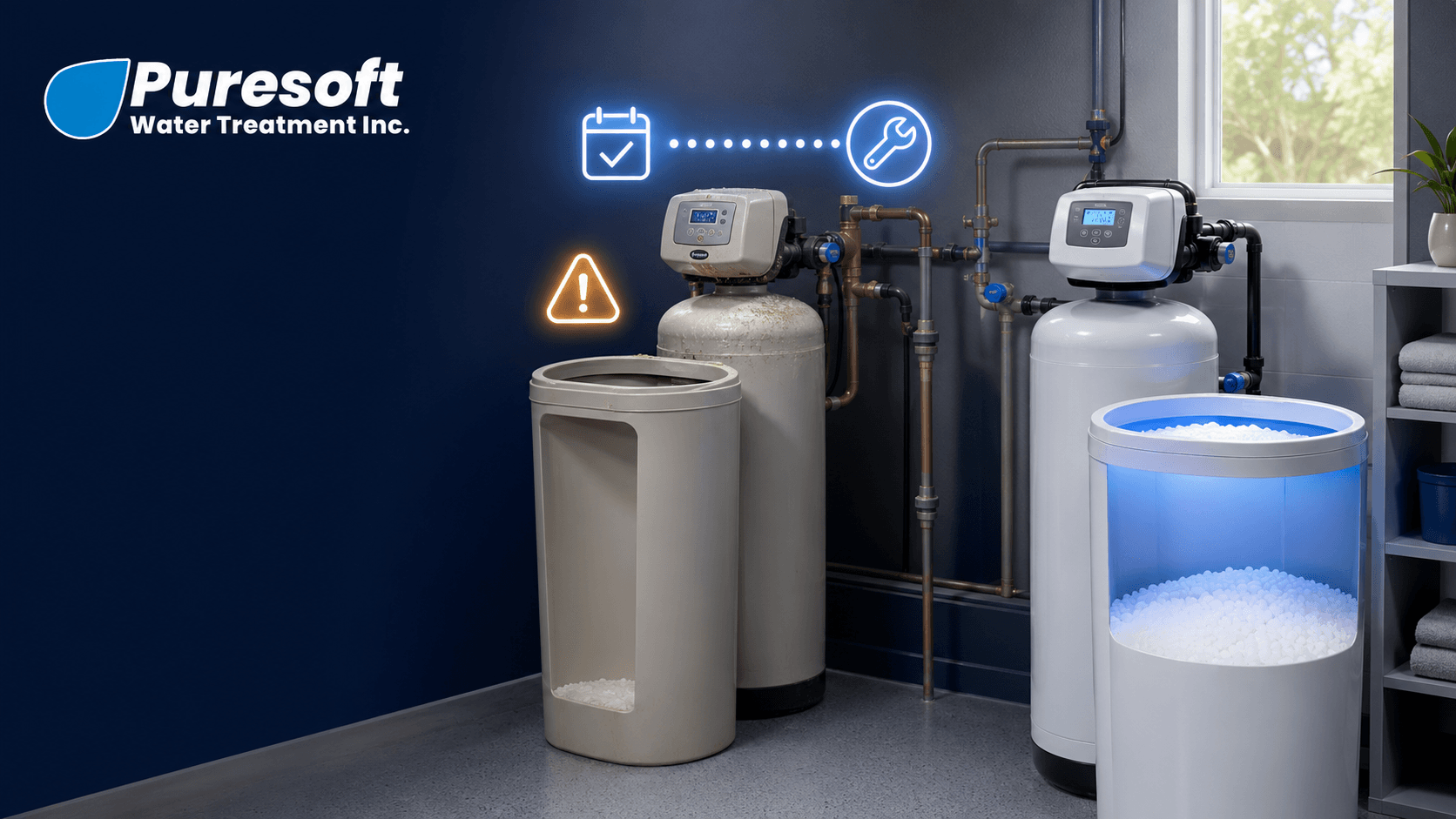
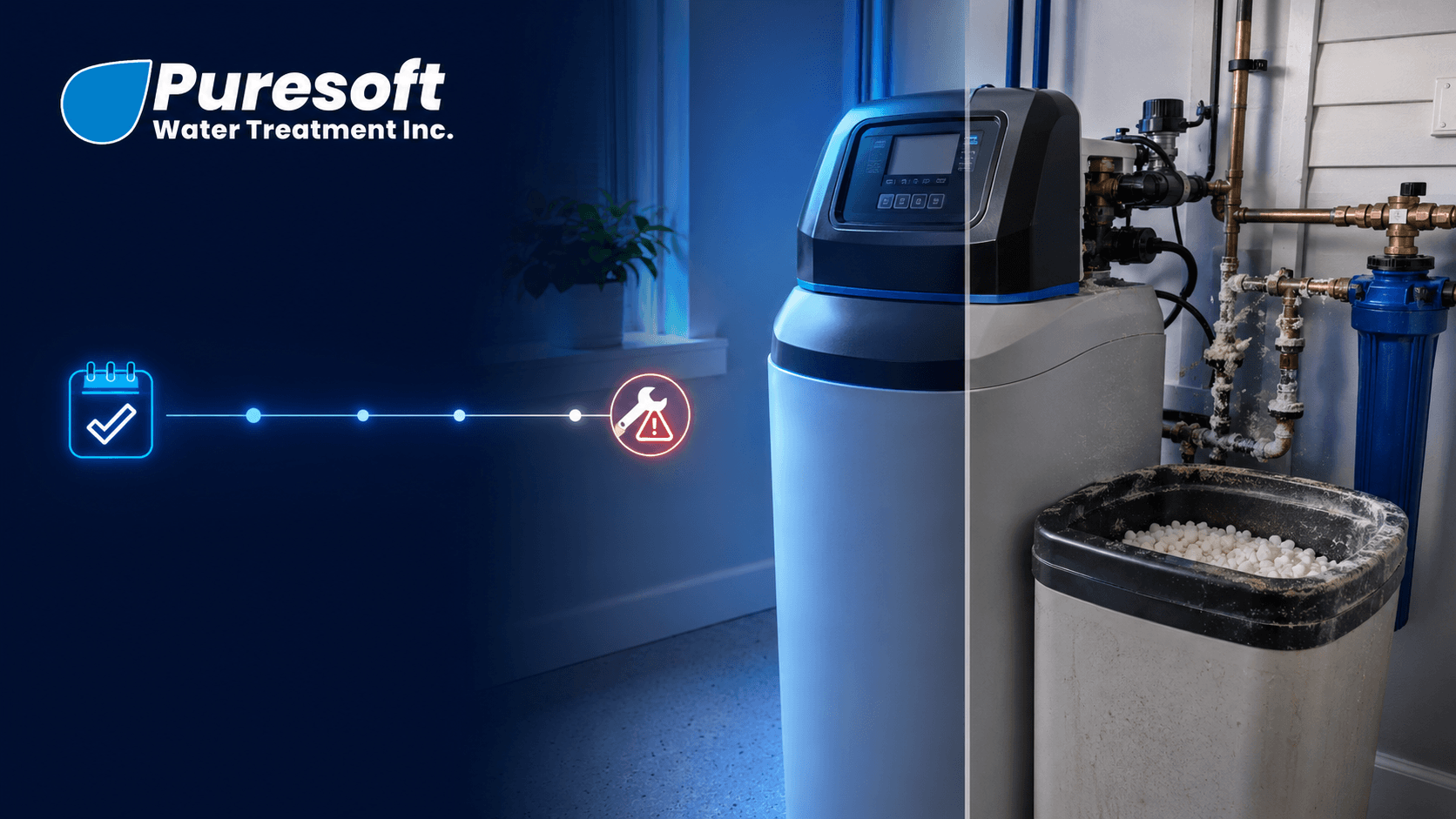
Softener systems are low-maintenance but not maintenance-free. Keep salt levels topped up, clean the brine tank annually, and schedule routine servicing to maintain efficiency.
Combine Softening with Filtration
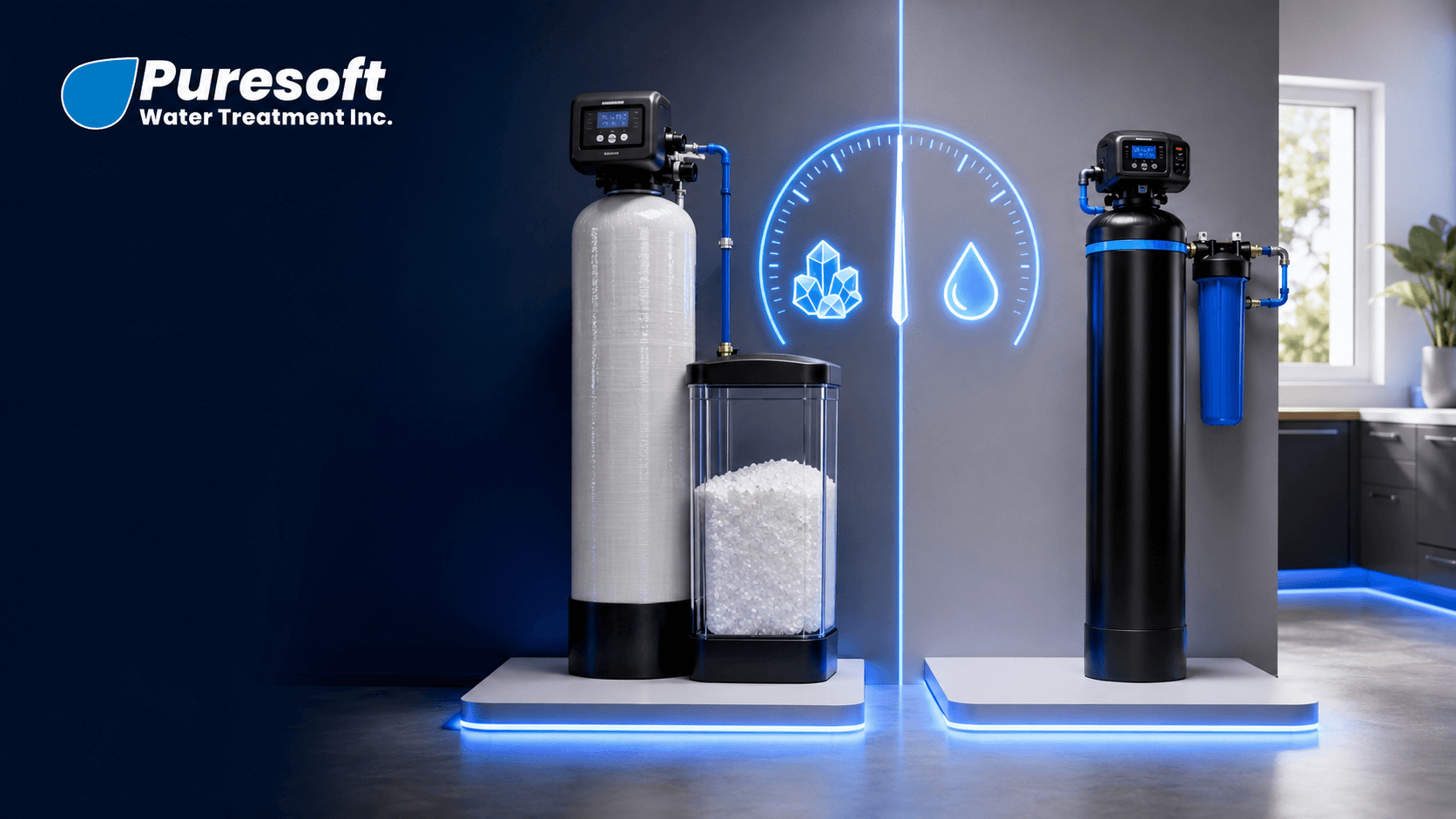
If your water has additional issues like chlorine, sediment, or iron, consider pairing your softener with a whole-house filtration system. This combination provides cleaner, softer, and better-tasting water from every tap.
Frequently Asked Questions
Is soft water safe for laundry?
Yes — it’s not only safe but better. Soft water prevents soap scum, reduces fabric wear, and rinses detergent completely, leaving clothes softer and cleaner.
Will soft water make my clothes too slippery or hard to rinse?
No. Modern softeners are calibrated to prevent excess sodium and maintain a balanced water feel. You’ll notice smoother textures without residue.
Can I really save money using a softener?
Absolutely. Between lower detergent use, energy savings, and longer appliance life, homeowners often recover their investment in a few years.
Does soft water affect color or texture?
Soft water keeps colors brighter and fabrics softer. It prevents the mineral deposits that make clothes stiff or dull.
What’s the best water softener for homes in Franklin, IN?
Homes in Franklin typically benefit from high-efficiency ion-exchange systems designed to handle moderate-to-hard water. A local professional can recommend a system tailored to your exact water test results.
Conclusion
Hard water silently drains money — from wasted detergent to shortened appliance life. Switching to soft water through a quality water softener isn’t just about comfort; it’s a smart financial decision.
For Franklin, IN homeowners, soft water means cleaner laundry, longer-lasting clothes, fewer plumbing issues, and lower monthly costs. A professional water test and properly sized softener can transform your water quality and protect your home’s value for years to come.