Does a Water Softener Really Lower Your Energy Bills?
September 13, 2026
Introduction
Your water heater might be working overtime, and you may not even know it. Rising energy bills without an obvious explanation are often traced back to something as simple as your water.
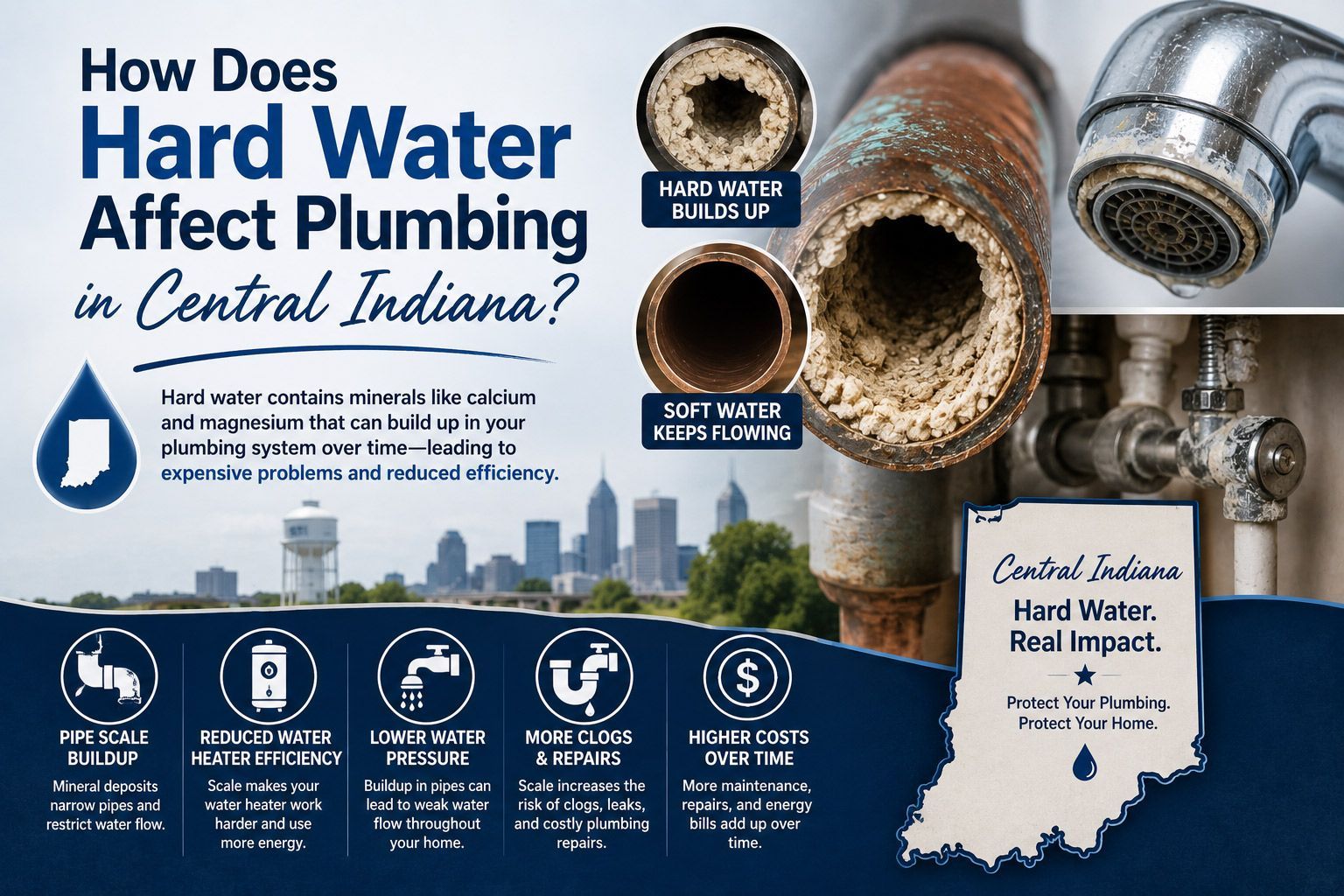
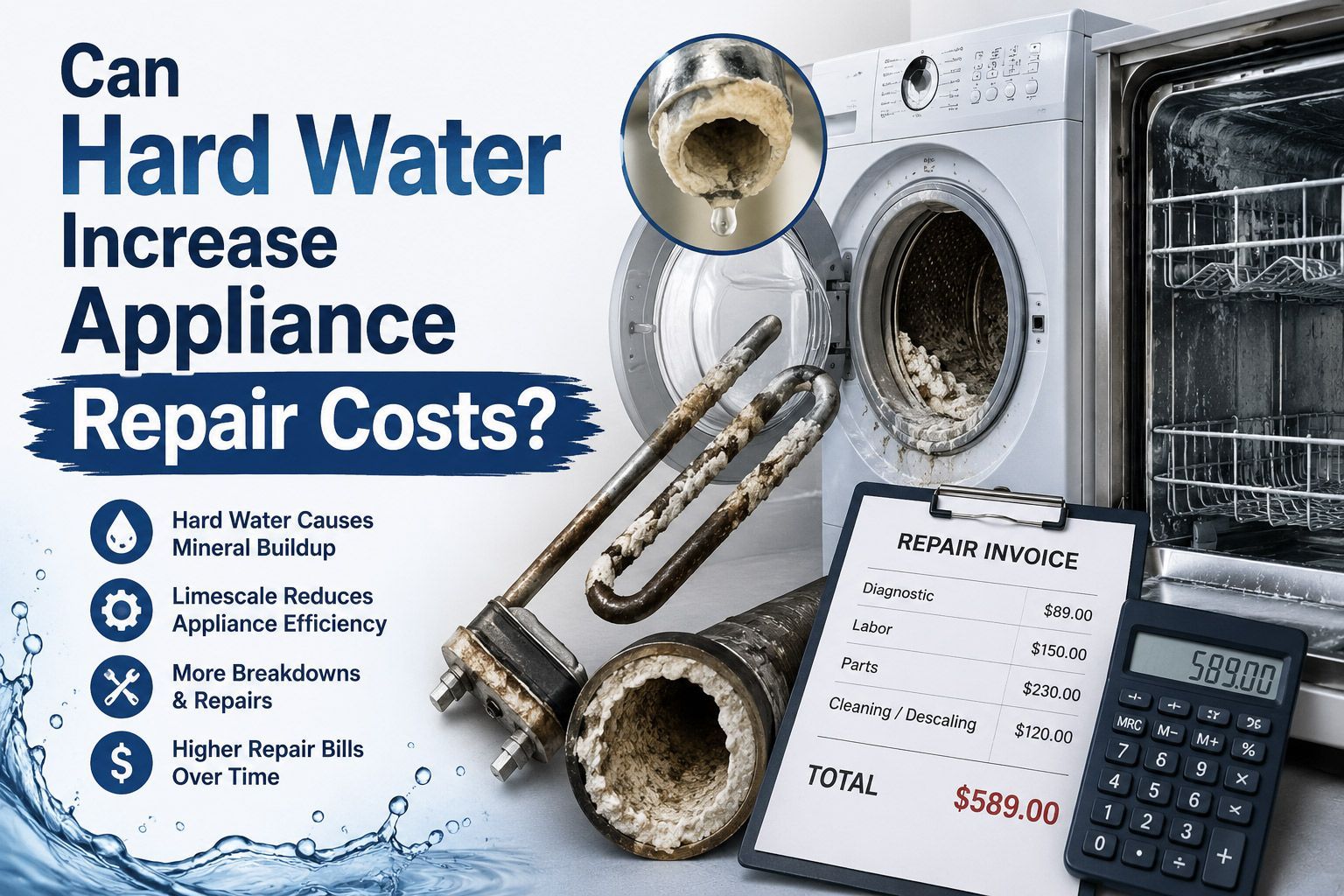
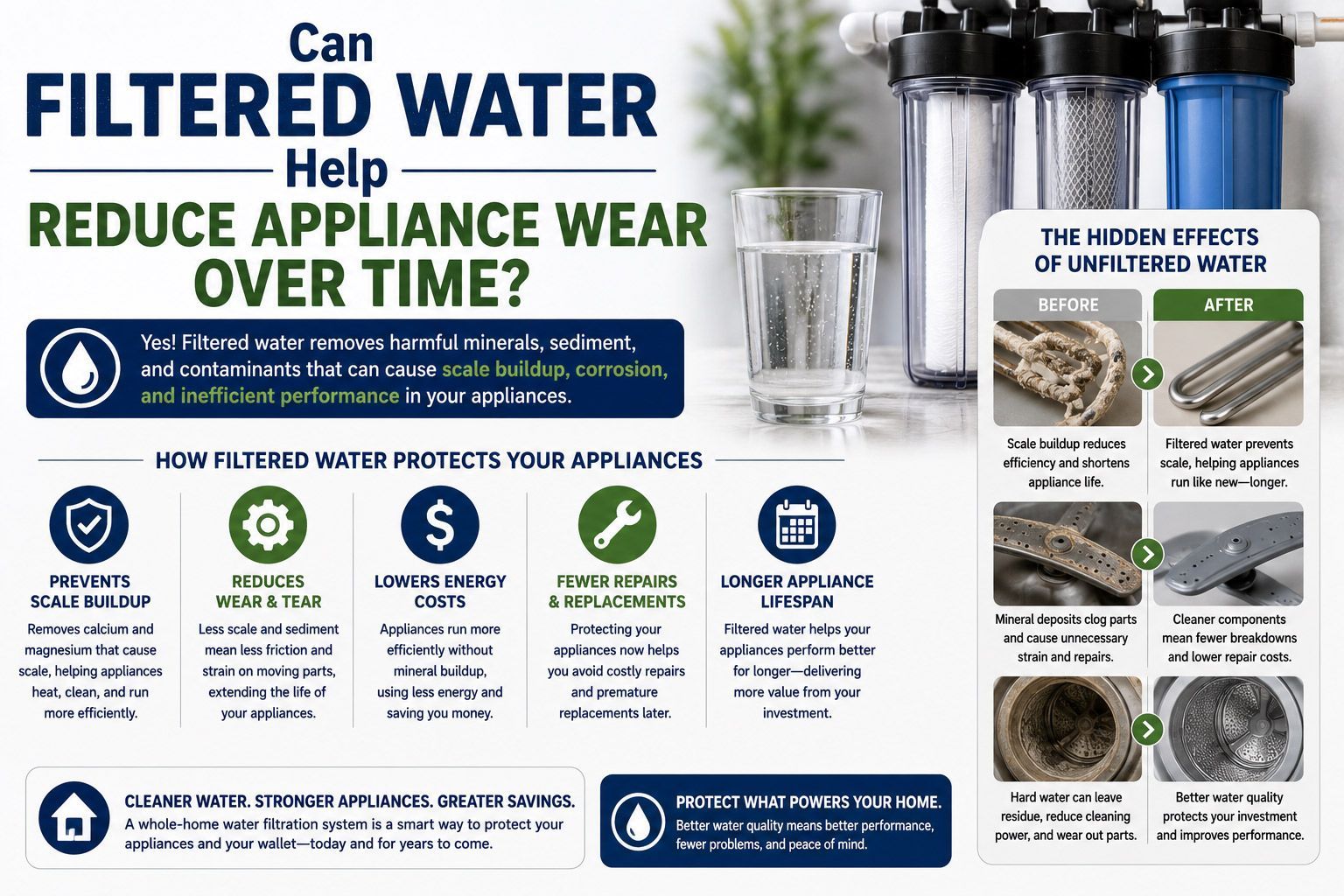
Hard water leaves calcium and magnesium behind as scale inside water heaters, boilers, and any appliance that heats water. That buildup insulates heating elements, forcing them to run longer and hotter to reach the same temperature.
Homes throughout Franklin, IN tend to carry a heavier mineral load than the national average, which means this hidden energy drain often adds up faster here than in a region with naturally softer water.
A whole-home softener removes those minerals before they reach your plumbing, which is why so many homeowners in Franklin, IN eventually connect softer water to a lower utility bill.
The connection is not a marketing talking point, it is basic physics. Anything that insulates a heating element forces that element to draw more power to produce the same amount of heat.
How Scale Buildup Drains Energy From Your Water Heater
Every water heater is built around a specific rate of heat transfer between the heating element and the water around it. Scale gets in the way of that transfer.
Research on residential water heaters shows that even a thin layer of scale, about a sixteenth of an inch, can cut heating efficiency by more than ten percent. Left alone for several years, that loss can climb past thirty percent.
Tank-style heaters are especially vulnerable, since sediment and scale settle at the bottom and insulate the heating element directly. That buildup also shortens recovery time between uses, so the unit cycles more often just to keep up with normal demand.
Older water heaters feel this effect the most, since they have had more years for scale to accumulate without ever being flushed or descaled.
The Hidden Energy Cost Across Other Appliances
Water heaters get most of the attention, but any appliance that heats or cycles water is fighting the same mineral buildup.
- Dishwashers run longer or hotter cycles to compensate for reduced heat transfer inside internal heating coils.
- Washing machines often default to hotter settings to fight the way hard water minerals interfere with detergent performance.
- Furnaces and boilers with hydronic heating components lose efficiency as scale narrows pipes and coats heat exchangers.
- Coffee makers, humidifiers, and electric kettles burn out heating elements faster and need more energy to reach temperature.
- Ice makers and steam appliances can develop mineral deposits that slow production and increase energy draw over time.
Why Hard Water in Franklin, IN Makes This Worse
Central Indiana sits on limestone-rich geology, and homes throughout Franklin, IN often test well above the moderately hard threshold most efficiency studies use as a baseline.
Scale accumulates faster here than in areas with naturally softer source water, which is especially true for older water heaters that have had more time to build up mineral deposits.
How Much Energy (and Money) You Could Save With Soft Water
Once minerals are removed before they reach your plumbing, appliances no longer have to compensate for scale, and the savings show up in a few predictable ways.
- Water heaters can recover fifteen to thirty percent of lost efficiency once scale stops accumulating.
- Appliances last longer, which reduces the frequency of costly early replacements.
- Lower hot water demand and less detergent use compound your monthly savings.
- Fewer service calls and repairs translate into savings beyond the utility bill itself.
- Consistent water pressure keeps pumps and circulation systems running at their intended efficiency.
Signs Scale May Already Be Affecting Your Home
A few household clues often show up well before a homeowner ever checks their energy bill.
- Water takes noticeably longer to heat up than it used to.
- White or chalky residue appears around faucets, showerheads, and appliance interiors.
- The water heater makes popping or rumbling sounds during operation.
Frequently Asked Questions
Does a tankless water heater suffer the same energy loss from hard water?
Yes, and in some cases more. Tankless units rely on narrow heat exchangers that can clog with scale faster than a traditional tank, reducing flow rate and efficiency at the same time. Regular descaling flushes are often recommended more frequently for tankless units in hard water areas.
Will installing a softener show up on my next electric bill immediately?
Not usually. Existing scale does not disappear overnight, so most homeowners notice the difference gradually over a few billing cycles as the system runs cleaner and the water heater no longer fights old buildup.
Can a whistling or banging water heater be a sign of scale buildup?
Yes. That noise, sometimes called kettling, happens when water gets trapped under sediment and scale at the bottom of the tank and boils before it can escape, and it usually gets louder as buildup increases.
Do gas water heaters lose efficiency to hard water the same way electric ones do?
They do, and sometimes more. Scale on the burner side of a gas water heater can interfere with combustion efficiency in addition to the usual heat-transfer losses affecting the tank itself.
Is there a way to test how much scale has already built up in my system?
A technician can inspect the tank during a water heater flush. This is a common first step for homeowners in Franklin, IN who suspect scale is driving up their energy bills before deciding on treatment.
Conclusion
Hard water rarely announces itself through your energy bill directly, but the connection is real and measurable. Scale buildup forces water heaters and other appliances to work harder for the same result, and that inefficiency adds up every month. PureSoft Water Treatment Inc offers free water testing for homeowners across the area, so you can see exactly what is in your water before deciding on a solution. Reach out today to schedule your free test and find out whether a softener could start paying you back on your very next bill.