Seasonal Water Quality Issues in Indiana: Spring Thaw, Summer Runoff, and What You Can Do
February 8, 2026
Introduction
If you’ve ever noticed that your water tastes different in the spring or looks cloudier after a summer storm, you’re not imagining it. Indiana’s changing seasons don’t just affect the weather — they can significantly impact your home’s water quality.
From spring thaw and agricultural runoff to summer heat and stormwater contamination, each season introduces its own set of challenges. These issues can influence everything from taste and odor to safety and clarity, especially for homes that rely on private wells.
In this post, we’ll break down the most common seasonal water quality problems in Indiana, why they happen, and what homeowners can do to protect their families and plumbing year-round.
Understanding Seasonal Water Changes
Why Water Quality Fluctuates
Indiana’s water systems — both municipal and private — are closely tied to the state’s natural environment. When the weather shifts, so does the way water moves through soil, rock, and infrastructure.
These fluctuations affect:
- Water temperature: Influences bacterial growth and chemical reactions.
- Groundwater levels: Affect mineral concentrations and well contamination.
- Surface runoff: Introduces pesticides, fertilizers, and sediments into the water supply.
- Treatment effectiveness: Varies with temperature and source quality.
Whether your water comes from a city supply or a private well, seasonal changes can temporarily alter taste, color, and even safety levels.
Spring Thaw and Runoff: The Start of Seasonal Challenges
When Indiana transitions from winter to spring, melting snow and heavy rain combine to create a powerful runoff effect. This is one of the most critical times for water quality.
Contaminants Entering the Water Supply
As snow and ice melt, they carry everything accumulated over winter — including road salts, fertilizers, animal waste, and debris — into rivers, lakes, and groundwater. For well owners, this can mean:
- Higher
bacteria and nitrate levels from agricultural runoff.
- Increased
sediment and turbidity, making water appear cloudy.
- Fluctuating
pH levels, which can lead to corrosion or metallic taste.
Municipal water systems are treated to handle most contaminants, but rural and private wells are especially vulnerable during this season.
Water Taste and Odor Changes
Spring runoff often introduces organic matter into water sources, resulting in earthy or musty odors. You might notice changes like:
- A damp, soil-like smell.
- Slight discoloration after rainfall.
- Temporary chlorine taste (from increased city treatment).
What Homeowners Can Do
To protect your water during spring thaw:
- Test your water. Early spring is the best time for annual testing — especially for nitrates, bacteria, and iron
- Inspect your well cap and casing. Make sure it’s sealed tightly and elevated above ground level to prevent surface water intrusion.
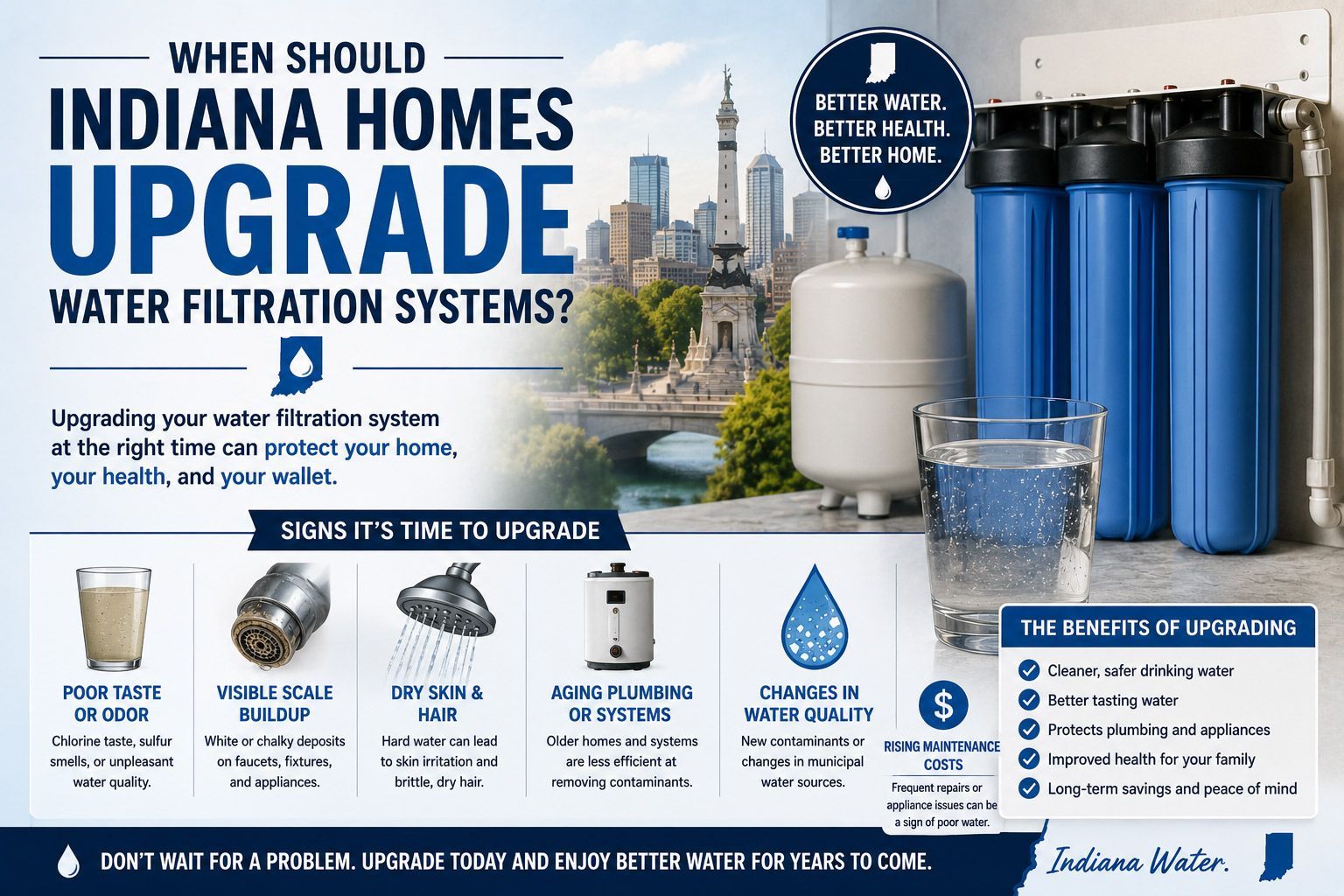
- Install or maintain filtration systems. Sediment filters and UV disinfection are particularly useful this time of year.
- Service your water softener or filtration system. Ensure it’s operating properly after winter months.
Summer Runoff and High Temperatures
Once spring transitions into summer, new challenges appear. Rising temperatures and increased water demand put extra stress on water systems across Indiana.
Algae and Organic Growth
Warm weather promotes the growth of algae and bacteria in surface water sources. This can lead to:
- Unpleasant
taste or odor (often described as “fishy” or “musty”).
- Higher
chlorine levels as cities compensate with more disinfectant.
- Potential
cyanotoxin concerns in extreme algae blooms.
While municipal water is treated to remove most of these effects, well water users may experience temporary quality issues or strange tastes.
Agricultural and Stormwater Runoff
Summer storms wash fertilizers and pesticides from fields into streams and aquifers. This increases nitrate, phosphate, and pesticide levels in groundwater — a particular risk for rural homes.
Hardness and Mineral Concentration
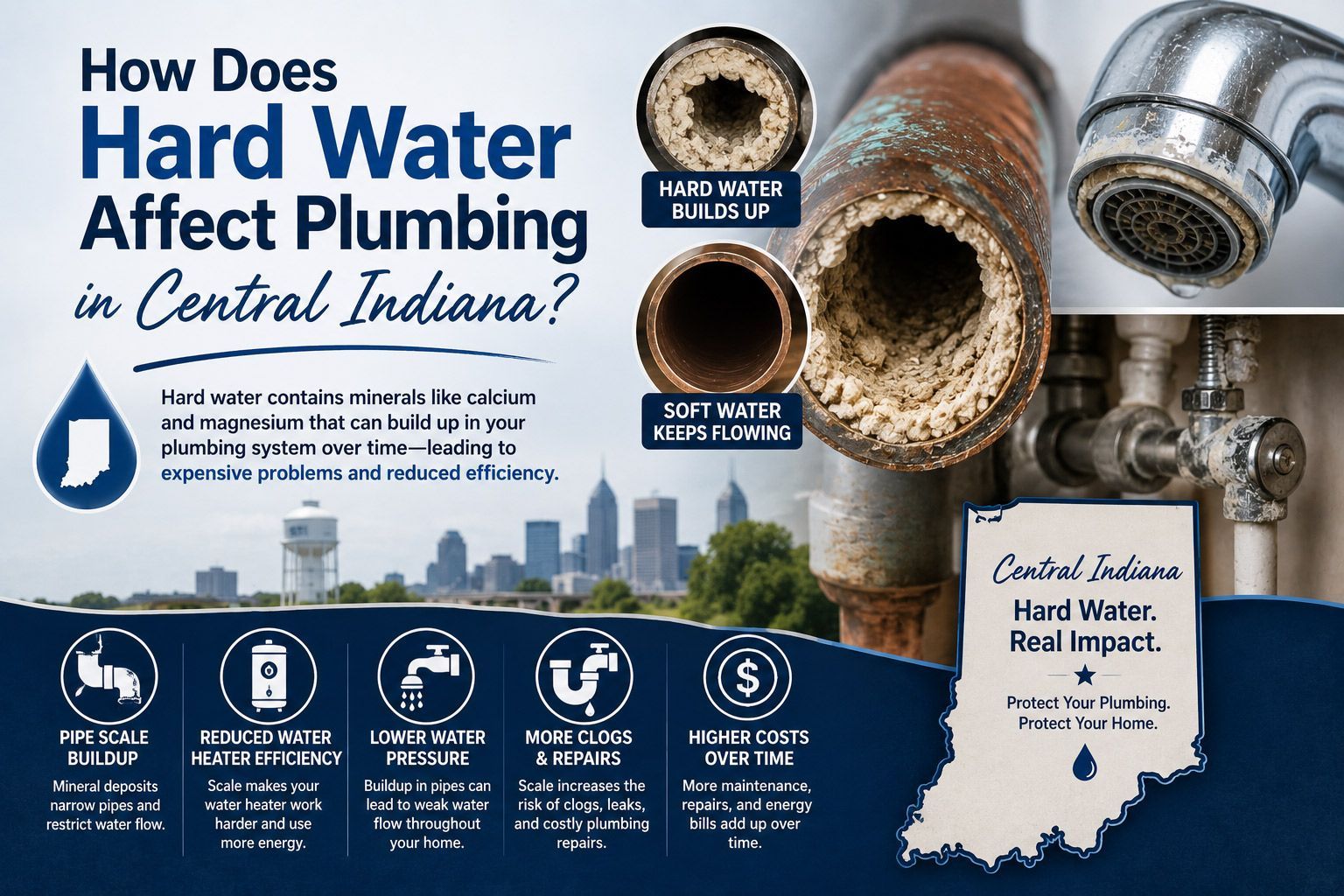
As groundwater levels drop during hot, dry months, the concentration of minerals like calcium, magnesium, and iron can rise. This leads to:
- Increased
hardness and
scale buildup.
- Metallic tastes or orange staining.
- Greater stress on water heaters and appliances.
What Homeowners Can Do
- Check your filtration system monthly. Higher sediment loads can clog filters faster in summer.
- Install a carbon filter. Helps reduce chlorine taste and odor caused by seasonal treatment spikes.
- Maintain a softener system. High hardness levels make a softener essential for protecting plumbing and skin.
- Monitor well depth and flow rate. If your well runs slower, it may need servicing or deepening to maintain quality
Fall and Winter Water Considerations
Though spring and summer are peak seasons for contamination, fall and winter have their own unique effects on Indiana water quality.
Fall Leaf Decay and Organic Material
Falling leaves and decaying vegetation can enter surface water and wells, increasing tannin levels. This causes water to:
- Appear yellow or brownish.
- Taste slightly bitter or earthy.
- Stain laundry and fixtures.
Tannin filters or activated carbon systems are effective at removing these natural organics.
Winter Freezing and Corrosion
During winter, cold temperatures cause water to contract and pipes to work harder. Road salts used during snowstorms can also leach into groundwater, raising sodium or chloride levels.
Additionally, colder water tends to be more acidic, which can corrode plumbing and release metals like lead or copper from pipes.
Preventive Measures
- Insulate plumbing to avoid freeze-related leaks.
- Check for corrosion signs (blue-green stains or metallic taste).
- Service softeners and filters before winter. Maintenance prevents downtime when systems are most needed.
Protecting Your Home Year-Round
Step 1: Schedule Regular Water Tests
Every season brings new risks, so testing once a year (or twice for wells) ensures you catch problems early. Focus on:
- Bacteria
- Nitrates
- pH and hardness
- Iron and manganese
- Chlorine or TDS
Step 2: Install the Right Filtration and Treatment Systems
Different seasons may highlight different needs. A layered system provides year-round protection:
- Sediment filters capture dirt and debris during runoff seasons.
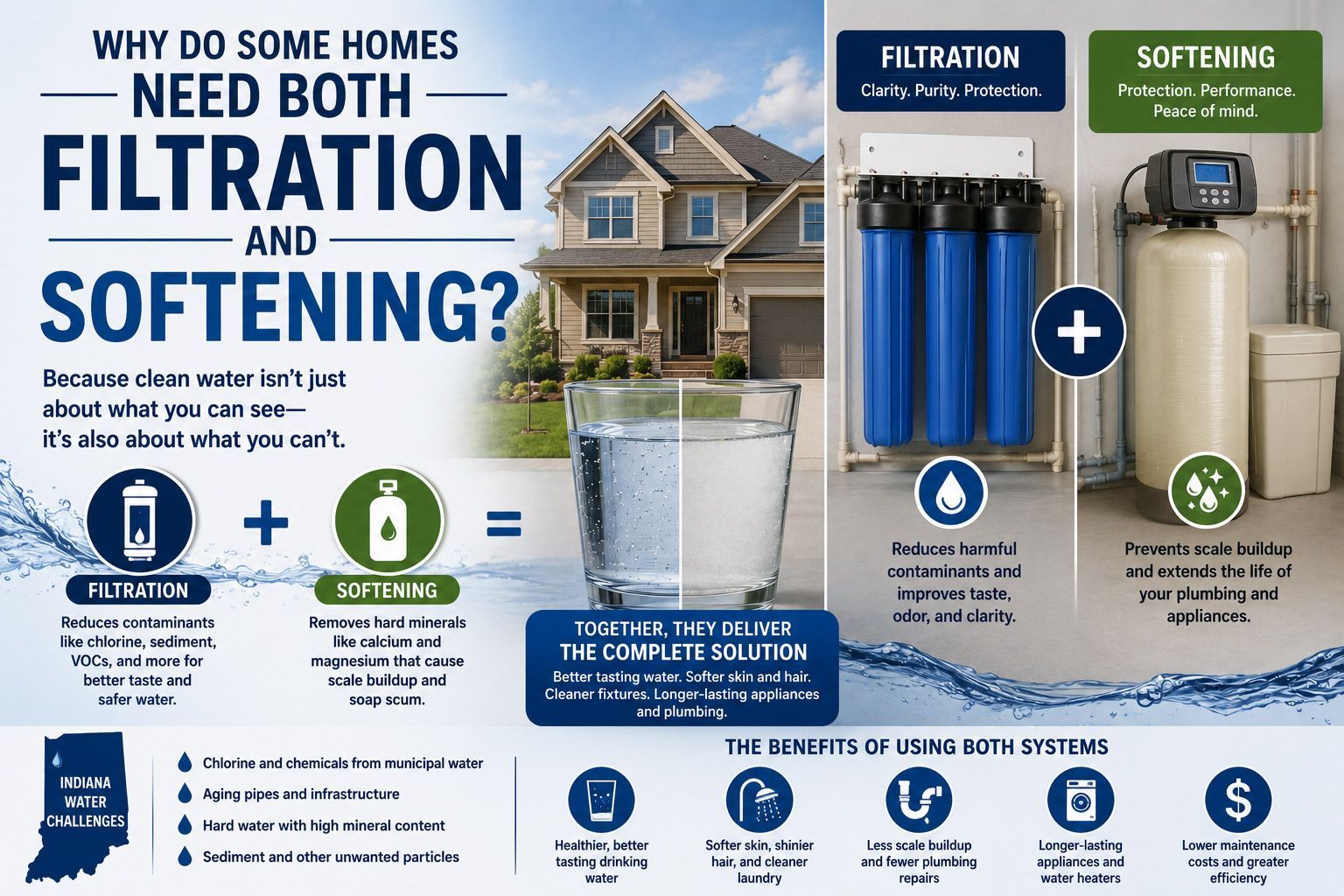
- Water softeners combat hard minerals year-round.
- Carbon filters remove chlorine, tannins, and odor-causing compounds.
- UV or reverse osmosis systems eliminate bacteria, nitrates, and other contaminants.
Step 3: Work with a Local Water Expert
Indiana’s geology and weather patterns are unique. Partnering with a professional who understands regional water behavior ensures your system is properly sized, installed, and maintained.
Local experts can also adjust your setup seasonally — for example, fine-tuning chlorine removal in summer or checking iron levels after spring thaw.
Step 4: Perform Preventive Maintenance
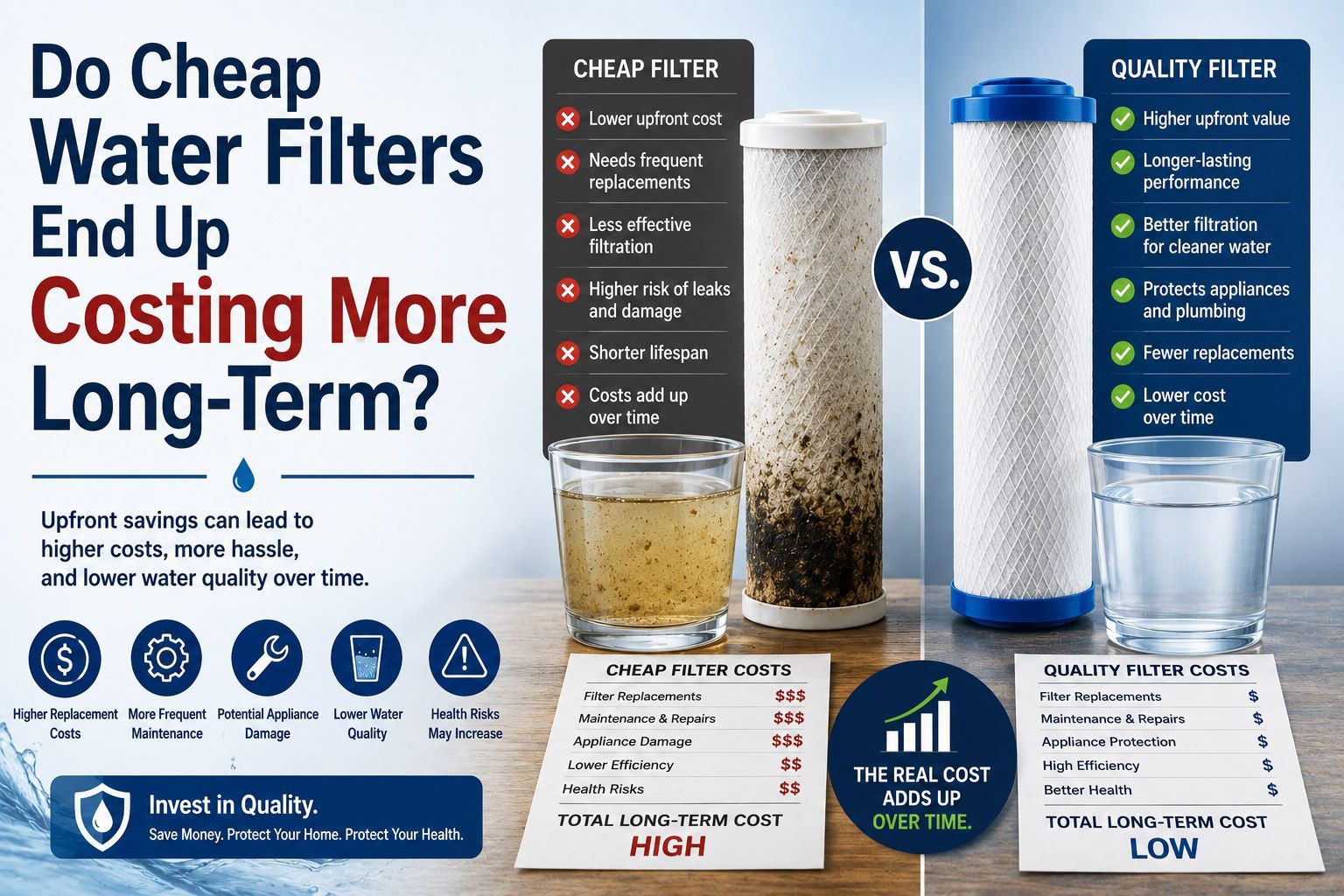
Replacing filters, refilling softener salt, and cleaning systems on schedule keeps them working efficiently through temperature swings and heavy use.
Frequently Asked Questions
Why does my water taste different in the spring and summer?
Changes in temperature, rainfall, and organic matter cause variations in water chemistry. This can alter taste and odor, even in treated city water.
Can runoff affect my well water quality?
Yes. Surface water can carry contaminants like bacteria, nitrates, or pesticides into your well, especially after heavy rain or snowmelt.
How often should I test my water in Indiana?
At least once a year for basic parameters — and twice yearly if you use a private well or notice seasonal changes.
Do water softeners help with seasonal problems?
They reduce mineral hardness year-round, but for contamination or odor issues, a softener should be paired with filtration.
What’s the best way to remove bad taste or odor from water?
Activated carbon or reverse osmosis systems effectively remove most organic compounds that cause unpleasant taste or smell.
Conclusion
Indiana’s changing seasons bring more than just temperature swings — they bring water quality fluctuations that can affect your family’s health, comfort, and home maintenance.
Spring runoff, summer algae, fall decay, and winter corrosion each pose unique risks. The best defense is awareness, regular testing, and a reliable water treatment system that adapts to your home’s needs year-round.
With the right solutions in place, you can enjoy clean, clear, and great-tasting water in every season — no matter what Indiana’s weather brings.