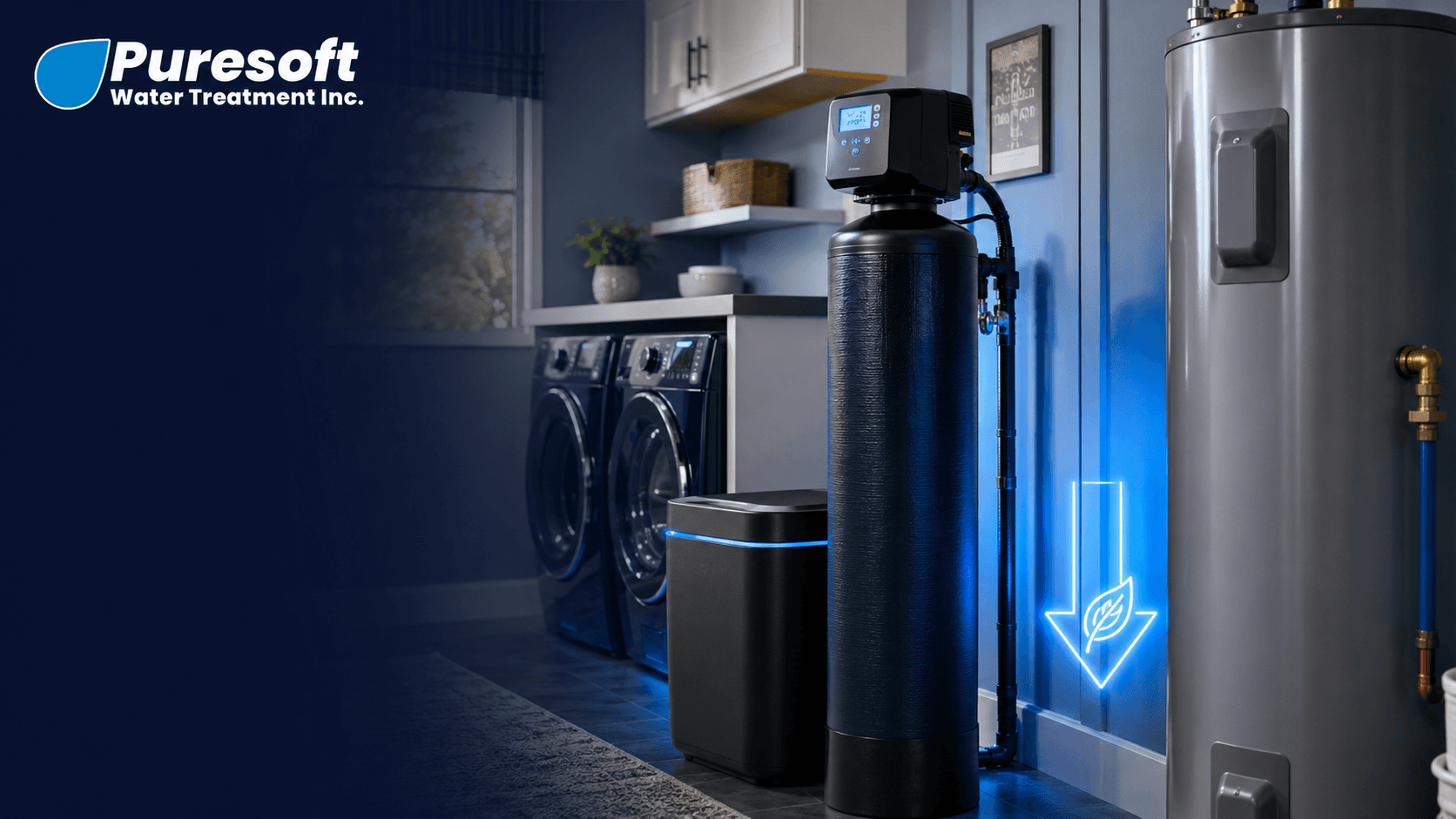
Salt-Free vs Salt-Based Water Softeners: Pros and Cons for Indiana Homes
January 18, 2026
Introduction
If you live in Indiana, you already know that hard water is a daily challenge. From white spots on dishes to soap scum on showers and clogged appliances, the effects are frustrating and costly. That’s why water softeners are so common in Indiana homes — they protect plumbing, improve water quality, and extend the life of appliances.
However, when researching solutions, homeowners often get stuck at a key decision: Should you choose a salt-free or salt-based water softener?
Both options claim to handle hard water, but they work very differently. Choosing the right one depends on your home’s water quality, your preferences, and maintenance expectations. This guide breaks down how each system works, their pros and cons, and which one makes the most sense for Indiana’s water conditions.
Understanding Hard Water in Indiana
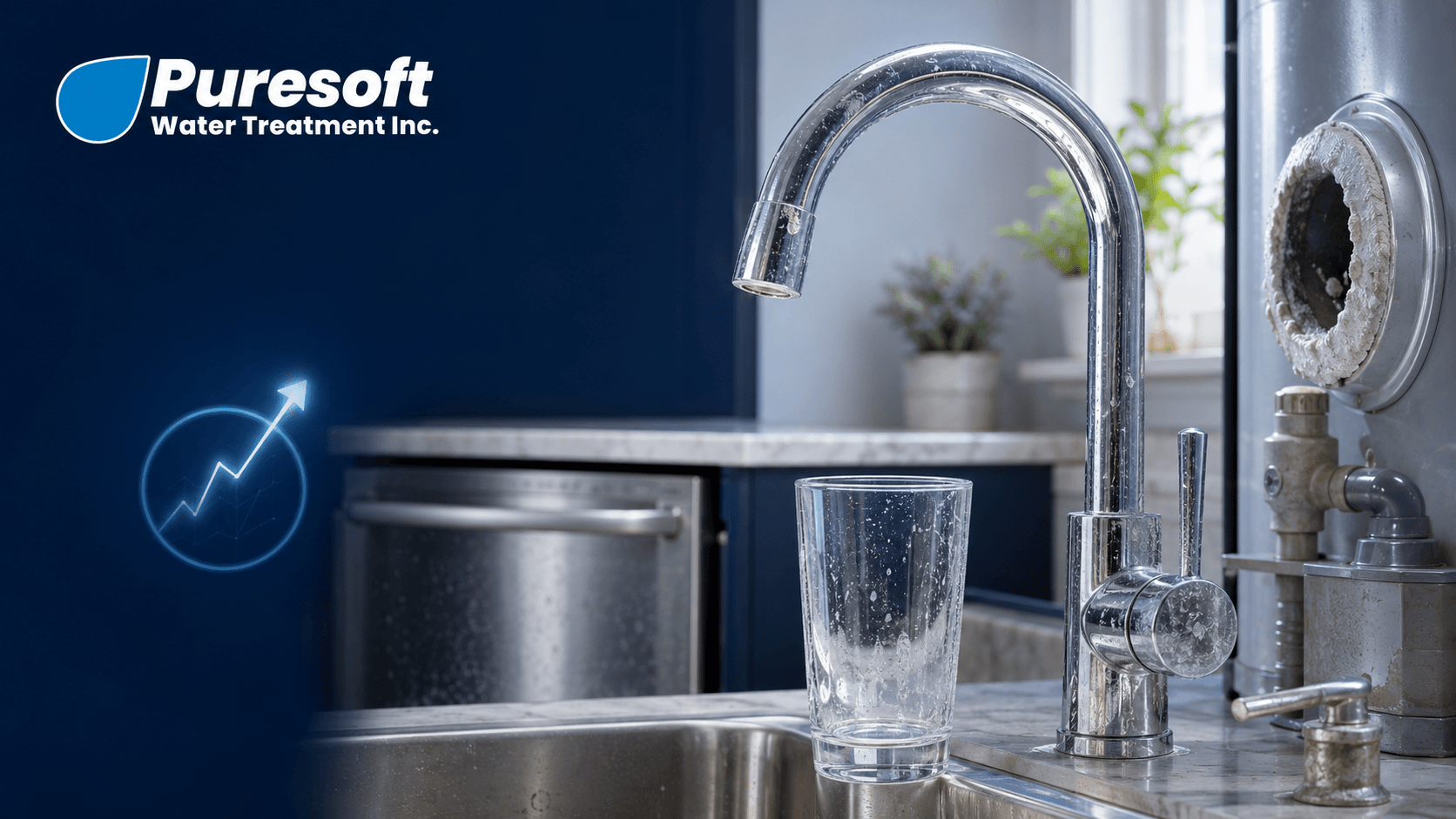
Before comparing systems, it’s important to understand why water softening is such a big deal locally. Indiana’s groundwater contains high levels of calcium and magnesium minerals, which cause hardness.
Hard water can lead to:
- Scale buildup inside pipes and water heaters
- Reduced efficiency of dishwashers and washing machines
- Soap scum on bathroom fixtures
- Dry skin and dull hair
- Shortened lifespan of appliances
Water hardness in many Indiana cities often exceeds 10 grains per gallon (gpg) — which is considered very hard water. Because of this, homeowners need a system that can effectively prevent mineral buildup while maintaining healthy water flow.
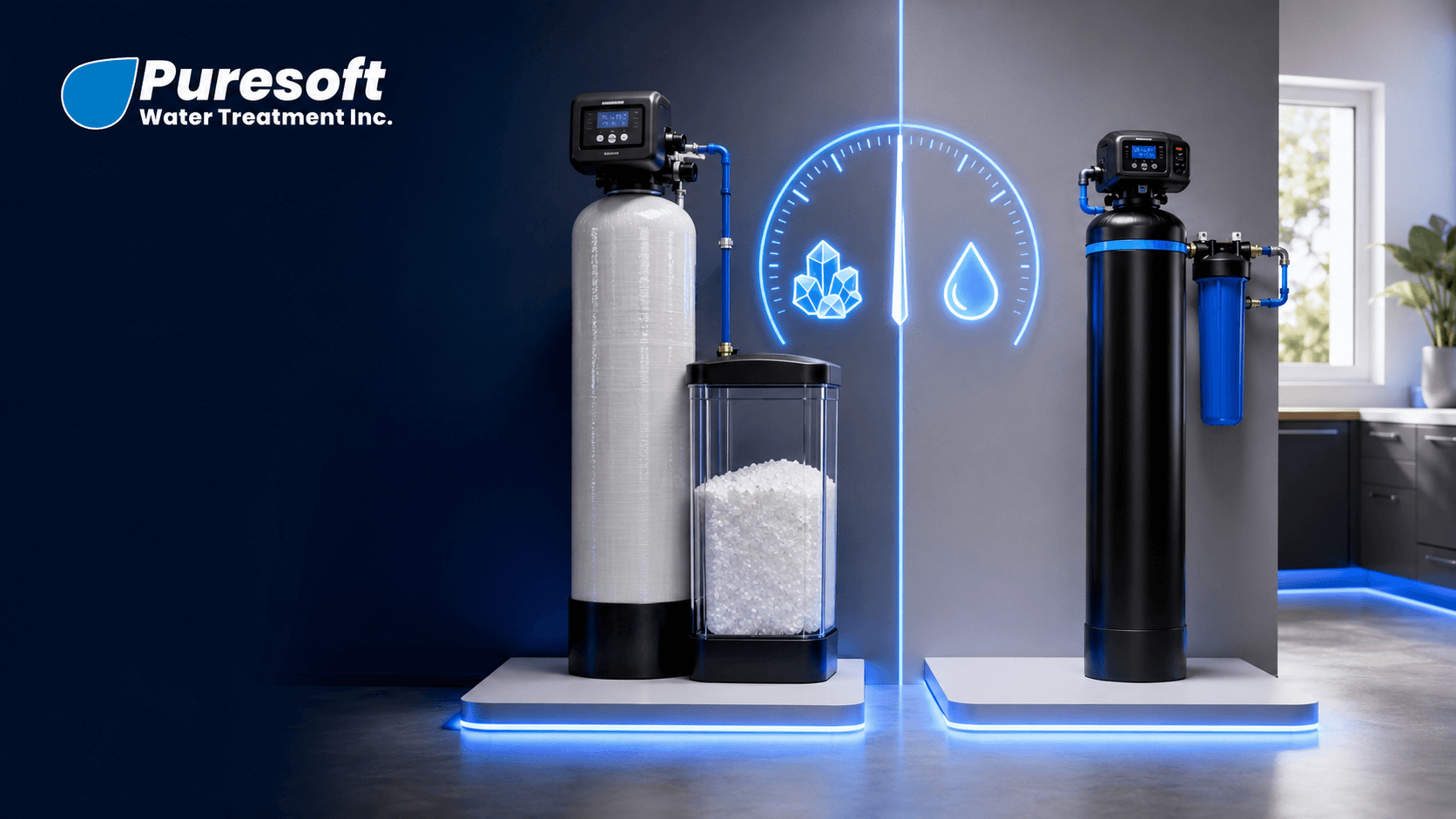
What Is a Salt-Based Water Softener?
How It Works
A salt-based water softener uses a process called ion exchange. The system replaces hardness minerals (calcium and magnesium) with sodium or potassium ions.
Inside the softener tank, resin beads hold negative charges that attract positively charged minerals. When water passes through, calcium and magnesium stick to the resin, and sodium ions take their place in the water.
Periodically, the system regenerates — flushing out trapped minerals and recharging the resin using a salt brine solution.
Benefits
- Effectively eliminates hardness. This is the only method that truly “softens” water by removing calcium and magnesium.
- Protects plumbing and appliances. No more scale buildup or clogging.
- Improves soap and detergent efficiency. You’ll notice better cleaning and less soap use.
- Prevents spots on glassware and fixtures. Leaves sinks and showers shiny and residue-free.
Drawbacks
- Requires salt refills and maintenance. You’ll need to replenish salt regularly and clean the brine tank.
- Wastewater discharge. The regeneration process produces a salty rinse water, which some areas restrict for environmental reasons.
- Adds small amounts of sodium to water. Although minimal, this can be a concern for people on low-sodium diets.
- Higher upfront and operating costs. The system’s complexity and salt consumption add to long-term expenses.
What Is a Salt-Free Water Softener?
How It Works
A salt-free water softener, often called a water conditioner, doesn’t remove minerals from the water. Instead, it changes their structure using a process called Template Assisted Crystallization (TAC) or similar technology.
The minerals remain in the water but lose their ability to stick to surfaces and form scale. Essentially, this system prevents hardness buildup rather than eliminating it.
Benefits
- No salt or regeneration required. Maintenance is minimal — no refills or wastewater.
- Eco-friendly option. Since there’s no salt discharge, it’s better for the environment and septic systems.
- Compact and simple. These systems take up less space and don’t need a drain connection.
- No added sodium. Ideal for those monitoring sodium intake.
Drawbacks
- Doesn’t actually soften water. Hard minerals stay in the water, so you might still notice spots or feel some hardness on skin.
- Less effective for very hard water. Homes with hardness over 10 gpg — common in Indiana — may see limited results.
- Won’t remove iron or manganese. If your well or municipal water contains these, additional filtration is necessary.
- Limited protection for older plumbing. Scale prevention is improved, but not always complete.
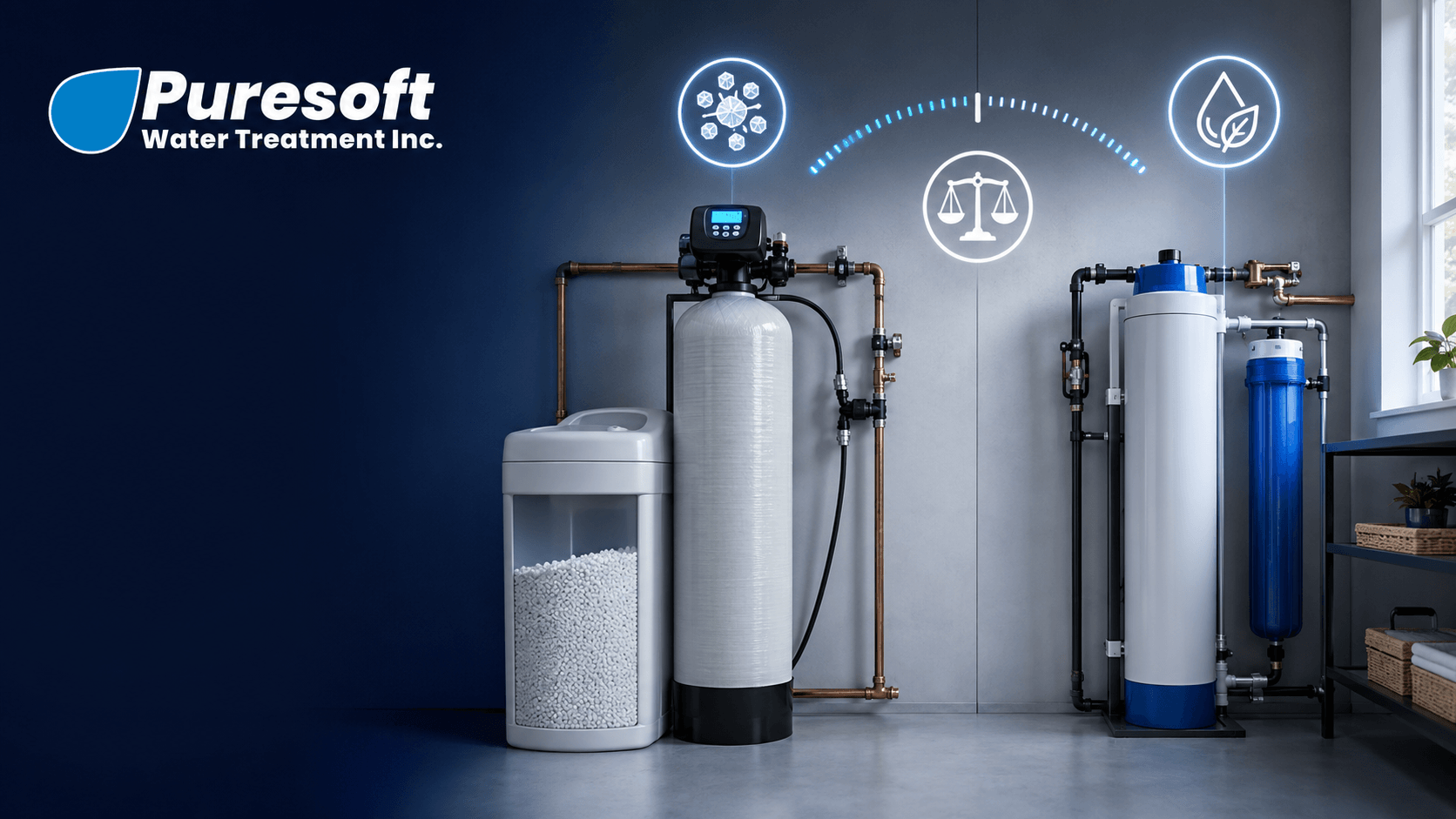
Salt-Free vs Salt-Based: Key Considerations for Indiana Homes
Choosing between these two systems comes down to your water quality, preferences, and maintenance goals. Here’s how to make the decision easier.
1. Water Hardness Level
Indiana’s water is among the hardest in the country. In areas like Indianapolis, Bloomington, and Mooresville, hardness often exceeds 10–15 gpg. For this reason, salt-based softeners are typically more effective at fully preventing scale buildup.
If your home’s water hardness is mild (below 8 gpg), a salt-free conditioner may be sufficient.
2. Maintenance and Operation
Salt-based systems require regular salt refills and occasional servicing. They also use water for regeneration. Salt-free systems, by contrast, are nearly maintenance-free — just occasional filter replacements.
If convenience is your top priority, salt-free might appeal to you. But if performance matters most, salt-based is worth the upkeep.
3. Environmental Factors
Some Indiana municipalities discourage brine discharge from traditional softeners due to its impact on local water treatment facilities. Salt-free systems avoid this issue completely.
However, many modern salt-based softeners are more efficient, using less water and salt during regeneration.
4. Health and Taste
Salt-based softeners slightly increase sodium content in water — though typically less than what’s found in a slice of bread. Still, homeowners on low-sodium diets may prefer the salt-free option.
As for taste, softened water feels smoother, while conditioned water tastes more natural but can retain a slight mineral flavor.
5. Cost and Lifespan
- Salt-Based Systems: Higher initial cost and ongoing salt purchases but proven long-term results.
- Salt-Free Systems: Lower operating cost and fewer parts to replace, but results depend on water hardness levels.
Both systems last 10–15 years with proper care.
6. Home Type and Usage
For large families or homes with multiple bathrooms, salt-based systems handle heavy usage better. Smaller homes or those with moderate water demands may find salt-free systems more practical.
Decision Guide: Which Water Softener Is Right for You?
To decide, follow this step-by-step approach:
Step 1: Test Your Water
Start by testing your water for hardness, iron, and other contaminants. This determines whether softening or conditioning will be effective.
Step 2: Identify Your Priorities
Ask yourself:
- Do I want to completely eliminate hardness or just prevent scale buildup?
- Am I willing to handle salt refills and maintenance?
- Are there local restrictions on salt discharge?
Step 3: Match the System to Your Water Type
- Well Water: Usually needs a salt-based softener plus iron filtration.
- City Water: Often works well with a salt-free conditioner, depending on hardness.
Step 4: Consult a Local Professional
Because Indiana’s water chemistry varies by region, getting advice from a local water treatment specialist ensures your system is sized and configured properly.
Step 5: Maintain and Monitor
Whichever system you choose, schedule annual water tests and routine maintenance to keep performance consistent.
Frequently Asked Questions
Is a salt-free softener better than a salt-based one?
It depends on your water hardness and goals. Salt-free systems prevent scale, while salt-based systems actually remove hardness minerals.
Do salt-free water softeners work in Indiana?
They can work in areas with moderate hardness but are less effective for the high hardness levels found in many Indiana cities.
Will a salt-free system remove iron or chlorine?
No. These require separate filtration. Some combination systems can include both softening and filtration stages.
How often do I need to add salt to a salt-based softener?
Most systems need salt refills every 4–8 weeks, depending on water use and hardness.
Is softened water safe to drink?
Yes. The sodium increase is minimal and safe for most people. Those on restricted sodium diets can use potassium chloride instead of sodium chloride.
Conclusion
Both salt-free and salt-based water softeners offer benefits, but they serve different purposes. In most parts of Indiana, where water hardness is high, salt-based systems provide the most reliable protection against scale and damage.
However, salt-free systems are excellent for homeowners who want an eco-friendly, low-maintenance option and have moderate hardness levels.
The best way to decide is to test your water, understand your local conditions, and consult a trusted Indiana water treatment professional. With the right system, you’ll enjoy cleaner fixtures, smoother skin, longer-lasting appliances, and truly better water.