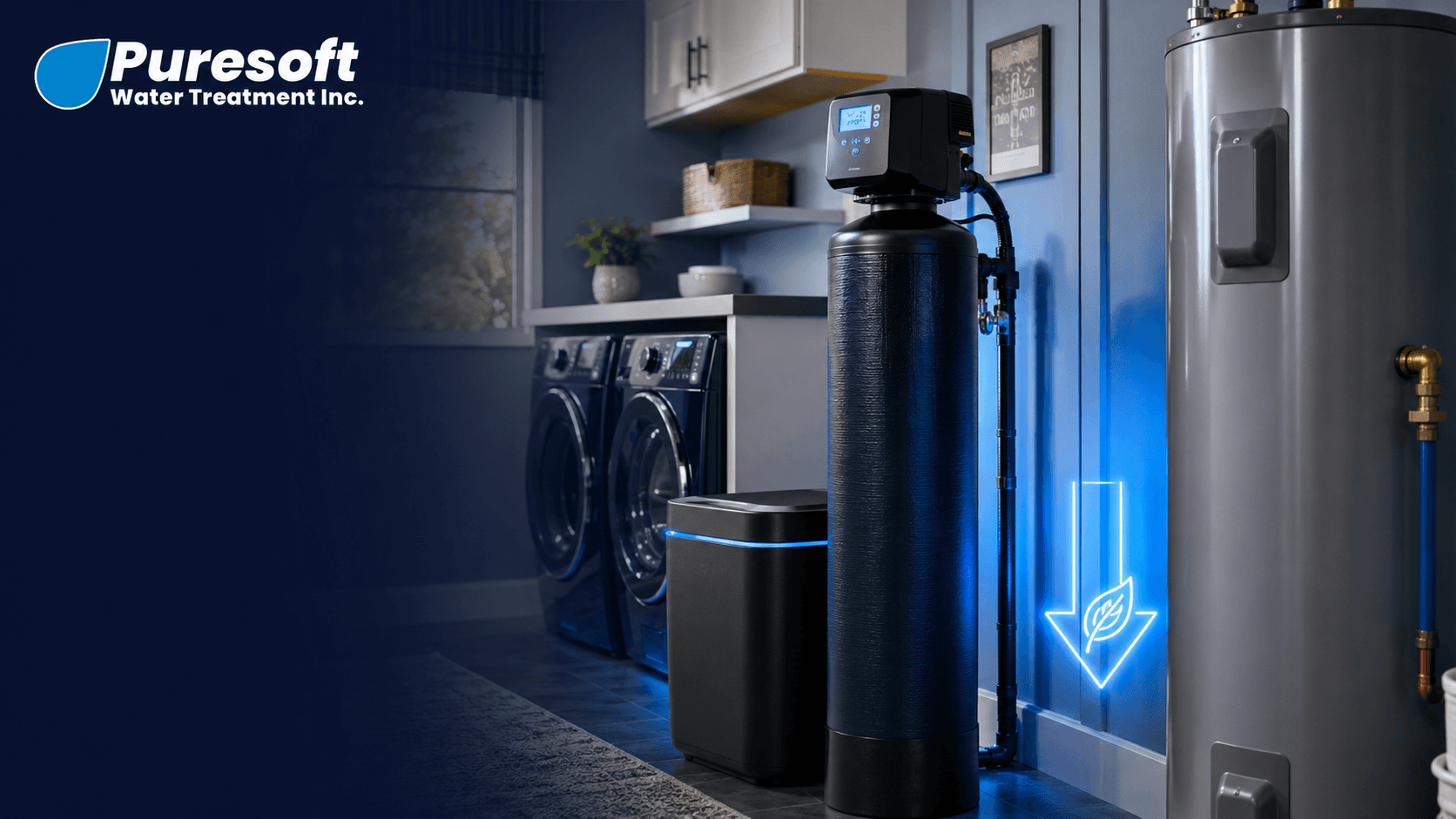
How Iron and Manganese in Central Indiana Water Affect Your Plumbing
March 1, 2026
Introduction
If you live in Franklin or anywhere in Central Indiana, you’ve likely noticed reddish or black stains in sinks, tubs, or toilets — or maybe your water smells metallic or earthy. These are classic signs of iron and manganese contamination, two naturally occurring minerals that, while not immediately dangerous, can wreak havoc on plumbing systems and appliances.
In this post, we’ll explore how these minerals enter your water, the problems they cause, and what you can do to protect your home’s plumbing and fixtures — especially with professional water treatment solutions available locally in Franklin, Indiana.
Understanding Iron and Manganese in Indiana Water
What They Are
Iron (Fe) and Manganese (Mn) are minerals commonly found in Central Indiana’s groundwater. As water travels through soil and rock layers, it dissolves these metals and carries them into your home’s water supply. They aren’t considered health hazards in small amounts, but they are classified as nuisance contaminants because of the visible and operational issues they cause.
How They Show Up in Your Water
Iron usually shows up as reddish-brown stains or metallic-tasting water. Manganese leaves dark brown or black residues, often appearing as black slime around faucets or in toilets. Even at very low levels, these elements can discolor fixtures and create unpleasant tastes or smells.
How Iron and Manganese Damage Your Plumbing
Before looking at solutions, it’s important to understand exactly how these minerals create problems in your plumbing system. Here are the most common ways they cause damage:
1. Pipe Clogging and Pressure Loss
When exposed to oxygen, iron and manganese oxidize and form tiny solid particles. These particles build up inside pipes over time, restricting water flow and creating uneven pressure throughout your home.
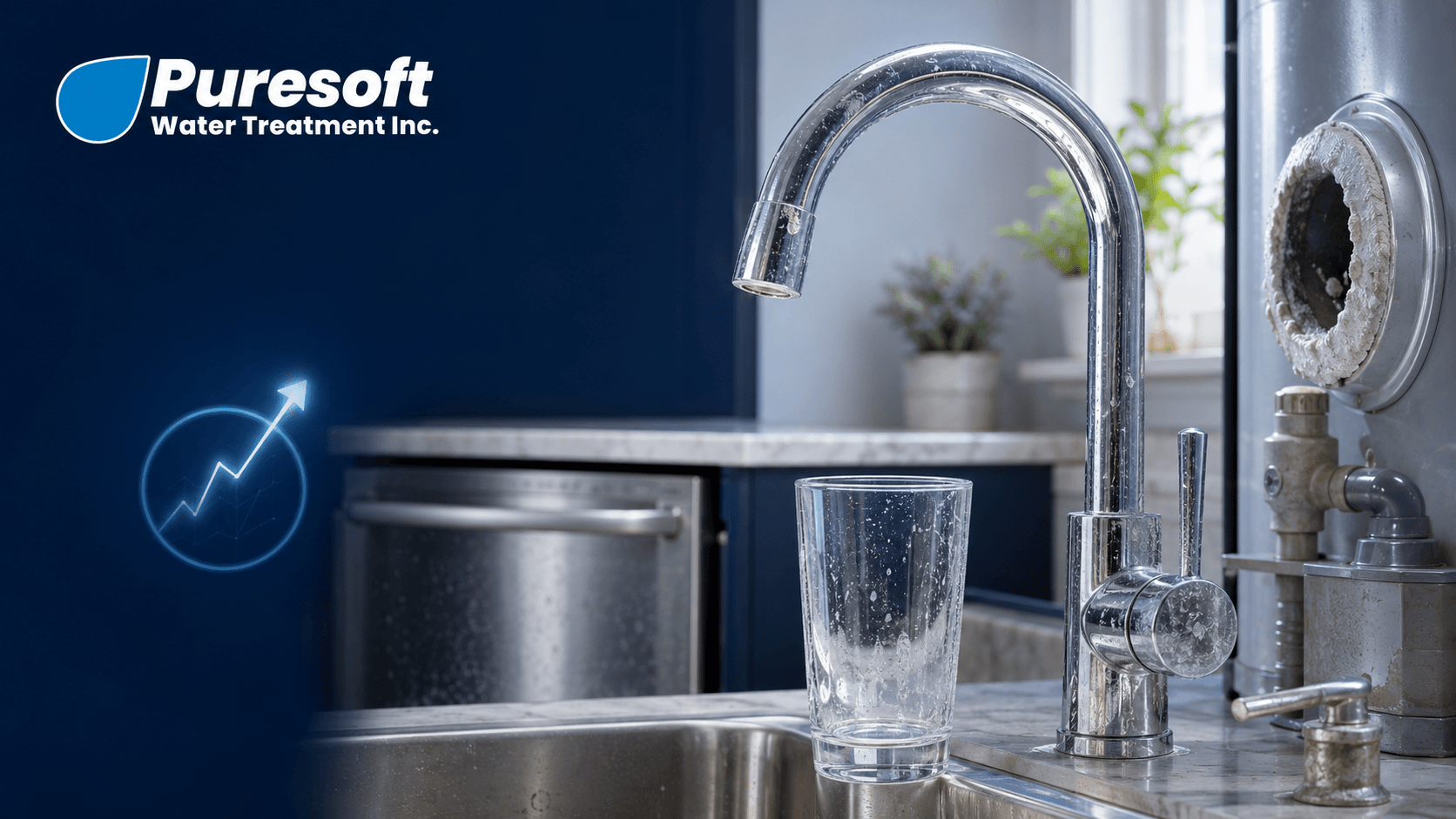
2. Appliance and Fixture Staining
Water heaters, dishwashers, washing machines, and faucets collect mineral sediment that reduces efficiency and shortens their lifespan. You may also notice orange or black stains in sinks, tubs, and toilets that are nearly impossible to scrub off completely.
3. Corrosion and Hidden Leaks
Iron buildup can accelerate galvanic corrosion in metal pipes, leading to pinholes and leaks behind walls or under floors. This hidden damage can cause structural issues and costly water repairs if left untreated.
4. Bacterial Growth
Iron bacteria — microorganisms that thrive on dissolved iron — produce a thick, slimy film that collects in pipes, pumps, and tanks. This not only increases clogs but also contributes to bad odors and discoloration.
How to Treat Iron and Manganese in Franklin, IN
Before investing in any system, homeowners should start with a professional water test. Franklin and surrounding areas often have both dissolved and oxidized forms of iron, which require different solutions.
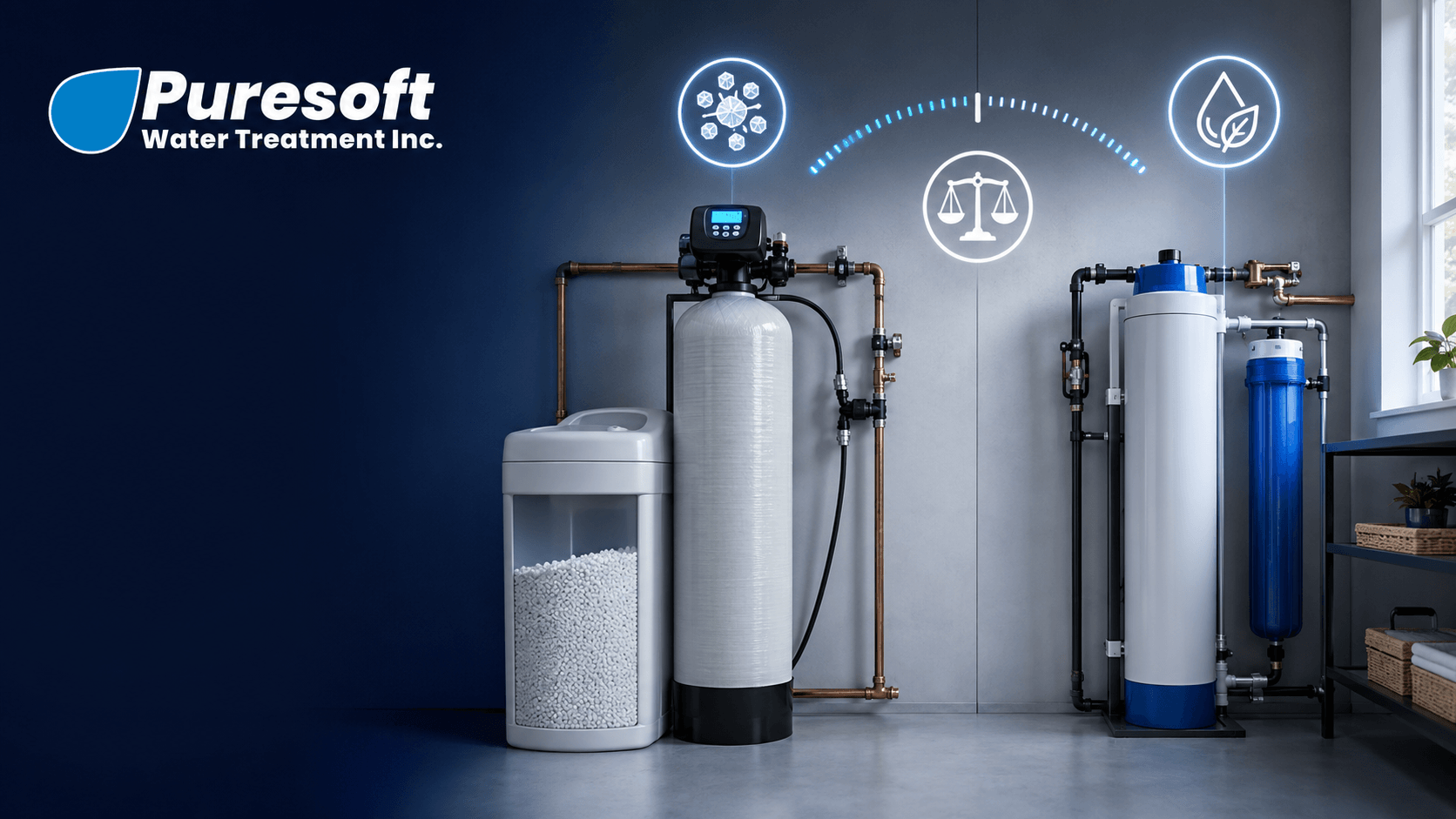
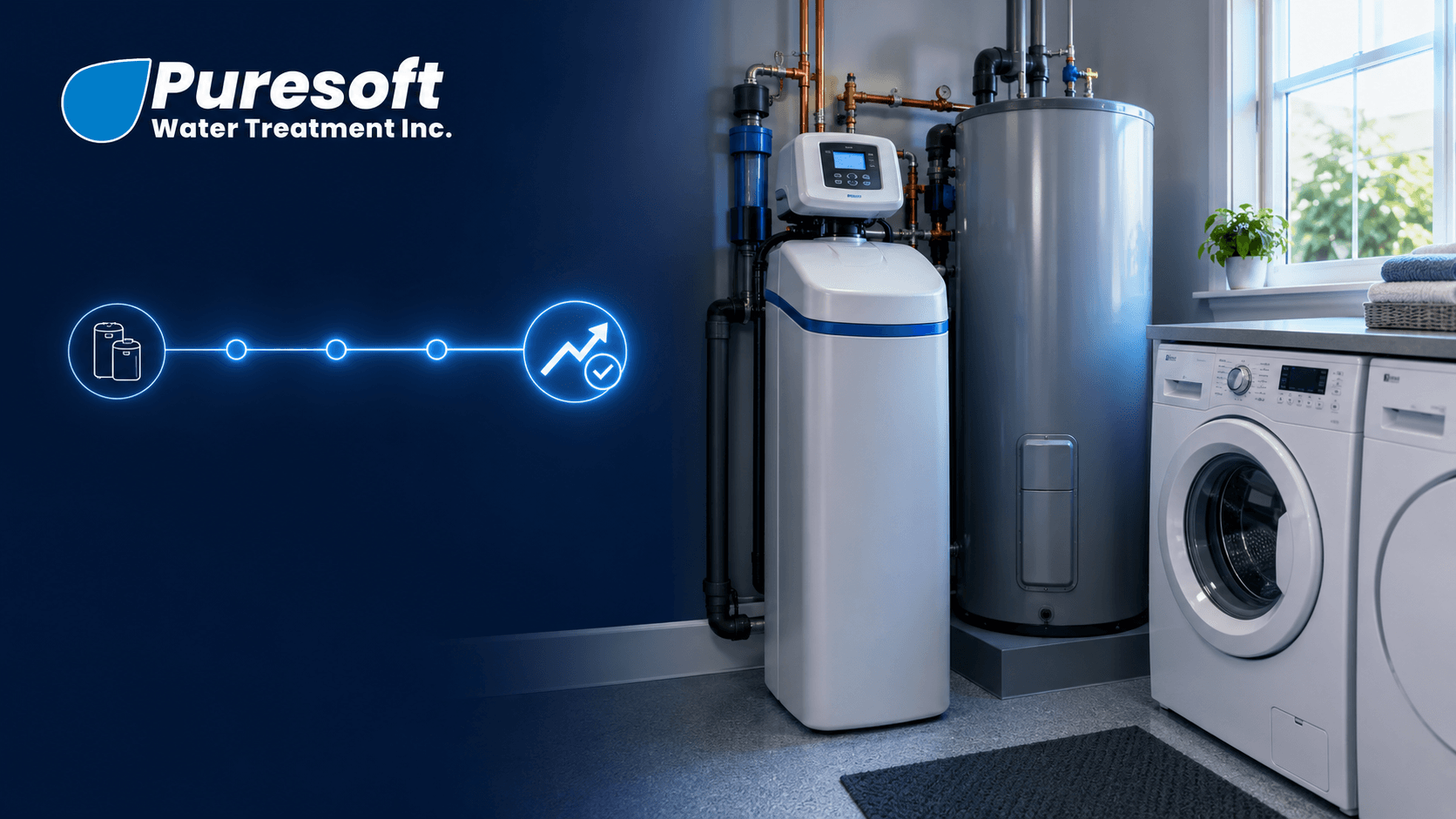
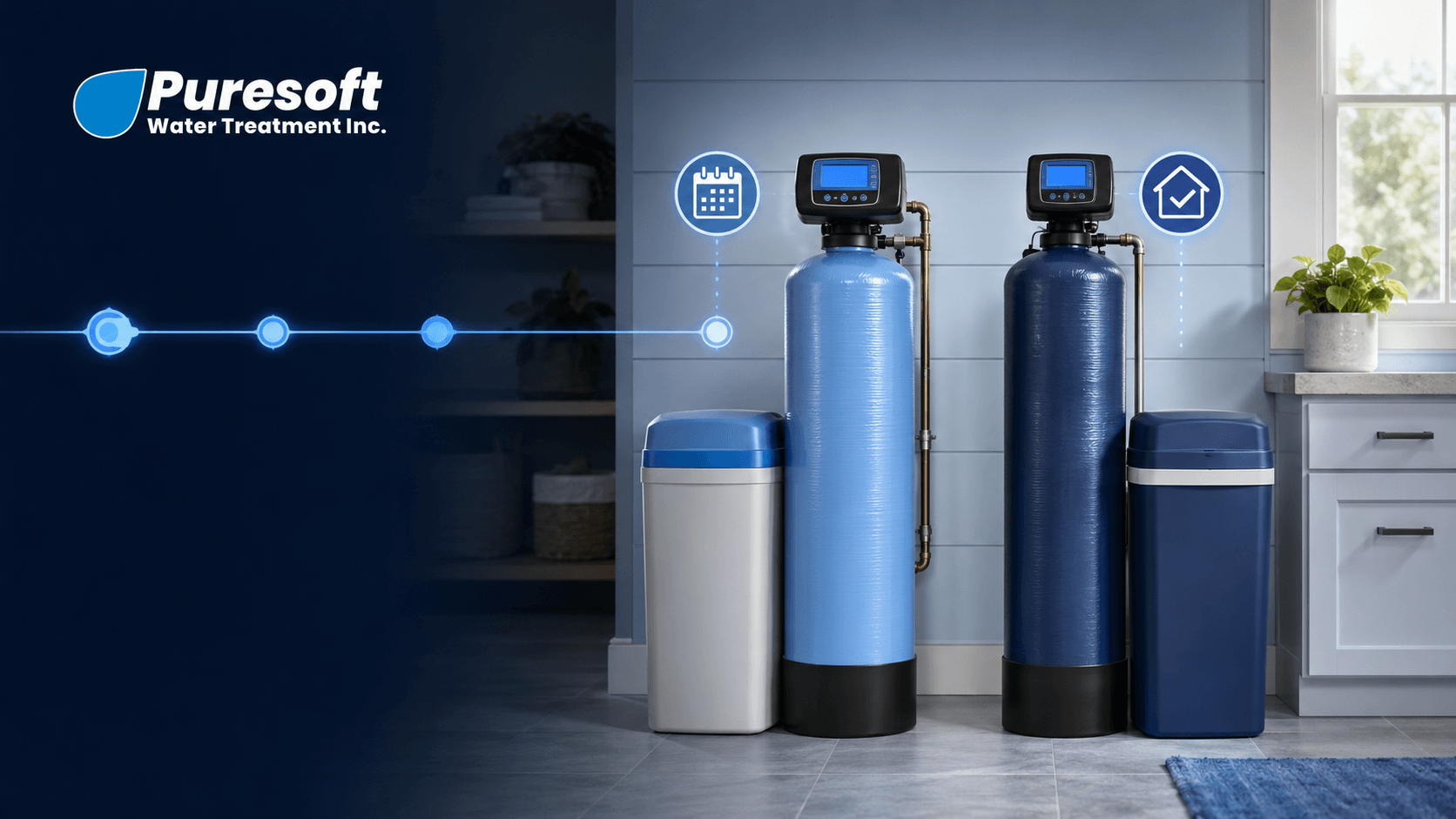
1. Water Softeners
These systems are ideal for removing hardness and small amounts of dissolved iron. They use ion exchange to swap calcium, magnesium, and some metals for sodium or potassium, reducing staining and buildup.
2. Oxidation and Filtration Systems
When iron or manganese levels are moderate to high, these systems oxidize dissolved metals into solid form and then filter them out. They’re among the most reliable long-term solutions for well water users in Central Indiana.
3. Aeration and Carbon Filtration
If your water has both iron and a sulfur or “rotten egg” odor, aeration systems introduce oxygen to neutralize smells and precipitate metals, while carbon filters polish and clarify the final output.
4. Chemical Feed Systems
For severe contamination, chemical feed systems inject controlled amounts of chlorine or hydrogen peroxide to oxidize iron and kill bacteria before filtration. They’re powerful solutions often used for private wells or rural properties.
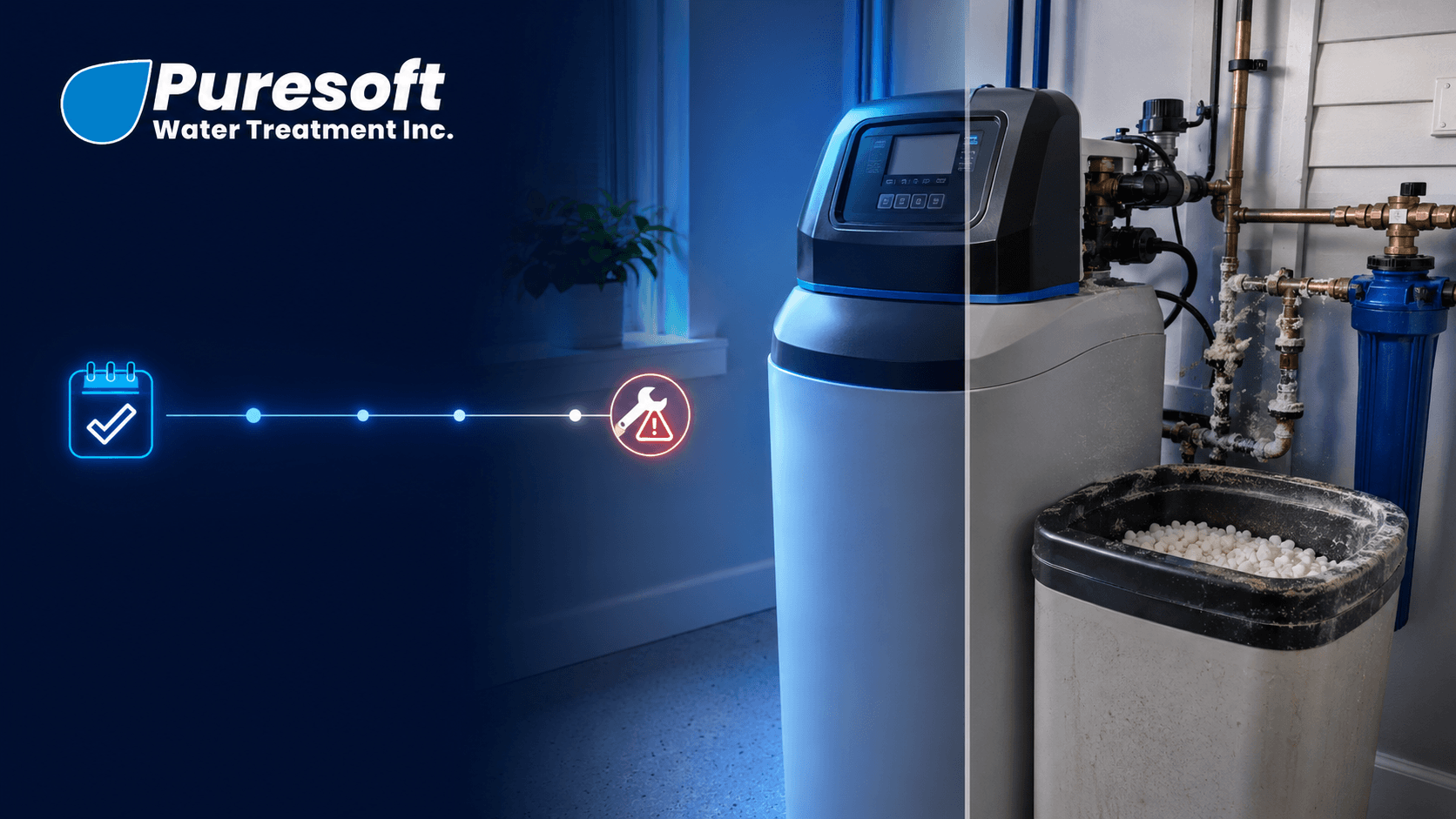
5. Regular Maintenance and Prevention
To keep your water system running efficiently, it’s essential to:
- Schedule annual maintenance and testing with a trusted local professional.
- Flush filters, softeners, and tanks according to the manufacturer’s instructions.
- Watch for early signs like reduced pressure, odor changes, or discoloration.
- Install pre-filters if you’re drawing water from a private well.
Frequently Asked Questions
What level of iron is acceptable in drinking water?
Iron concentrations under 0.3 mg/L are typically considered safe from an aesthetic standpoint, though even lower levels can cause staining.
Can a water softener remove all iron and manganese?
Only low concentrations — generally under 2 ppm — can be handled by a standard softener. Beyond that, you’ll need dedicated oxidation and filtration.
Why does my water smell like rotten eggs?
That odor is usually caused by hydrogen sulfide gas, which often accompanies high iron or manganese levels. Aeration or oxidation systems can solve both problems.
Does city water in Franklin contain iron or manganese?
Municipal water is treated before distribution, but older plumbing or local well systems can still reintroduce these metals into your home.
Is bottled water a good solution?
It’s fine as a temporary option, but it doesn’t solve the underlying problem. Treating your home’s water system is a smarter, long-term investment.
Conclusion
Iron and manganese are common in Central Indiana’s groundwater, but their impact goes far beyond cosmetic staining. Left untreated, they can clog pipes, damage appliances, and create costly plumbing issues.
Homeowners in Franklin, Indiana can prevent these problems with a simple water test and the right treatment solution. Whether it’s a softener, oxidation system, or full filtration setup, professional help ensures your plumbing stays protected — and your water stays clean and clear.