Understanding VOCs, Heavy Metals, and Other Invisible Contaminants in Indiana Tap Water
February 22, 2026
Introduction
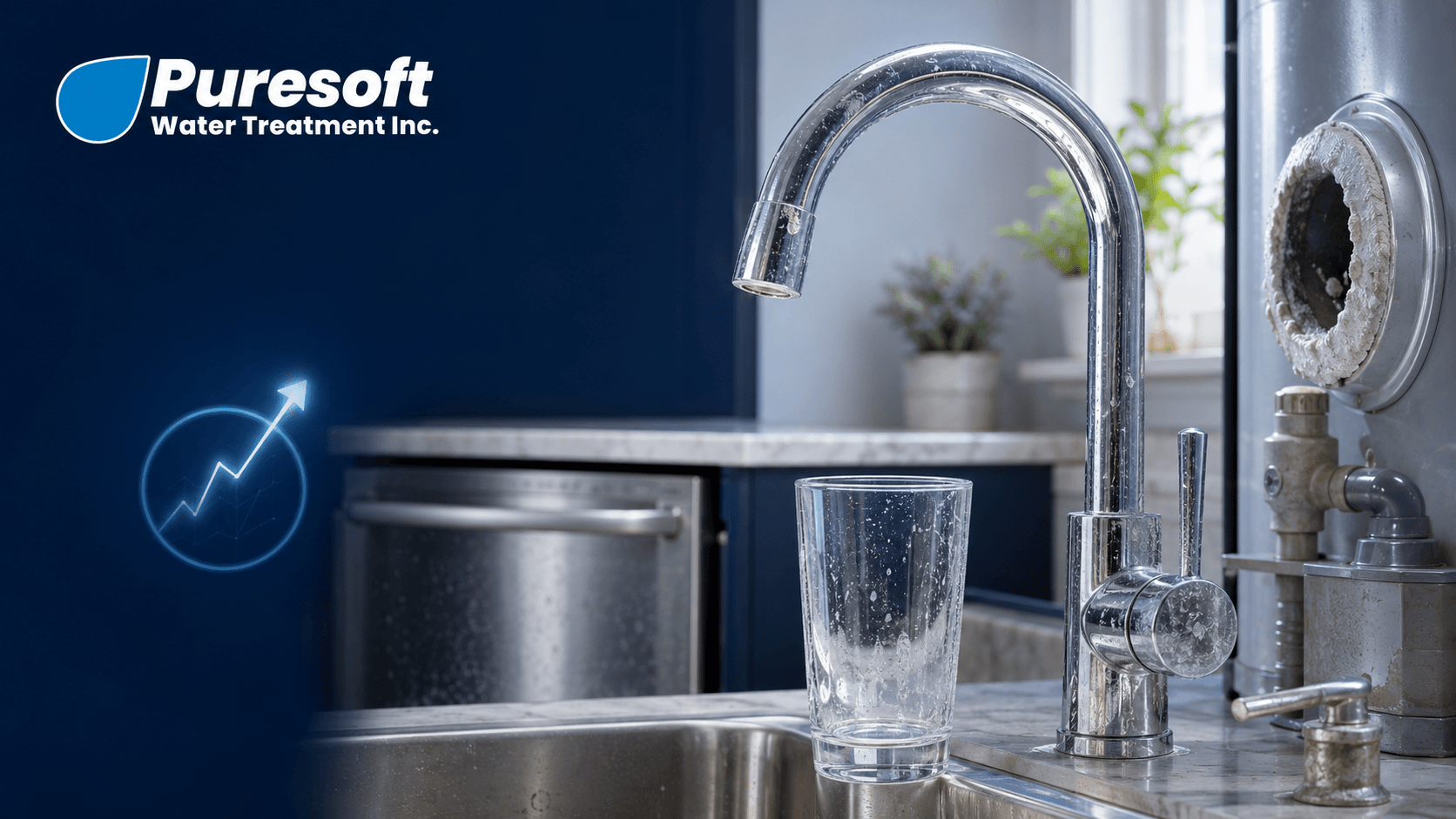
When you pour a glass of water from the tap, it often looks crystal clear — but appearances can be deceiving. Beneath that clarity, your water may contain invisible contaminants like volatile organic compounds (VOCs), heavy metals, pesticides, and other microscopic pollutants.
While these contaminants are typically present in trace amounts, long-term exposure can affect everything from your plumbing to your family’s health. For Indiana homeowners, the challenge is even greater because of the state’s diverse mix of rural agriculture, aging infrastructure, and naturally mineral-rich groundwater.
In this guide, we’ll help you understand what VOCs and heavy metals are, how they get into Indiana tap water, and what you can do to remove them effectively — so you can enjoy clean, safe, and great-tasting water every day.
What Are Invisible Contaminants?
Invisible contaminants are substances that cannot be seen, smelled, or tasted, but still affect water quality and safety. These include a wide range of chemical, biological, and metallic compounds.
The most common categories include:
VOCs (Volatile Organic Compounds): Carbon-based chemicals that evaporate easily and often enter water from industrial or household sources.
- Heavy Metals: Elements like lead, arsenic, and mercury that can leach into water through corrosion or natural deposits.
- Pesticides and Herbicides: Agricultural chemicals that run off into groundwater and surface water during rainfall.
- Disinfection Byproducts (DBPs): Formed when chlorine reacts with organic matter in treated municipal water.
- Microbial Contaminants: Bacteria, viruses, or cysts that may enter through compromised plumbing or well systems.
While the EPA regulates many of these through national standards, trace levels can still slip through due to old pipes, agricultural runoff, or regional geology — all of which affect Indiana’s water systems.
Understanding VOCs in Indiana Water
What Are VOCs?
Volatile Organic Compounds are carbon-based chemicals found in many everyday products — paints, fuels, solvents, and cleaning agents. They evaporate quickly into the air, but they can also leach into soil and groundwater, eventually entering drinking water supplies.
Common Sources of VOCs
In Indiana, VOC contamination often stems from:
- Industrial facilities and manufacturing plants releasing solvents and degreasers.
- Fuel storage leaks or spills near gas stations.
- Agricultural chemicals that migrate into aquifers.
- Household products such as detergents or disinfectants that enter the wastewater system.
Health and Home Effects
VOCs can cause both short- and long-term health impacts depending on exposure.
- Short-term: headaches, dizziness, or nausea.
- Long-term: liver, kidney, or nervous system damage; certain compounds (like benzene) are linked to cancer.
They can also contribute to unpleasant odors and tastes — especially if your water smells like chemicals or fuel.
How to Detect VOCs
VOCs are completely invisible. The only reliable way to identify them is through professional water testing, which measures compounds like:
- Trichloroethylene (TCE)
- Benzene
- Methyl tert-butyl ether (MTBE)
- Dichloromethane
- Xylenes
If VOCs are detected, advanced filtration — typically activated carbon or reverse osmosis systems — is the most effective solution.
Heavy Metals in Indiana Tap Water
Why Heavy Metals Are a Concern
Heavy metals are naturally occurring elements, but at high concentrations they become toxic. Indiana’s mix of agricultural, industrial, and residential water systems means heavy metals can come from multiple sources.
Common examples include:
- Lead: Often leaches from old plumbing and service lines.
- Arsenic: Found naturally in some Indiana aquifers, particularly in central and northern regions.
- Iron and Manganese: Naturally occurring, but cause staining and metallic taste.
- Copper: Corrosion from household plumbing or fittings.
- Chromium and Mercury: Industrial byproducts that can contaminate groundwater near manufacturing zones.
Health Risks of Heavy Metals
Even low levels of heavy metals can accumulate in the body over time.
- Lead: Affects neurological development, especially in children.
- Arsenic: Linked to skin issues and long-term cancer risk.
- Copper and Iron: Can cause gastrointestinal problems and discoloration.
- Chromium-6: Known carcinogen found in some municipal systems nationwide.
How They Enter the Water
Heavy metals typically enter water through:
- Pipe corrosion in aging infrastructure.
- Natural deposits in soil and bedrock.
- Industrial discharge or landfill runoff.
- Erosion from mining and agricultural activity.
Homeowners using well water face the greatest risk because private wells are not regulated by federal standards and may contain naturally high metal concentrations.
Other Invisible Contaminants Affecting Indiana Homes
Nitrates and Pesticides
Common in agricultural regions, nitrates and pesticides wash off farmlands during heavy rains. Once in groundwater, they are difficult to remove without specialized filtration.
Excessive nitrates are particularly dangerous for infants, causing a condition known as “blue baby syndrome” by reducing oxygen in the blood.
Chlorine and Disinfection Byproducts
Municipal water systems use chlorine to kill bacteria — a necessary step for public safety. However, chlorine can react with natural organic matter in water to form disinfection byproducts (DBPs) like trihalomethanes (THMs), which have potential long-term health risks.
While most systems stay within EPA limits, sensitive individuals may experience dry skin, eye irritation, or unpleasant chlorine odor and taste.
Microbial Contaminants
Bacteria, viruses, and protozoa can infiltrate private wells after flooding or heavy rainfall. These microbes may cause gastrointestinal illness, though they’re typically controlled through chlorination or UV treatment.
Protecting Your Home from Invisible Contaminants
Knowing what’s in your water is the first step — but prevention and treatment are what keep it safe year-round. Here’s how Indiana homeowners can take control.
Step 1: Test Your Water
Schedule a comprehensive water quality test that screens for:
- Heavy metals (lead, arsenic, iron, copper)
- VOCs and pesticides
- Nitrates and chlorine
- pH balance and hardness levels
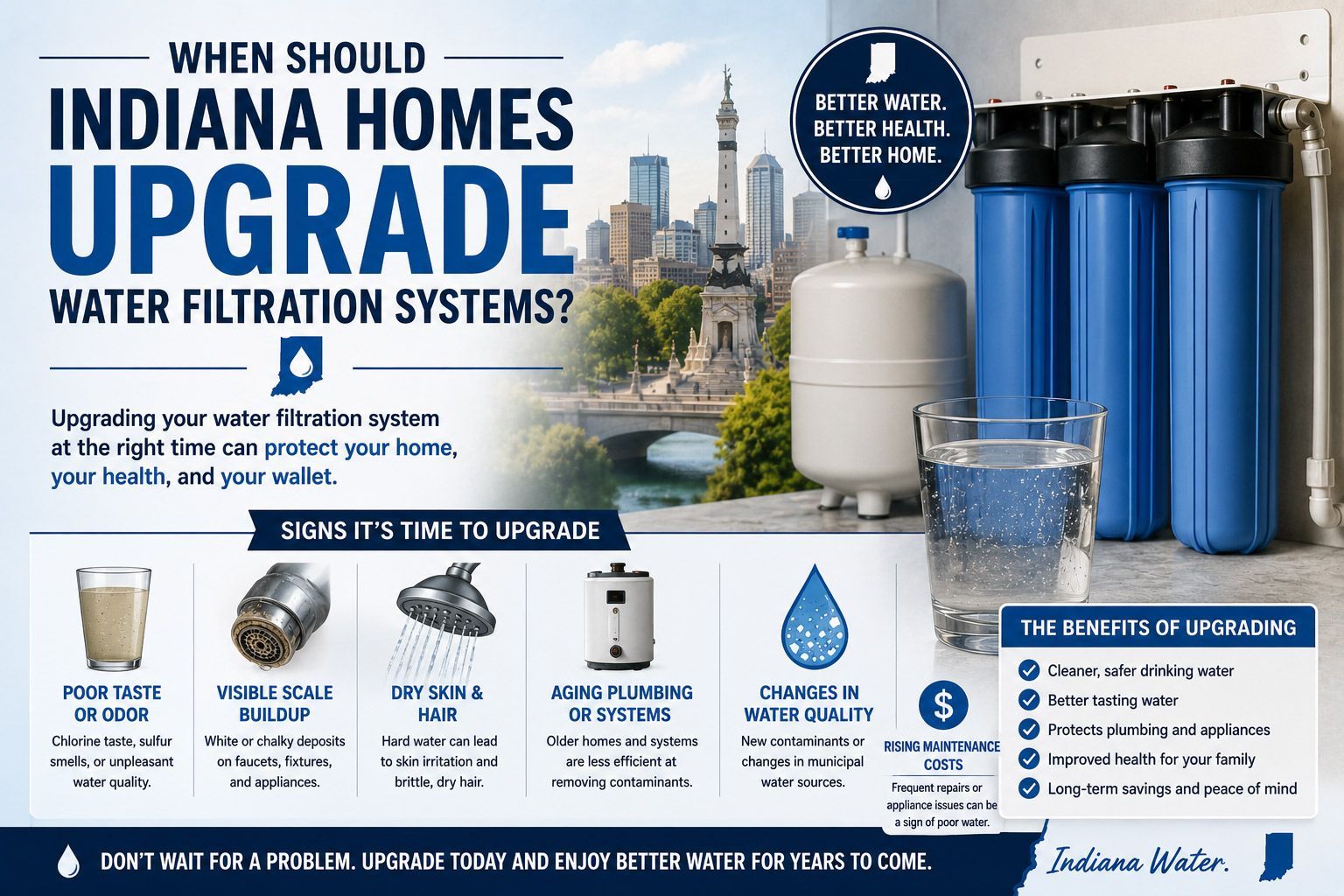
Testing should be performed annually, especially if you use a private well or notice changes in taste, smell, or clarity.
Step 2: Install the Right Filtration System
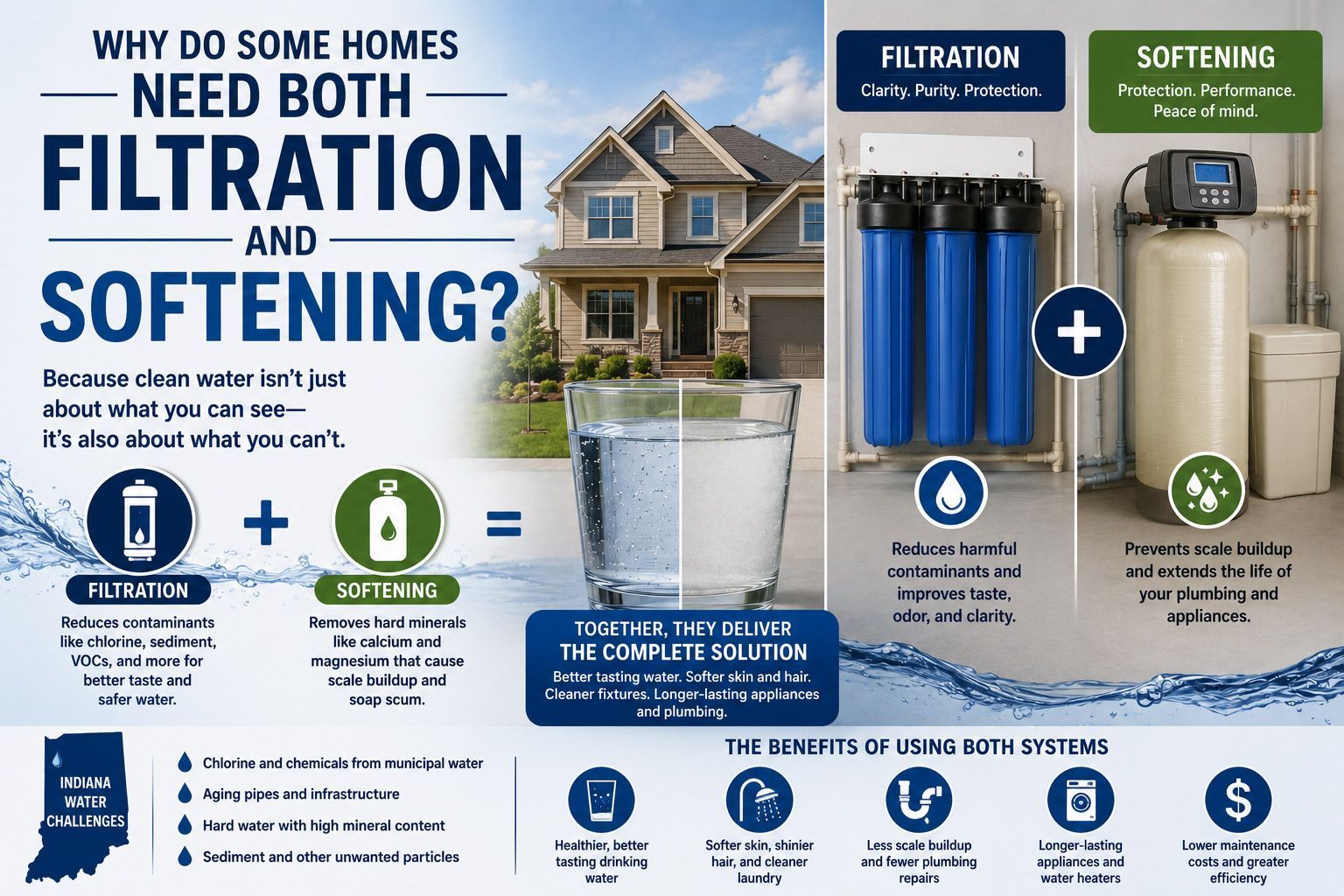
No single filter removes everything. Instead, a combination of systems provides the best protection:
- Activated Carbon Filters: Excellent for VOCs, chlorine, and chemical odors.
- Reverse Osmosis (RO) Systems: Removes heavy metals, nitrates, and many VOCs.
- UV Disinfection: Destroys bacteria and viruses without chemicals.
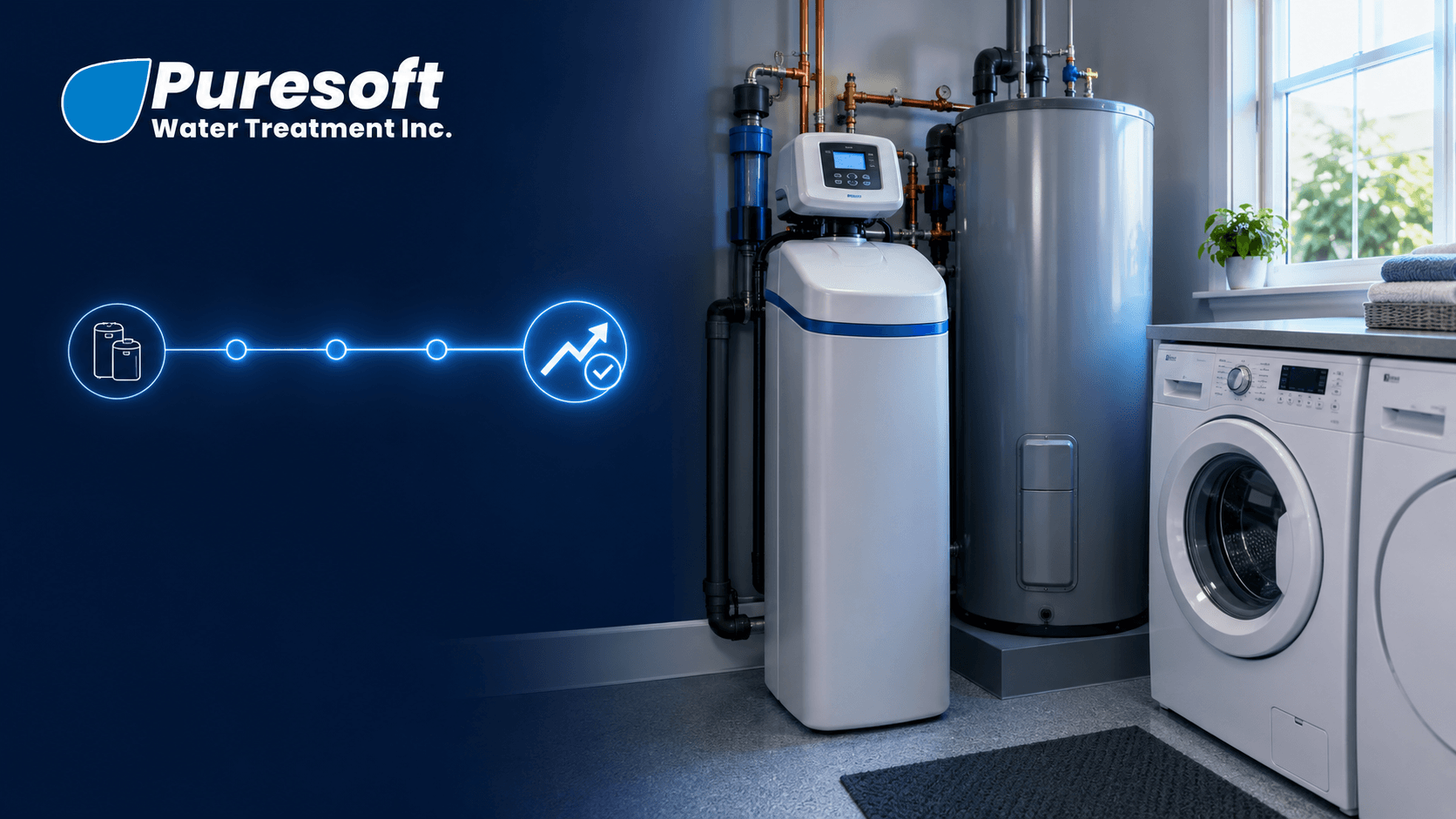
- Whole-Home Filtration Systems: Treats all water entering your home for consistent protection.
Professional installation ensures the system is correctly sized and optimized for your water chemistry.
Step 3: Maintain and Monitor Regularly
Even the best system requires periodic care:
- Replace filters and membranes on schedule.
- Sanitize tanks and check seals annually.
- Retest water every 6–12 months to ensure continued performance.
Step 4: Stay Informed About Local Water Reports
Municipal water providers publish annual Consumer Confidence Reports (CCRs) that outline contaminant levels and compliance status. For well users, private testing through a certified lab or local water treatment expert is essential.
Why Indiana Homes Are Particularly Vulnerable
Several local factors contribute to higher risk levels for invisible contaminants:
- Agriculture: Indiana’s farming operations use fertilizers and pesticides that can seep into groundwater.
- Aging Infrastructure: Many cities still rely on decades-old service lines that can leach lead and copper.
- Geology: Limestone and shale formations release natural minerals and metals into aquifers.
- Industrial History: Legacy manufacturing zones contribute residual chemical contamination to nearby wells and rivers.
Understanding these regional characteristics helps tailor water treatment solutions that specifically target Indiana’s water profile.
Frequently Asked Questions.
How can I tell if my water has VOCs or heavy metals?
These contaminants are invisible and odorless, so only a professional water test can confirm their presence.
Are VOCs dangerous if levels are low?
Even small amounts can accumulate in the body over time. Long-term exposure has been linked to organ and neurological effects.
Does boiling water remove VOCs or heavy metals?
No. Boiling may remove some bacteria but actually concentrates chemical contaminants as water evaporates.
Can I rely on my city’s water testing?
Municipal testing ensures compliance at the treatment plant, but contamination can occur in distribution pipes or household plumbing. Home testing verifies your specific tap’s quality.
What’s the best filter for invisible contaminants?
For comprehensive protection, a reverse osmosis system paired with activated carbon filtration removes most VOCs, metals, and chemicals effectively.
Conclusion
Just because your tap water looks clean doesn’t mean it’s free of contaminants. VOCs, heavy metals, and other invisible pollutants can slip through both public and private systems — especially in regions like Indiana with mixed agricultural, industrial, and geological influences.
The good news is that these problems are completely solvable. By testing your water, choosing the right filtration system, and working with a trusted local water treatment provider, you can ensure every drop in your home is clean, safe, and refreshing.
PureSoft helps Indiana homeowners understand their water quality and design custom solutions that tackle invisible contaminants at the source — giving you peace of mind with every glass.