What to Expect When You Schedule a Water Quality Test with PureSoft
January 25, 2026
Introduction
When you turn on the tap, you expect clean, safe, and great-tasting water. But if your water leaves stains, smells odd, or tastes metallic, something may be off. The problem is, most water issues aren’t visible — and guessing what’s in your water rarely works.
That’s where a professional water quality test comes in.
For Indiana homeowners, understanding your water’s makeup is the first step toward finding the right solution — whether it’s a water softener, filtration system, or full treatment setup. PureSoft offers in-home water testing designed to pinpoint what’s really happening with your water and help you fix it for good.
In this post, we’ll walk you through what to expect before, during, and after scheduling a water quality test with PureSoft, and why this small step can have a huge impact on your home’s comfort and health.
Why Water Testing Matters in Indiana
Indiana is known for its hard water, and many regions also deal with iron, sulfur, and sediment. Homeowners with private wells face even more variables, such as bacteria, pH imbalance, and high mineral content.
Without testing, it’s nearly impossible to know which issues are affecting your home’s water. And that’s important because the right solution depends entirely on the problem. Installing the wrong filter or softener can waste money and fail to address the real concern.
Here are a few signs that you may need a professional test:
- Stains or discoloration on sinks, tubs, or laundry
- Dry skin, brittle hair, or soap that won’t lather
- Metallic, rotten-egg, or chlorine taste or smell
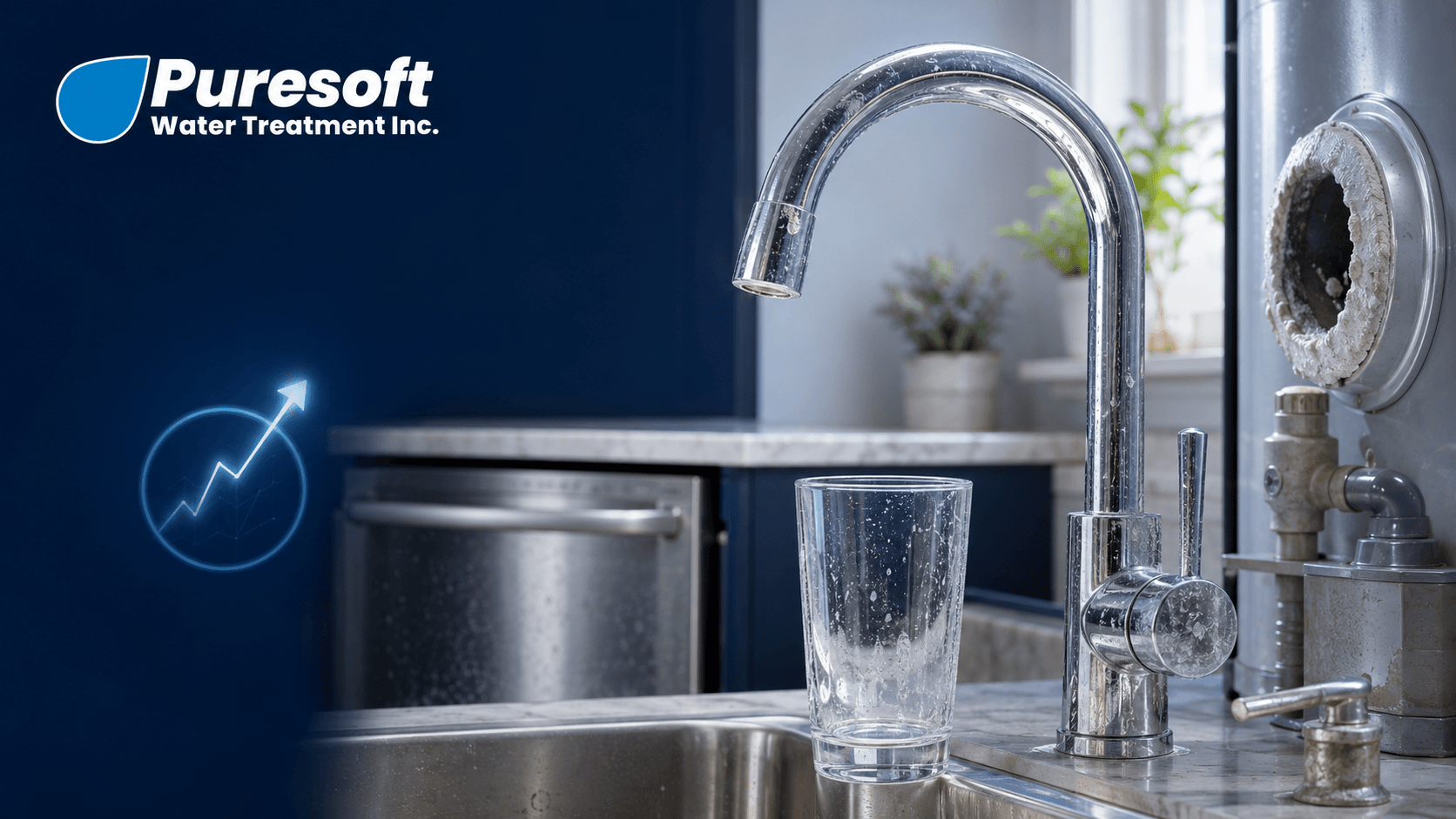
- White scale buildup on faucets or appliances
- Cloudy water or floating particles
- Frequent plumbing issues or reduced water pressure
A PureSoft water quality test helps uncover the root cause behind these symptoms — giving you the data you need to fix them accurately.
What a Water Quality Test Checks For
A professional water test goes beyond just hardness. It evaluates your water for a range of potential issues that affect both health and home maintenance.
Here’s what PureSoft typically tests for during an in-home visit:
- Hardness: Measures calcium and magnesium content that causes scale buildup.
- Iron: Detects both dissolved (clear-water) and oxidized (red-water) iron that causes stains and metallic taste.
- pH Level: Determines whether your water is acidic or basic, which can affect plumbing corrosion.
- Chlorine and Chloramine: Common in city water, they can affect taste, odor, and skin sensitivity.
- Total Dissolved Solids (TDS): Measures overall mineral and impurity content.
- Sulfur (Hydrogen Sulfide): Indicates rotten-egg odors from bacterial or chemical reactions.
- Bacteria (optional for well users): Tests for microbial contamination if the home uses private well water.
These results provide a complete snapshot of your home’s water chemistry. From there, PureSoft’s specialists recommend a customized solution that fits your home, water source, and budget.
What to Expect During a Water Quality Test
Many homeowners are surprised at how easy and straightforward the process is. Here’s what happens when you schedule a test with PureSoft.
Step 1: Scheduling and Consultation
It starts with a quick call or online request. You’ll schedule a convenient appointment time for a water treatment professional to visit your home.
During this first conversation, you can mention any specific issues you’ve noticed — such as stains, odors, or dry skin — so the specialist knows what to focus on.
Step 2: In-Home Visit and Inspection
A PureSoft technician arrives at your home and begins with a short walkthrough. They’ll ask about your water source (city or well), look at plumbing connections, and locate ideal testing points, usually at the kitchen tap or a main faucet.
Step 3: On-the-Spot Testing
Unlike lab tests that take days, PureSoft’s in-home test produces instant results. The technician uses specialized testing equipment and chemical reagents to measure various parameters right in your kitchen or utility area.
For example:
- Hardness levels are checked using titration or digital meters.
- Iron is identified through colorimetric testing.
- pH and chlorine are measured with accurate handheld sensors.
You’ll be able to see these results immediately, along with explanations of what each value means and how it compares to standard recommendations.
Step 4: Results Discussion and Analysis
Once the readings are complete, the technician reviews them with you in plain, easy-to-understand terms. You’ll learn which elements are elevated, how they affect your water, and what options are available to correct them.
For example:
- If hardness levels are high, a
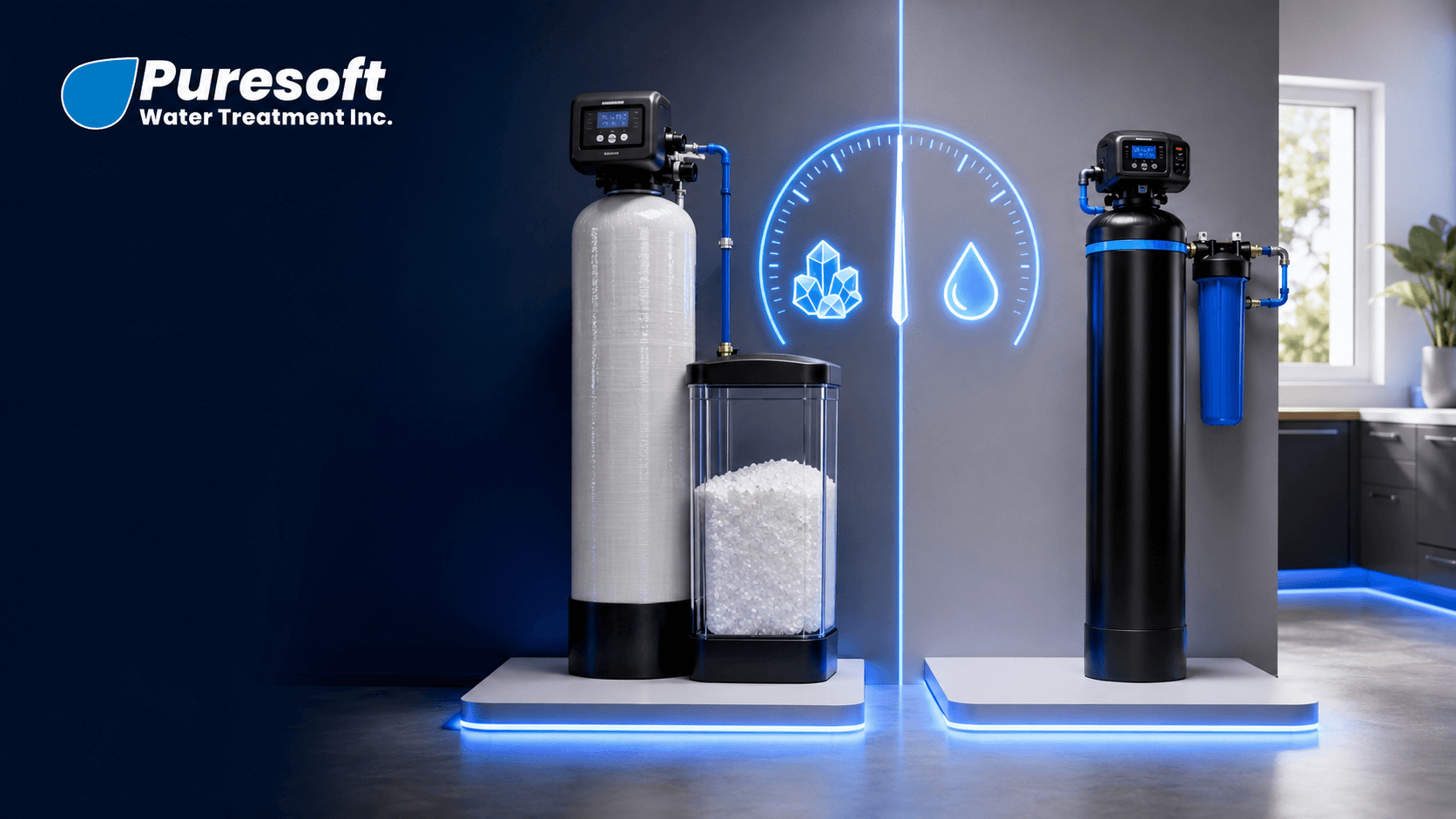
salt-based or salt-free softener may be recommended.
- If iron or sulfur is present, an
oxidizing or iron filter might be added.
- For high TDS or chlorine levels, a
reverse osmosis or carbon filter could be best.
The focus isn’t on selling a product but on providing clarity — so you know exactly what’s in your water and how to fix it long-term.
Step 5: Personalized Recommendation
Every household’s water is different. PureSoft provides a tailored treatment plan that considers:
- Your water chemistry results
- Family size and daily water usage
- Plumbing layout and space availability
- Maintenance preferences and budget
This ensures your system is properly sized, efficient, and built to handle your home’s unique needs.
Step 6: Optional Installation and Follow-Up
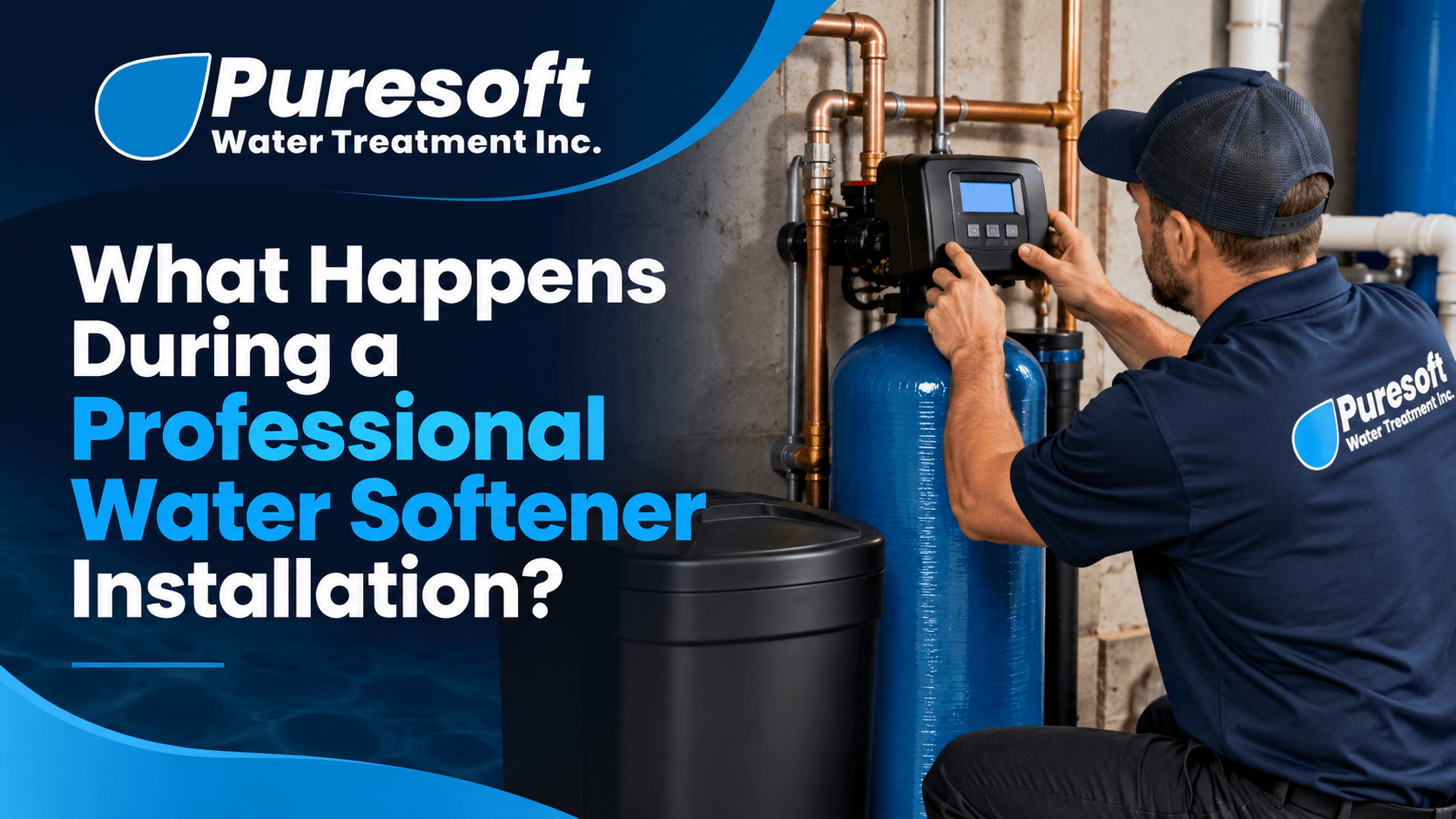
If you decide to move forward with a solution, PureSoft handles everything from delivery and installation to system setup and post-installation support. You can also schedule future maintenance or retesting to verify long-term performance.
The entire testing process usually takes less than an hour, and you’ll have immediate insights about your home’s water — no waiting, no lab reports, and no guesswork.
Why Choose Professional Testing Over DIY Kits
You’ve probably seen water testing kits at hardware stores. While they can give a rough estimate of hardness or pH, they’re far less accurate than professional testing.
Here’s why homeowners in Indiana often prefer a professional test:
- Comprehensive results: DIY kits only measure a few factors, often missing iron, sulfur, or bacterial issues.
- Precision: PureSoft uses professional-grade instruments calibrated for accuracy.
- Expert interpretation: Raw numbers can be confusing. A trained technician explains what each value means for your home.
- Immediate solutions: Instead of guessing, you get expert recommendations right away.
- Peace of mind: Testing is performed by local professionals who understand Indiana’s water conditions.
In short, professional testing removes the uncertainty and helps you make informed, confident decisions about your water.
Frequently Asked Questions
How long does a PureSoft water test take?
Most in-home tests take 45 minutes to an hour, including setup, testing, and reviewing results.
Do I need to prepare anything before the appointment?
Just make sure the technician can access your main kitchen or utility faucet. No special preparation is required.
Is the test really free?
Yes. PureSoft offers free in-home water quality testing for homeowners in its Indiana service areas.
ill I need to buy anything after the test?
No obligation at all. You’ll receive results and recommendations, but you can decide if or when to move forward with treatment.
Can you test well water for bacteria or sulfur odor?
Yes. Additional testing options are available for well users to check for bacterial contamination, sulfur, and other naturally occurring compounds.
Conclusion
Scheduling a water quality test with PureSoft is one of the simplest, most informative steps you can take to improve your home’s water. In less than an hour, you’ll know exactly what’s in your water, what’s causing the problems you notice, and how to fix them effectively.
With hard water, iron, and mineral issues common throughout Indiana, professional testing isn’t just smart — it’s essential. Whether your water comes from a private well or the city supply, PureSoft’s experts provide the clarity and confidence you need to protect your family, home, and appliances.