Why Do Some Whole-Home Water Filters Cost More?
June 7, 2026
Introduction
Two whole-home water filtration systems can look similar at first glance yet come with completely different price tags. One system may seem relatively affordable, while another costs significantly more before installation is even included.
That difference often confuses homeowners who are trying to compare options.
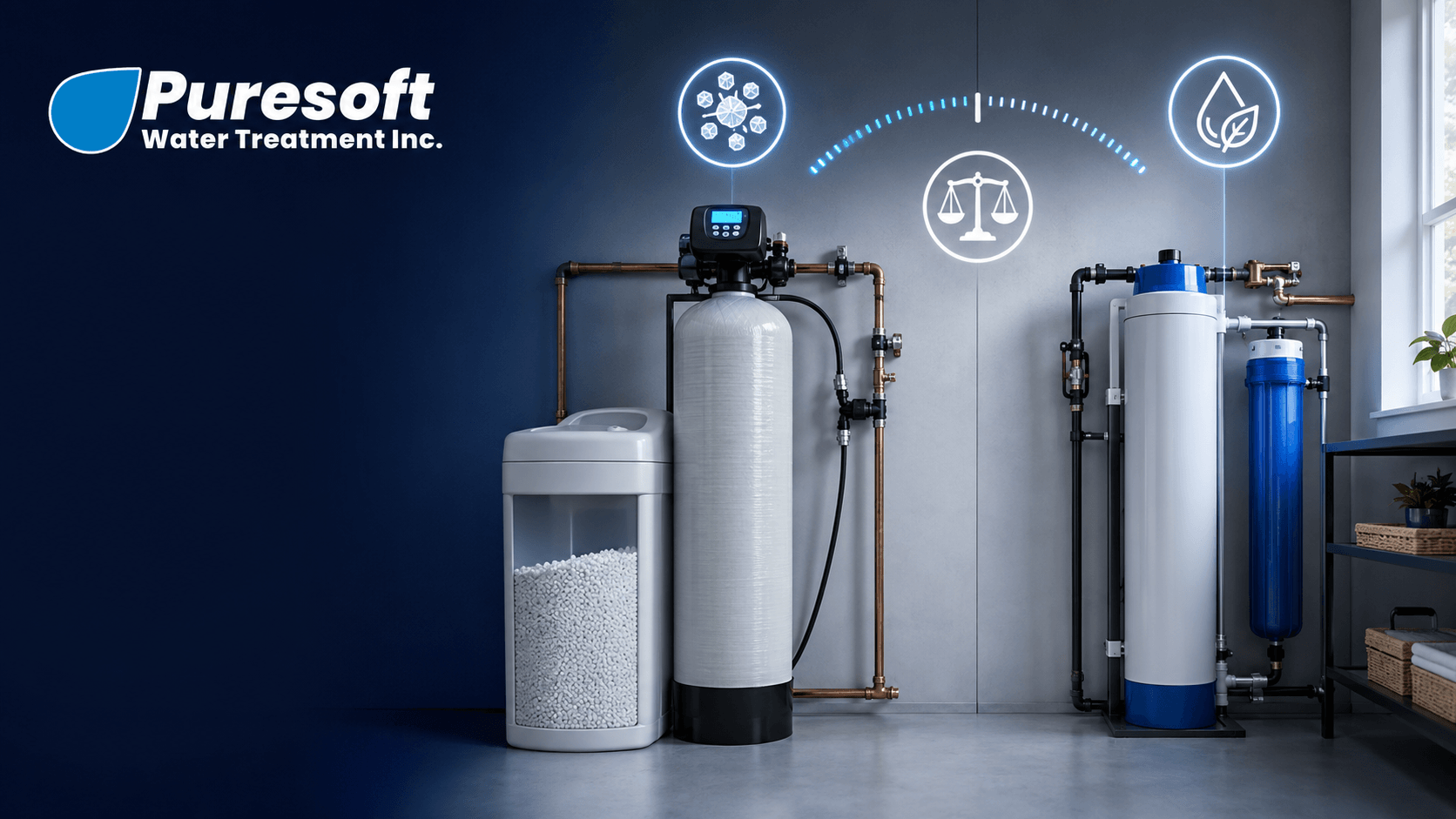
The reality is that whole-home water filters are designed for very different water conditions, property sizes, and treatment goals. Some systems only target basic sediment issues, while others are built to handle chlorine, iron, sulfur, heavy mineral content, or multiple contaminants at the same time.
Pricing usually reflects how much treatment work the system is expected to perform.
For homeowners researching filtration options, understanding what actually drives those costs makes it easier to compare systems based on long-term value instead of just the lowest upfront number.
Not All Whole-Home Filters Solve the Same Problems
One of the biggest reasons for price differences is that water quality problems vary widely between homes.
Some households mainly want to improve taste and odor. Others are dealing with staining, sediment, well water contaminants, or chemical exposure concerns. The more complex the water issue becomes, the more advanced the filtration system usually needs to be.
Basic Sediment Filtration
Entry-level systems often focus mainly on sediment removal.
These filters are commonly used to reduce:
- Dirt
- Sand
- Rust particles
- Debris from aging pipes
Sediment systems are generally less expensive because they use simpler filtration media and fewer treatment stages.
Carbon Filtration Systems
Carbon filtration systems usually cost more because they target additional contaminants such as:
| Common Issue | What Carbon Filters Help Reduce |
|---|---|
| Chlorine taste | Chemical odor and flavor |
| VOCs | Certain organic compounds |
| Bad smells | Sulfur-like odors |
| Discoloration | Some water appearance issues |
Higher-quality carbon systems often use larger tanks and more filtration media, which increases both equipment and installation costs.
Multi-Stage Treatment Systems
Some homes require several treatment methods working together.
A system may include:
- Sediment pre-filtration
- Activated carbon filtration
- Water softening
- Iron removal
- UV purification
The more treatment stages involved, the more expensive the overall setup becomes because additional tanks, valves, controls, and plumbing connections are required.
Water Quality Conditions Affect System Pricing
Water conditions themselves heavily influence filtration costs.
Two neighboring homes may need completely different systems depending on the source and condition of their water.
Municipal Water vs. Well Water
Homes connected to municipal water systems often focus on chlorine reduction, taste improvement, and general filtration.
Well water properties frequently face additional challenges such as:
- Iron
- Sulfur
- Sediment
- Manganese
- Bacteria concerns
Treating well water usually requires more specialized equipment, which increases system complexity and pricing.
Contaminant Severity Matters
Small amounts of contaminants may only require moderate treatment. High contaminant levels often require larger systems with stronger filtration capacity.
For example:
- Mild sediment issues may need only a basic filter
- Heavy iron staining may require oxidation systems
- Strong sulfur odors may need advanced treatment stages
The system must match the actual water conditions rather than using a generic solution.
Filter Capacity Plays a Major Role
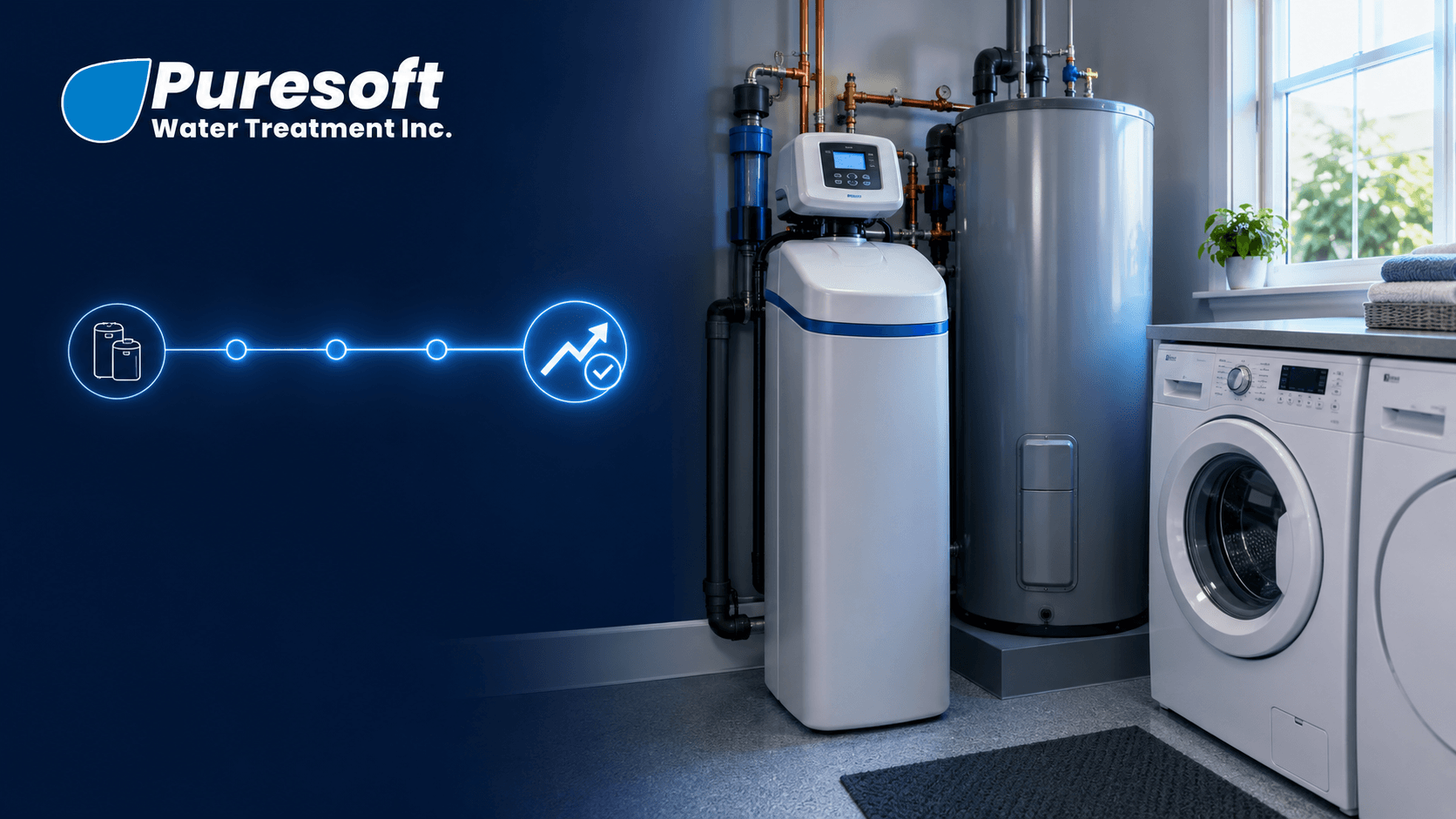
Whole-home filtration systems are sized according to household demand.
A smaller home with low water usage typically needs less filtration capacity than a large household with multiple bathrooms and heavy daily water consumption.
Larger Systems Handle More Water
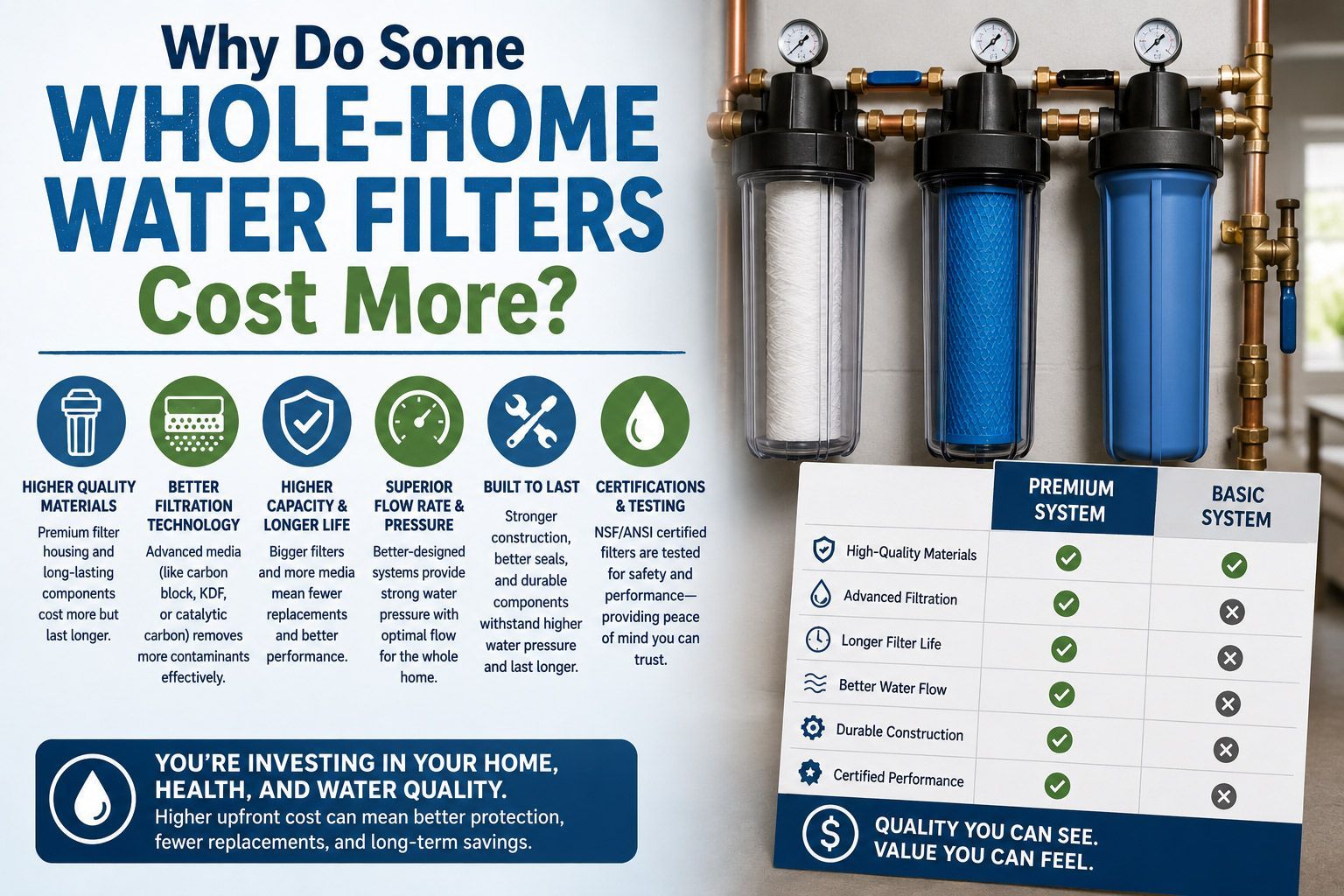
Higher-capacity systems cost more because they contain:
- Larger filtration tanks
- More filter media
- Stronger control valves
- Higher flow-rate capability
These systems are designed to maintain water pressure and filtration performance even during peak household usage.
Flow Rate Requirements Increase Costs
A filtration system that cannot keep up with household demand may reduce water pressure during showers, laundry, or simultaneous appliance use.
Homes with:
- Multiple bathrooms
- Large tubs
- High-end shower systems
- Irrigation systems
- Large families
often require larger filtration systems capable of maintaining higher flow rates without restricting water delivery.
Filter Media Quality Changes Pricing
The materials inside the filtration system directly affect both performance and lifespan.
Higher-Quality Media Lasts Longer
Premium filtration media typically offers:
- Better contaminant reduction
- Longer replacement intervals
- Improved flow consistency
- Greater durability
Lower-cost systems may use smaller amounts of media or lower-grade materials that require more frequent replacement.
Specialized Media Costs More
Certain contaminants require specialized filtration materials.
Examples include:
| Water Problem | Specialized Media Often Used |
|---|---|
| Iron | Oxidizing media |
| Sulfur | Catalytic carbon |
| Acidic water | Neutralizing media |
| Heavy metals | Advanced adsorption media |
Specialized treatment increases manufacturing and maintenance costs because the filtration materials themselves are more expensive.
Installation Complexity Impacts Final Cost
The filtration equipment itself is only part of the total expense.
Installation conditions often determine how simple or difficult the setup process will be.
Plumbing Layout Matters
Homes with accessible plumbing typically allow faster installation. Older homes or complicated plumbing systems may require additional labor.
Installations become more involved when technicians need to:
- Reconfigure plumbing lines
- Add bypass systems
- Relocate pipes
- Improve drainage access
- Modify tight utility spaces
Complex installations naturally raise labor costs.
Space Restrictions
Whole-home systems can require significant installation space depending on the equipment size.
Some homes may need:
- Compact specialty systems
- Wall-mounted solutions
- Additional plumbing adjustments
- Equipment relocation
Tight mechanical rooms or unfinished plumbing areas often increase installation difficulty.
Some Systems Include Advanced Technology
Modern filtration systems now include features that did not exist in older equipment.
While convenient, these upgrades also contribute to higher pricing.
Smart Monitoring Systems
Certain filtration systems now include:
- Digital monitoring
- Filter-life tracking
- Leak detection
- Mobile app connectivity
- Automatic maintenance alerts
These technologies improve convenience and monitoring accuracy but increase equipment cost.
Automatic Backwashing Systems
Some filtration systems automatically clean themselves through backwashing cycles.
Backwashing systems usually cost more upfront because they include:
- Electronic control heads
- Automated valves
- Drain connections
- Programmable settings
However, they can reduce maintenance demands and improve long-term filtration efficiency.
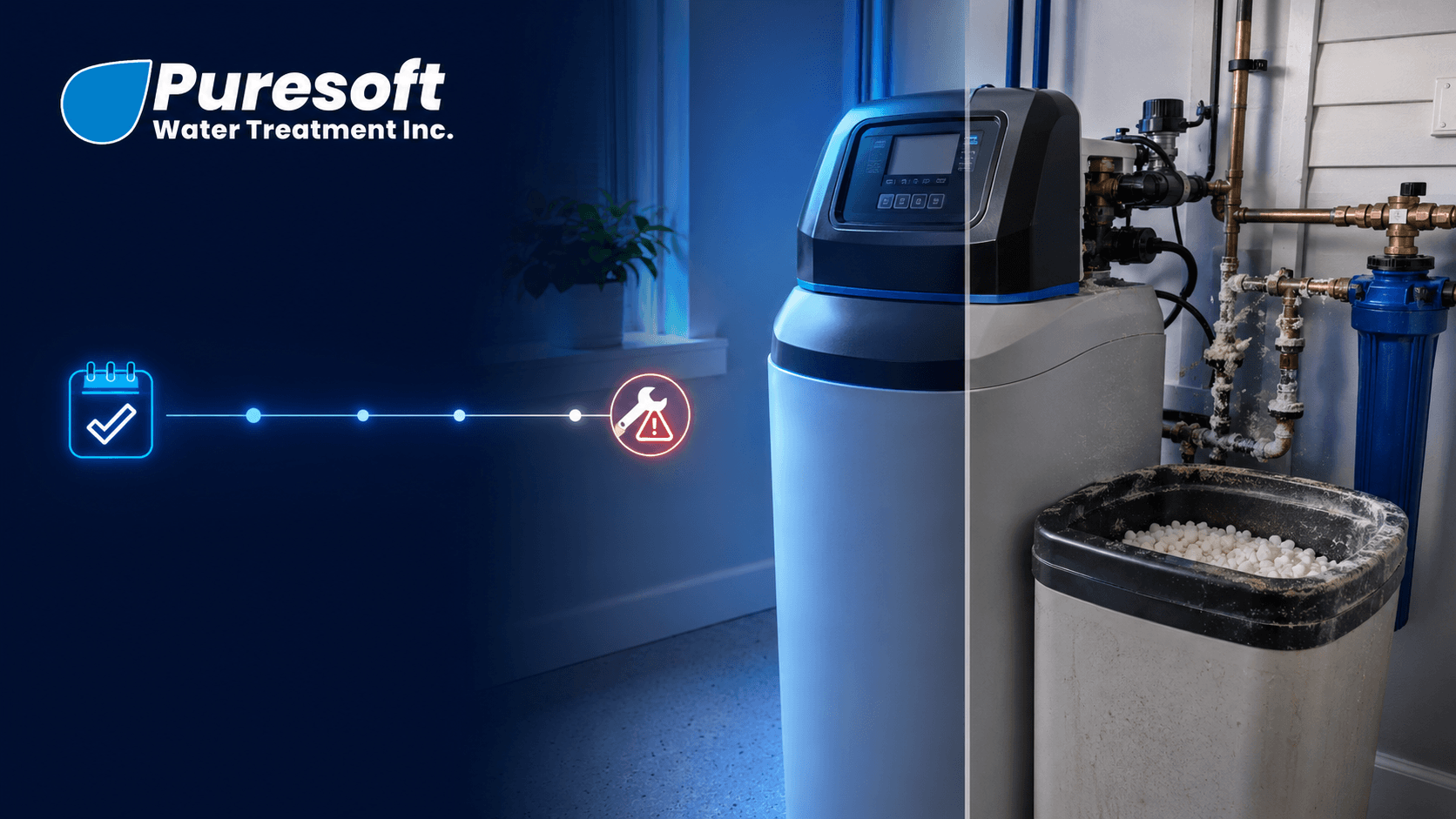
Cheap Systems Can Become More Expensive Later
Some homeowners focus heavily on the lowest upfront price without considering long-term performance.
Lower-cost systems sometimes create future expenses through:
- Frequent filter replacement
- Reduced lifespan
- Poor contaminant removal
- Water pressure problems
- Increased maintenance needs
Comparing Initial Price vs. Long-Term Value
A higher-priced system may actually cost less over time if it:
- Requires fewer service calls
- Uses longer-lasting media
- Maintains better efficiency
- Protects appliances more effectively
- Handles changing water conditions reliably
Choosing a filtration system based only on sticker price can lead to frustration if the equipment is not properly matched to the home's actual needs.
Questions Homeowners Commonly Ask About Filter Pricing
Why are whole-home water filters more expensive than faucet filters?
Whole-home systems treat all water entering the house rather than a single faucet. They require larger filtration capacity and more advanced plumbing integration.
Does well water usually require a more expensive system?
In many cases, yes. Well water often contains multiple contaminants that require additional treatment stages beyond standard filtration.
Are expensive filters always better?
Not necessarily. The best system depends on the home's water conditions, household size, and treatment goals rather than price alone.
How long do whole-home filtration systems last?
System lifespan varies depending on the equipment, maintenance, and water quality. Many systems last for years when properly maintained.
Can filtration systems improve appliance lifespan?
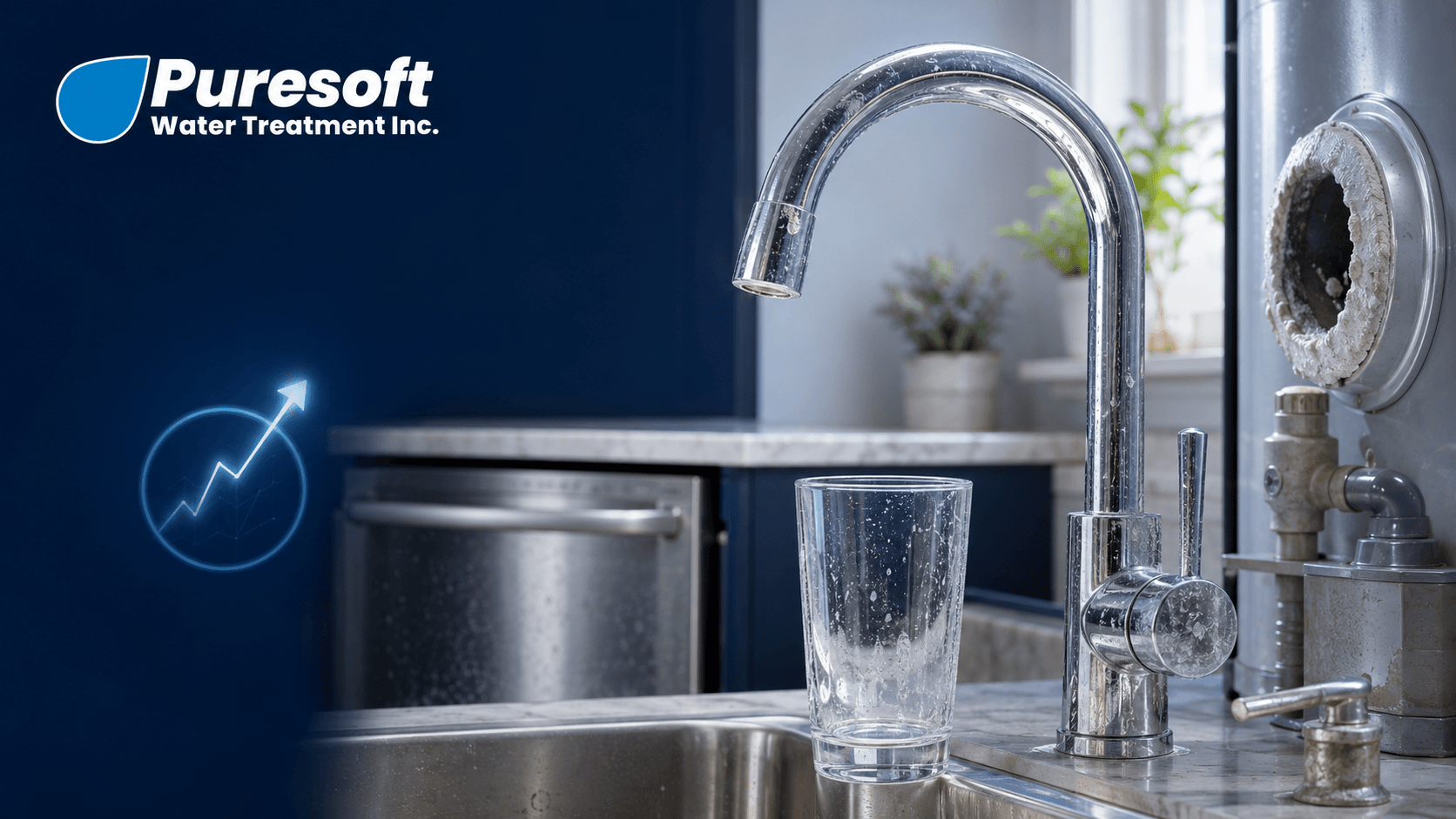
Reducing sediment, chlorine, and mineral-related issues may help reduce strain on appliances and plumbing fixtures over time.
Understanding What You Are Actually Paying For
Whole-home water filter pricing reflects far more than just the equipment sitting in the utility room. Water conditions, filtration capacity, installation complexity, treatment technology, and long-term durability all influence overall cost.
For homeowners comparing systems, the goal is usually not finding the cheapest option possible but finding equipment that properly addresses the home's specific water quality concerns without creating unnecessary maintenance or performance problems later. Companies like PureSoft Water Treatment Inc. often help homeowners evaluate those differences more carefully so the filtration system fits both the property and the actual water treatment needs.