What Hidden Costs Can Hard Water Cause in a Home?
June 14, 2026
Introduction
Most homeowners recognize the obvious signs of hard water fairly quickly. White spots appear on dishes, soap scum builds up around showers, and faucets develop chalky residue that constantly needs cleaning.
What many people do not immediately realize is how much hard water can quietly cost over time.
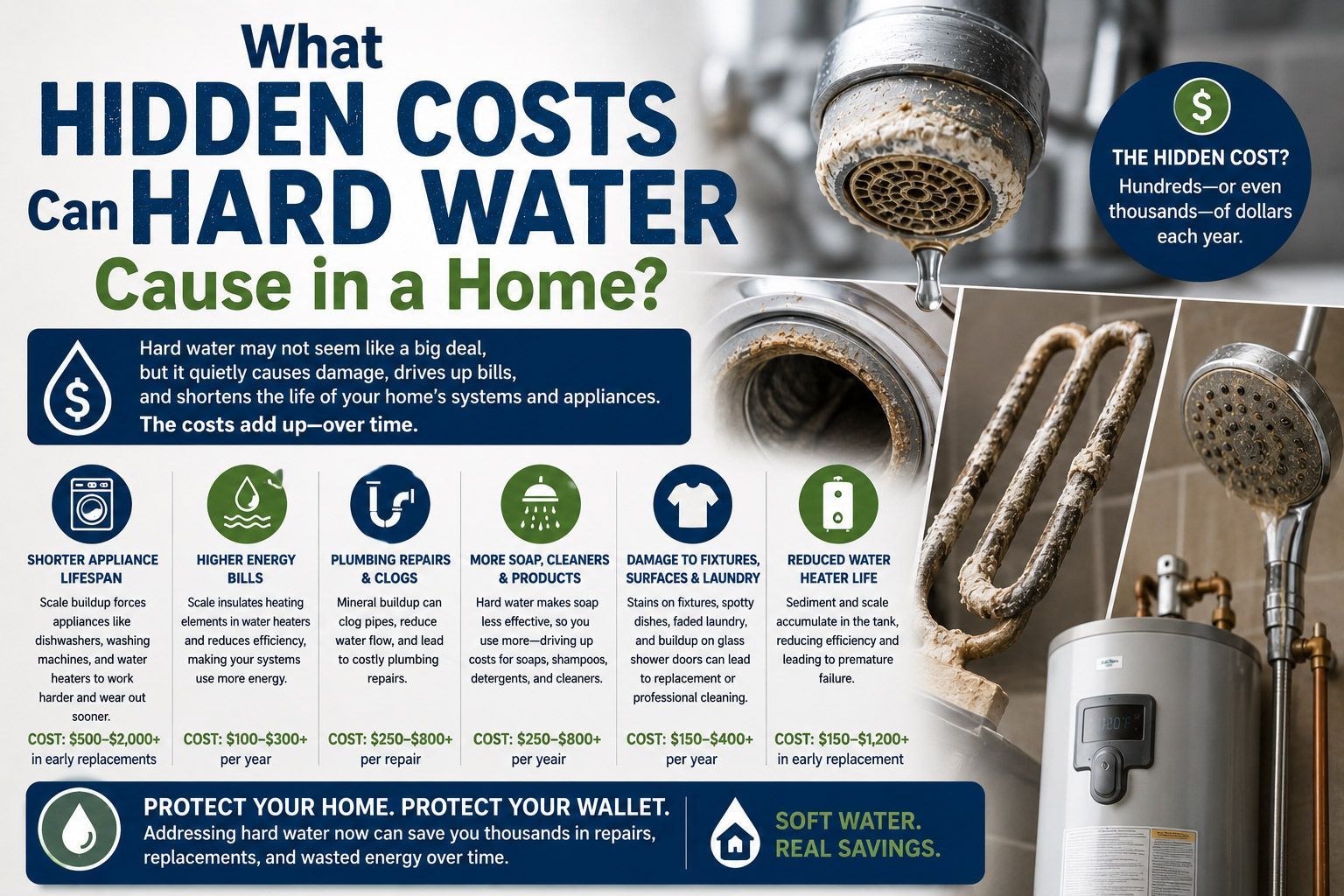
The expense rarely appears as one major repair bill all at once. Instead, hard water gradually affects multiple areas of the home at the same time. Appliances become less efficient. Plumbing systems develop mineral buildup. Cleaning products get used faster. Utility bills slowly rise without an obvious explanation.
Because these changes happen gradually, homeowners often adjust to them without realizing hard water may be contributing to the problem.
The true cost of hard water usually comes from long-term wear, reduced efficiency, and repeated small expenses that continue adding up year after year.
The Most Expensive Problems Often Stay Hidden at First
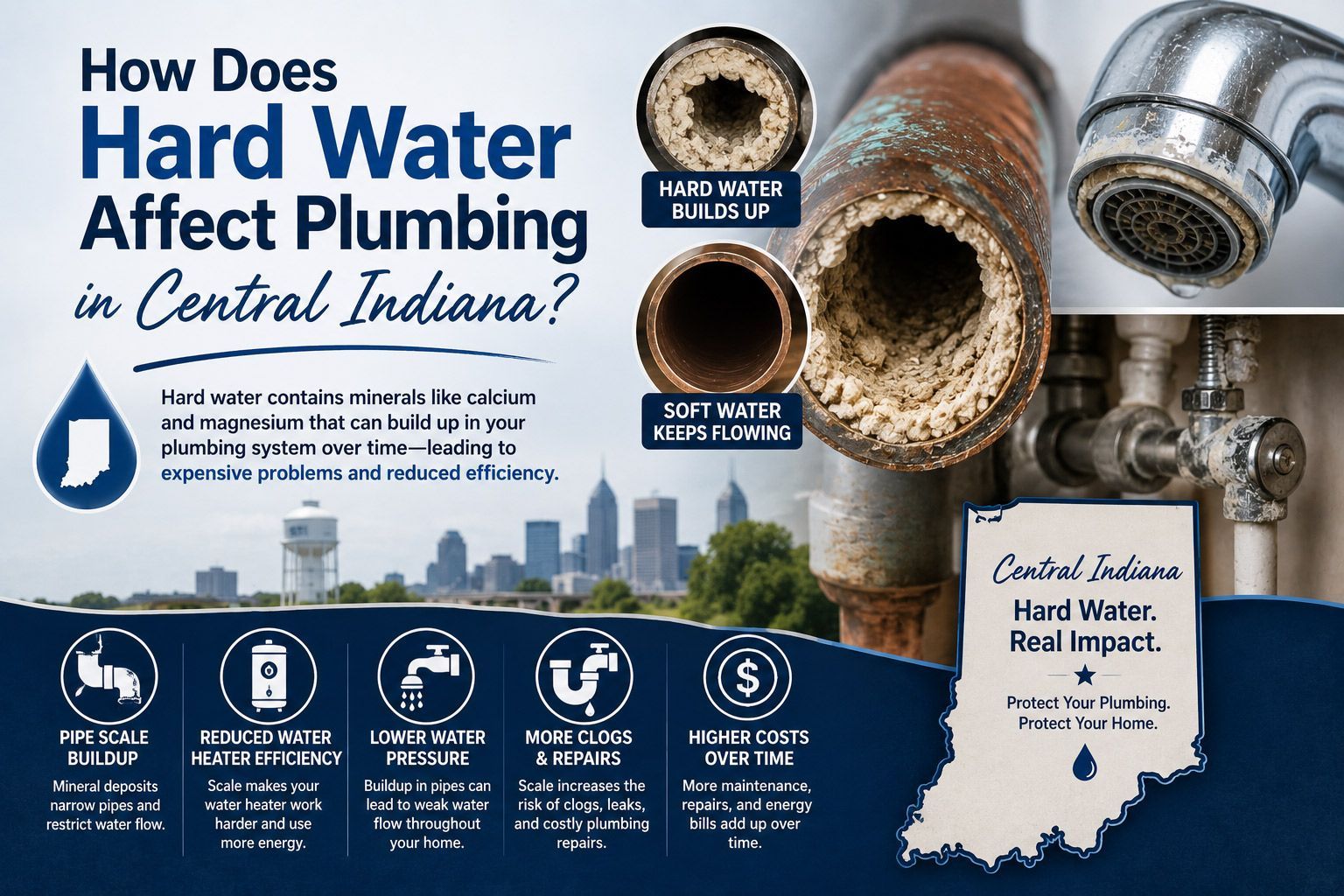
Hard water contains elevated levels of dissolved minerals, primarily calcium and magnesium. As water moves through a home's plumbing system, those minerals begin collecting on surfaces and inside equipment.
The buildup is slow but persistent.
Most homeowners notice cosmetic issues first, but the more expensive problems usually happen behind walls, inside appliances, and within water-based systems that are not immediately visible.
Mineral Scale Reduces Efficiency
Scale buildup acts almost like a barrier inside plumbing systems and appliances.
Over time, minerals accumulate on:
- Heating elements
- Water heater tanks
- Pipe interiors
- Appliance valves
- Showerheads
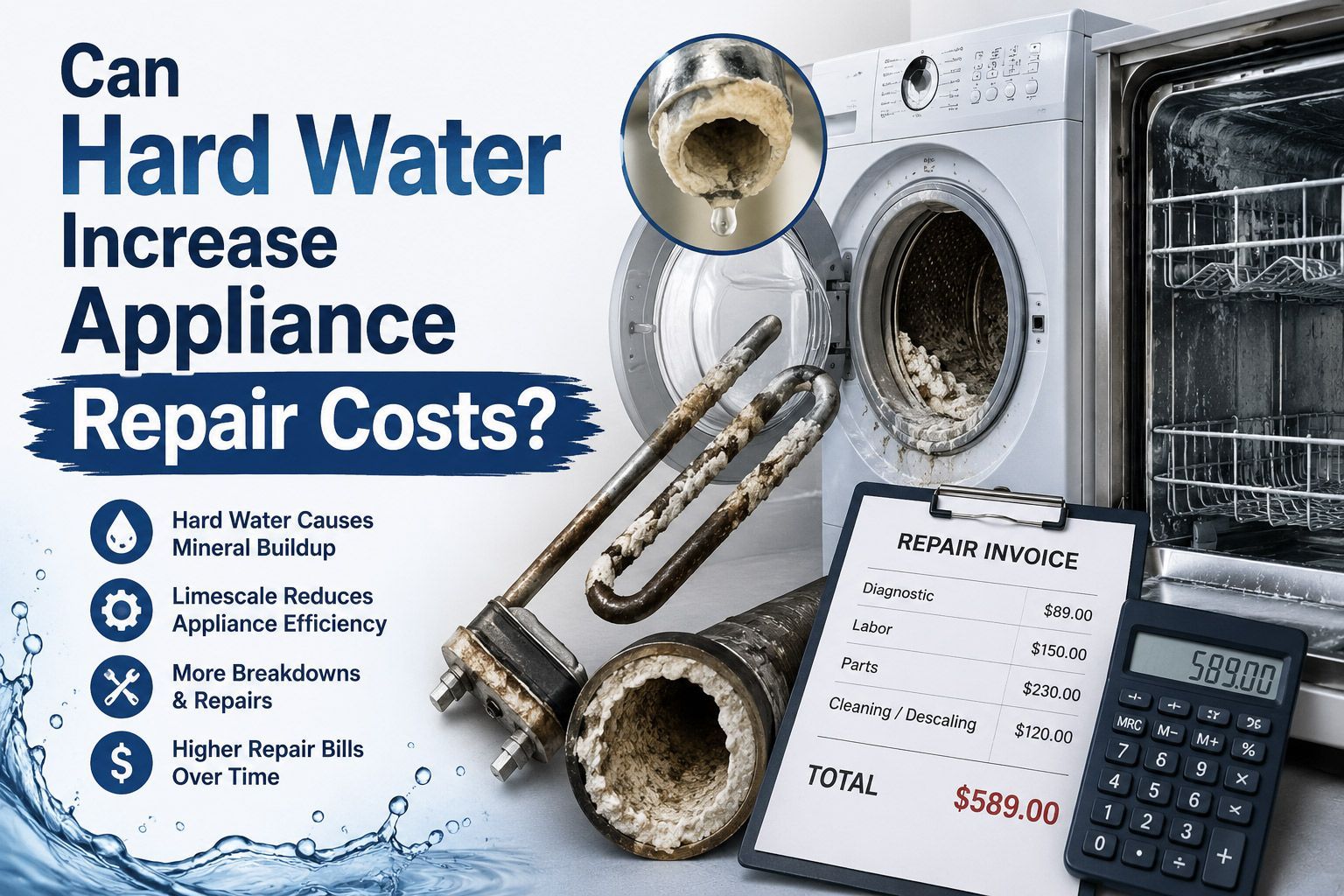
- Dishwasher components
As buildup thickens, systems often need more energy and effort to perform basic tasks.
The result is not always sudden failure. More often, the home simply becomes less efficient month after month.
Water Heater Costs Often Increase First
For many households, the water heater becomes one of the earliest places where hard water creates noticeable financial impact.
Why Mineral Buildup Affects Heating Performance
Water heaters rely on direct heat transfer to warm water efficiently. When mineral deposits collect inside the tank or around heating components, that process becomes harder.
The heater may need to:
- Run longer cycles
- Use more gas or electricity
- Reheat water more frequently
- Work harder to maintain temperature
Even moderate scaling can reduce efficiency significantly over time.
Signs the Water Heater May Be Affected
Some warning signs include:
| Common Symptom | Possible Hard Water Effect |
|---|---|
| Rumbling noises | Sediment buildup |
| Inconsistent hot water | Reduced heating efficiency |
| Rising utility bills | Longer heating cycles |
| Faster tank wear | Mineral accumulation |
| Reduced hot water supply | Scale occupying tank space |
Many homeowners only notice the energy cost increases long after the buildup has already developed.
Appliance Replacement Can Become a Long-Term Expense
Hard water does not just affect water heaters. It also impacts nearly every appliance that depends on water circulation.
Washing Machines and Dishwashers Experience More Wear
Mineral deposits gradually collect inside internal components.
This can affect:
- Pumps
- Spray arms
- Heating elements
- Drain systems
- Internal sensors
As efficiency drops, appliances may start:
- Running longer cycles
- Cleaning less effectively
- Consuming more water
- Requiring additional maintenance
Eventually, repair frequency often increases.
Smaller Appliances Are Affected Too
The damage is not limited to major appliances.
Hard water can shorten the lifespan of:
- Coffee makers
- Ice makers
- Humidifiers
- Electric kettles
- Steam cleaners
These smaller appliances frequently develop scale buildup faster because of concentrated heating elements and narrow internal passages.
Soap and Cleaning Product Costs Add Up Quietly
One of the most overlooked hard water expenses is increased product usage.
Hard water interferes with soap performance because minerals react with cleaning agents before they can fully dissolve or lather properly.
Households Often Use More Product Without Realizing It
People naturally compensate by adding more:
- Laundry detergent
- Dish soap
- Shampoo
- Body wash
- Household cleaners
The increase may seem minor during daily use, but over months and years, the additional spending becomes noticeable.
Cleaning Supplies Multiply Too
Hard water often creates stubborn residue throughout the home.
Many households end up purchasing extra products specifically for:
| Cleaning Issue | Common Product Used |
|---|---|
| Soap scum | Bathroom cleaners |
| Water spots | Glass cleaners |
| Mineral deposits | Descaling products |
| Faucet buildup | Lime removers |
| Shower residue | Heavy-duty scrub cleaners |
The costs spread across multiple categories rather than appearing as one obvious expense.
Plumbing Repairs Can Become More Frequent
Mineral buildup inside pipes develops slowly, which is why many homeowners do not immediately connect plumbing issues to hard water.
Pipe Restrictions Develop Over Time
As minerals accumulate inside plumbing lines, water pathways gradually narrow.
This can contribute to:
- Lower water pressure
- Slower drainage
- Fixture clogs
- Valve issues
- Reduced flow efficiency
In older homes, severe buildup may eventually require partial pipe replacement or extensive plumbing repairs.
Fixtures Wear Out Faster
Hard water deposits can damage moving parts inside plumbing fixtures.
Faucets, showerheads, and valves may begin sticking or leaking more frequently because mineral buildup interferes with internal components.
These are often treated as isolated plumbing problems even though hard water may be contributing to the wear.
Hard Water Can Increase Daily Water Usage
Some homeowners assume hard water only affects quality, but it can also influence water consumption itself.
Rewashing and Recleaning Become More Common
When soap performs poorly, people often compensate by:
- Rewashing dishes
- Running extra rinse cycles
- Taking longer showers
- Recleaning glass surfaces
- Rewashing laundry
Those habits naturally increase both water and energy usage.
Water Pressure Problems May Encourage Waste
Mineral-clogged fixtures sometimes create inconsistent spray patterns or poor water flow, causing people to use more water to complete everyday tasks.
The increase is usually gradual enough that households do not immediately notice the higher consumption.
Hard Water May Affect Home Appearance Over Time
Some costs are not tied directly to utilities or repairs but still affect the home financially.
Surface Damage and Staining
Hard water minerals can leave visible damage on:
- Glass shower doors
- Tile surfaces
- Stainless steel fixtures
- Sink basins
- Faucets
Over time, some staining becomes difficult or impossible to fully remove.
Reduced Fixture Lifespan
Constant mineral exposure may dull finishes and damage surfaces earlier than expected.
Certain materials become especially vulnerable to:
- Etching
- Corrosion
- Permanent spotting
- Surface discoloration
Homeowners may replace fixtures earlier for appearance reasons even if the components still technically function.
Comparing Visible vs. Hidden Hard Water Costs
Many hard water expenses develop gradually across different parts of the home at the same time.
| Visible Costs | Hidden Costs |
|---|---|
| Water spots | Reduced appliance efficiency |
| Soap scum | Higher energy bills |
| Faucet buildup | Faster appliance wear |
| Stiff laundry | Increased detergent usage |
| Shower residue | Plumbing restrictions |
The visible issues are often frustrating, but the hidden operational costs are usually more expensive over the long term.
Questions Homeowners Often Ask About Hard Water Costs
Can hard water really damage appliances?
Yes. Mineral buildup can reduce efficiency and increase wear inside appliances that rely on water circulation or heating components.
Why does hard water increase soap usage?
Hard water minerals interfere with soap’s ability to dissolve and lather effectively, causing people to use larger amounts.
Does hard water affect plumbing pipes?
Over time, mineral deposits can accumulate inside pipes and fixtures, reducing flow and contributing to plumbing problems.
Are higher utility bills common with hard water?
They can be. Water heaters and appliances often use more energy when mineral buildup reduces efficiency.
How do homeowners know if hard water is severe?
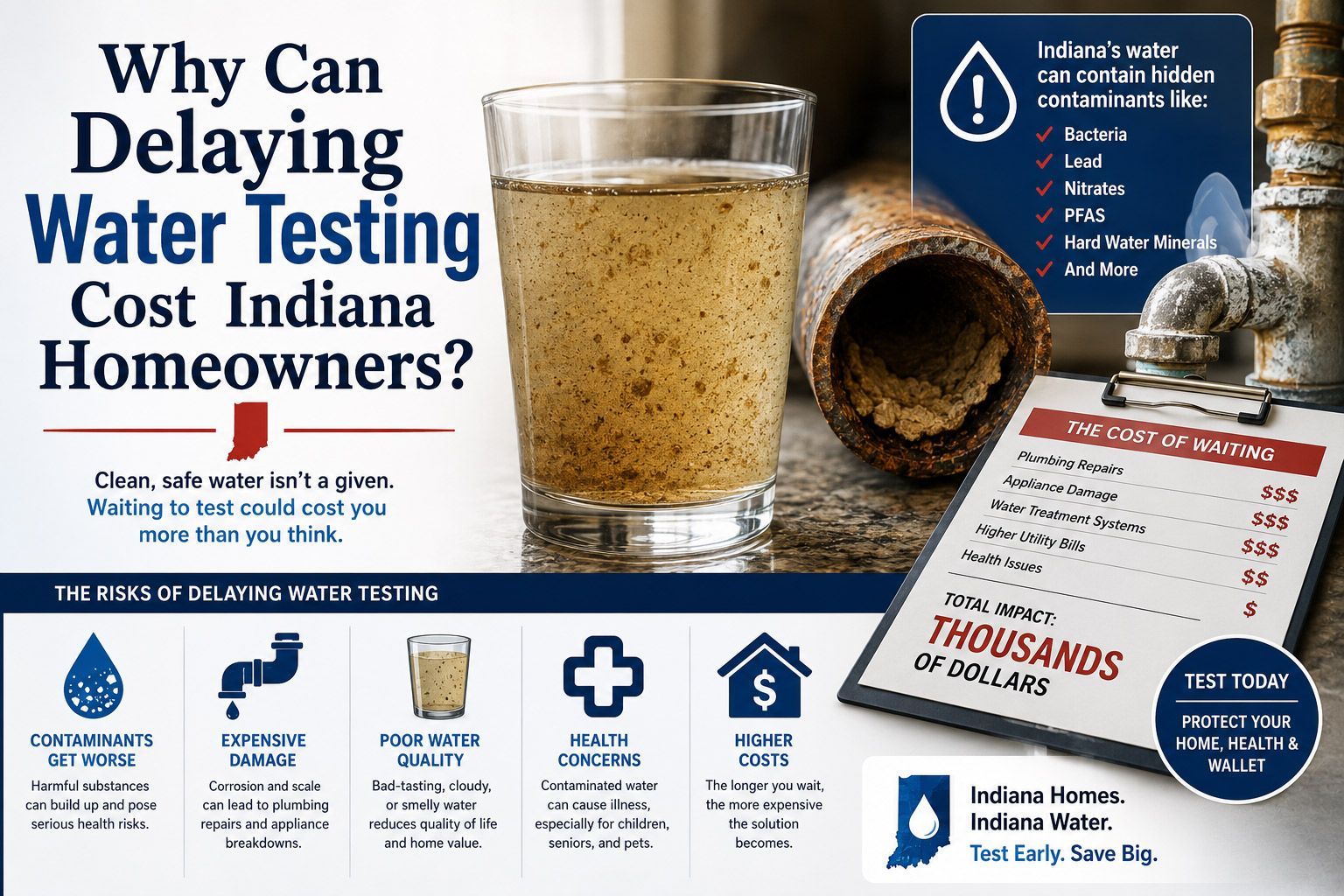
Professional water testing provides the clearest picture of hardness levels and any additional water quality concerns.
Looking Beyond the Obvious Signs of Hard Water
Hard water affects more than dishes, faucets, or shower doors. Many of its biggest expenses develop quietly through reduced efficiency, increased maintenance, higher cleaning supply usage, and premature appliance wear throughout the home.
Because the costs build gradually across multiple systems, homeowners often do not realize how much hard water may be affecting overall household expenses until the problems become more noticeable. Understanding those long-term effects can help homeowners make more informed decisions about water treatment and home maintenance. Companies like PureSoft Water Treatment Inc. often work with homeowners who are trying to better understand how water quality influences both everyday comfort and long-term property costs.