How Often Should a Home Water Filtration System Be Serviced?
June 28, 2026
Introduction
A home water filtration system is easy to forget about when it seems to be working properly. Water still comes out of the faucet, appliances continue running, and there may not be any obvious warning signs that something needs attention.
That is exactly why many systems go too long without maintenance.
Unlike a broken appliance that stops functioning immediately, water filtration systems often decline gradually. Filters clog slowly, flow rates weaken over time, and treatment performance becomes less effective long before homeowners notice a serious problem.
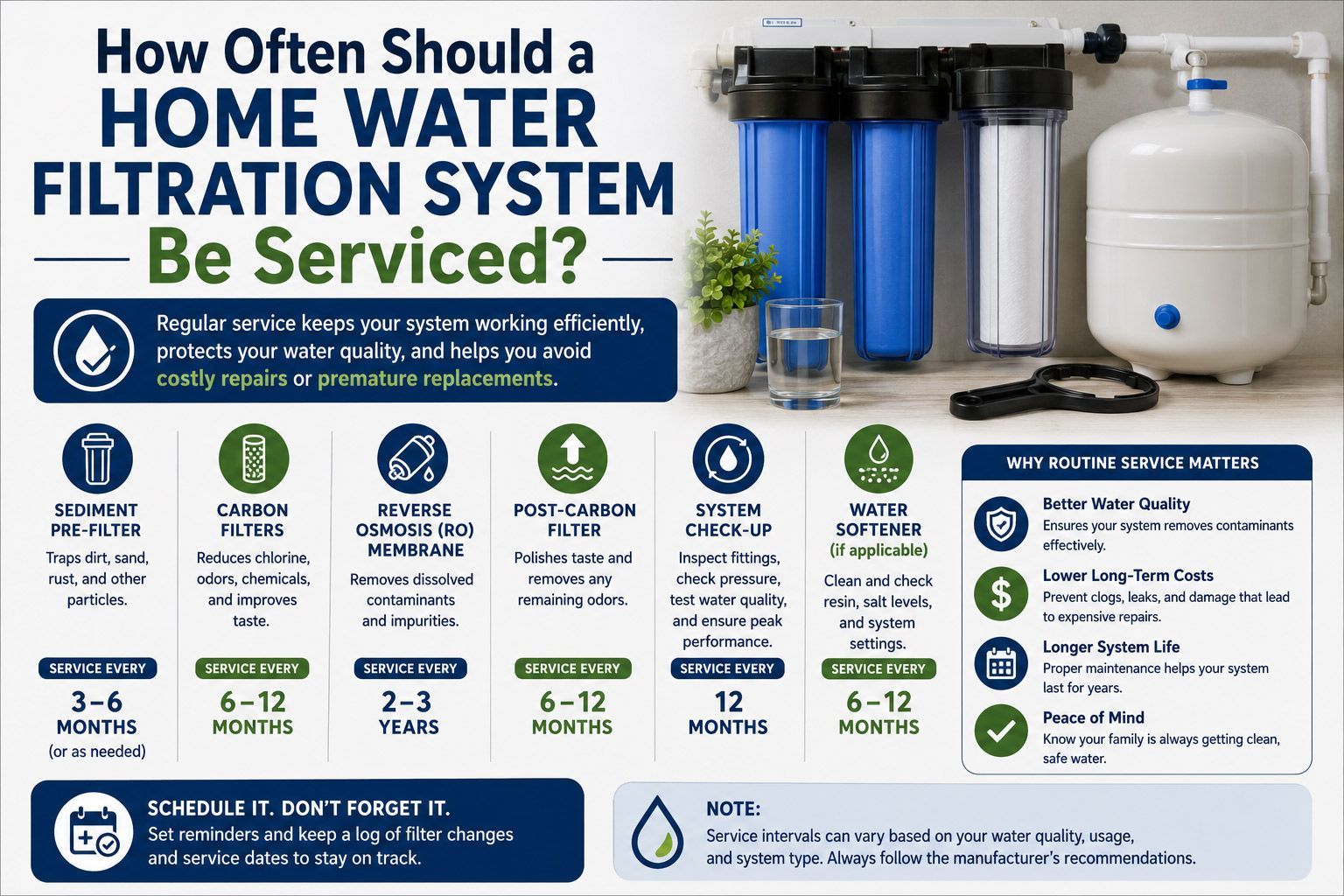
Servicing schedules are not identical for every property either. The type of filtration system, water quality conditions, household size, and daily water usage all influence how often maintenance should happen.
Some systems only need occasional filter changes, while others require regular inspections, media replacement, or cleaning to continue operating properly.
Why Regular Service Matters More Than Many Homeowners Realize
Water filtration systems are designed to remove contaminants, sediment, minerals, odors, or chemicals from the water supply. Over time, those trapped materials accumulate inside the system itself.
Without proper servicing, several things can begin happening at once:
- Water flow may slow down
- Filters can clog
- Treatment efficiency may decline
- Internal components may wear faster
- Contaminants may start bypassing the system
In some cases, homeowners assume the filtration system is still working normally simply because water pressure has not completely dropped yet.
Filtration Media Has a Limited Lifespan
Every filtration system relies on some form of treatment media.
Depending on the system, this may include:
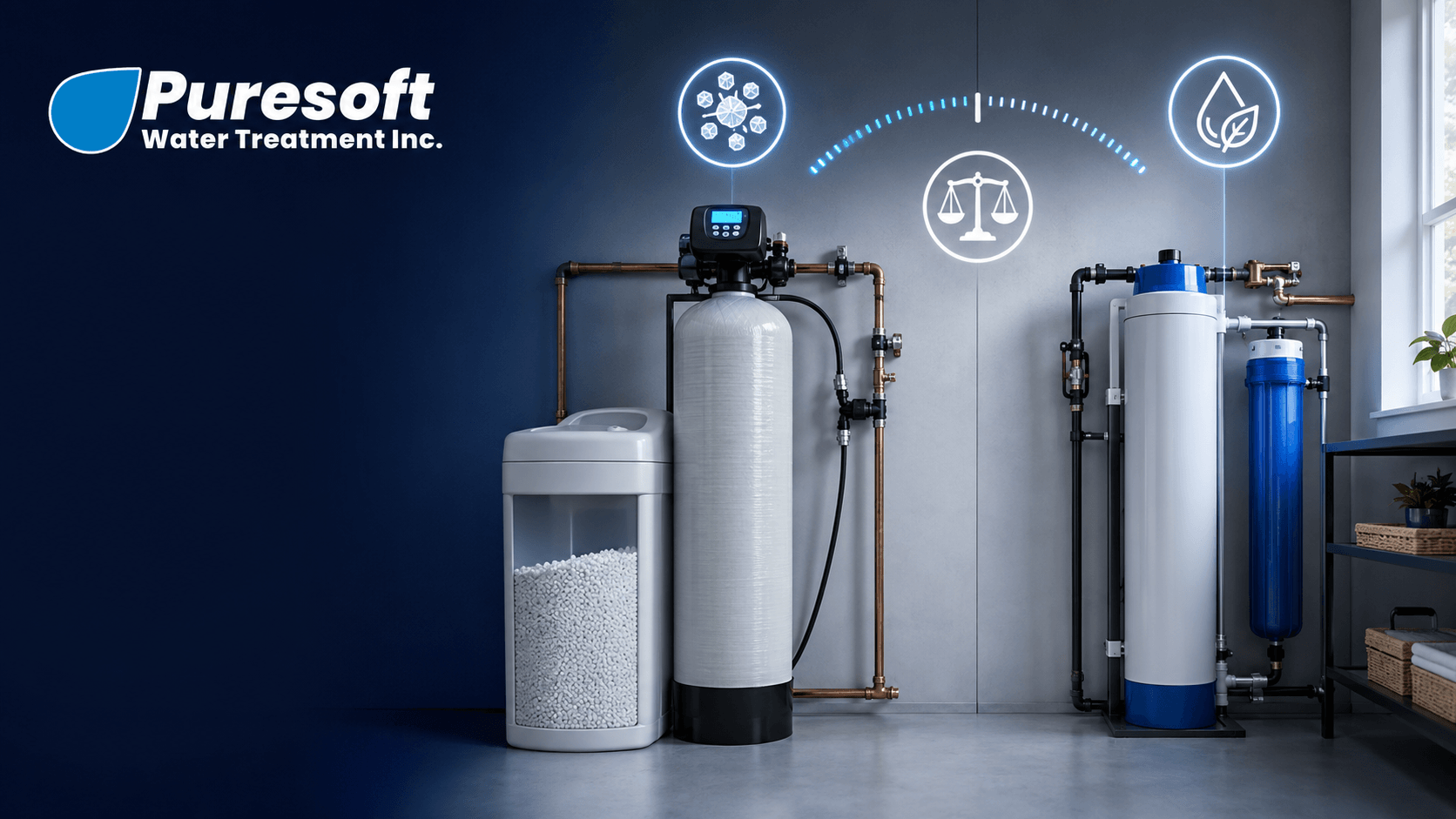
| Filtration Component | Purpose |
|---|---|
| Sediment filters | Trap dirt and debris |
| Carbon media | Reduce chlorine and odors |
| Resin beds | Remove hardness minerals |
| UV bulbs | Neutralize microorganisms |
| Iron media | Reduce iron contamination |
Eventually, those materials lose effectiveness and need cleaning, replacement, or regeneration.
Different Systems Require Different Maintenance Schedules
One reason homeowners become confused about servicing is that filtration systems vary widely in design.
A simple under-sink filter follows a different schedule than a whole-home well water treatment setup.
Sediment Filters Often Need the Most Frequent Attention
Sediment filters are usually the first stage in many systems. Because they trap visible particles and debris, they tend to clog faster than other components.
Homes with heavy sediment issues may need replacement more frequently.
Common signs include:
- Reduced water pressure
- Dirty filter appearance
- Slower appliance filling
- Flow restriction throughout the house
Some sediment filters last several months, while others in high-sediment environments may require attention sooner.
Carbon Filters Have Different Replacement Timelines
Activated carbon systems gradually lose their ability to absorb chemicals, odors, and contaminants.
As carbon media becomes exhausted, homeowners may notice:
- Chlorine smells returning
- Unpleasant taste changes
- Reduced odor removal
- Lower overall filtration quality
Unlike clogged sediment filters, exhausted carbon filters do not always create obvious pressure problems, making routine servicing especially important.
UV Systems Need Scheduled Maintenance
UV purification systems require regular servicing even if they appear to be functioning normally.
The UV bulb may still produce visible light while losing disinfection effectiveness internally.
Maintenance commonly includes:
- Bulb replacement
- Quartz sleeve cleaning
- System inspection
- Electrical component checks
Skipping maintenance can reduce the system’s ability to properly disinfect water.
Water Quality Conditions Affect Service Frequency
The condition of the incoming water supply plays a major role in maintenance schedules.
Two homes using the exact same filtration system may require completely different servicing intervals depending on water quality.
Well Water Usually Requires More Attention
Private well systems often contain higher levels of:
- Sediment
- Iron
- Manganese
- Sulfur
- Organic material
These contaminants place additional strain on filtration equipment.
Homes with well water frequently require:
- More frequent filter changes
- Additional cleaning
- Iron treatment maintenance
- Sediment flushing
Systems handling challenging well water conditions may need closer monitoring than municipal water systems.
Hard Water Can Affect Filtration Components
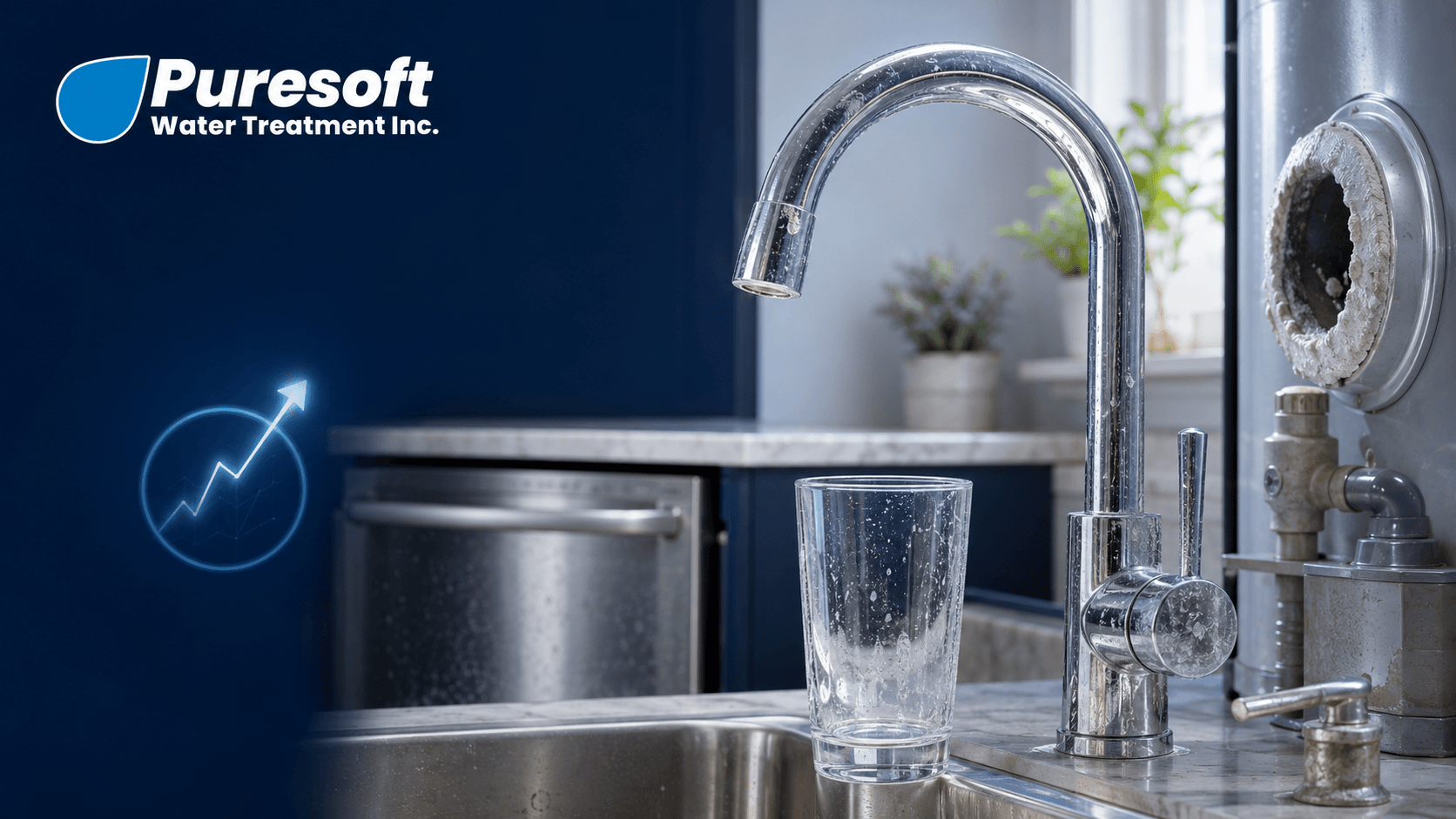
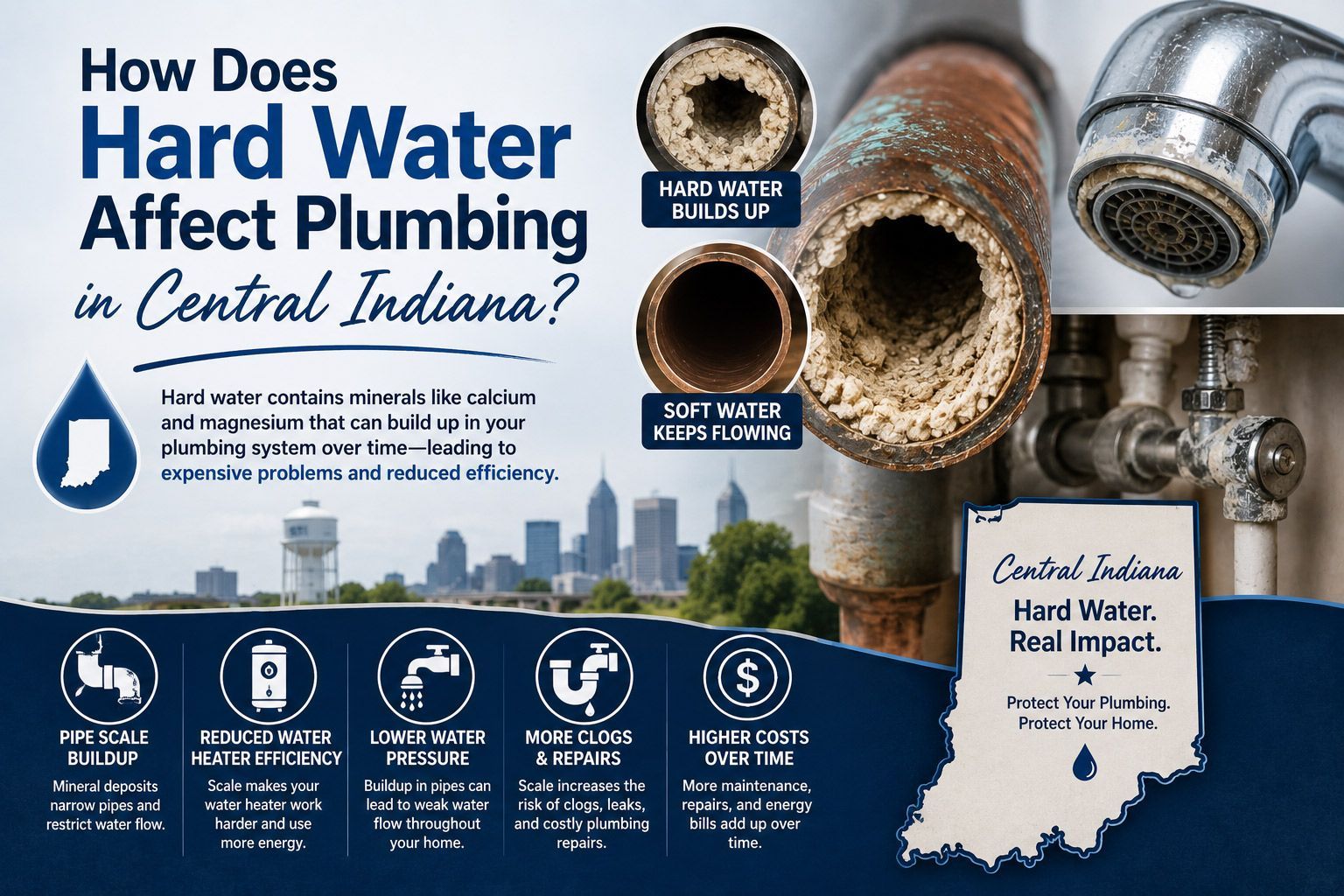
Mineral-heavy water may contribute to scale buildup inside filtration equipment, valves, and plumbing components.
Over time, this can reduce efficiency and place additional stress on the system itself.
Household Water Usage Changes Maintenance Needs
Water usage volume directly affects how quickly filtration systems process contaminants and wear through filter capacity.
Larger Families Usually Require More Frequent Service
A household using significantly more water naturally pushes more contaminants through the system.
High-demand homes often include:
- Multiple bathrooms
- Large families
- Frequent laundry use
- High appliance usage
- Irrigation systems
The more water processed, the faster filtration media typically reaches capacity.
Seasonal Usage Can Also Matter
Some households experience periods of heavier water use during certain times of the year.
For example:
| Seasonal Activity | Potential Impact |
|---|---|
| Summer guests | Higher filtration demand |
| Outdoor watering | Increased system strain |
| Holiday gatherings | Heavier appliance use |
| Vacation homes reopening | System flushing needs |
These fluctuations may affect servicing schedules more than homeowners expect.
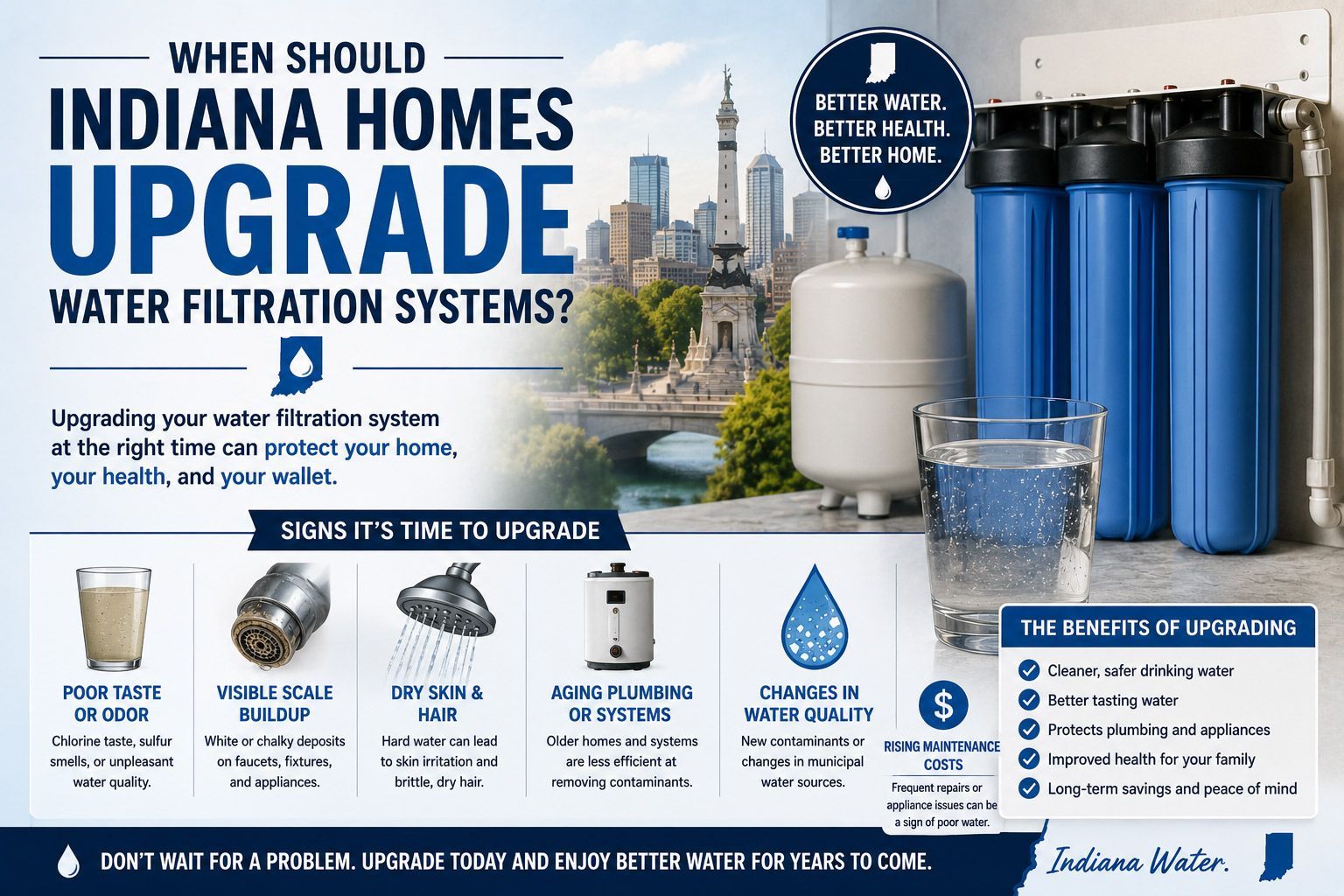
Warning Signs a Filtration System May Need Service
Not every filtration issue causes immediate failure. Many systems continue operating while gradually losing performance.
Homeowners should pay attention to subtle changes that may indicate maintenance is overdue.
Changes in Water Quality
The most noticeable warning signs often involve changes in the water itself.
Potential indicators include:
- New odors
- Metallic taste
- Cloudy appearance
- Chlorine smell
- Staining
- Reduced softness
These changes may suggest filters or treatment media are no longer functioning effectively.
Changes in System Performance
Some problems appear through the system's operation rather than the water quality directly.
Examples include:
- Lower water pressure
- Frequent cycling
- Unusual noises
- Leaks around equipment
- Slow appliance filling
Even small performance changes can signal developing maintenance issues.
Delaying Service Can Create Bigger Problems
Skipping maintenance does not always create immediate damage, which is why some homeowners postpone servicing longer than they should.
The risks usually increase gradually.
Filters Can Become Overloaded
Once filters become saturated or clogged, the system may struggle to process water properly.
That can lead to:
- Reduced efficiency
- Flow restrictions
- Increased equipment strain
- Contaminant breakthrough
In severe cases, neglected filters may contribute to premature system wear.
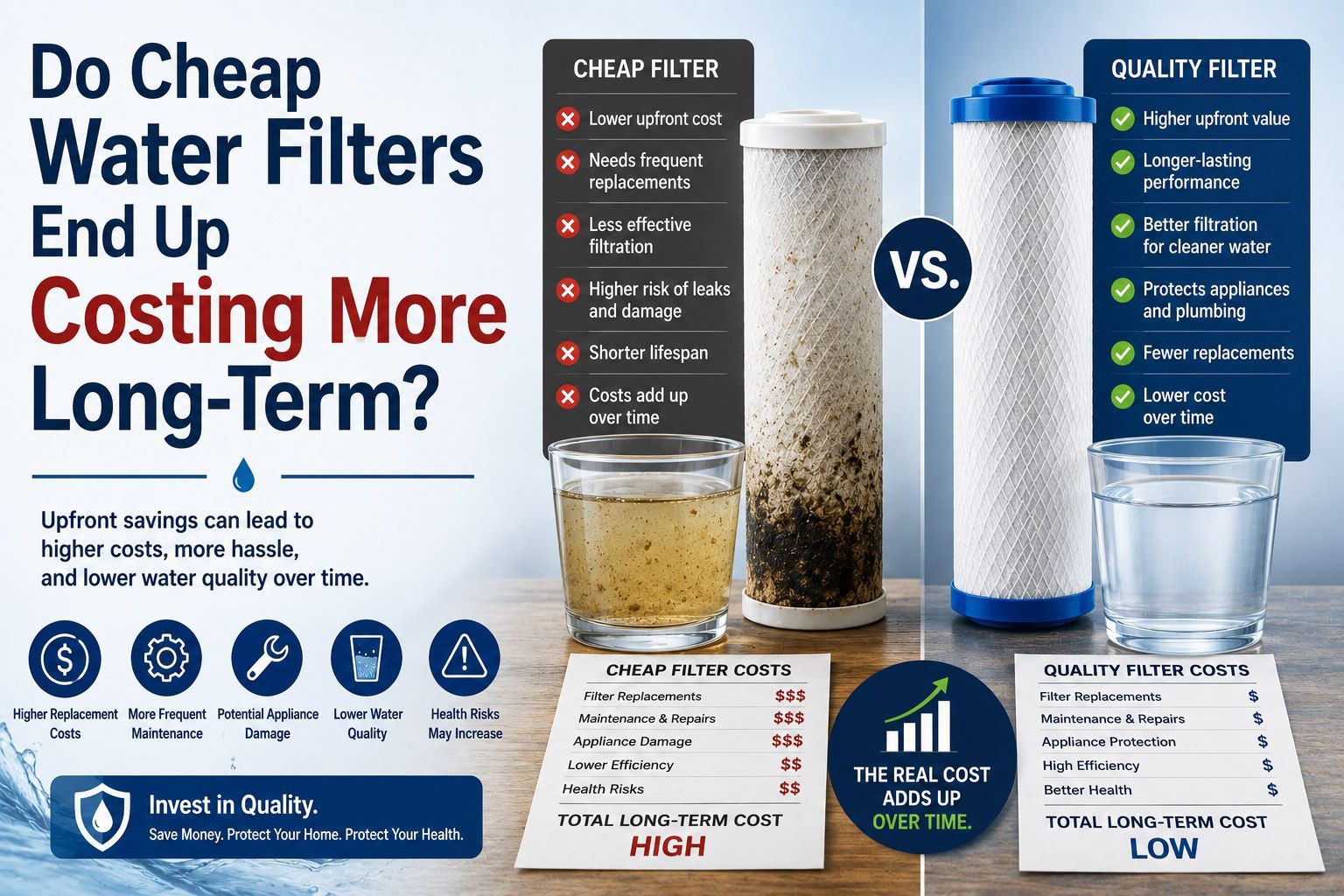
Maintenance Delays Can Increase Long-Term Costs
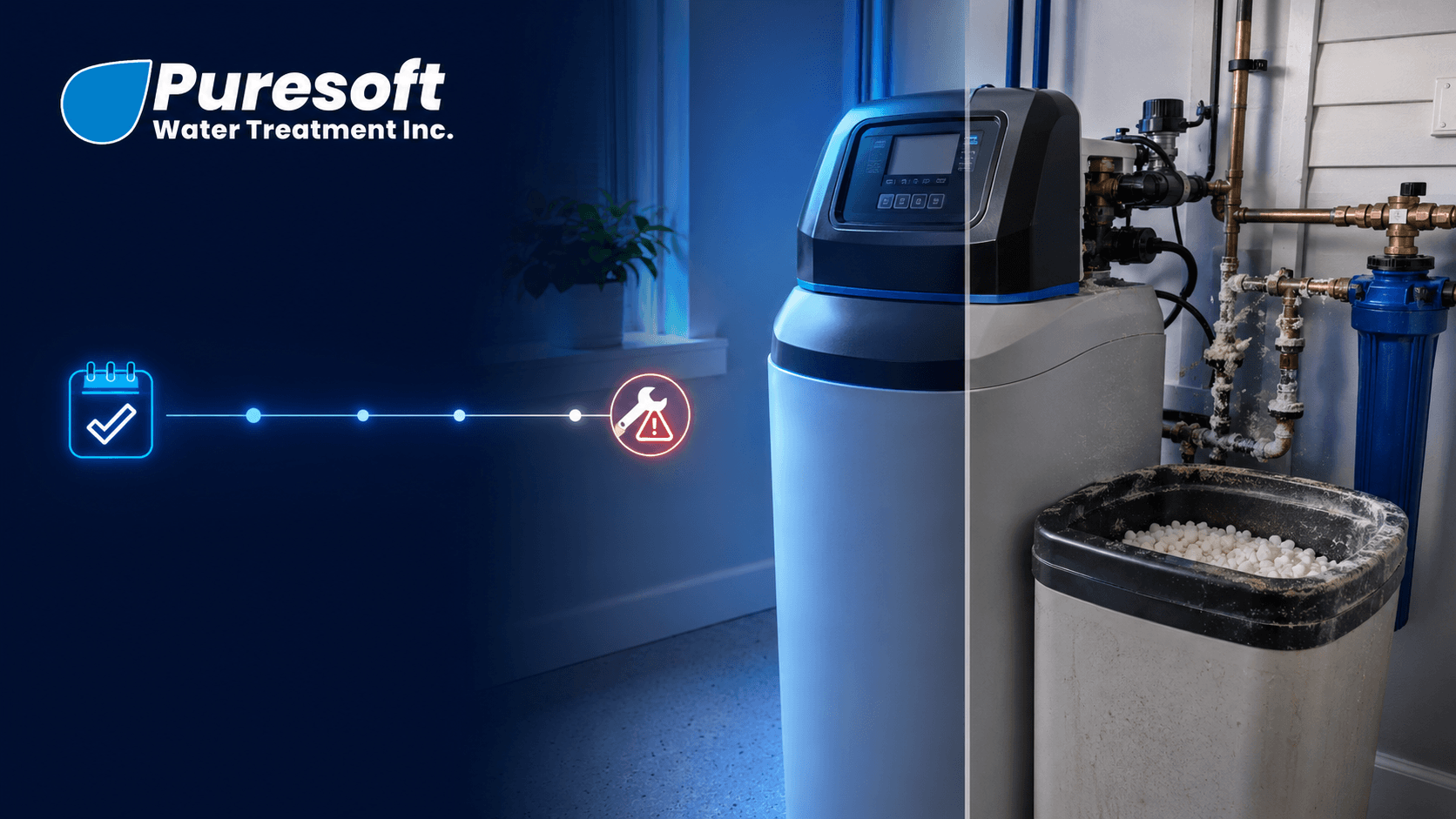
Ignoring service schedules sometimes leads to more expensive repairs later.
Problems may expand from simple maintenance into:
| Delayed Maintenance Issue | Possible Result |
|---|---|
| Clogged filters | Pressure damage |
| Worn UV bulbs | Reduced disinfection |
| Dirty resin beds | Poor softening performance |
| Scale buildup | Valve or plumbing wear |
| Untreated sediment | Appliance strain |
Routine servicing is often less expensive than major equipment replacement.
Questions Homeowners Commonly Ask About Service Schedules
How often should whole-home filters be replaced?
The schedule depends on the system type, water quality, and household usage. Some filters last months, while others may require more frequent replacement.
Can a filtration system still work if maintenance is overdue?
It may still operate, but treatment performance and efficiency can gradually decline.
Does well water require more maintenance?
In many cases, yes. Well water systems often process higher sediment levels and additional contaminants.
Why does water pressure drop with dirty filters?
Clogged filters restrict water flow as trapped debris accumulates inside the filtration media.
Is professional servicing always necessary?
Some maintenance tasks are simple, while others involve inspecting specialized components or testing system performance more thoroughly.
Water Filtration Systems Perform Best With Consistent Care
A water filtration system works continuously behind the scenes, which makes it easy to overlook until performance problems start becoming noticeable. But like any system that handles daily household demand, regular servicing plays a major role in maintaining efficiency, water quality, and long-term reliability.
The right maintenance schedule depends on the home's water conditions, filtration setup, and overall usage patterns rather than one universal timeline. Staying consistent with inspections and filter replacement can help reduce unnecessary wear while keeping the system operating as intended. Companies like PureSoft Water Treatment Inc. often help homeowners better understand those maintenance needs based on the specific type of water treatment system installed in the home.