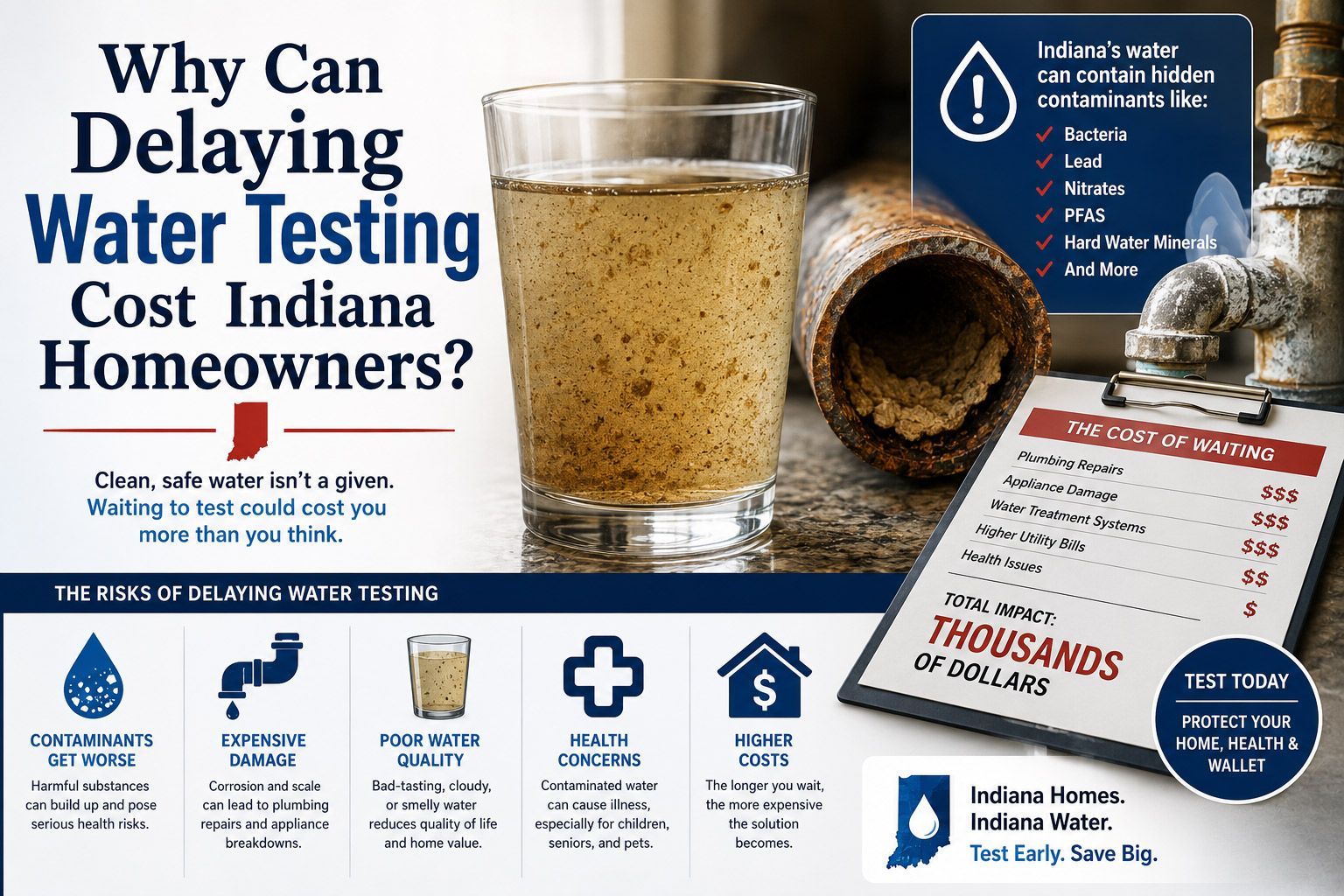
Why Can Delaying Water Testing Cost Indiana Homeowners?
August 9, 2026
Introduction
Water testing is one of those home maintenance tasks that usually gets ignored until something starts going wrong. A strange odor appears from the faucet, white buildup starts collecting around fixtures, or appliances begin failing earlier than expected. By that point, the water issue has often been affecting the home for a long time already.
In Indiana, water conditions can vary significantly depending on whether a home uses municipal water or a private well. Some households deal with heavy hard water minerals, while others face iron, sulfur, sediment, or contamination concerns that are not immediately obvious during daily use.
The problem with delaying water testing is that water rarely stays isolated to one area of the home. Over time, untreated water conditions may affect plumbing systems, appliances, cleaning efficiency, and overall maintenance costs throughout the property.
Small Water Problems Often Become Expensive Ones
Most water issues develop gradually. Homeowners may notice small inconveniences at first without realizing the water itself is contributing to larger long-term damage.
Hard water is one of the clearest examples of this progression.
Mineral Buildup Usually Starts Quietly
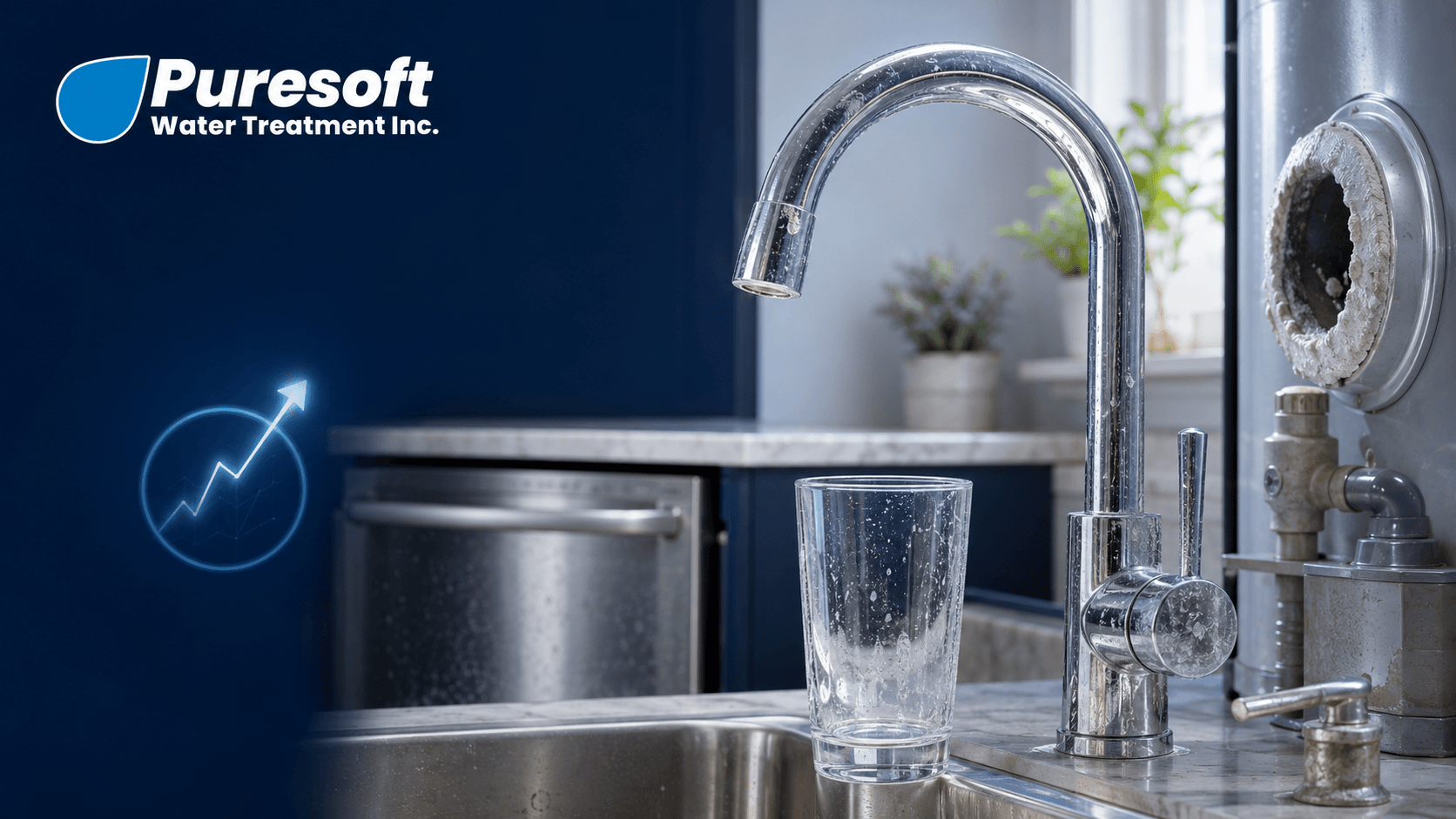
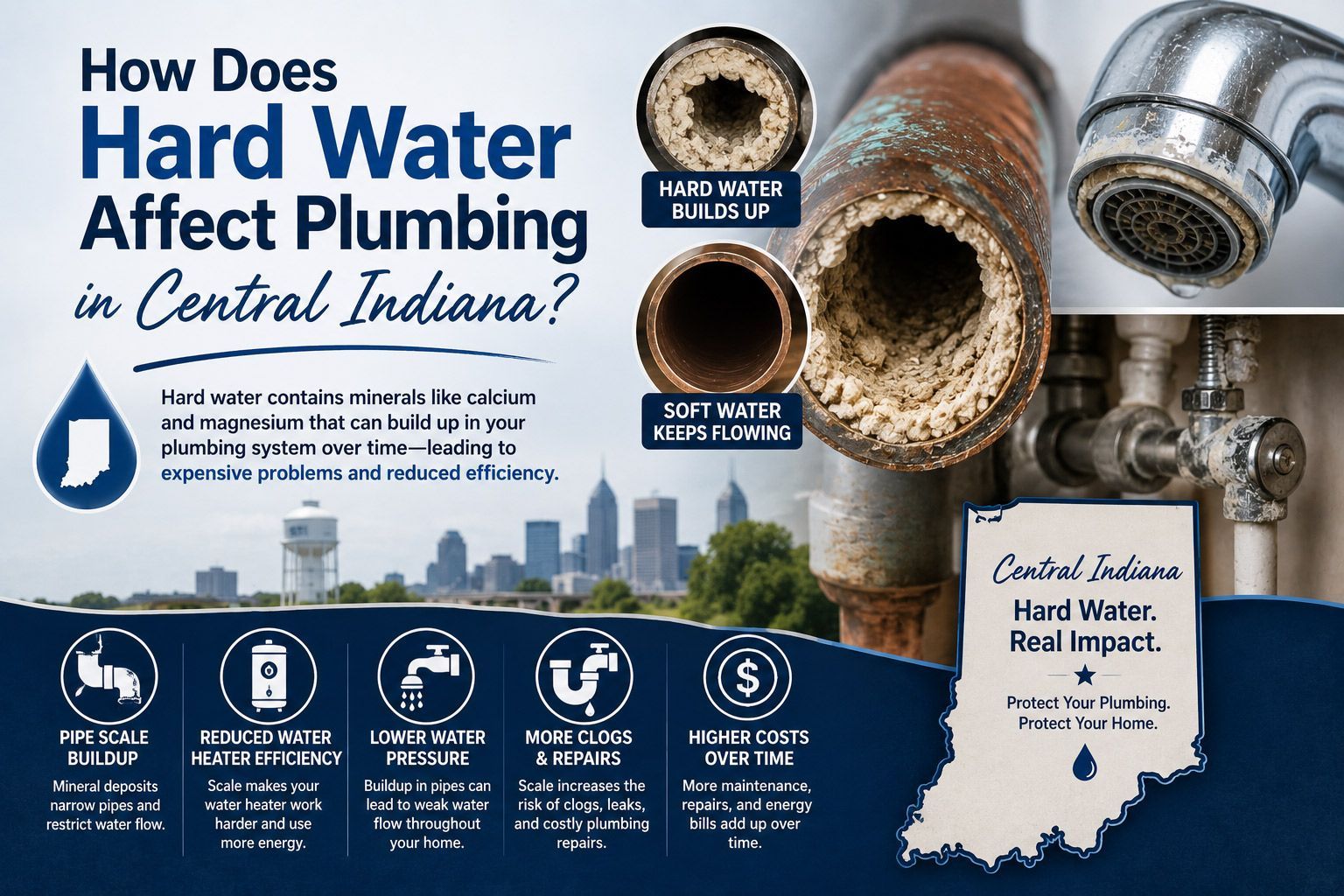
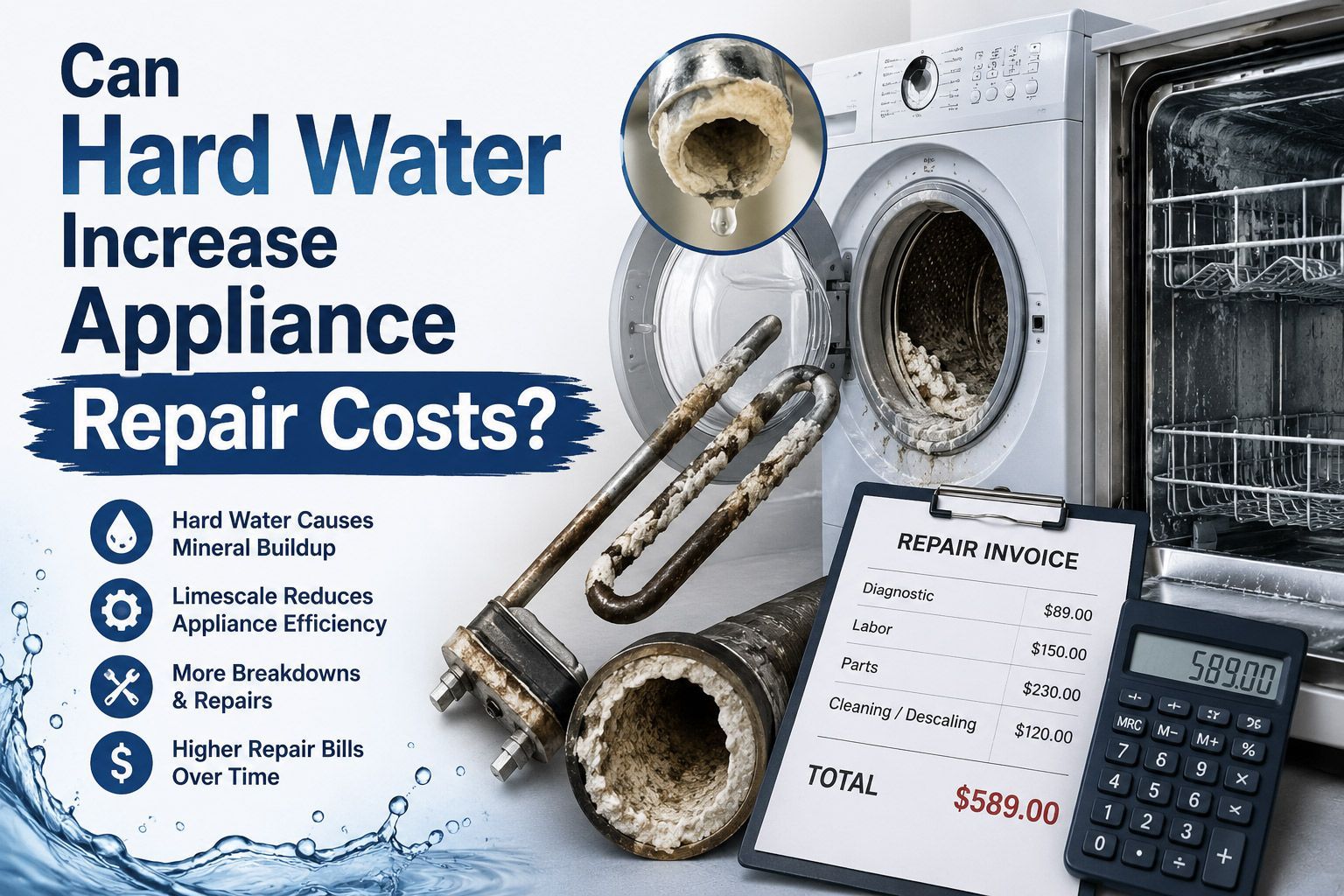
Calcium and magnesium deposits slowly collect inside plumbing systems and water-using appliances over time. Early warning signs often seem minor, such as:
- Water spots on dishes
- Soap residue around sinks
- Dry skin after showers
- Reduced lather from soap
Because these symptoms appear gradually, many homeowners simply adjust to them instead of investigating the water quality directly.
The Long-Term Damage Costs More
Once mineral buildup becomes severe, the effects usually spread into larger systems throughout the home.
Common hard water problems in Indiana homes may eventually include:
| Area Affected | Potential Long-Term Issue |
|---|---|
| Water heaters | Sediment accumulation and reduced efficiency |
| Dishwashers | Restricted spray arms and poor cleaning |
| Plumbing lines | Reduced water flow |
| Washing machines | Internal scaling and wear |
| Fixtures | Corrosion and buildup |
Testing water early often helps identify these conditions before major repairs become necessary.
Well Water Conditions Can Change Over Time
Many Indiana homeowners assume their well water remains stable because it has always seemed “normal.” However, groundwater conditions may shift gradually because of environmental and seasonal factors.
That means water quality today may not match the water quality from several years ago.
Water Can Look Fine While Still Containing Problems
One reason homeowners delay testing is because certain water issues are not visually obvious.
Water may still appear clear while containing:
- Elevated iron
- Sulfur compounds
- Sediment
- pH imbalance
- Bacteria concerns
- High mineral content
Without testing, those issues may continue affecting the home unnoticed.
Seasonal Changes Can Affect Indiana Wells
Well water conditions may fluctuate because of:
- Rainfall patterns
- Groundwater movement
- Soil conditions
- Agricultural runoff
- Aging well infrastructure
Periodic testing helps homeowners understand whether water quality has changed before the symptoms become more severe.
Delayed Testing Can Shorten Appliance Lifespan
Appliances that use water regularly are often the first systems affected by untreated water conditions.
The issue is not always immediate breakdown. More often, the equipment slowly loses efficiency while internal buildup increases over time.
Water Heaters Often Show Problems First
Water heaters are especially vulnerable because heated water accelerates mineral separation inside the tank.
Over time, homeowners may notice:
- Rumbling noises
- Longer heating times
- Reduced hot water supply
- Higher utility bills
In many cases, sediment buildup has already been accumulating long before these symptoms become obvious.
Smaller Appliances Also Experience Wear
Water quality can affect smaller systems throughout the home too.
This commonly includes:
- Coffee makers
- Ice makers
- Humidifiers
- Steam appliances
Scale buildup restricts water flow and forces these appliances to work harder during normal operation.
Some Water Issues Affect More Than Plumbing
Not every water problem damages appliances directly. Some affect comfort, cleanliness, and day-to-day household use instead.
Iron and Sulfur Create Ongoing Household Frustration
Certain Indiana homes experience groundwater containing elevated iron or sulfur levels.
These problems may cause:
- Orange staining on sinks and tubs
- Metallic water taste
- Rotten egg odors
- Laundry discoloration
Homeowners sometimes spend years treating the symptoms without actually identifying the underlying water condition properly.
Untested Water Can Affect Cleaning Efficiency
Water quality may also influence how well soaps and detergents work.
Poor water conditions can contribute to:
- Dingy laundry
- Soap scum buildup
- Film on dishes
- Reduced shampoo lather
Without testing, homeowners may continue increasing product usage without realizing the water itself is part of the issue.
Waiting Too Long Often Limits Treatment Options
Water treatment is usually easier when problems are identified early.
Once scale buildup, corrosion, or sediment accumulation becomes severe, the home may require more extensive solutions.
Minor Problems Are Easier to Manage Early
Early testing may help identify conditions before they heavily affect:
- Plumbing systems
- Appliance performance
- Fixture lifespan
- Water pressure
This allows homeowners to address smaller issues before larger repair costs begin accumulating.
Severe Water Conditions May Require Larger Systems Later
When untreated problems continue for years, homes may eventually need:
| Treatment Upgrade | Why It Becomes Necessary |
|---|---|
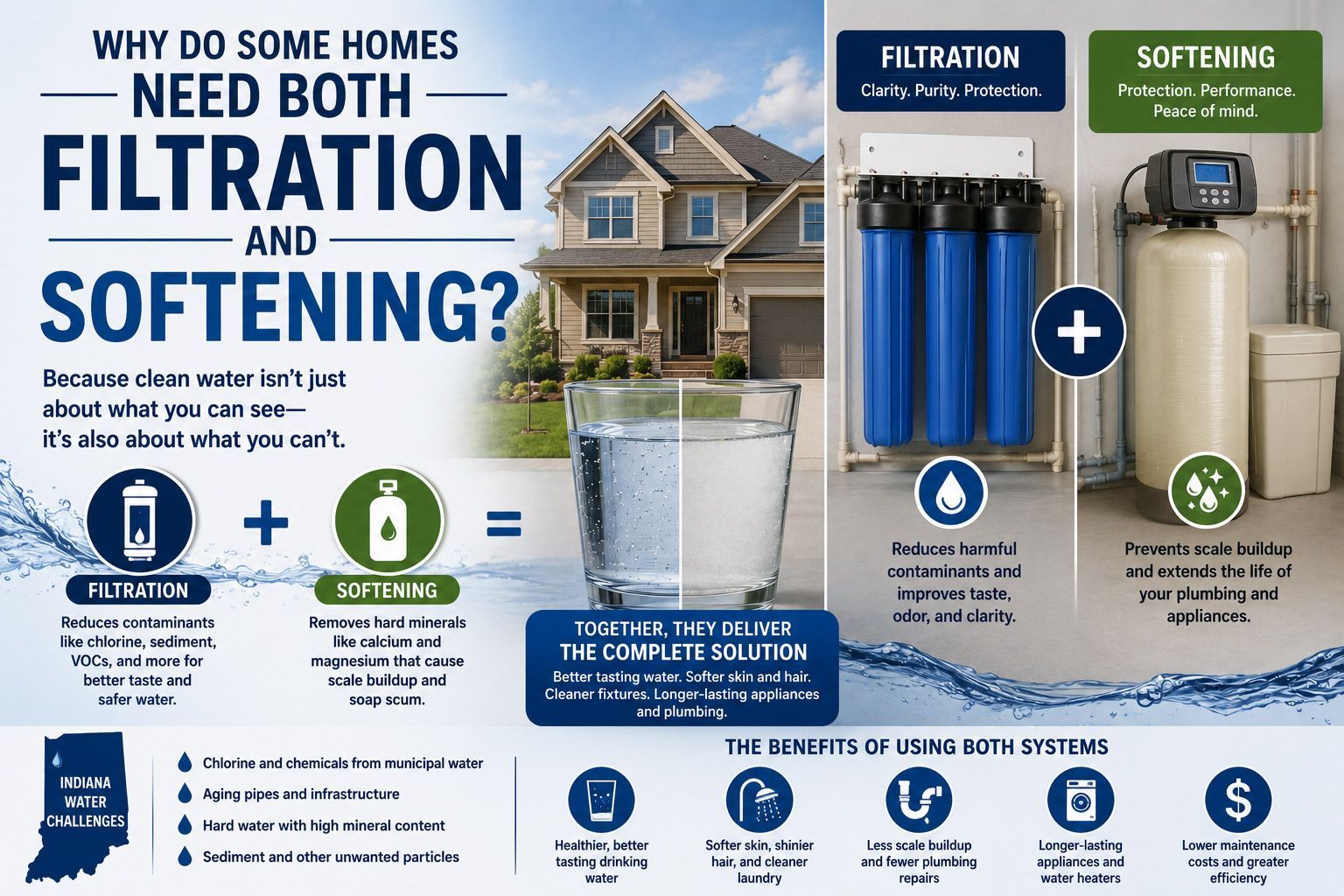
| Water softeners | Heavy mineral buildup |
| Iron filtration | Persistent staining |
| Sediment filtration | Particle accumulation |
| UV purification | Well water concerns |
| Multi-stage filtration | Multiple water problems together |
Earlier testing often provides more flexibility when choosing treatment solutions.
Water Testing Helps Homeowners Make Better Decisions
Many homeowners guess at water problems based only on symptoms. The issue is that several different water conditions can create similar signs inside the home.
For example, staining, odor, and buildup may all have different underlying causes depending on the water source.
Testing Identifies the Actual Problem
Professional water testing helps determine:
- What contaminants are present
- How severe the issue is
- Which treatment options make sense
- Whether conditions have changed over time
Without testing, homeowners may spend money addressing the wrong issue entirely.
Frequently Asked Questions About Water Testing
How often should Indiana homeowners test their water?
Testing frequency depends on the water source, but periodic testing is especially important for homes using private wells.
Can clear water still have problems?
Yes. Many water issues are not visible and require testing to identify properly.
Why does hard water damage appliances?
Hard water minerals create scale buildup inside appliances and plumbing systems over time.
Can well water quality change over time?
Yes. Groundwater conditions may shift because of environmental and seasonal factors.
What are signs that water should be tested?
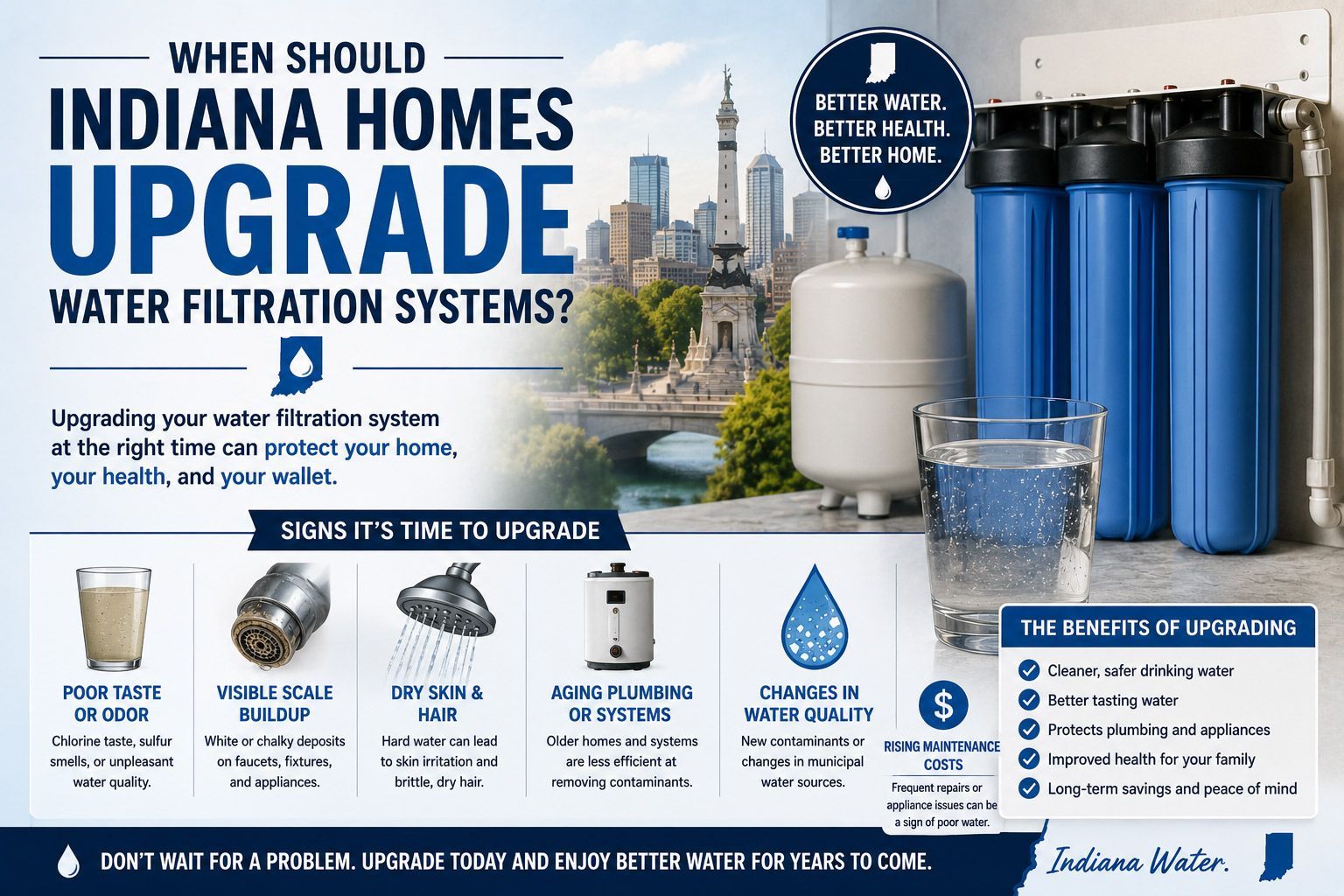
Common warning signs include staining, odor, buildup, dry skin, poor soap performance, or unusual appliance wear.
Conclusion
Delaying water testing can allow small water quality issues to turn into larger plumbing, appliance, and maintenance problems throughout the home. In Indiana, changing groundwater conditions, hard water minerals, iron, sediment, and other contaminants may quietly affect household systems long before serious symptoms appear.
For homeowners in Franklin and surrounding Indiana communities, regular water testing helps identify problems earlier so treatment decisions can be made before long-term damage and repair costs increase. PureSoft Water Treatment Inc. provides water testing and treatment solutions for homeowners looking to improve water quality and address ongoing water concerns throughout the region.