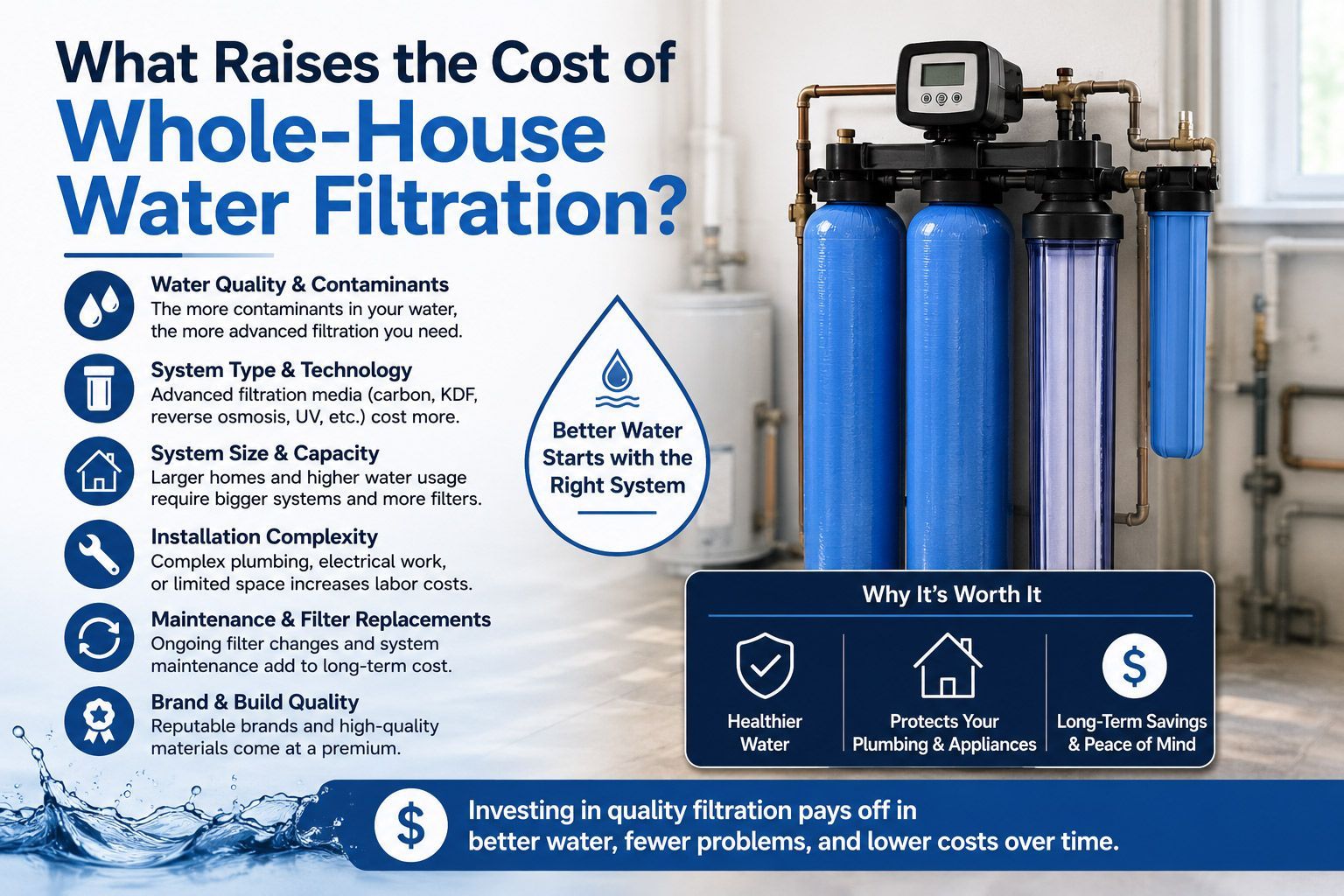
What Raises the Cost of Whole-House Water Filtration?
August 2, 2026
Introduction
A homeowner in Indiana replaces the refrigerator filter regularly, buys bottled water for drinking, and still notices orange staining around sinks and a strange smell during showers. Another household installs a basic filtration unit online, only to discover months later that it does nothing for their sulfur odor or sediment problem.
This is where many homeowners become confused about whole-house water filtration pricing. Two systems may look similar from the outside, yet one costs far more because it is designed to solve completely different water conditions.
Whole-house filtration is not a one-size-fits-all upgrade. The final cost often depends less on the filter itself and more on what the water actually contains, how much water the home uses daily, and how complex the treatment process becomes. For homes throughout Franklin and Indiana, those differences can significantly affect both installation cost and long-term performance.
The Water Problem Itself Usually Determines the Price
The biggest pricing difference often comes from the type of contamination or water quality issue the system is trying to solve.
Some homes only need minor filtration improvements. Others require several stages of treatment working together at the same time.
Basic Water Quality Problems Usually Need Simpler Systems
Homes connected to municipal water sometimes only need filtration for issues such as chlorine taste, mild odor concerns, or sediment particles.
In those cases, the system may only need:
- Carbon filtration
- Sediment filtration
- Basic flow management
These systems are usually smaller and less complex overall.
Indiana Well Water Often Requires More Advanced Treatment
Many homes throughout Indiana rely on private wells, which often contain multiple water quality concerns simultaneously.
Instead of dealing with one issue, homeowners may experience:
| Water Issue | Possible Result Inside the Home |
|---|---|
| Iron | Orange staining on sinks and laundry |
| Sulfur | Rotten egg odor in water |
| Sediment | Cloudy water and clogged fixtures |
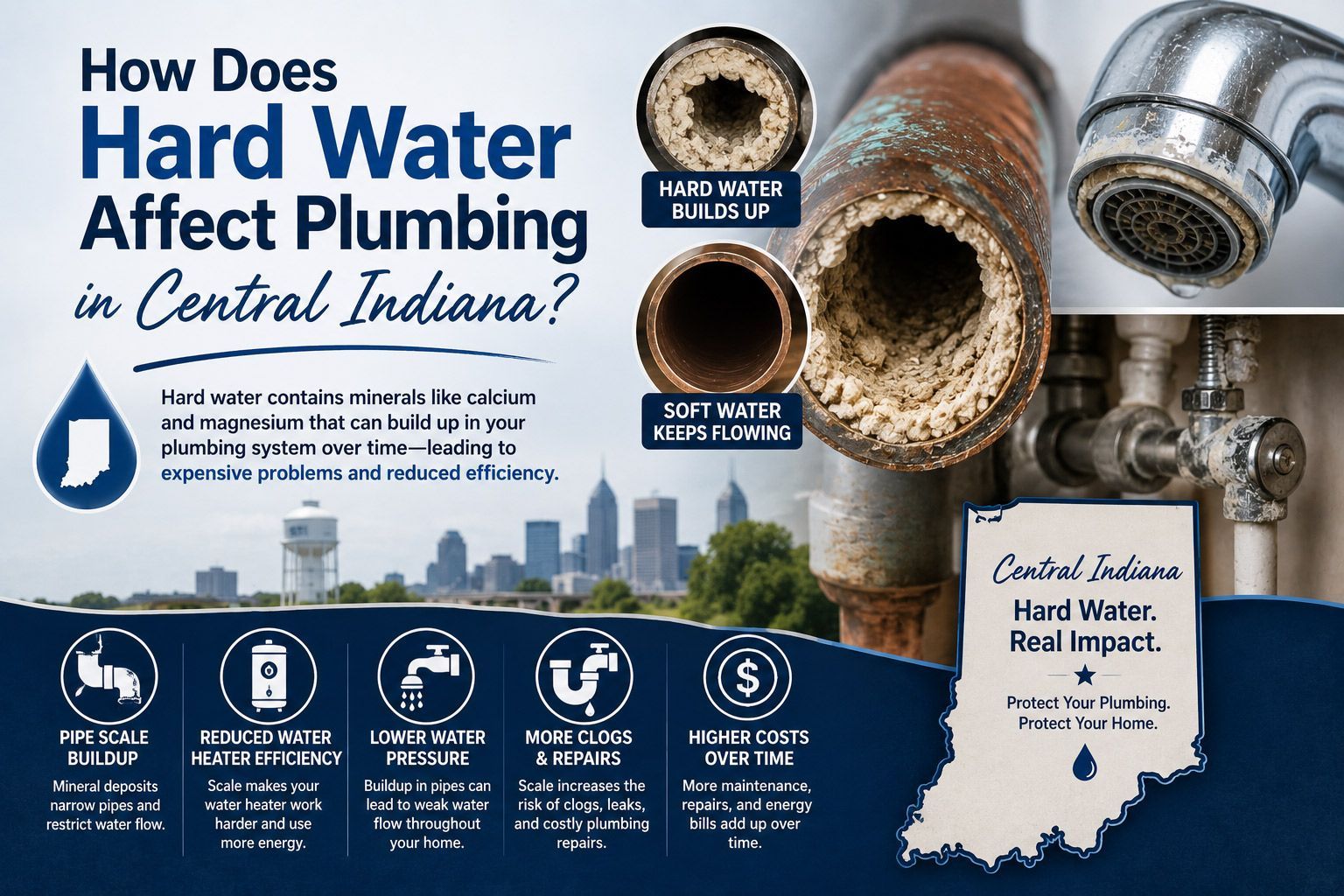
| Hard minerals | Scale buildup in plumbing |
| Bacteria concerns | Additional purification needs |
Once multiple problems need treatment together, the filtration system becomes much more involved.
Larger Homes Need Larger Treatment Capacity
Whole-house filtration systems treat all incoming water before it reaches the rest of the house. Because of that, household size directly affects system requirements.
A small filtration setup that works well in a two-person household may struggle badly in a larger home with multiple bathrooms and heavy appliance usage.
Higher Water Demand Requires More Equipment
As water demand increases, the filtration system must maintain both pressure and treatment performance at the same time.
Larger homes often require:
- Larger filtration tanks
- Higher flow-rate valves
- Greater filter media capacity
- Stronger plumbing support
Without enough capacity, the system may reduce water pressure or struggle to filter effectively during peak usage.
Simultaneous Water Use Changes System Design
A filtration system must handle situations where several fixtures run at once.
This becomes more important in households using:
- Multiple showers
- Dishwashers
- Washing machines
- Irrigation systems
- Large soaking tubs
The more water moving through the system at once, the more robust the filtration equipment usually needs to be.
Different Filtration Technologies Have Very Different Costs
Many homeowners assume all water filters work similarly. In reality, filtration technology varies significantly depending on what contaminants need removal.
Some treatment methods are relatively simple, while others involve much more specialized equipment.
Mechanical Filtration Is Usually More Affordable
Basic systems often rely on mechanical filtration that physically traps particles and sediment from the water supply.
These systems are commonly used for:
- Dirt
- Sand
- Rust particles
- General debris
Because the treatment process is simpler, these systems often cost less upfront.
Advanced Purification Systems Increase Complexity
Some water conditions require more advanced treatment methods, including:
| Technology | Purpose |
|---|---|
| Activated carbon | Reduces taste and odor issues |
| UV purification | Helps address bacteria concerns |
| Reverse osmosis | Removes dissolved contaminants |
| Oxidation systems | Treats sulfur and iron |
| Multi-stage filtration | Combines several treatment methods |
The more specialized the treatment process becomes, the more equipment, installation time, and maintenance are usually involved.
Installation Difficulty Can Add Significant Cost
The filtration system itself is only part of the project. In many Indiana homes, installation conditions affect pricing just as much as the equipment does.
Some Utility Areas Are Difficult to Work In
Not every home has an easily accessible utility room with ideal plumbing layout.
Installation becomes more complicated when technicians encounter:
- Tight crawlspaces
- Older plumbing
- Limited drain access
- Poor pipe placement
- Small mechanical rooms
More complicated access often increases labor time substantially.
Older Homes Sometimes Need Plumbing Modifications
Some older homes in Franklin and nearby Indiana communities require updates before the filtration system can operate correctly.
Those modifications may involve replacing or adding:
- Shutoff valves
- Drain lines
- Bypass systems
- Pressure regulators
- Pipe sections
The filtration system may be straightforward, but the surrounding plumbing infrastructure sometimes is not.
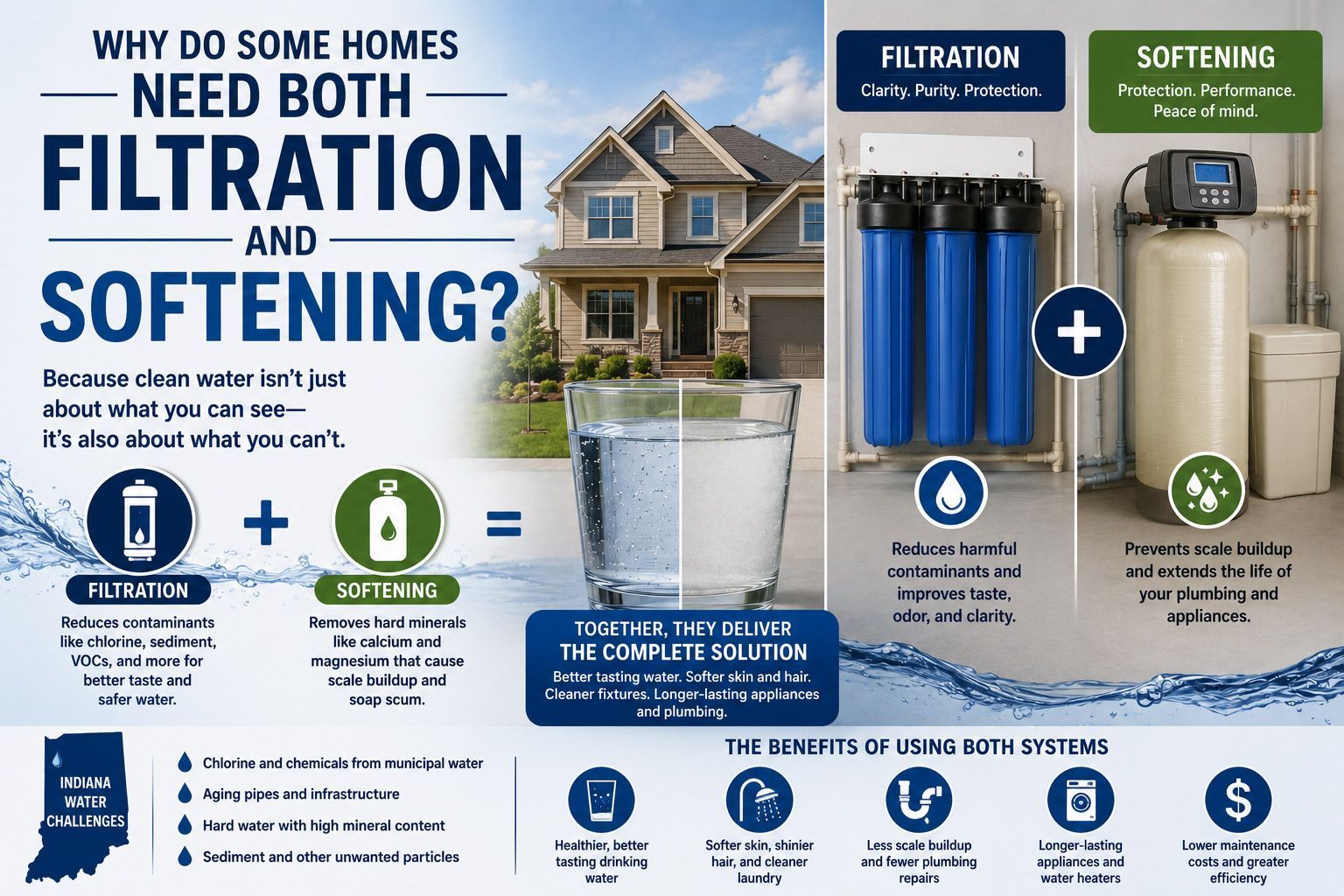
Some Homes Need Filtration and Softening Together
One reason homeowners sometimes underestimate project cost is because filtration and water softening are often confused as the same thing.
They solve different problems.
Filtration Does Not Automatically Remove Hard Water
A whole-house filter may improve taste, odor, or sediment issues while still allowing calcium and magnesium minerals to flow through the plumbing system.
That means the home may still experience:
- Scale buildup
- Dry skin
- Mineral spotting
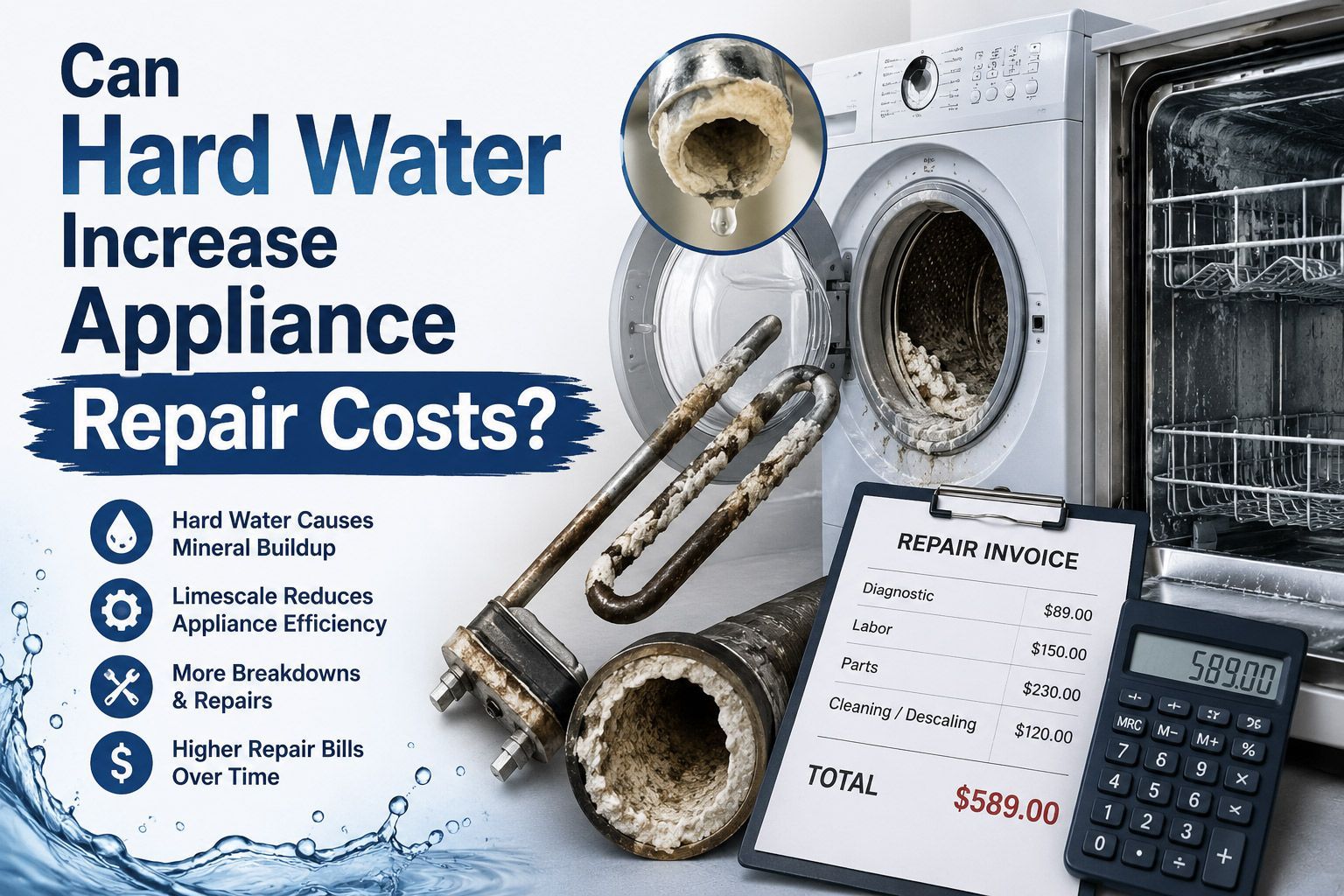
- Appliance wear
In these situations, a separate water softener may still be necessary.
Combination Systems Naturally Cost More
Homes needing both filtration and softening require additional components working together.
A full setup may include:
- Sediment pre-filtration
- Carbon filtration
- Water softener equipment
- Iron treatment
- UV purification
Each added stage increases installation size, equipment needs, and maintenance requirements.
Maintenance Expectations Also Affect Pricing
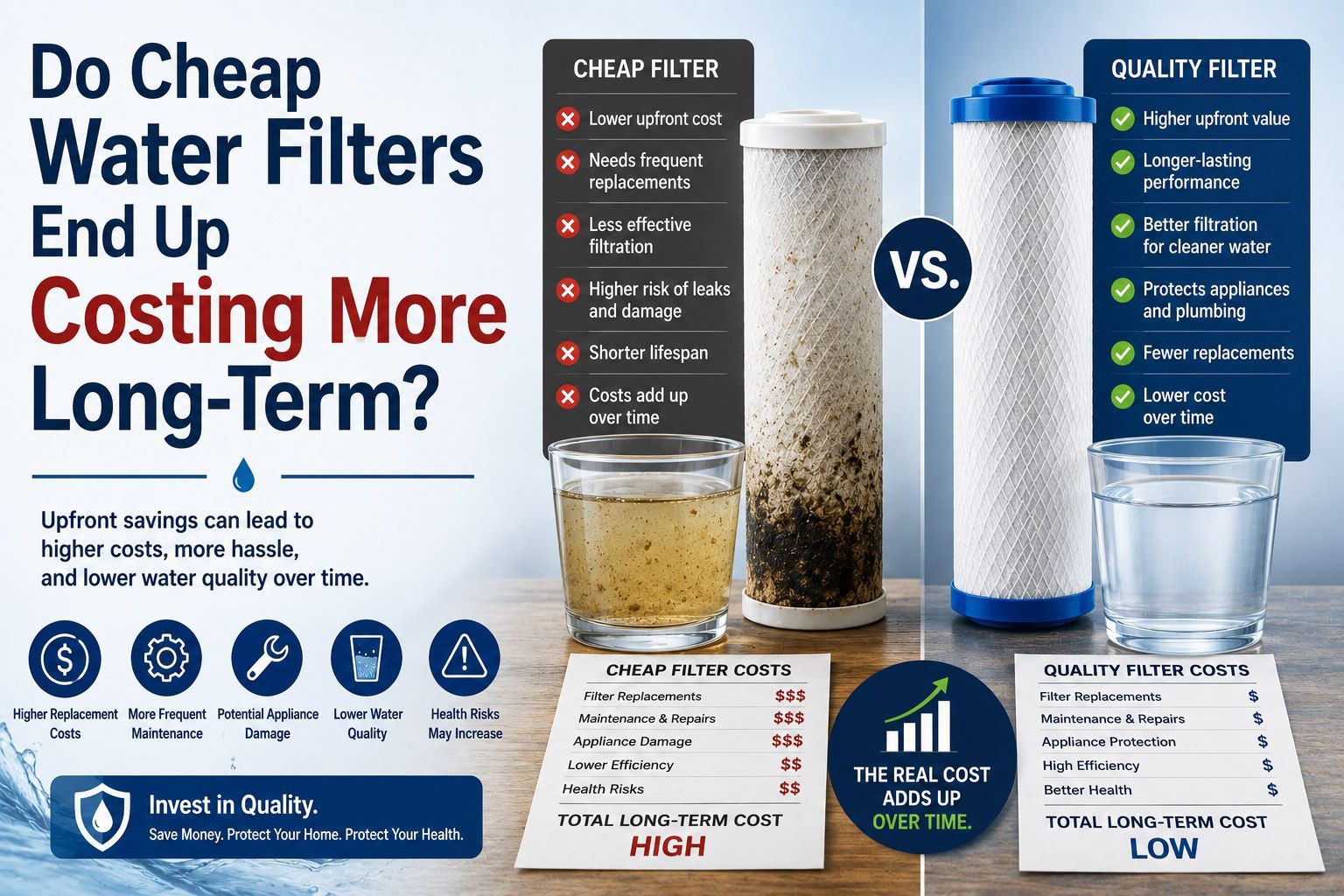
Some systems cost less initially but require frequent servicing or replacement filters later.
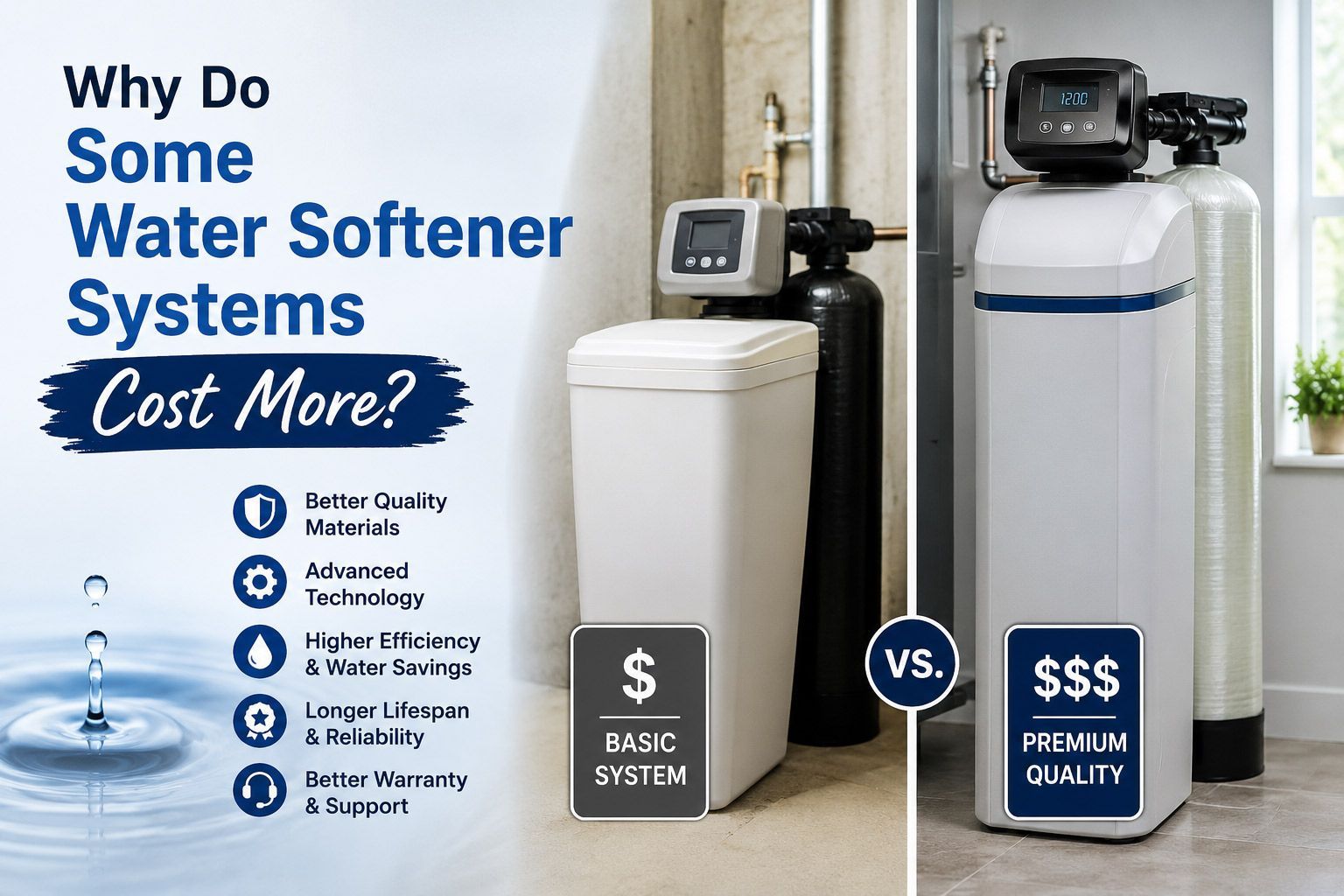
Others cost more upfront because they are designed for higher efficiency and lower maintenance frequency.
Filter Replacement Frequency Varies Widely
Maintenance schedules depend heavily on:
- Water quality
- Household usage
- System type
- Filter media capacity
A home with heavy sediment may require much more frequent servicing than a home with relatively clean municipal water.
Long-Term Operating Costs Matter Too
When homeowners compare systems, they often focus only on installation pricing instead of total ownership cost.
Long-term expenses may involve:
- Replacement cartridges
- UV bulb replacement
- Salt usage
- Maintenance visits
- System servicing
A cheaper system upfront may ultimately cost more if it requires constant maintenance or fails to solve the original water problem properly.
Frequently Asked Questions About Whole-House Water Filtration Costs
Why are whole-house filtration systems priced so differently?
Pricing depends on the water conditions being treated, system capacity, filtration technology, and installation complexity.
Does well water require more expensive systems?
Often, yes. Many Indiana well water systems require multiple treatment stages for iron, sulfur, sediment, or bacteria concerns.
Can one filter solve every water problem?
Usually not. Different contaminants often require different treatment technologies working together.
Why does household size affect filtration cost?
Larger homes use more water, which requires larger-capacity filtration systems to maintain pressure and treatment performance.
Is water softening the same as filtration?
No. Water softeners reduce hardness minerals, while filtration systems target contaminants, odors, sediment, and other impurities.
Conclusion
Whole-house water filtration costs vary because homes throughout Indiana often have very different water conditions, plumbing layouts, and treatment requirements. Some households only need basic filtration improvements, while others require larger multi-stage systems designed to handle iron, sulfur, sediment, hard water, and additional contaminants together.
For homeowners in Franklin and nearby Indiana communities, understanding what actually drives filtration costs can help prevent undersized systems, unresolved water problems, and unnecessary long-term expenses. PureSoft Water Treatment Inc. provides whole-house filtration and water treatment solutions designed around the specific water conditions affecting homes throughout the region.