Can Filtered Water Help Reduce Appliance Wear Over Time?
July 13, 2026
Introduction
Most homeowners expect appliances to wear out eventually. Water heaters age, dishwashers lose efficiency, and washing machines eventually need repairs. What many people do not realize is how much water quality can influence how quickly that wear happens.
Appliances that rely on water operate constantly under whatever conditions are flowing through the plumbing system. If the water contains heavy minerals, sediment, chlorine, or other contaminants, those materials continue moving through internal components every single day.
The damage is usually gradual rather than immediate.
Scale buildup develops slowly inside heating elements. Sediment collects in valves and pipes. Mineral deposits restrict flow over time. By the time performance problems become noticeable, the appliance may already be operating under significant strain.
Filtered water cannot guarantee appliances will never fail, but it may help reduce the type of buildup and contamination that often contributes to premature wear.
Different Water Problems Affect Appliances in Different Ways
Not all water-related appliance damage comes from the same source. Different water quality issues create different types of wear inside household equipment.
Hard Water Creates Mineral Buildup
Hard water is one of the most common causes of appliance strain.
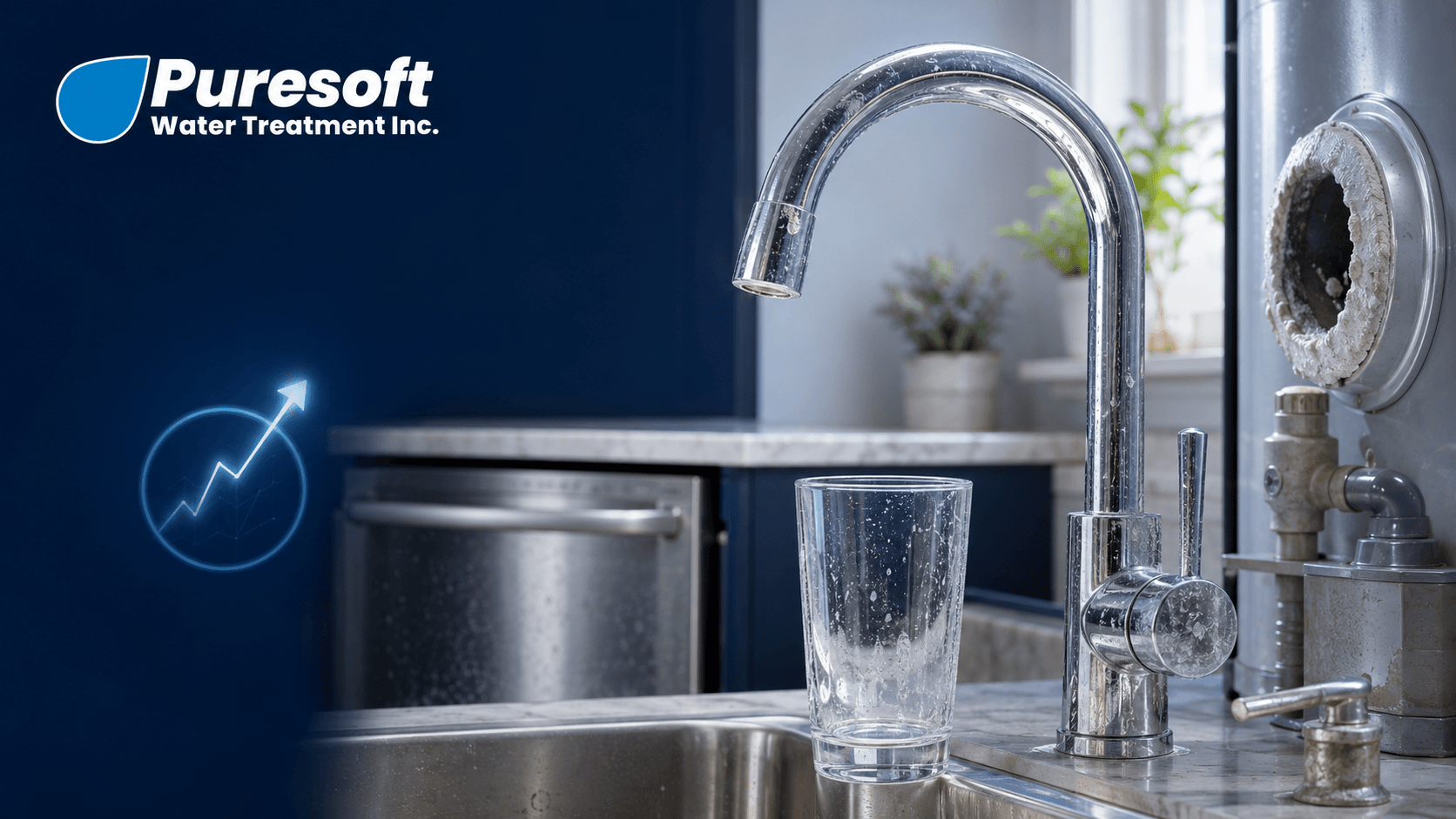
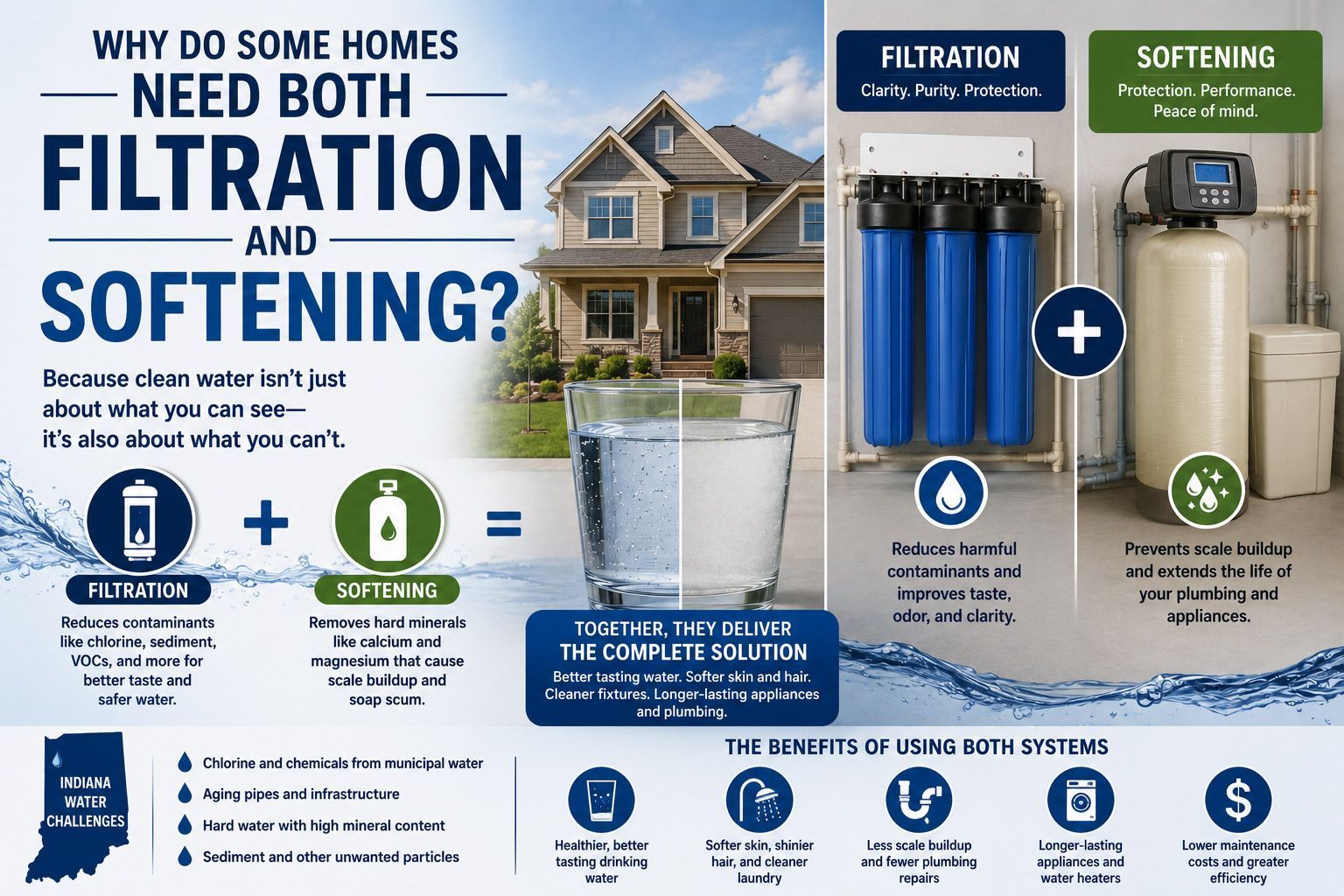
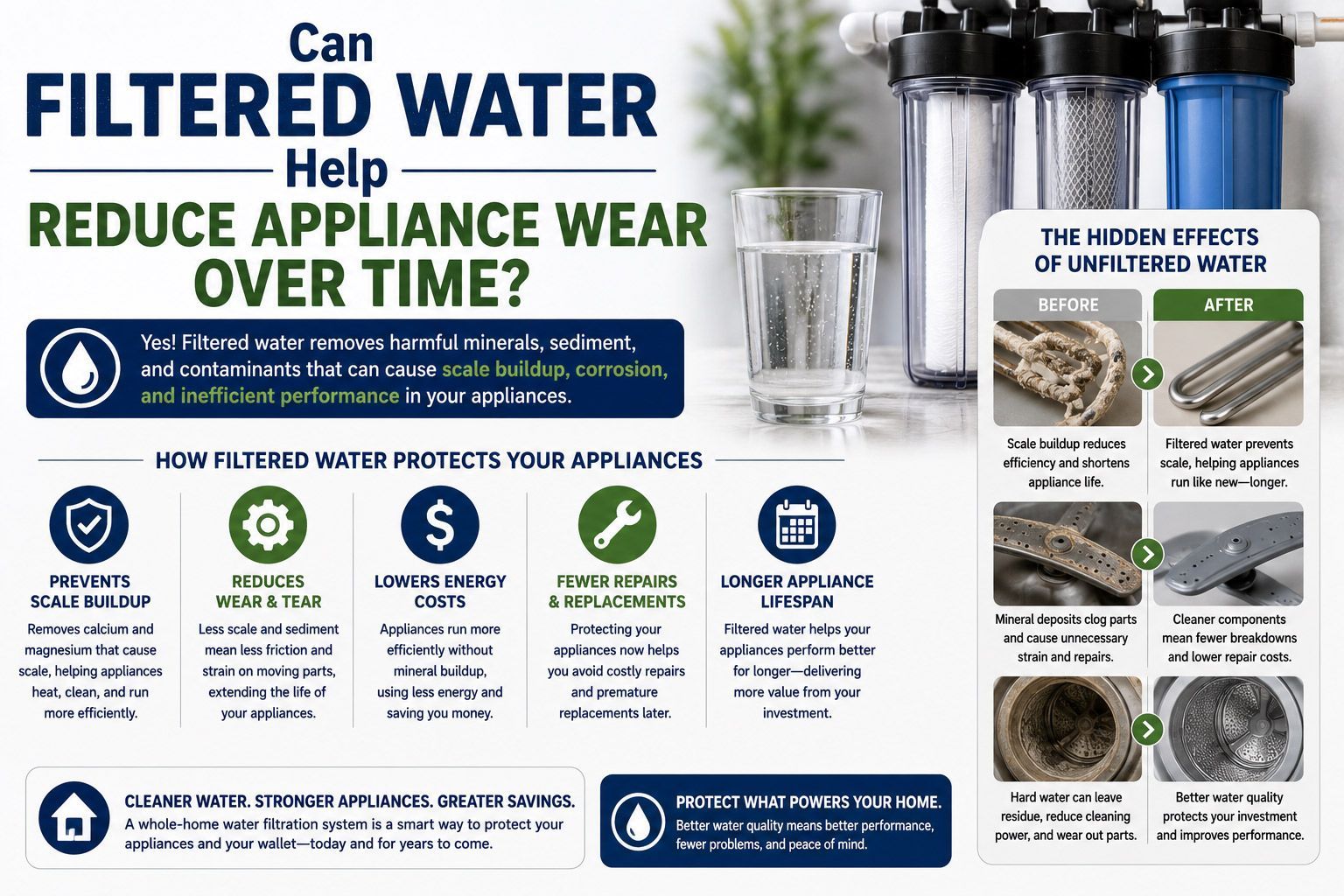
As calcium and magnesium move through appliances, they leave mineral deposits behind. Over time, scale buildup begins accumulating inside:
- Water heaters
- Dishwashers
- Washing machines
- Coffee makers
- Ice makers
The buildup narrows water pathways and reduces heat transfer efficiency.
Sediment Causes Mechanical Stress
Homes with sediment-heavy water may experience a different type of problem.
Sand, dirt, rust particles, and debris can move through plumbing systems and settle inside appliances. This may affect:
| Appliance Area | Potential Problem |
|---|---|
| Valves | Restricted movement |
| Pumps | Increased wear |
| Spray arms | Reduced flow |
| Internal screens | Clogging |
| Water lines | Sediment accumulation |
Sediment damage is often gradual but persistent.
Chlorine and Chemical Exposure
Municipal water systems commonly use chlorine for disinfection. While effective for water treatment, chlorine exposure over time may affect certain appliance components.
Rubber seals, gaskets, and hoses can sometimes deteriorate faster under continuous chemical exposure.
Water Heaters Often Show the Effects First
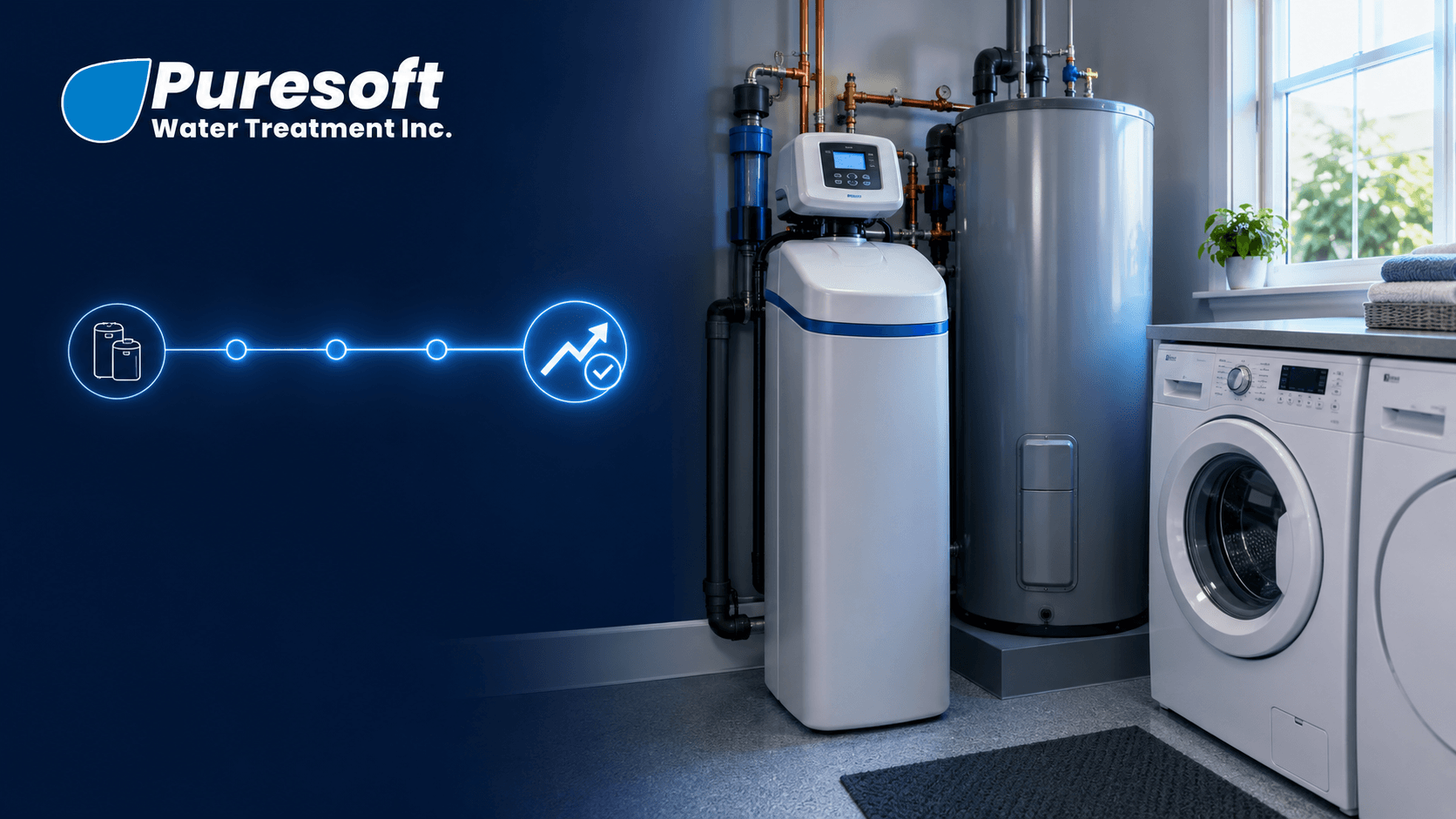
Among all household appliances, water heaters are usually one of the most heavily affected by poor water quality.
Mineral Scale Reduces Heating Efficiency
Water heaters rely on direct heat transfer to warm water properly. When minerals coat heating elements or settle inside the tank, the system becomes less efficient.
This often causes:
- Longer heating cycles
- Increased energy usage
- Reduced hot water supply
- Strange noises inside the tank
The heater must work harder to achieve the same results.
Sediment Shortens Tank Lifespan
Sediment settling at the bottom of the tank may trap heat and increase internal stress over time.
In severe cases, buildup contributes to:
- Overheating
- Internal corrosion
- Premature tank wear
- Reduced efficiency
Filtered water may help reduce the amount of debris and mineral accumulation entering the system.
Dishwashers and Washing Machines Depend on Clean Water Flow
Laundry and kitchen appliances rely heavily on proper water circulation.
Even small restrictions inside internal components can gradually affect performance.
Hard Water Leaves Deposits Behind
Inside dishwashers and washing machines, mineral deposits can develop around:
- Spray arms
- Heating components
- Internal pipes
- Water inlets
- Drain systems
As buildup increases, appliances may start:
- Running longer cycles
- Cleaning less effectively
- Using more water
- Requiring more detergent
Filtered Water Can Improve Operating Conditions
Reducing sediment and mineral content helps appliances operate under cleaner conditions.
This may support:
| Potential Benefit | Why It Matters |
|---|---|
| Better water flow | Less internal restriction |
| Reduced scaling | Improved efficiency |
| Cleaner heating elements | Faster heating |
| Lower residue buildup | Reduced maintenance |
| Improved cleaning performance | Less detergent strain |
The impact depends on the home's water conditions and the type of filtration system being used.
Small Appliances Often Accumulate Damage Faster
Countertop and smaller appliances frequently experience water quality problems sooner because of their compact internal design.
Coffee Makers and Ice Machines
These appliances contain narrow water passages and heating components that are especially vulnerable to scale buildup.
Homeowners often notice:
- Slower brewing
- Reduced ice production
- Mineral residue
- Performance decline
Frequent descaling becomes necessary in homes with hard water.
Humidifiers and Steam Appliances
Mineral-heavy water can leave white dust, residue, or buildup inside humidifiers and steam-based appliances.
Filtered water may help reduce internal accumulation and maintenance frequency in these systems.
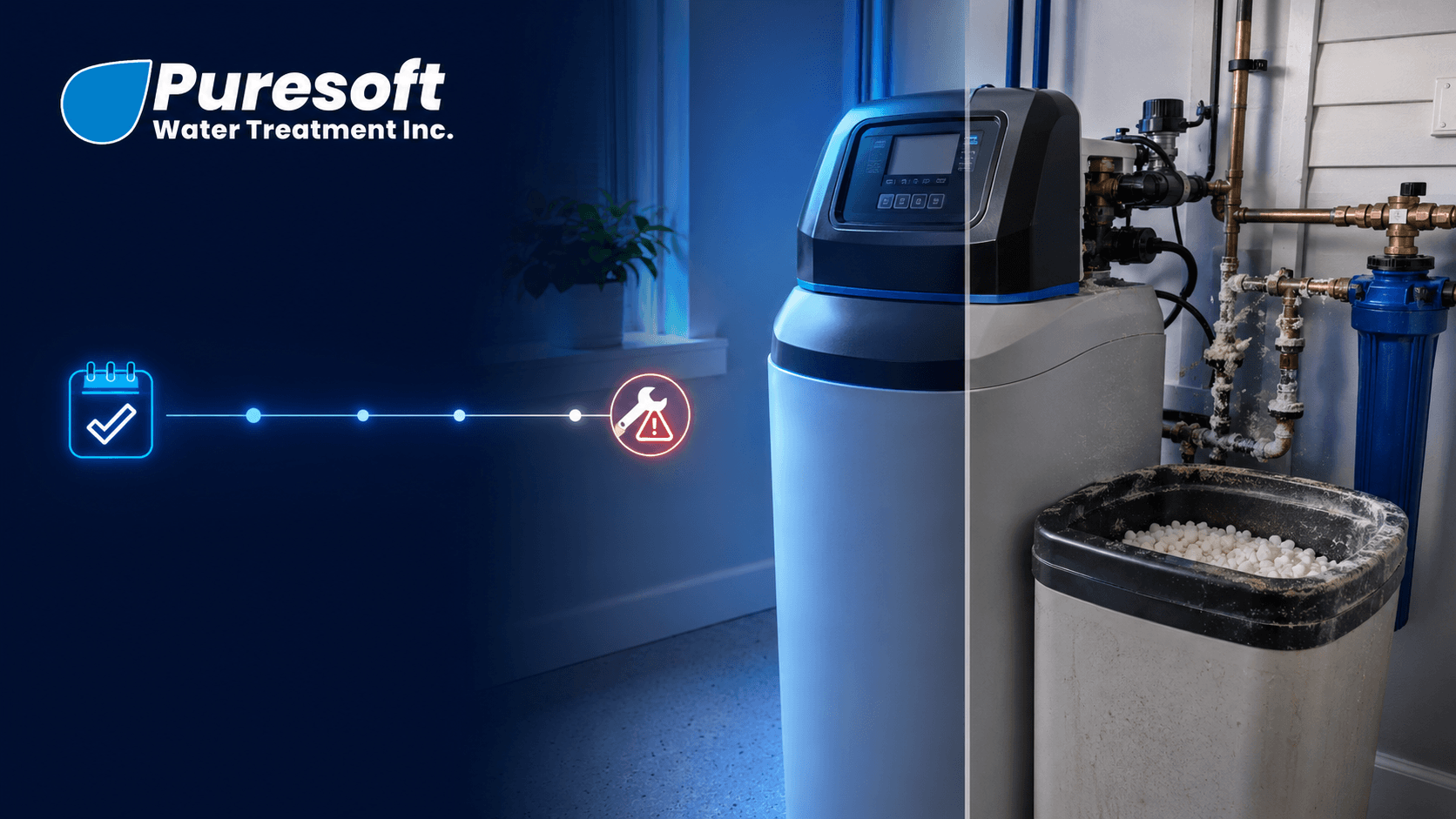
Appliance Efficiency Often Declines Before Failure Happens
One reason water-related wear goes unnoticed is that appliances rarely stop working immediately.
Instead, efficiency gradually decreases over time.
Early Warning Signs
Many homeowners do not initially connect these issues to water quality:
- Water spots on dishes
- Stiff laundry
- Slower hot water recovery
- Increased utility bills
- Reduced water pressure
- Frequent cleaning cycles
Because the changes happen slowly, they often feel like normal aging even when mineral buildup is contributing heavily to the problem.
Energy Usage Can Increase Quietly
When heating elements become coated with scale, appliances generally require more energy to operate.
This affects:
- Water heaters
- Dishwashers
- Washing machines
- Boilers
The appliance may still function normally from the homeowner’s perspective while quietly operating less efficiently.
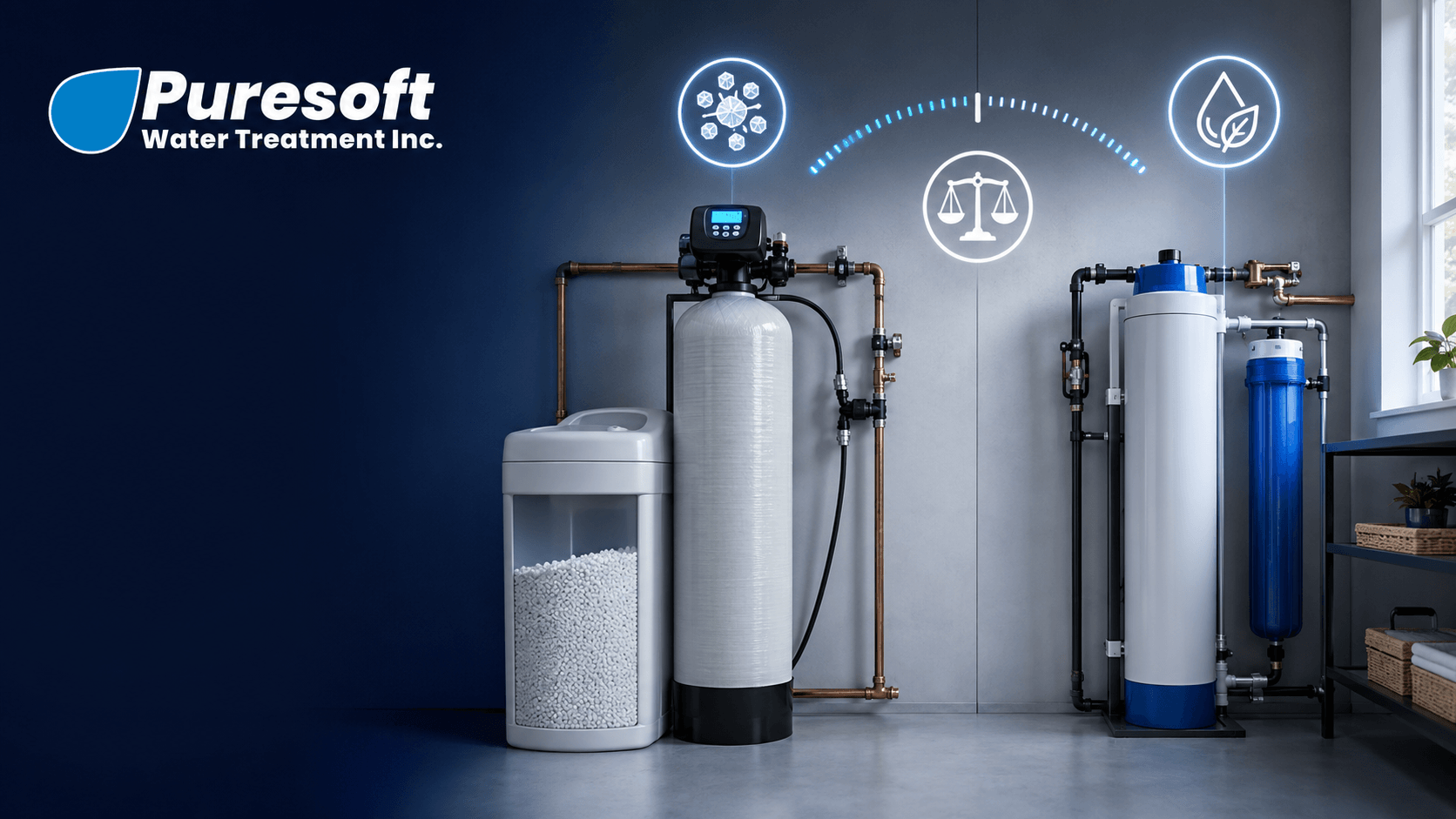
The Type of Filtration Matters
Not every filtration system addresses the same water quality issues.
The effectiveness depends on matching the treatment system to the actual problem affecting the home.
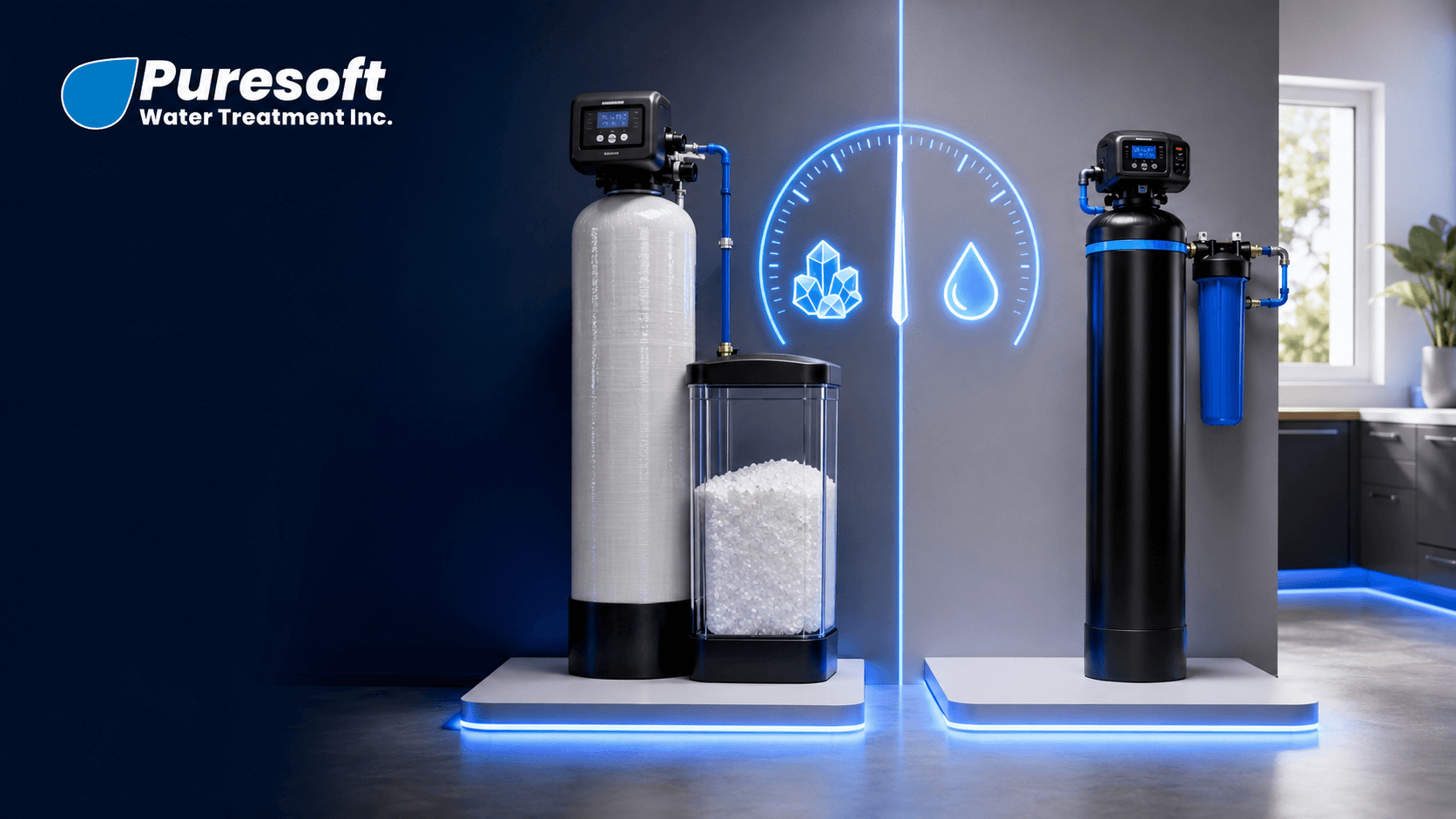
Common Filtration Approaches
Different systems target different concerns.
| Water Issue | Common Treatment |
|---|---|
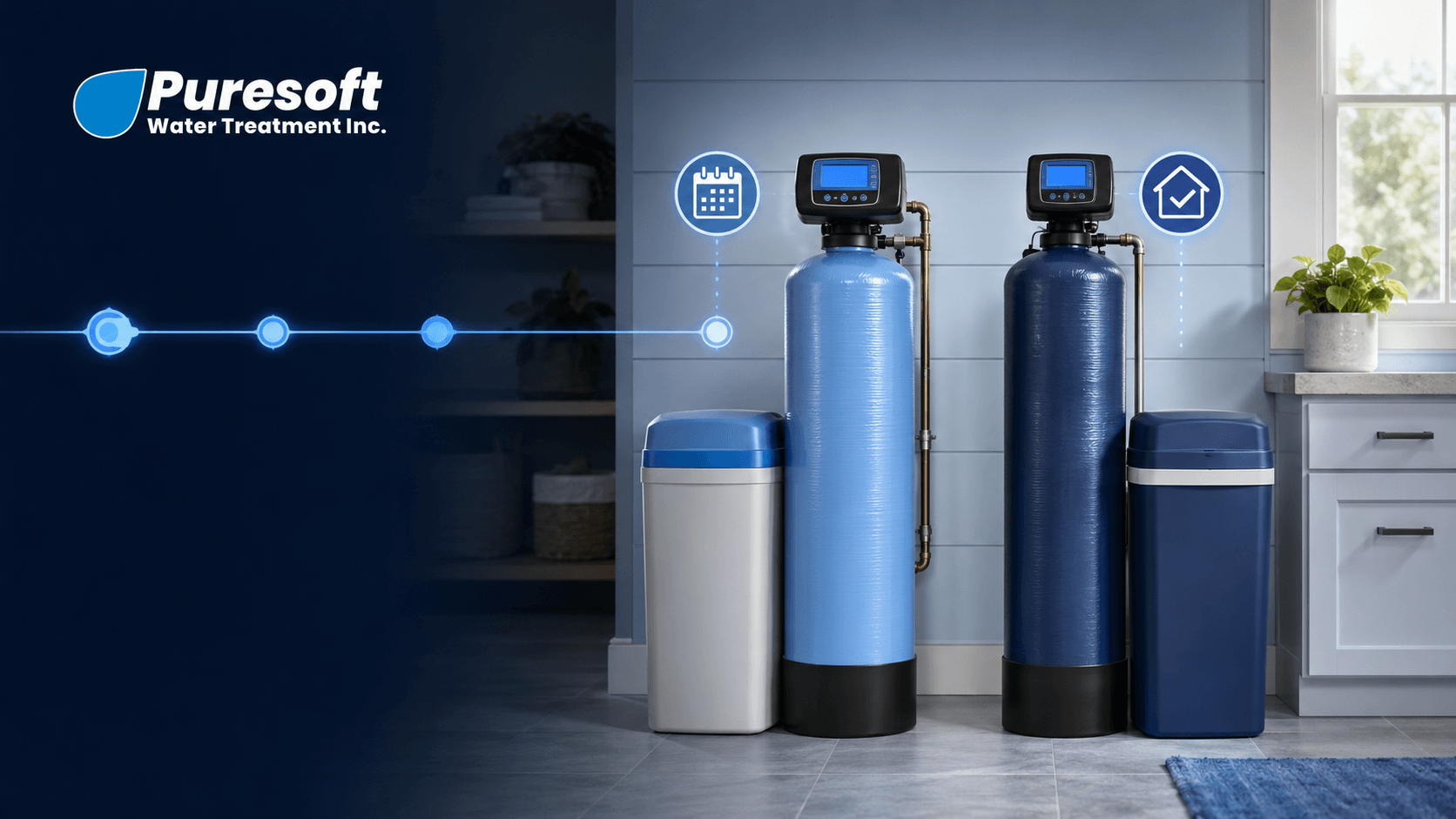
| Hard water minerals | Water softener |
| Sediment | Sediment filtration |
| Chlorine | Carbon filtration |
| Iron | Iron removal systems |
| Bacteria | UV purification |
A sediment filter alone, for example, will not soften hard water.
Water Testing Helps Identify the Right Solution
Without testing, homeowners may install treatment systems that fail to address the actual source of appliance wear.
Proper testing helps determine:
- Hardness levels
- Sediment presence
- Chlorine content
- Iron levels
- Additional contaminants
That information guides more effective treatment decisions.
Questions Homeowners Often Ask About Appliance Wear
Does hard water really damage appliances?
Hard water minerals can create scale buildup inside appliances, reducing efficiency and increasing internal strain over time.
Can filtered water help appliances last longer?
Filtered water may help reduce mineral deposits, sediment buildup, and contaminant exposure that contribute to wear.
Which appliance is usually affected first?
Water heaters are commonly among the first appliances to experience noticeable efficiency loss from mineral buildup.
Is a water softener the same as a water filter?
Not exactly. Water softeners primarily remove hardness minerals, while filtration systems target contaminants like sediment, chlorine, or chemicals.
Can appliance damage already be reversed?
Filtration and softening systems help reduce future buildup, but severe existing scale or corrosion may still require appliance servicing or replacement.
Water Quality Affects More Than Just Drinking Water
Appliances interact with household water every day, which means water quality plays a much larger role in long-term wear than many homeowners realize. Minerals, sediment, and contaminants can gradually reduce efficiency, increase strain on internal components, and contribute to maintenance issues throughout the home.
Filtered water may help reduce many of those conditions by improving the quality of water moving through plumbing systems and appliances daily. While no treatment system eliminates all wear entirely, cleaner water often creates better operating conditions for the equipment homeowners rely on most. Companies like PureSoft Water Treatment Inc. often help homeowners better understand how filtration and water treatment systems may support appliance performance and reduce long-term buildup issues throughout the home.