Why Do Some Water Softener Systems Cost More?
July 19, 2026
Introduction
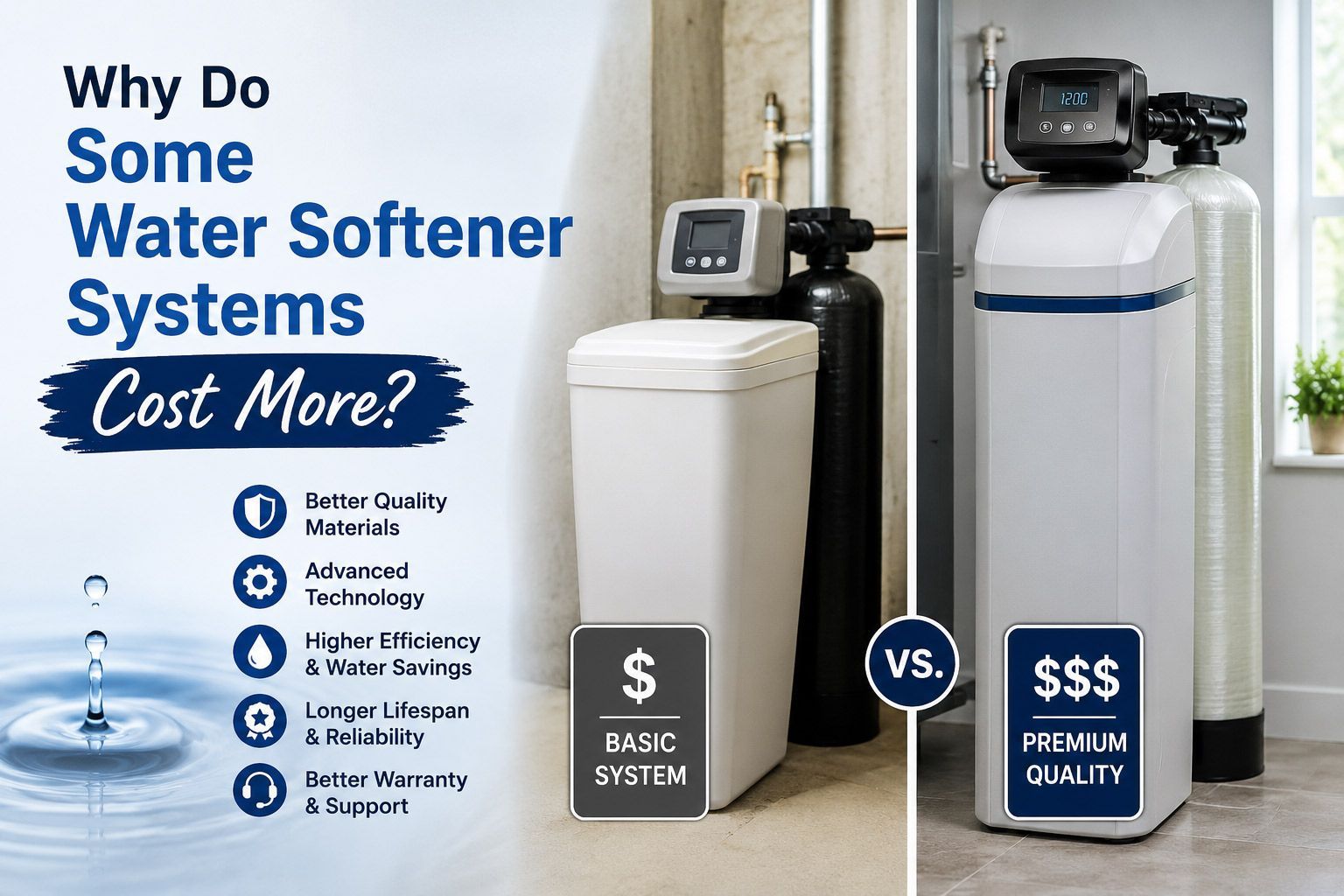
Many homeowners in Franklin and throughout Indiana are surprised by how different water softener prices can be. Some systems appear relatively affordable, while others cost significantly more before installation even begins.
At first, it may seem like every water softener performs the same basic job. However, water softener systems vary widely in capacity, efficiency, durability, technology, and treatment capability. The type of water inside the home also affects what kind of system is actually necessary.
For Indiana homeowners dealing with hard water, understanding what affects pricing can help explain why some systems cost more and why certain upgrades may provide better long-term performance.
Water Conditions Often Determine the Type of System Needed
Hard water is one of the biggest reasons homeowners install treatment systems in the first place. However, not all hard water conditions are the same.
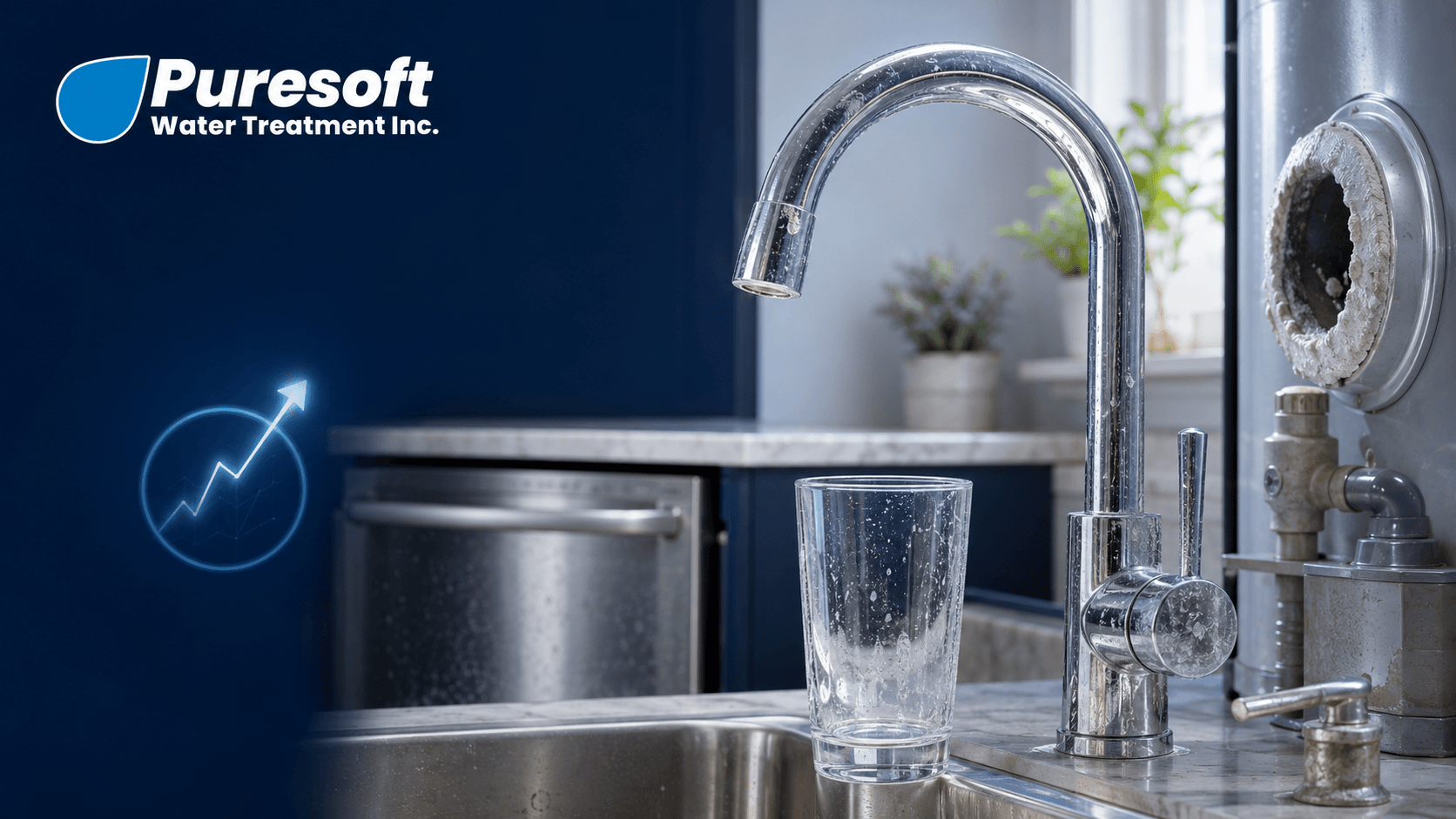
Some homes experience mild mineral buildup, while others deal with severe scaling throughout the plumbing system.
Homes With Severe Hard Water Usually Need Larger Systems
Many areas across Indiana have groundwater containing high levels of calcium and magnesium. As mineral concentration increases, the softener system must work harder to remove those minerals consistently.
Homes with heavier hard water may require:
- Higher grain-capacity systems
- Larger resin tanks
- Stronger control valves
- More efficient regeneration cycles
These upgrades increase the size and capability of the system, which also affects pricing.
Additional Water Problems Can Increase Equipment Costs
Some homeowners discover that hard water is not the only issue affecting water quality.
In Indiana, certain homes may also experience:
- Iron staining
- Sulfur odors
- Sediment buildup
- Chlorine taste
- Well water contamination concerns
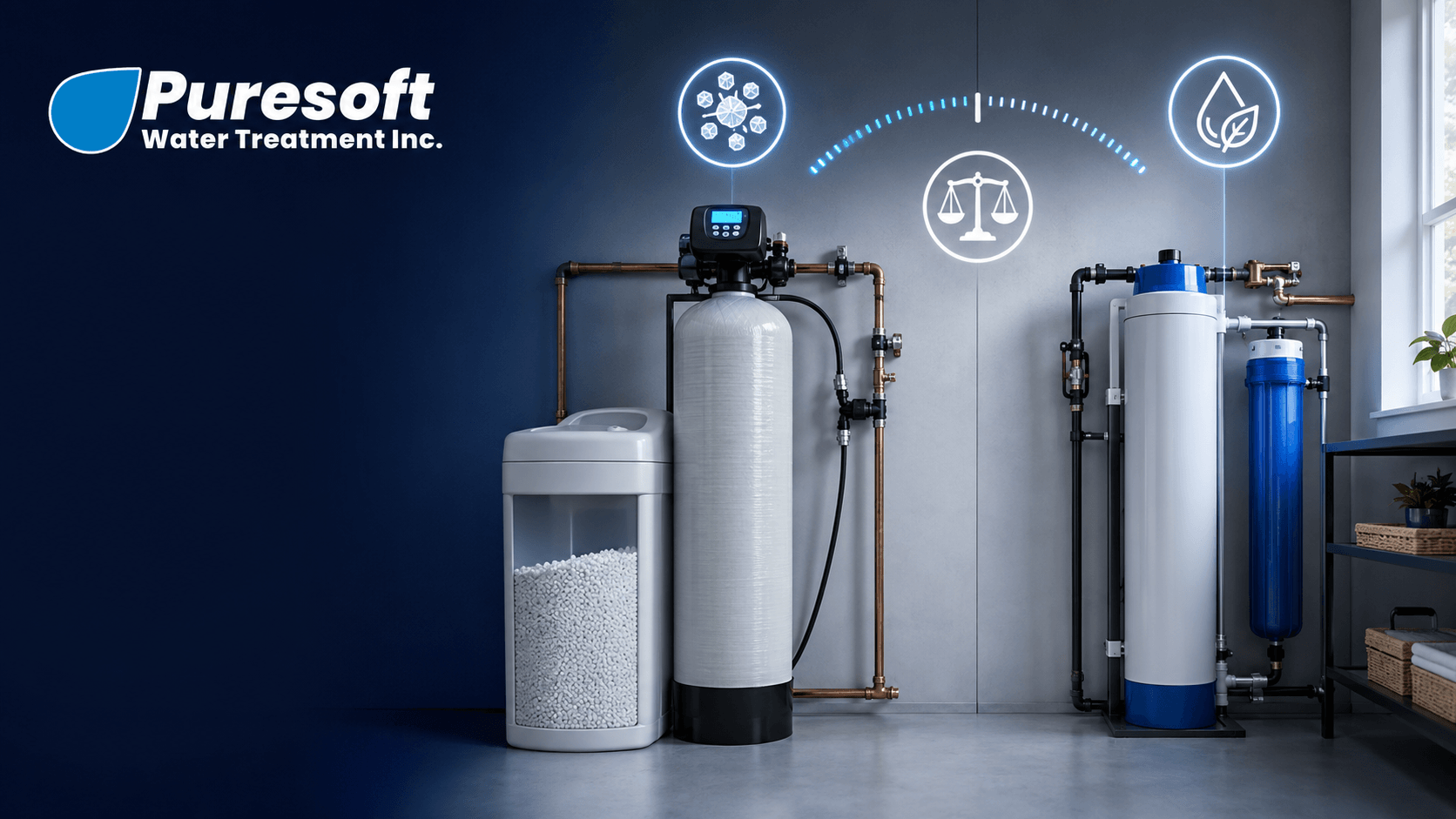
When multiple problems need treatment, the system often becomes more advanced than a standard softener alone.
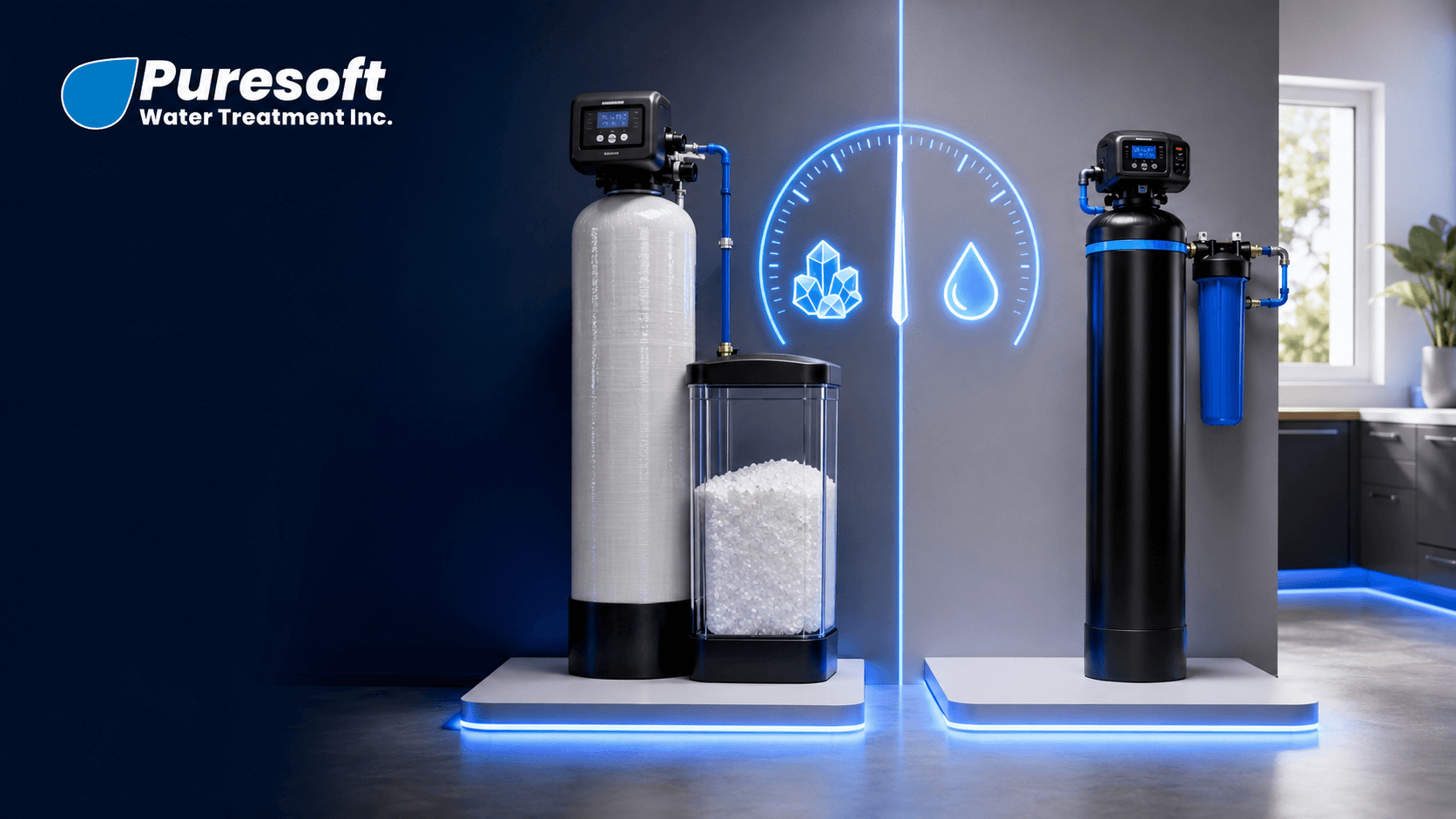
Different Water Softener Technologies Affect Pricing
Not every water softener operates the same way. Some systems use simpler designs, while others include advanced efficiency and monitoring features.
To understand why costs vary, it helps to compare the different system approaches.
| System Type | Why Costs May Increase |
|---|---|
| Basic timer systems | Lower upfront cost but less efficient |
| Demand-initiated systems | Adjust regeneration automatically |
| Dual-tank systems | Provide continuous soft water |
| Smart monitoring systems | Track water usage and performance |
| Combination treatment systems | Address multiple water issues |
The more automation and efficiency features included, the higher the overall equipment cost usually becomes.
Household Size Changes System Requirements
The number of people living in the home affects how much water the system must process every day.
Larger households often place far greater demand on water treatment equipment.
Higher Water Usage Requires More Capacity
Homes with multiple bathrooms, larger families, or heavy appliance usage generally require systems capable of handling higher water flow consistently.
A larger system may include:
- Higher resin capacity
- Larger brine tanks
- Increased regeneration capability
- Higher flow-rate support
These features help maintain soft water throughout the home without overworking the system.
Smaller Systems May Struggle in Larger Homes
Some homeowners choose lower-cost systems without considering long-term water demand.
An undersized system may lead to:
- Reduced soft water availability
- Frequent regeneration
- Higher salt consumption
- Increased wear on components
Choosing the correct system size often affects both upfront and long-term operating costs.
Installation Complexity Can Raise Total Project Costs
The system itself is only part of the total investment. Installation conditions inside the home also play a major role in overall pricing.
Some homes are much easier to install systems in than others.
Plumbing Layout Can Affect Labor Requirements
Several installation conditions may increase project complexity:
- Tight utility spaces
- Older plumbing systems
- Long pipe runs
- Drainage limitations
- Electrical modifications
Homes with more complicated layouts often require additional labor and plumbing adjustments.
Older Indiana Homes May Need Additional Updates
Some older homes throughout Franklin and nearby Indiana communities may require upgrades before installation can happen properly.
Those upgrades sometimes include:
| Plumbing Update | Why It May Be Necessary |
|---|---|
| Pipe replacements | Older plumbing may restrict flow |
| Shutoff valve upgrades | Improves system isolation |
| Drain line installation | Supports regeneration cycles |
| Pressure adjustments | Protects equipment performance |
| Bypass valve additions | Simplifies maintenance |
The condition of the home’s plumbing infrastructure directly affects installation scope.
Higher-Quality Components Usually Cost More
The durability of internal system parts also influences pricing significantly.
Some systems are designed for lighter residential use, while others are built for higher long-term workload demands.
Premium Components Improve Reliability
Higher-end systems may include stronger materials such as:
- Heavy-duty resin media
- Corrosion-resistant tanks
- Advanced control heads
- Durable internal valves
These components often last longer under consistent household use.
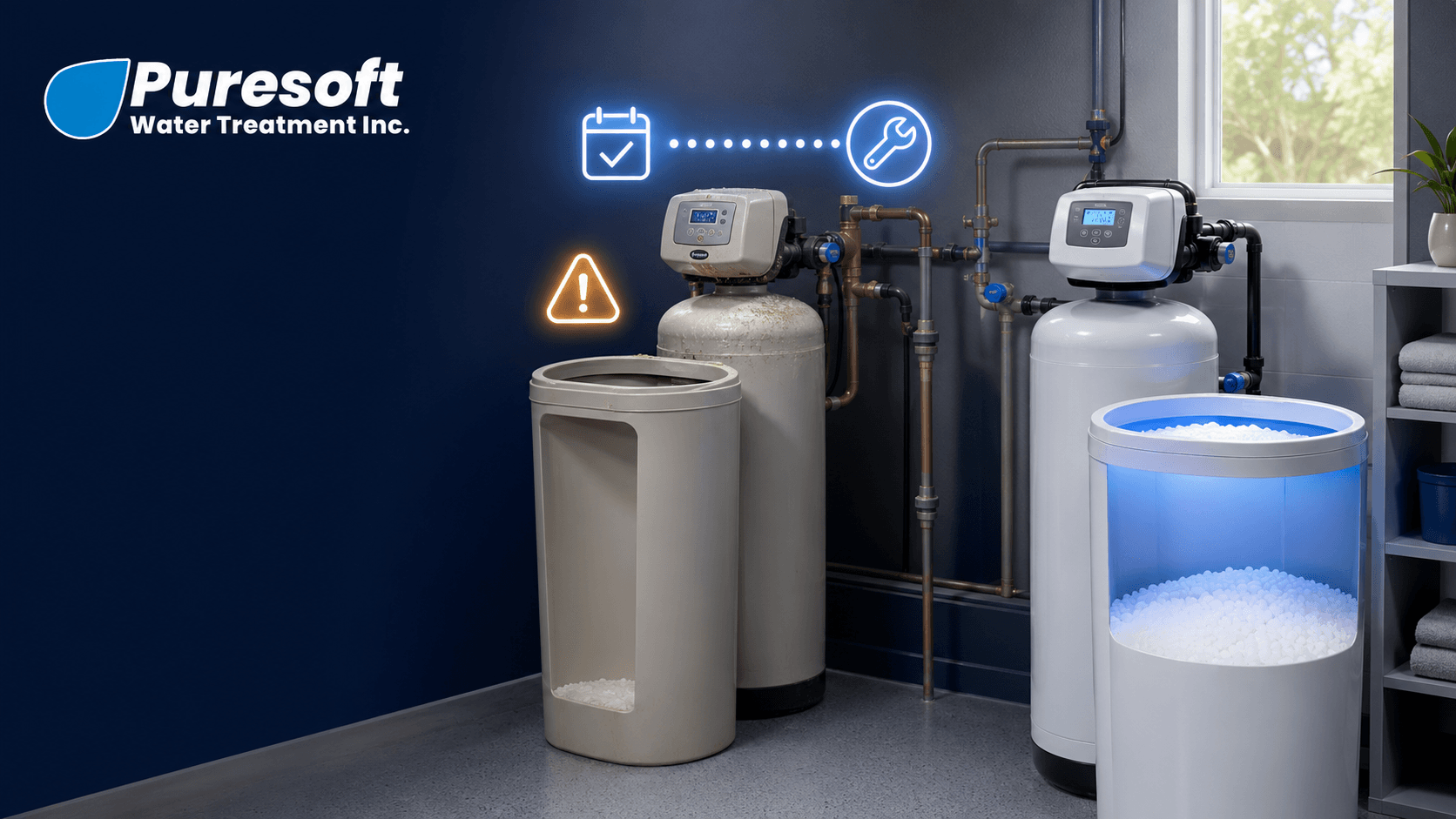
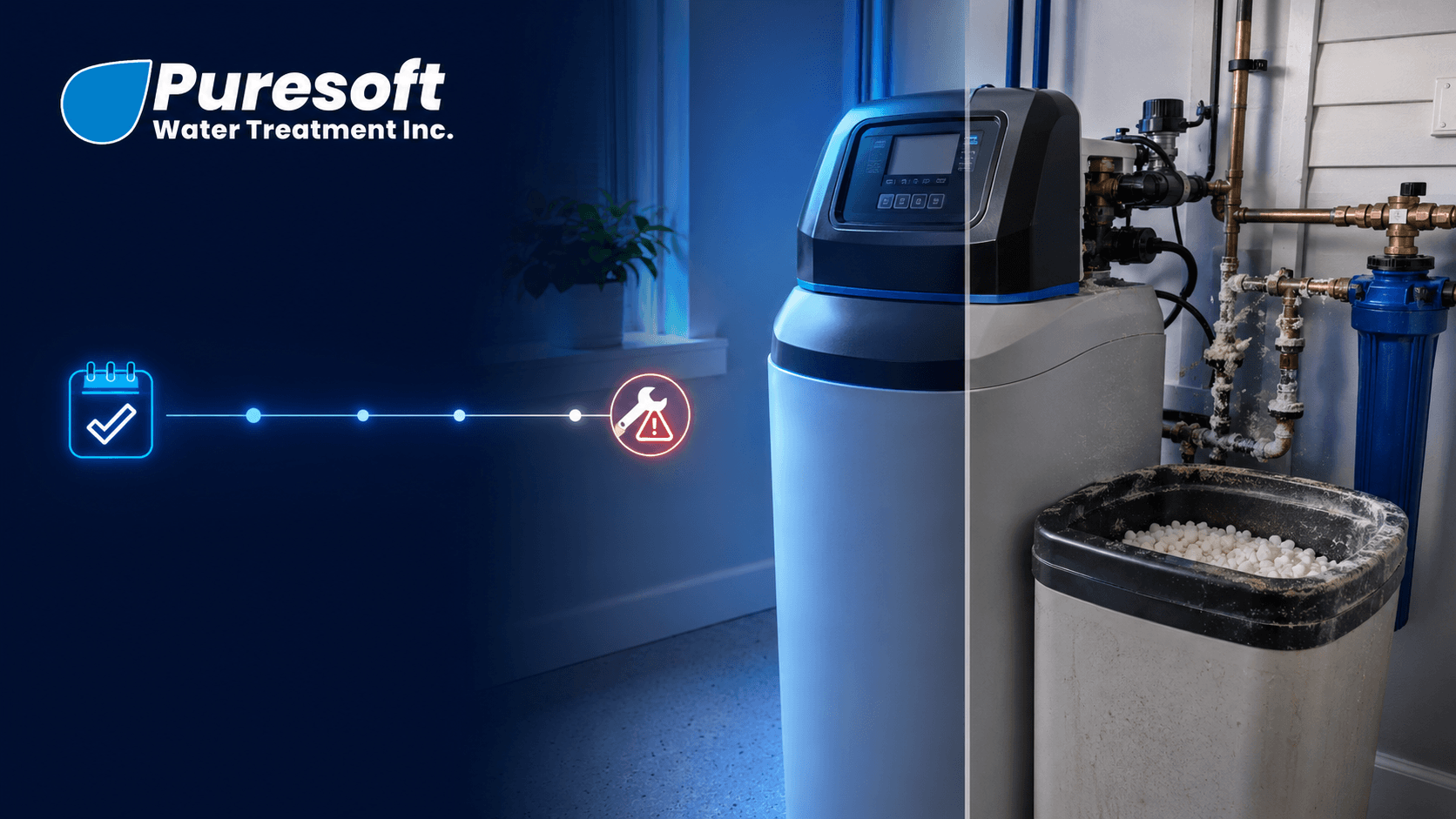
Lower-Cost Systems May Require More Maintenance
Cheaper systems sometimes experience problems earlier because of lighter construction or lower-grade components.
Potential long-term issues may include:
- Valve failures
- Reduced softening performance
- Resin degradation
- Frequent repairs
Lower upfront pricing does not always mean lower ownership cost over time.
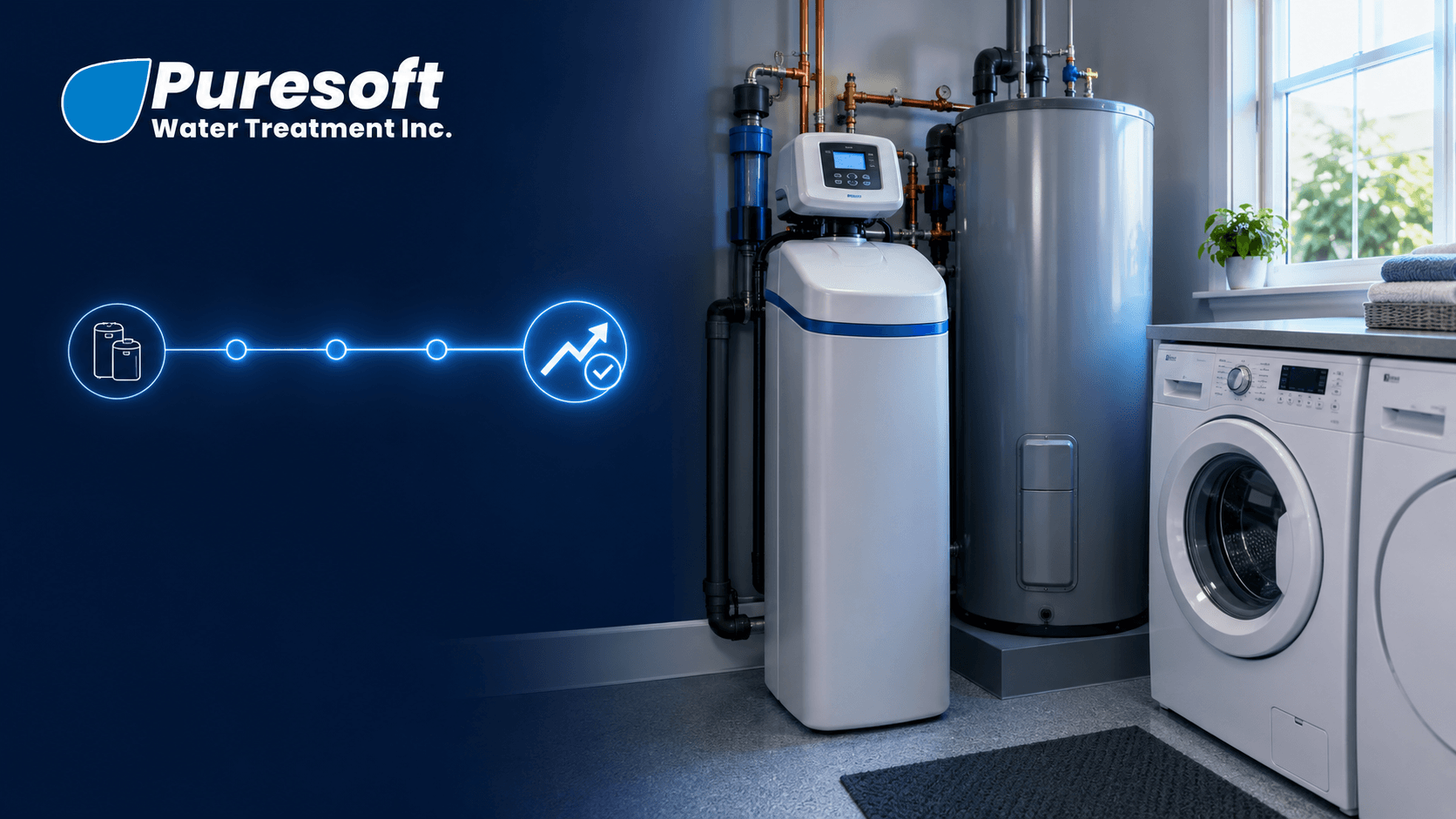
Efficiency Features Can Influence Long-Term Value
Some homeowners focus only on the initial purchase price, while others evaluate how efficiently the system operates over many years.
Efficiency features often increase upfront cost but may reduce operating expenses later.
Efficient Systems Can Reduce Resource Usage
Modern systems may improve efficiency by reducing:
- Salt consumption
- Water waste
- Regeneration frequency
- Utility costs
This becomes especially important for larger households using substantial amounts of water daily.
Long-Term Operating Costs Matter Too
When comparing water softener systems, homeowners often consider factors beyond installation alone.
Long-term ownership may involve:
- Salt replacement costs
- Water usage
- Maintenance service
- Repair frequency
- Equipment lifespan
A higher-priced system may ultimately operate more efficiently and require fewer repairs over time.
Choosing the Right System Depends on the Home
There is no universal water softener that works perfectly for every Indiana household.
The ideal system depends on balancing several factors together, including:
- Water hardness levels
- Household water usage
- Plumbing conditions
- Water quality concerns
- Long-term maintenance goals
Because every home has different water conditions, system recommendations and pricing can vary significantly from one property to another.
Frequently Asked Questions About Water Softener Costs
Why are some water softeners much more expensive?
Higher-priced systems often include larger capacity, advanced efficiency controls, stronger components, or additional filtration capabilities.
Does harder water require a larger softener?
Yes. Homes with heavier mineral content usually need systems capable of handling greater softening demand.
Can a smaller water softener still work in a large home?
It may function temporarily, but undersized systems often regenerate more frequently and wear down faster.
Do efficient water softeners reduce salt usage?
Many modern systems are designed to reduce salt and water consumption through smarter regeneration controls.
Can Indiana well water require additional treatment?
Yes. Some well water systems may also need iron filtration, sediment filtration, or additional purification equipment.
Conclusion
Water softener system costs can vary because homes often have very different water conditions, plumbing layouts, household demands, and treatment requirements. While some systems are designed for lighter residential use, others include larger capacity, advanced efficiency features, and additional filtration capabilities that increase overall pricing.
For homeowners in Franklin and throughout Indiana, understanding these differences can help make water treatment decisions more practical and cost-effective long-term. PureSoft Water Treatment Inc. provides water softening and treatment solutions for homeowners looking to improve water quality and manage hard water problems across the region.