How to Choose the Right Water Filter for Your Franklin, IN Home
October 6, 2025
Introduction
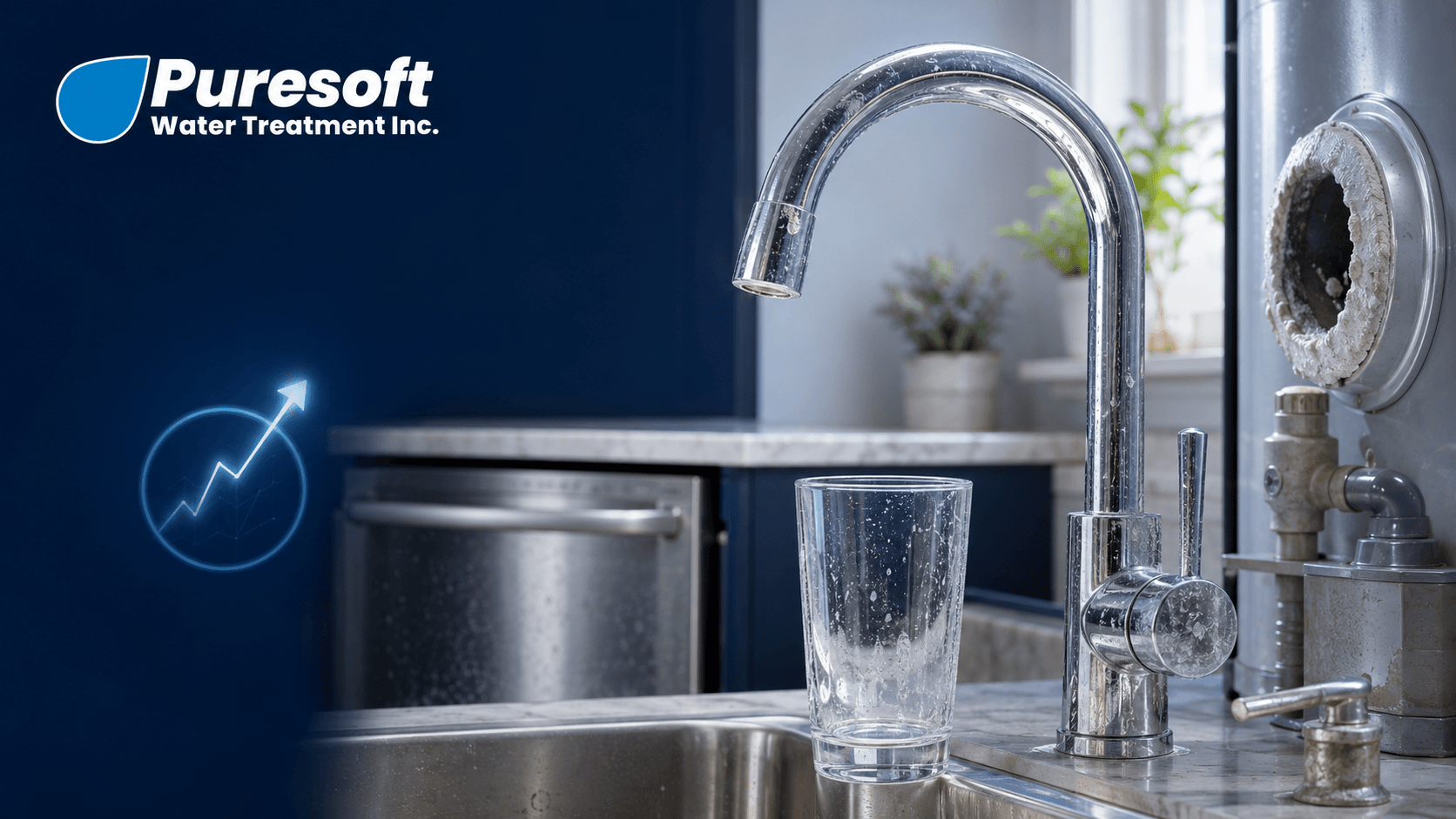
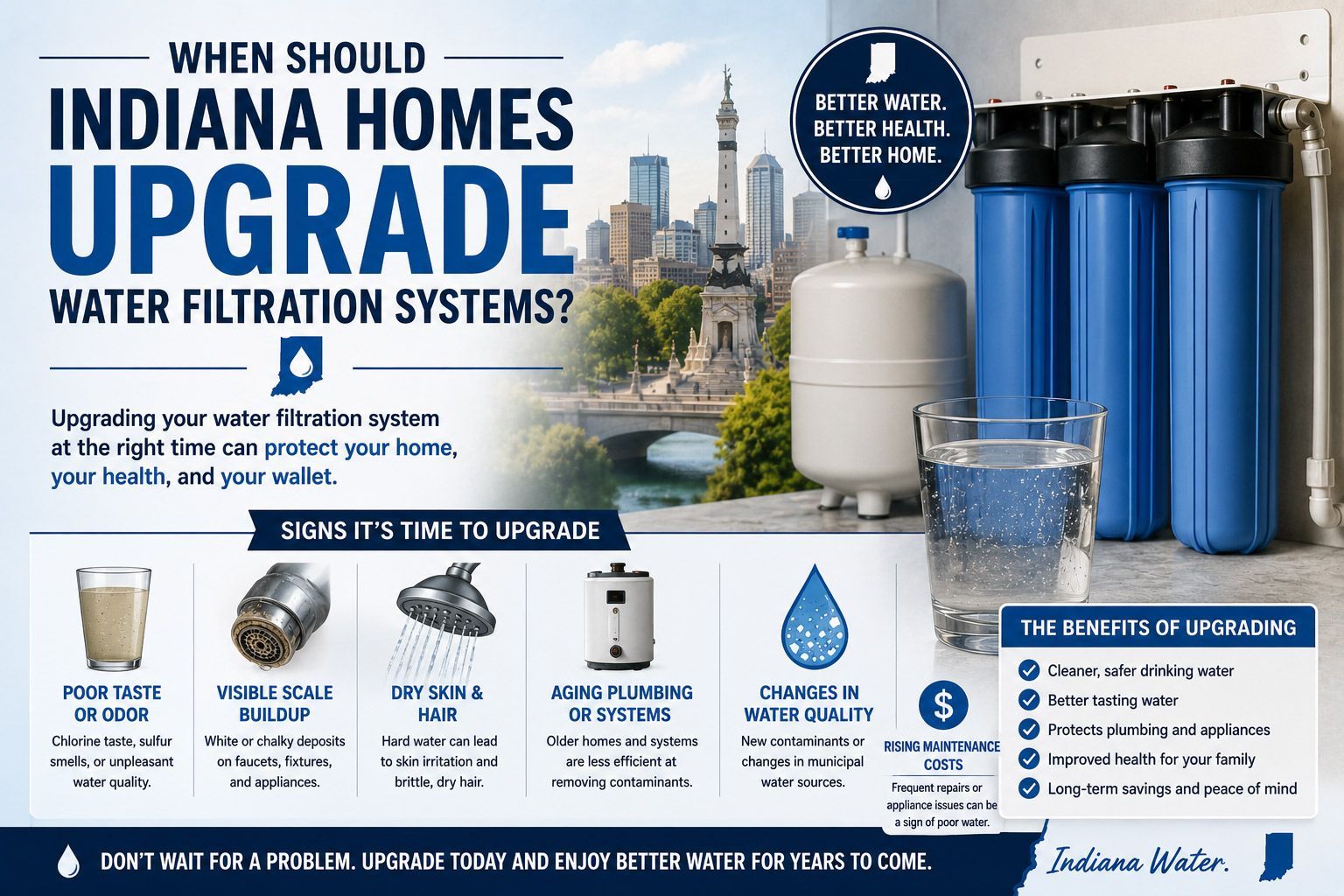
Imagine filling a glass from your kitchen tap, but instead of clear, crisp water you taste chlorine or detect a faint metallic hint. Or maybe you’ve noticed white spots on dishes, mineral buildup on faucets, or that your coffee tastes a bit off.
Many Franklin homeowners experience these subtle water issues without realizing that the right water filter can completely change their daily water experience.
This guide will walk you through how to choose the best water filter for your Franklin, IN home — including understanding your water, choosing the right filtration method, and knowing what to look for when buying or installing a system.
Understanding Water Filtration and Why It Matters
A water filter is designed to remove unwanted substances from your water — such as chlorine, iron, sediment, and other contaminants. The result is water that’s cleaner, safer, and better-tasting.
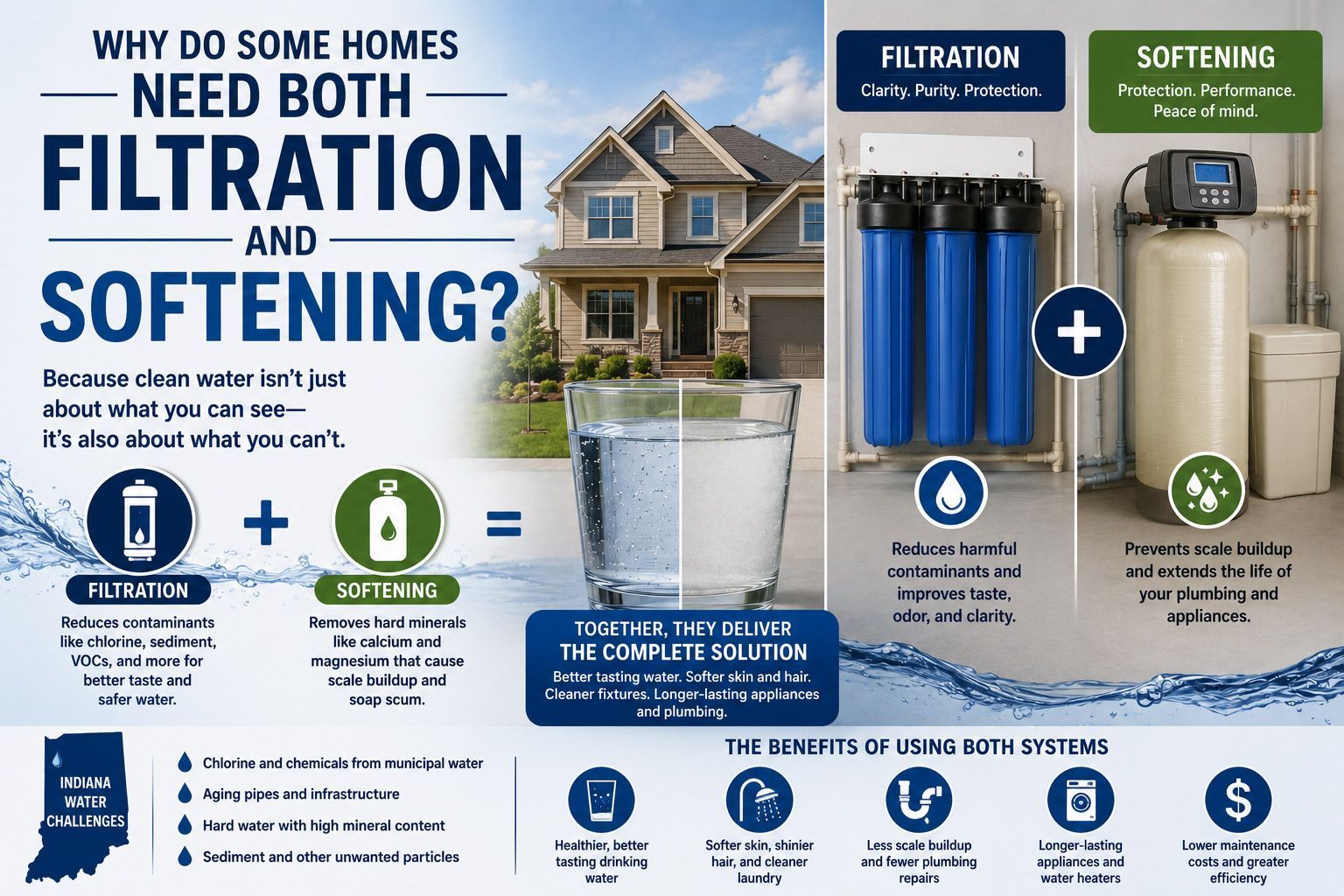
In the Franklin area, many homes deal with challenges like:
- Chlorine or chloramine from municipal treatment
- Iron or sulfur if using well water
- Hard minerals such as calcium and magnesium
- Sediment, cloudiness, or unpleasant odors
Water quality issues vary depending on your source (municipal vs. well) and plumbing. That’s why the right filtration solution should be customized for your home’s specific needs rather than one-size-fits-all.
Key Factors When Choosing a Water Filter
Before investing in any system, it’s important to know what you’re solving for. The following factors will help guide your decision.
Water Quality and Testing
Start with a professional water test. Without testing, you’re only guessing which contaminants are present. A proper test identifies:
- Types and levels of contaminants
- Whether your water source is municipal or well-based
- Issues like hardness, iron, or chlorine presence
Knowing your water composition helps you choose the right technology and avoid buying features you don’t need.
Filter Type and Technology
Different filters target different issues. Here are the main types to consider and when they’re useful:
- Activated Carbon Filters – Great for improving taste and odor by removing chlorine and some organic compounds.
- Sediment Filters – Capture dirt, sand, and rust particles that can clog appliances or faucets.
- Reverse Osmosis (RO) Systems – Remove a wide range of contaminants like lead, nitrates, and dissolved solids.
- Iron and Sulfur Filters – Specifically designed to treat metallic taste or rotten-egg odors from well water.
- Ultraviolet (UV) Systems – Disinfect water by neutralizing bacteria and viruses, ideal for well users.
Flow Rate and Capacity
Every household uses water differently. A good system should handle your home’s maximum flow rate (like when multiple taps run at once) without reducing pressure. Consider:
- Number of bathrooms
- Peak usage times
- Household size
Maintenance and Costs
Even the best filters need maintenance. Review replacement schedules, part costs, and ease of upkeep before purchasing. Ask:
- How often do cartridges or filters need changing?
- Are parts readily available locally?
- Can you perform maintenance yourself, or is a service visit required?
Certifications and Quality
Look for filters certified by NSF or ANSI for specific contaminant reduction claims. Certifications confirm that the product performs as advertised and meets safety standards.
Integration with Other Systems
If you already have a water softener, iron filter, or UV disinfection system, make sure your new filter complements those systems. Placement in the plumbing line (before or after softening) can impact performance.
Local Support and Service Availability
Working with a trusted local provider means easier installation, better support, and quicker service. Franklin homeowners benefit from nearby specialists who understand local water conditions and regulations.
Step-by-Step Guide to Choosing the Right Water Filter
To make your decision easier, follow this clear process:
Step 1: Conduct a Comprehensive Water Test
Begin with a detailed test covering hardness, sediment, iron, sulfur, chlorine, heavy metals, and possible bacterial presence. This gives you an accurate picture of what needs fixing.
Step 2: Identify Your Priority Issues
Decide what matters most — taste, odor, sediment, iron stains, or health concerns. Prioritizing contaminants helps narrow your choices.
Step 3: Match the Filter to the Problem
Use your test results to pick the technology that targets your top issues. For instance, activated carbon is great for chlorine taste, while RO handles dissolved contaminants.
Step 4: Size the System Correctly
Choose a system that fits your home’s flow and daily water usage. Undersized systems can reduce pressure and wear out faster.
Step 5: Review Maintenance Needs and Costs
Calculate annual upkeep costs, including replacement parts, labor, or salt if applicable. Consider the long-term cost of ownership, not just the upfront price.
Step 6: Verify Product Certifications
Ensure any system you choose is certified for the contaminants it claims to remove. This ensures reliable performance and peace of mind.
Step 7: Confirm Local Installation and Service
Select a local installer or water treatment company that offers installation, maintenance, and emergency service in Franklin and surrounding areas.
Step 8: Monitor and Maintain Regularly
Once installed, follow maintenance schedules closely. Replace filters as recommended, and retest your water periodically to verify ongoing performance.
Frequently Asked Questions
What’s the difference between a water filter and a water softener?
A filter removes contaminants like chlorine, iron, or sediment, while a softener reduces hardness minerals to prevent scaling on pipes and fixtures.
Do I need a whole-house filter or just one under the sink?
If you only care about drinking water, a point-of-use filter works. If you want to improve water quality for every tap, laundry, and shower, a whole-house system is better.
How often should I replace water filters?
Most filters last between six months and two years, depending on water quality and usage. Always follow the manufacturer’s maintenance schedule.
Can a water filter remove bacteria?
Some can, especially reverse osmosis or UV systems. Standard carbon filters, however, don’t protect against bacteria or viruses.
Will installing a water filter affect my water pressure?
If your system is too small or the filter is clogged, yes. A properly sized and maintained system should maintain normal water pressure.
Conclusion
Choosing the right water filter for your Franklin, IN home involves understanding your water’s composition, prioritizing the contaminants you want to remove, and selecting a properly sized system that fits your lifestyle.
By focusing on testing, technology, and local service, you can enjoy cleaner, safer water and longer-lasting appliances. A professional water treatment provider can help you test, select, and maintain the ideal system for your home.