Free Water Test: Protect Your Family's Health Today
March 3, 2025
Clean water is essential for our daily lives. We use it for drinking, cooking, cleaning, and bathing. But how sure are you that the water flowing from your taps is safe? Many homeowners assume their water is fine because it looks clear or doesn't taste strange.
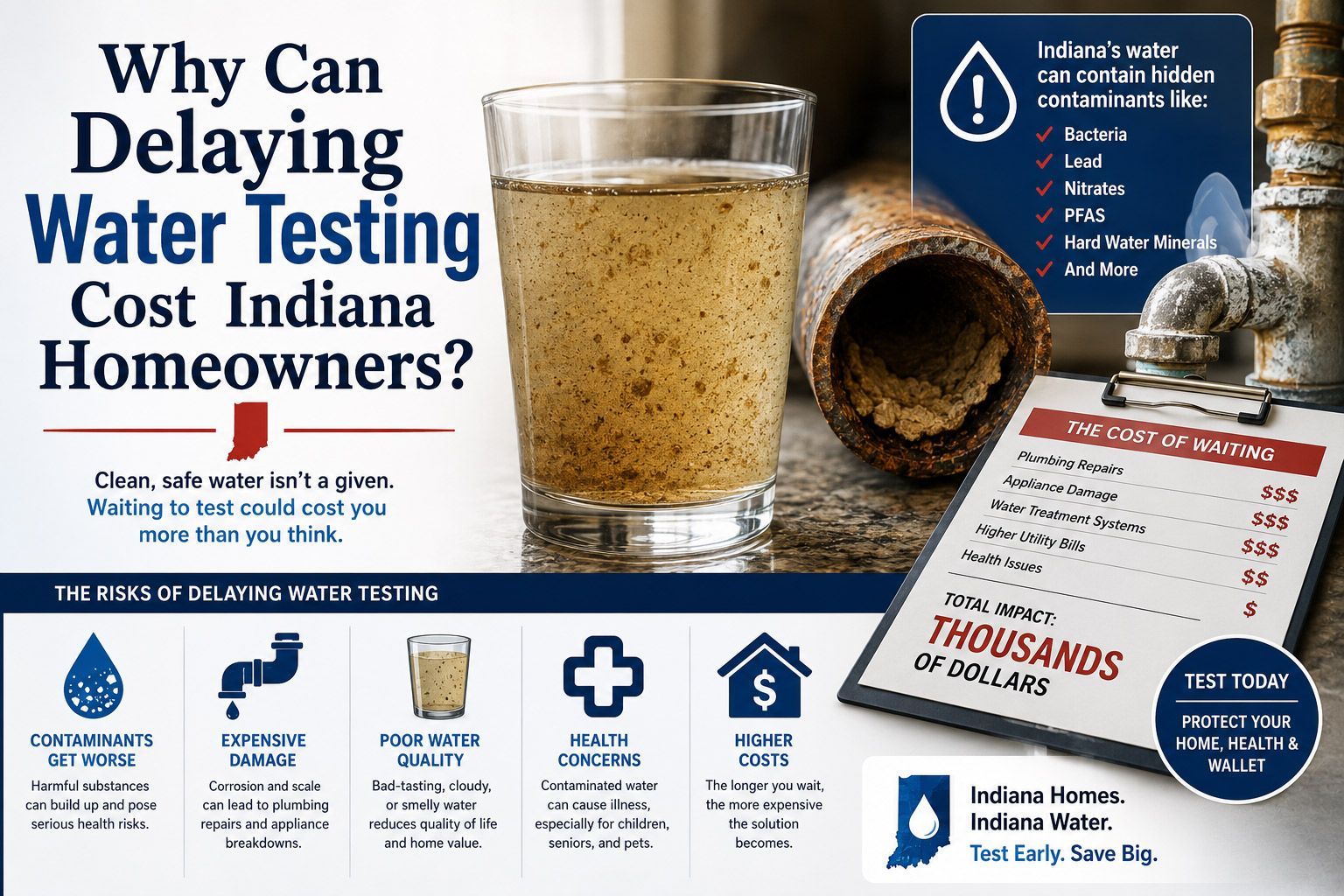
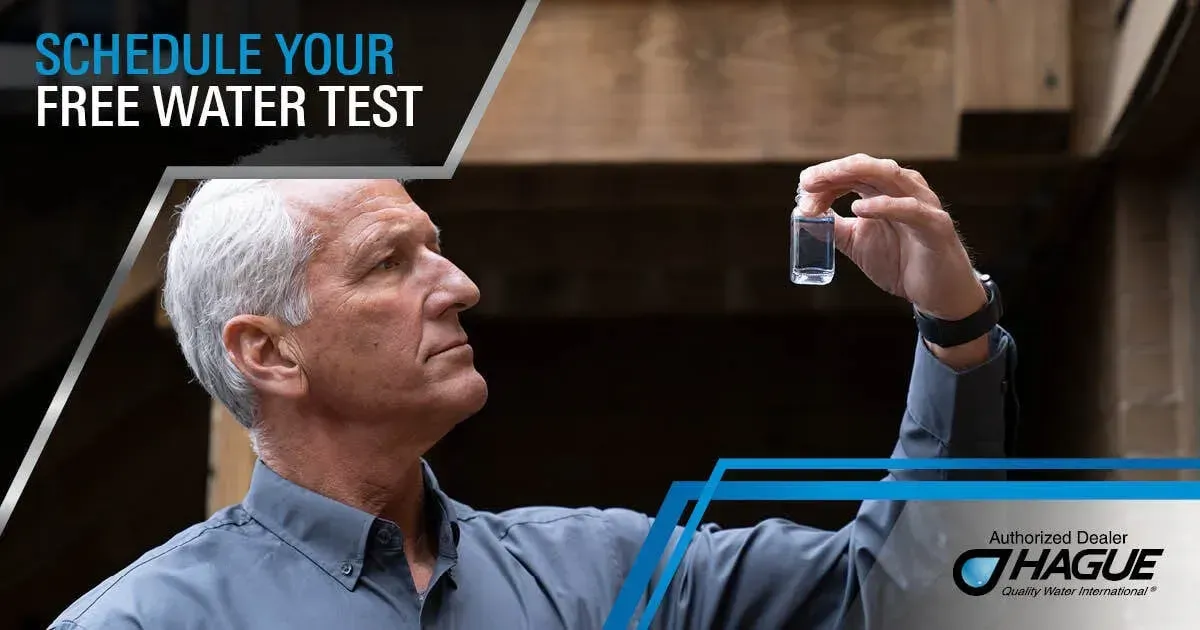
You should schedule a free water test today because it's the only reliable way to know if your water contains harmful contaminants that could affect your family's health. Testing reveals invisible threats like lead, bacteria, and chemicals that regular observation can't detect.
Water quality issues are more common than most people think. According to recent data, millions of Americans drink water that doesn't meet safety standards. Don't leave your family's health to chance when a simple test can give you peace of mind and protect your loved ones.
Understanding the Importance of Water Quality
Water quality directly impacts your health and wellbeing. Contaminated water can cause immediate problems like stomach issues, skin rashes, and respiratory concerns. Long-term exposure to certain contaminants has been linked to serious health conditions including kidney damage and developmental issues in children.
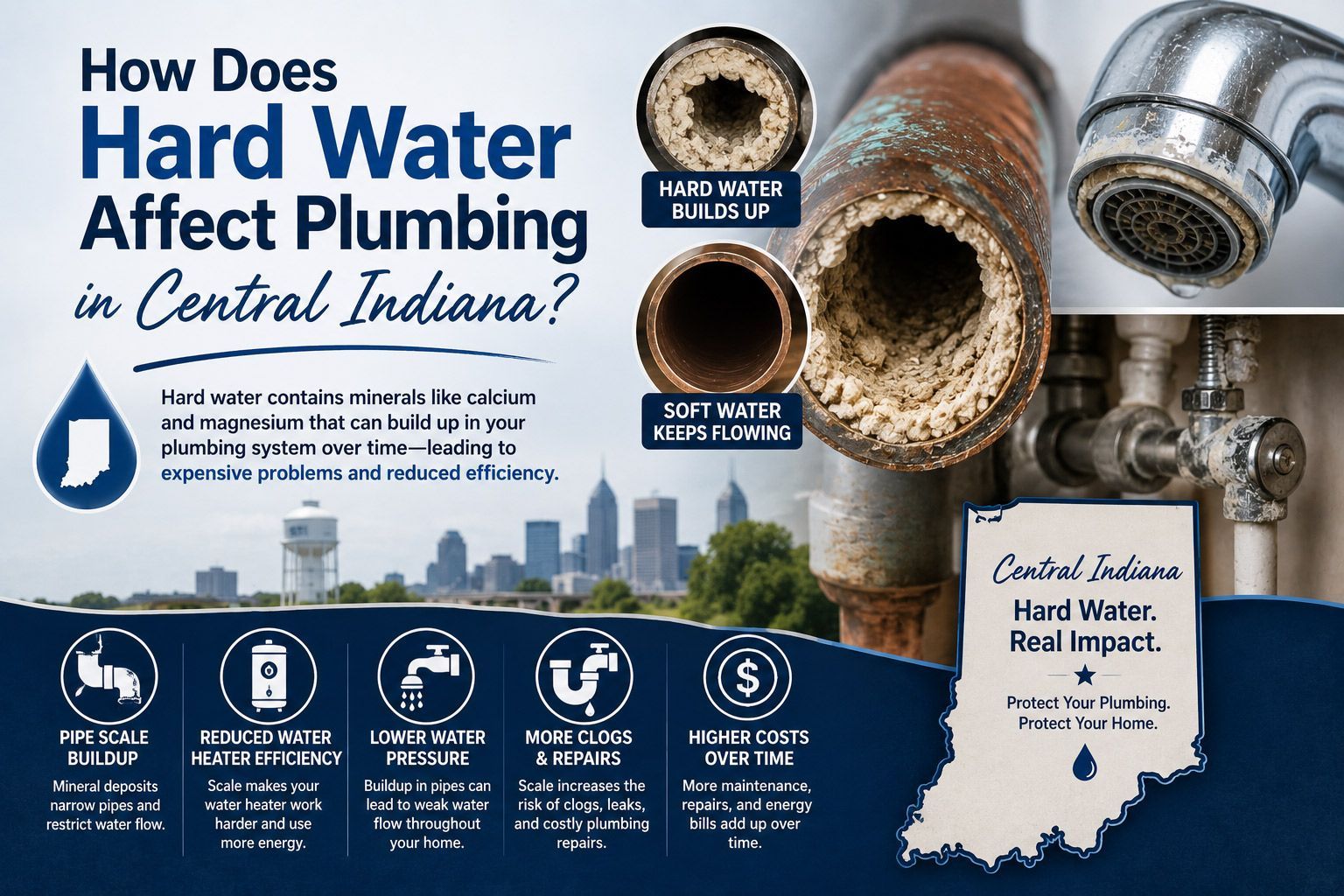
Common water quality problems in homes include hardness (high mineral content), acidity, sediment, and the presence of harmful bacteria. These issues vary by location, with some regions facing higher risks of specific contaminants based on local infrastructure and environmental factors.
National studies show that up to 45 million Americans get their water from sources that don't meet safety guidelines. Even municipal water systems can have problems, especially as they travel through older pipes on the way to your home. The only way to know for sure what's in your water is to test it.
5 Warning Signs Your Water Needs Testing
Pay attention to these signals that might indicate water problems:
- Strange taste or smell - Metallic, sulfur (rotten egg), or chlorine smells are red flags.
- Discolored water - Brown, yellow, or cloudy water suggests potential contamination.
- Plumbing stains - Blue-green stains in sinks, toilet bowls, or bathtubs often indicate copper corrosion, while brown or red stains point to iron in water.
- Frequent stomach problems - If family members experience unexplained digestive issues, your water could be the culprit.
- Dry skin and hair - Hard water can leave skin feeling itchy and hair looking dull after showering.
If you notice any of these signs, don't wait. Schedule a free water test right away to identify the cause.
Common Contaminants Found in Household Water
Heavy Metals
Lead and copper often enter drinking water through old pipes and fixtures. Even low levels of lead exposure can cause serious health problems, especially in children, affecting brain development and behavior. Homes built before 1986 have a higher risk of lead in plumbing.
Arsenic and chromium can occur naturally in groundwater or come from industrial pollution. These metals have been linked to cancer and other serious health conditions when consumed over time.
Microorganisms
Bacteria like E. coli and viruses can enter water supplies through sewage leaks or agricultural runoff. These microorganisms can cause immediate illness with symptoms including nausea, cramps, and diarrhea.
Parasites such as Giardia and Cryptosporidium are resistant to chlorine treatment and can cause severe digestive problems. These tiny organisms can live in your water system for months, posing ongoing health risks.
Chemical Contaminants
Pesticides and fertilizers from farms and lawns can seep into groundwater. These chemicals have been linked to hormone disruption and other health concerns.
Industrial chemicals including PFAS (often called "forever chemicals") don't break down in the environment and have been found in water systems across the country.
Chlorine byproducts form when chlorine used to treat municipal water reacts with organic matter, creating compounds that may increase cancer risk over long-term exposure.
Benefits of Scheduling a Free Water Test
Health Protection
A professional water test provides early detection of harmful substances before they cause health problems. Finding contaminants early means you can address them before exposure becomes dangerous.
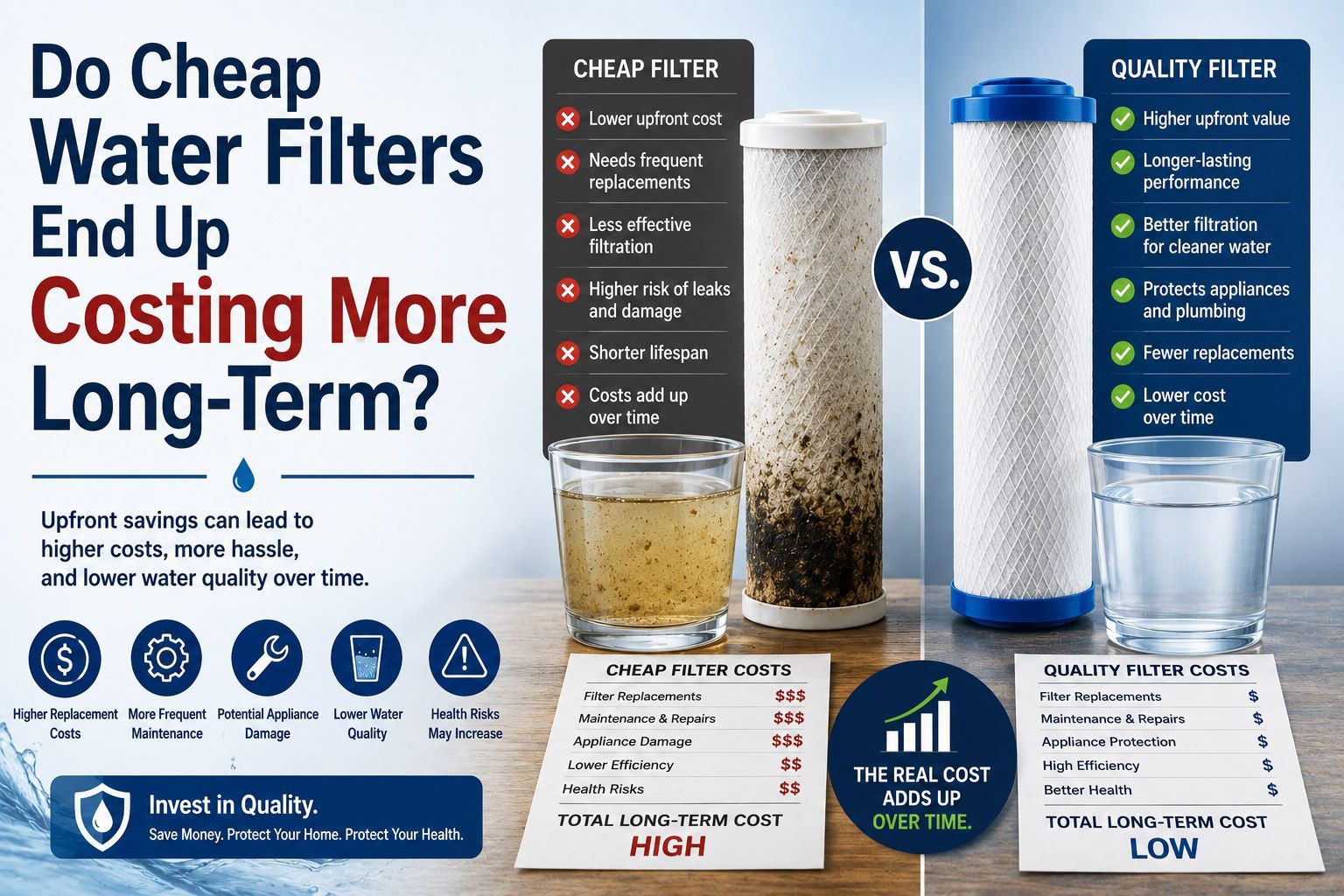
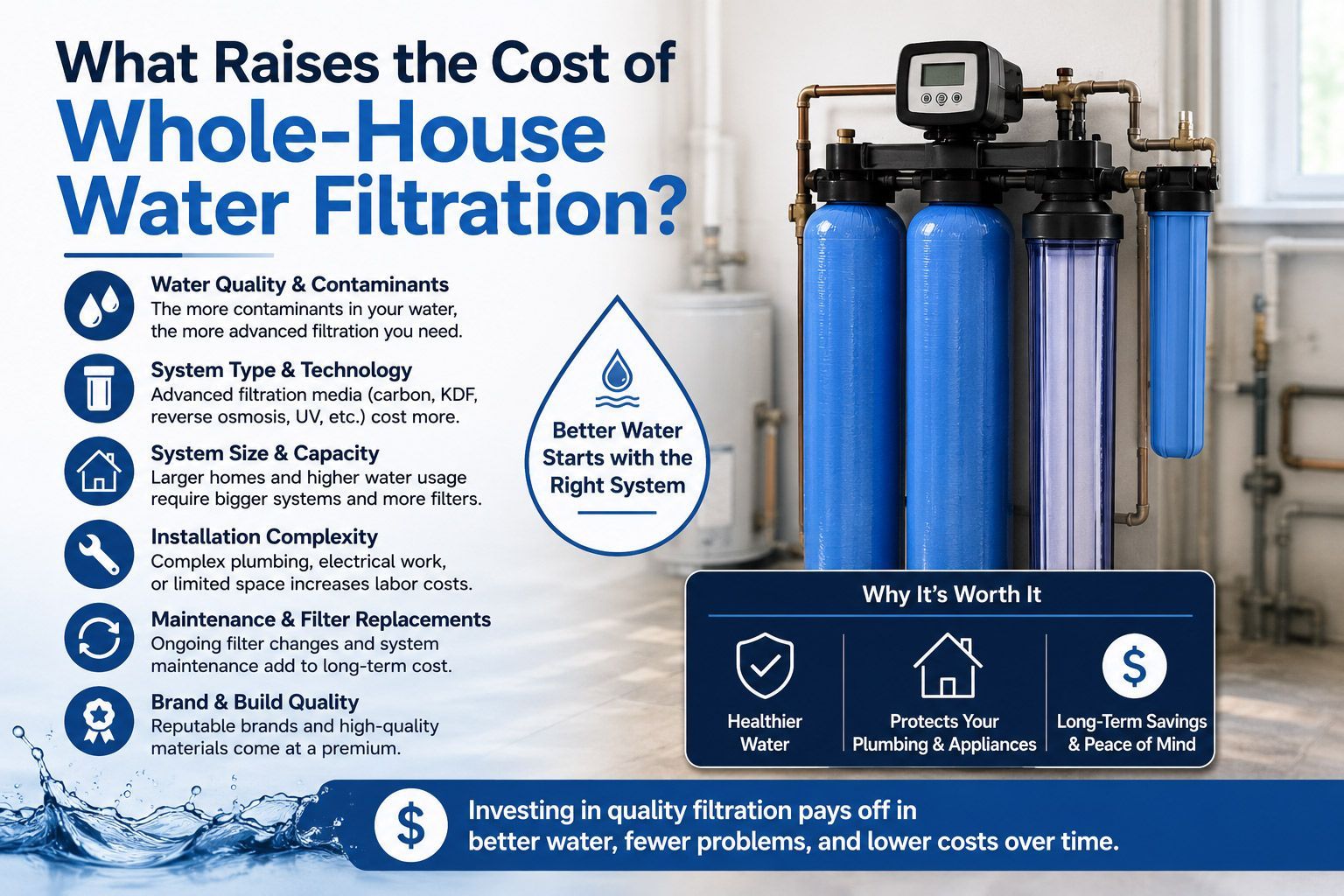
Tests lead to customized solutions for your specific water issues. Rather than guessing what treatment might help, you'll know exactly what problems need fixing and can choose the right system for your home's unique needs.
Financial Savings
Clean water helps in preventing plumbing damage caused by corrosive water or mineral buildup. This saves expensive repairs and extends the life of your pipes.
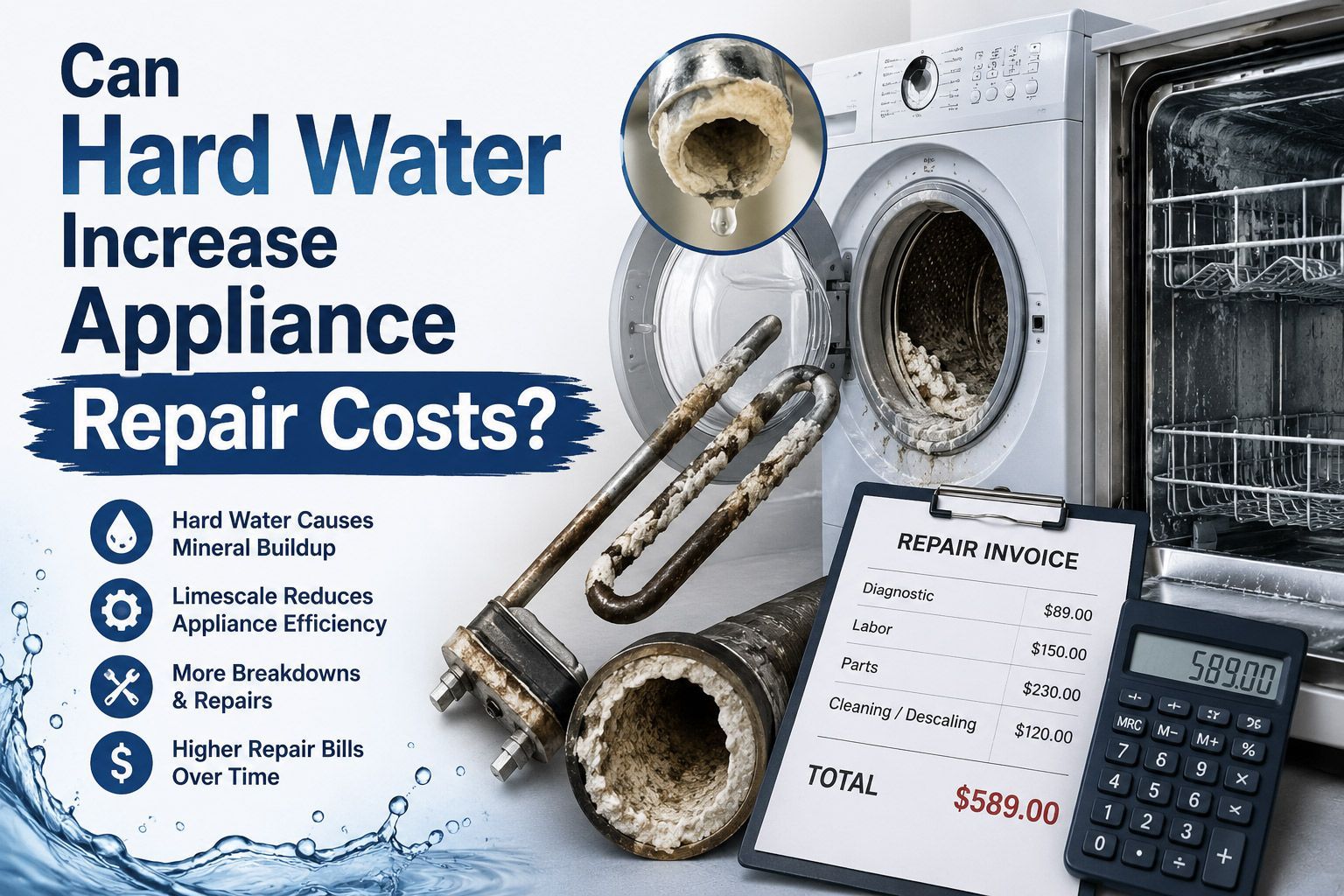
Proper water treatment also means extending appliance lifespan. Appliances like water heaters, dishwashers, and washing machines last longer when they're not dealing with hard water or sediment.
You'll also save money by avoiding bottled water expenses. Many families spend hundreds of dollars yearly on bottled water due to concerns about tap water quality. Fixing your water system can eliminate this cost.
Peace of Mind
A comprehensive water test gives you the benefit of knowing exactly what's in your water. No more wondering if invisible contaminants are affecting your family.
You'll gain confidence in your home's water safety for all uses - from drinking to bathing. This peace of mind is especially important for households with children, elderly members, or pregnant women.
What to Expect During a Professional Water Test
The testing process is quick and non-disruptive. A water quality expert will collect samples from various faucets in your home. They might also check your well or water entry point if you have one.
Standard tests measure many important factors including:
- pH levels
- Hardness
- Chlorine content
- Total dissolved solids
- Bacteria presence
- Common contaminants like lead, iron, and nitrates
Most companies provide results within 3-7 days after testing. The water specialist will then explain what the numbers mean for your household and recommend appropriate solutions if needed.
DIY vs. Professional Water Testing: Pros and Cons
Home test kits have limitations. While they might detect basic issues like hardness or chlorine levels, they often miss dangerous contaminants that require specialized equipment to identify. These kits also don't provide expert interpretation of results.
Professional analysis offers comprehensive testing using advanced equipment. Trained technicians can spot problems that DIY tests miss and provide expert advice on the best solutions based on your specific results.
The cost comparison makes professional testing the better value. Many companies offer free initial water tests, while comprehensive DIY kits can cost $50-$300 and still provide limited information. When the professional test is free, there's little reason to choose the DIY route.
How to Schedule Your Free Water Test Today
The booking process is simple. Just call a trusted local water treatment company like Puresoft Water Treatment Inc. to set up an appointment at a time that works for you.
There's no obligation to purchase anything after your test. The information is yours to keep regardless of whether you decide to get a water treatment system.
Before your appointment, prepare by making a list of any water issues you've noticed and questions you have. It also helps to avoid using water softeners or filters for 24-48 hours before testing to get the most accurate results.
Take Action for Cleaner, Safer Water
Your family deserves clean, safe water. A free water test is the first step toward protecting their health and your home. Don't wait for visible problems to appear - many water contaminants can't be seen, smelled, or tasted.
Take control of your water quality today. It only takes a few minutes to schedule a test, but the benefits of clean water last a lifetime.
Ready for crystal-clear, healthy water throughout your home?
Contact Puresoft Water Treatment Inc. today to schedule your FREE, no-obligation water quality test. Our experts will analyze your water and recommend the perfect solution from our comprehensive line of water treatment systems, including our popular Watermax and Hydroclean H3 water softeners and H6000 water filters.
Call us now - because your family deserves nothing less than the purest water possible!