How Does Hard Water Affect Plumbing in Central Indiana?
August 23, 2026
Introduction
In many Central Indiana homes, hard water is treated like a normal part of daily life. White residue around faucets gets scrubbed away, soap takes longer to rinse off, and water spots constantly return no matter how often surfaces are cleaned.
What homeowners often do not see is what hard water may be doing inside the plumbing system itself.
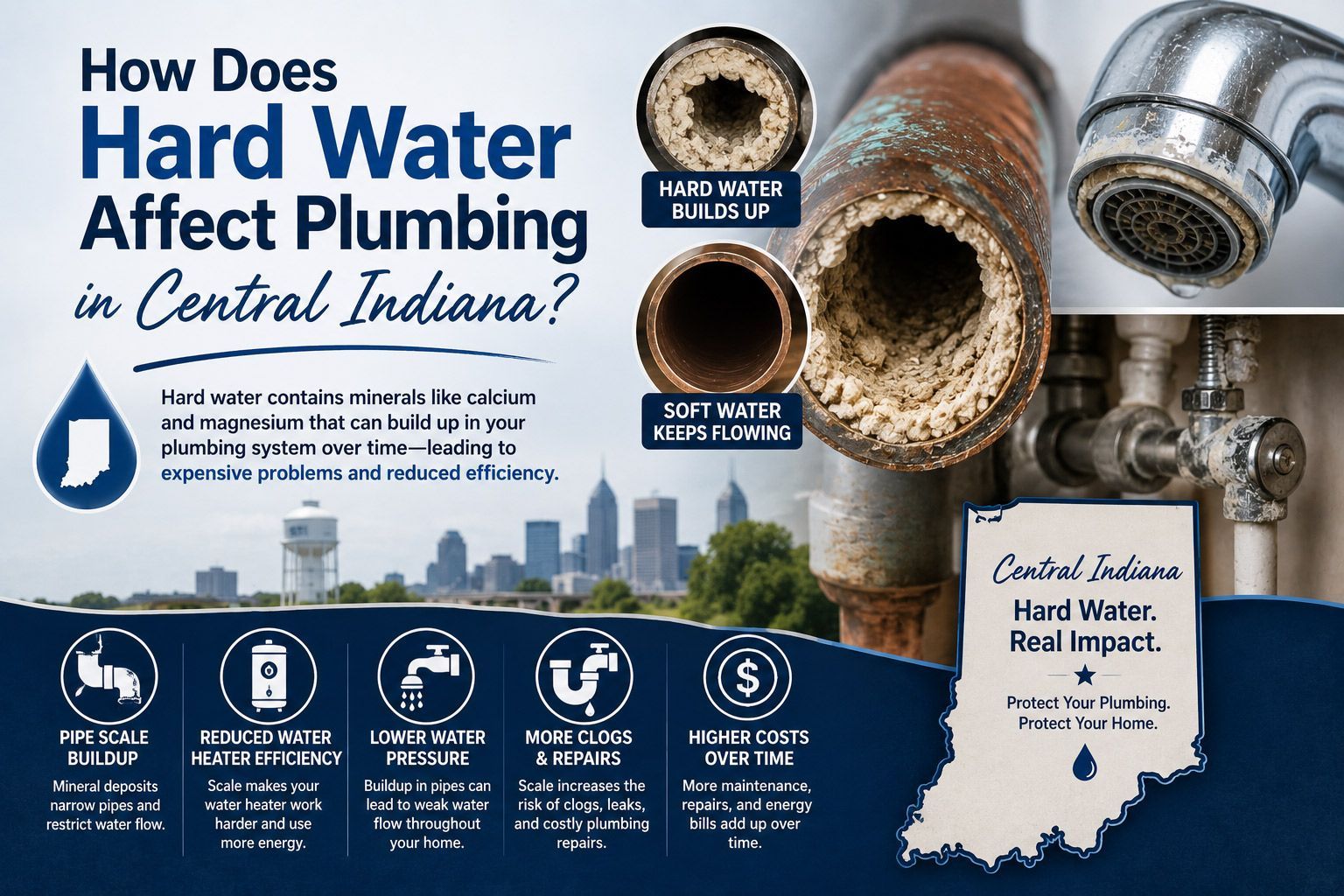
As mineral-heavy water moves through pipes year after year, calcium and magnesium deposits slowly begin collecting along interior plumbing surfaces. The effects are usually gradual at first, which is why many homeowners do not connect water quality to plumbing performance until bigger problems start appearing.
In Central Indiana, where hard water is common in many areas, untreated mineral buildup can affect water pressure, appliance efficiency, fixture lifespan, and long-term plumbing maintenance throughout the home.
Hard Water Leaves Mineral Deposits Inside Pipes
Hard water contains elevated levels of dissolved minerals, primarily calcium and magnesium. When water repeatedly moves through plumbing systems, those minerals begin attaching to interior pipe surfaces.
The buildup does not happen overnight. It develops slowly through years of normal water usage.
Scale Buildup Narrows Water Flow
As mineral deposits thicken inside pipes, less space remains for water to move freely through the plumbing system.
Over time, homeowners may notice:
- Reduced water pressure
- Slower faucet flow
- Uneven shower pressure
- Longer appliance fill times
In older Indiana homes, the combination of aging plumbing and mineral accumulation can make these restrictions more noticeable.
Smaller Pipes Often Show Problems Faster
Hard water buildup tends to affect narrower plumbing passages more aggressively.
This commonly includes:
| Plumbing Area | Common Hard Water Effect |
|---|---|
| Faucet aerators | Restricted water flow |
| Showerheads | Mineral clogging |
| Supply lines | Reduced circulation |
| Appliance valves | Scale accumulation |
| Ice maker lines | Restricted water movement |
The smaller the opening, the easier it becomes for mineral deposits to interfere with normal flow.
Water Heaters Commonly Experience Heavy Mineral Accumulation
Among all household systems, water heaters are often affected the most by hard water conditions.
Heat accelerates mineral separation inside the tank, allowing scale to form more rapidly.
Sediment Collects at the Bottom of the Tank
As heated minerals separate from the water supply, sediment gradually settles inside the heater.
This buildup may eventually lead to:
- Rumbling or popping sounds
- Reduced heating efficiency
- Longer hot water recovery times
- Increased energy usage
The water heater often continues operating while efficiency quietly declines over time.
Heating Components Work Harder
Mineral buildup around heating elements creates an insulating barrier between the heating source and the water itself.
That forces the system to use more energy while placing additional stress on internal components.
In many Central Indiana homes, water heater problems linked to hard water develop slowly enough that homeowners mistake them for normal appliance aging.
Hard Water Can Shorten Fixture Lifespan
Plumbing fixtures constantly exposed to mineral-heavy water often experience additional wear over time.
The issue is not only cosmetic. Hard water buildup may eventually interfere with normal operation as well.
Faucet Components Can Wear Out Faster
Mineral deposits commonly collect around:
- Faucet cartridges
- Valve seals
- Aerators
- Shower diverters
As buildup increases, fixtures may become harder to operate smoothly or begin leaking more frequently.
Showerheads Often Develop Visible Scale First
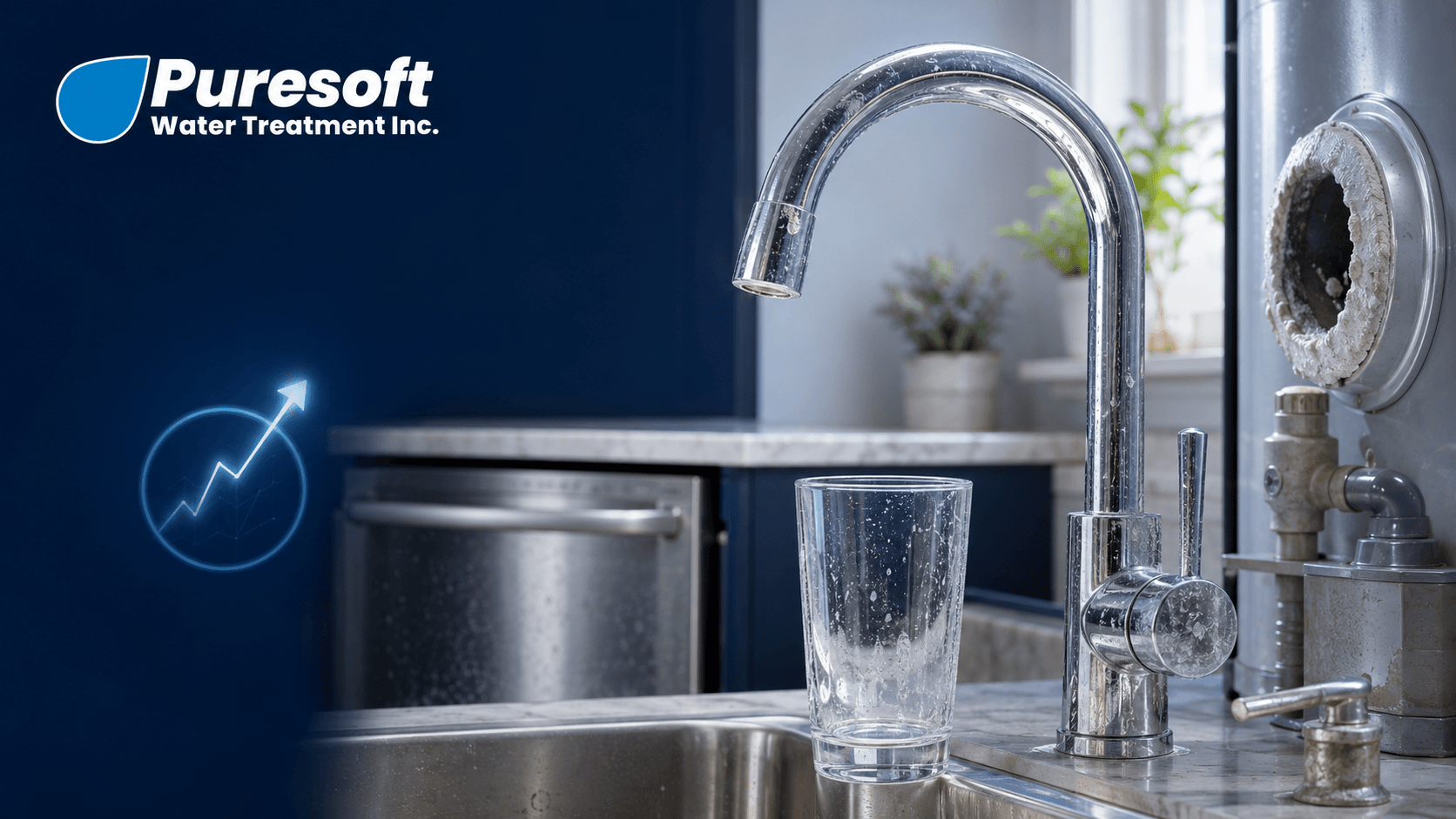
Showerheads are one of the easiest places to notice hard water buildup because mineral deposits collect directly around the spray openings.
Over time, homeowners may see:
- Uneven spray patterns
- Reduced water pressure
- White crust buildup
- Clogged nozzles
These visible symptoms often indicate similar buildup is happening elsewhere inside the plumbing system too.
Hard Water Makes Cleaning More Difficult
The effects of hard water extend beyond pipes and appliances. Many homeowners notice the impact during normal cleaning routines throughout the house.
Soap Does Not Rinse Away Easily
Hard water minerals interfere with how soap dissolves and rinses from surfaces.
This may contribute to:
- Soap scum buildup
- Cloudy glassware
- Residue on sinks and tubs
- Dingy laundry
As a result, homeowners may use more cleaning products while still struggling to achieve the same results.
Mineral Spots Return Repeatedly
Even after surfaces are cleaned, hard water deposits often return quickly because the minerals remain present in the water supply itself.
This becomes especially frustrating around:
- Glass shower doors
- Stainless fixtures
- Dishes
- Bathroom sinks
Without addressing the underlying water condition, the buildup cycle continues repeatedly.
Plumbing Repairs Can Become More Frequent
Hard water usually does not create one major plumbing failure immediately. Instead, it contributes to gradual wear across multiple systems over time.
Mineral Accumulation Adds Stress to Plumbing Components
Scale buildup may increase strain on:
| Plumbing Component | Possible Long-Term Effect |
|---|---|
| Valves | Restricted movement |
| Water heaters | Reduced lifespan |
| Appliances | Higher maintenance frequency |
| Pipes | Reduced water flow |
| Fixtures | Premature wear |
The longer untreated hard water remains in the system, the greater the cumulative effect may become.
Older Homes May Experience Greater Impact
Some older homes in Central Indiana already have aging plumbing systems with reduced interior pipe diameter from years of use.
Hard water buildup can worsen existing plumbing limitations by further restricting water movement through older pipes.
Water Softeners Help Reduce Mineral Exposure
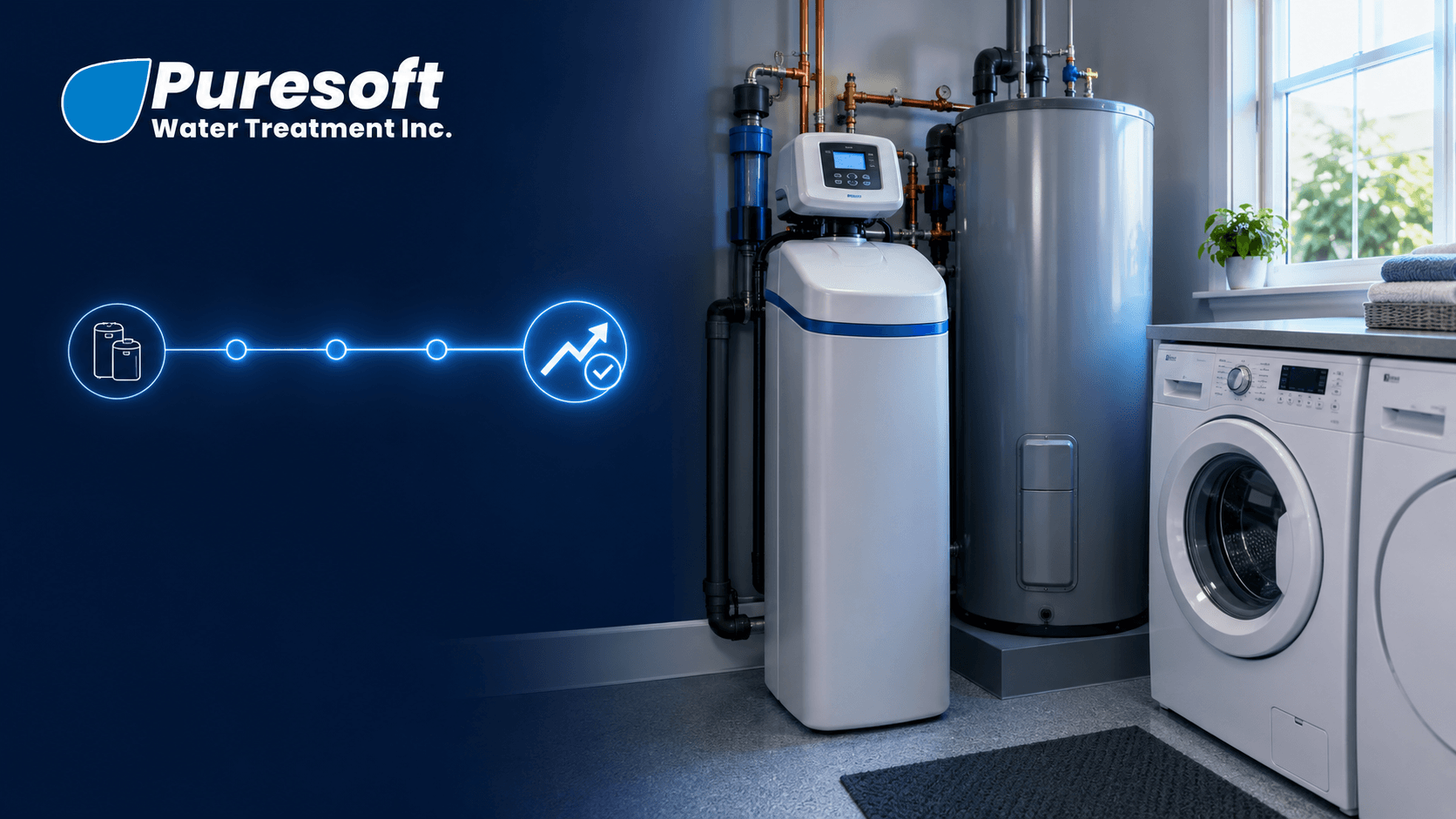
Many homeowners install water softeners specifically to reduce the amount of calcium and magnesium entering the plumbing system.
Softening systems replace hardness minerals before the water circulates throughout the house.
Reduced Mineral Content Helps Protect Plumbing
Softened water may help reduce:
- Scale buildup
- Appliance strain
- Fixture residue
- Sediment accumulation
This often improves long-term plumbing efficiency and reduces ongoing mineral exposure inside the home.
Water Treatment Helps Appliances Too
Because softened water moves through the entire plumbing system, the benefits often extend into appliances such as:
- Water heaters
- Dishwashers
- Washing machines
- Coffee makers
Reducing mineral buildup helps these systems operate more efficiently over time.
Hard Water Problems Often Go Unnoticed for Years
One reason hard water creates long-term plumbing costs is because the damage usually develops slowly.
Homeowners gradually adapt to symptoms such as:
- Lower water pressure
- Frequent cleaning
- Appliance inefficiency
- Fixture buildup
As a result, many people do not realize how heavily the water condition may be affecting the home until repairs become more serious.
Frequently Asked Questions About Hard Water and Plumbing
Why is hard water common in Central Indiana?
Many areas of Indiana naturally contain groundwater with elevated calcium and magnesium mineral levels.
Can hard water reduce water pressure?
Yes. Mineral buildup inside pipes and fixtures may gradually restrict water flow over time.
Do water heaters wear out faster with hard water?
Hard water can increase sediment buildup inside water heaters, reducing efficiency and increasing wear on components.
Why does hard water leave white residue on fixtures?
The residue comes from calcium and magnesium minerals left behind after water evaporates.
Can water softeners help protect plumbing systems?
Yes. Water softeners help reduce mineral buildup throughout pipes, fixtures, and appliances.
Conclusion
Hard water affects plumbing systems in Central Indiana by allowing calcium and magnesium deposits to build gradually inside pipes, fixtures, water heaters, and household appliances. While the damage often develops slowly, untreated hard water can reduce efficiency, increase maintenance needs, and contribute to higher long-term plumbing repair costs.
For homeowners throughout Central Indiana, understanding how hard water impacts the plumbing system can help prevent larger issues from developing over time. PureSoft Water Treatment Inc. provides water softening and treatment solutions designed to help homeowners manage hard water conditions and improve long-term water quality across the region.