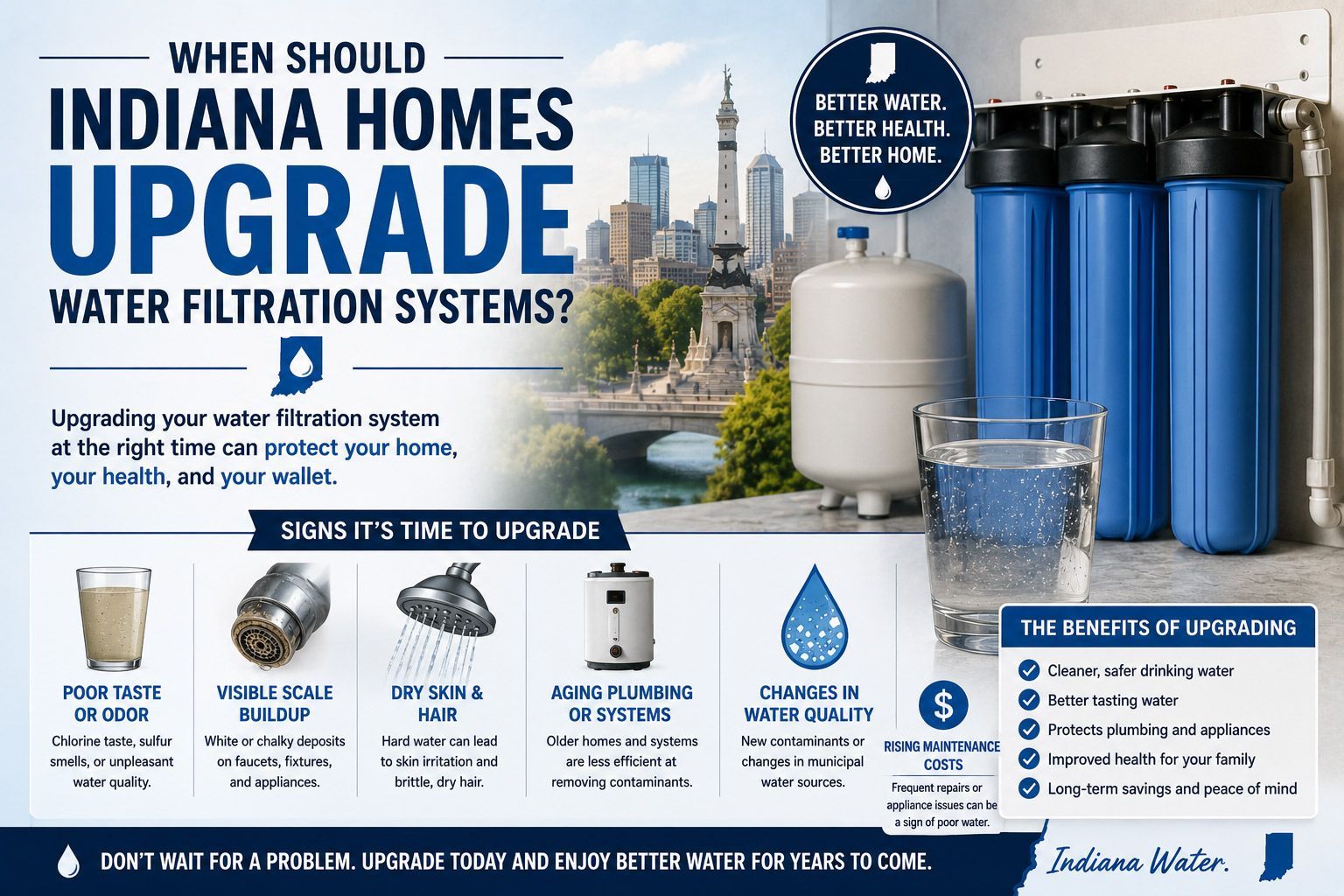
When Should Indiana Homes Upgrade Water Filtration Systems?
August 30, 2026
Introduction
A water filtration system that worked well several years ago may not necessarily be handling a home’s current water conditions effectively anymore. Filters age, household water usage changes, and some systems eventually struggle to keep up with newer plumbing demands or changing water quality.
Many Indiana homeowners wait until something becomes noticeably wrong before thinking about upgrading their filtration system. Water starts tasting different, odors return, filters clog constantly, or appliances begin showing signs of mineral buildup again. In some cases, the system is still running, but it is no longer treating the water efficiently enough for the home’s needs.
Knowing when a filtration system is becoming outdated can help homeowners avoid growing maintenance problems, inconsistent water quality, and unnecessary strain on plumbing and appliances.
Water Quality Problems Returning Is Often the First Sign
One of the clearest indicators that a system may need upgrading is the return of the same water issues the filtration system was originally installed to solve.
This usually happens gradually rather than all at once.
Taste and Odor Changes Often Appear Early
Homeowners sometimes notice subtle differences first, such as:
- Chlorine taste returning
- Metallic flavor in water
- Sulfur odors
- Musty smell from faucets
These symptoms may indicate the system is no longer filtering contaminants effectively or that the existing setup was never designed to handle the current water conditions fully.
Visible Buildup Can Mean Treatment Is Incomplete
Certain visual signs may also suggest filtration performance is declining.
This commonly includes:
| Symptom Around the Home | Possible Water Issue |
|---|---|
| White scale buildup | Hard water minerals |
| Orange staining | Iron content |
| Cloudy water | Sediment problems |
| Soap scum buildup | Mineral-heavy water |
| Spots on dishes | Incomplete treatment |
If these problems begin reappearing consistently, the system may no longer be matching the household’s treatment needs properly.
Household Water Usage May Have Increased
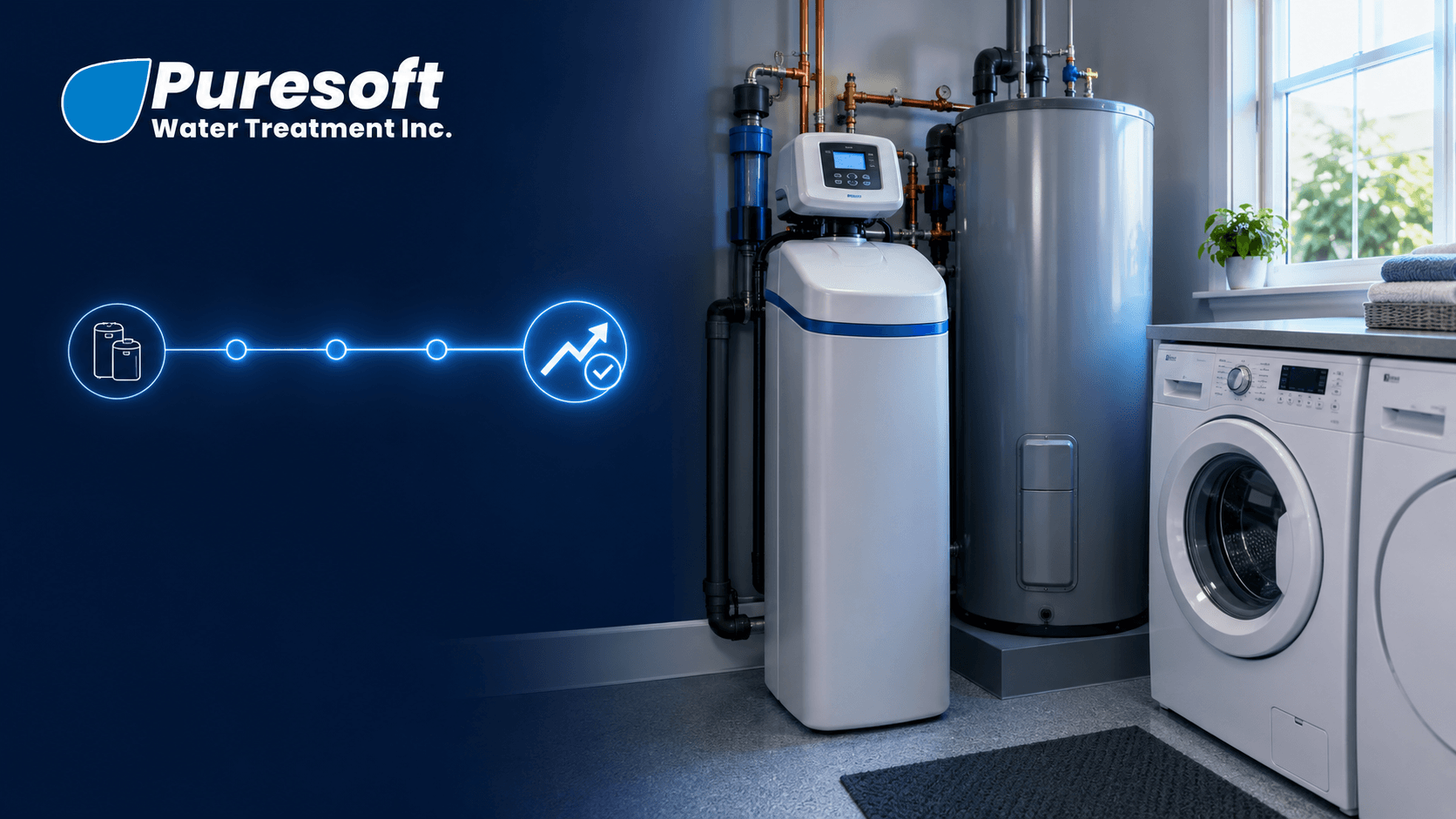
A filtration system sized for a smaller household may struggle once water demand increases.
This often happens gradually as families grow or the home itself changes over time.
Larger Water Demand Creates More Strain
In many Indiana homes, water usage increases because of:
- Additional family members
- Bathroom additions
- Appliance upgrades
- Outdoor irrigation systems
- Higher daily laundry usage
As more water flows through the filtration system, filters and treatment media may wear out faster or lose efficiency more quickly.
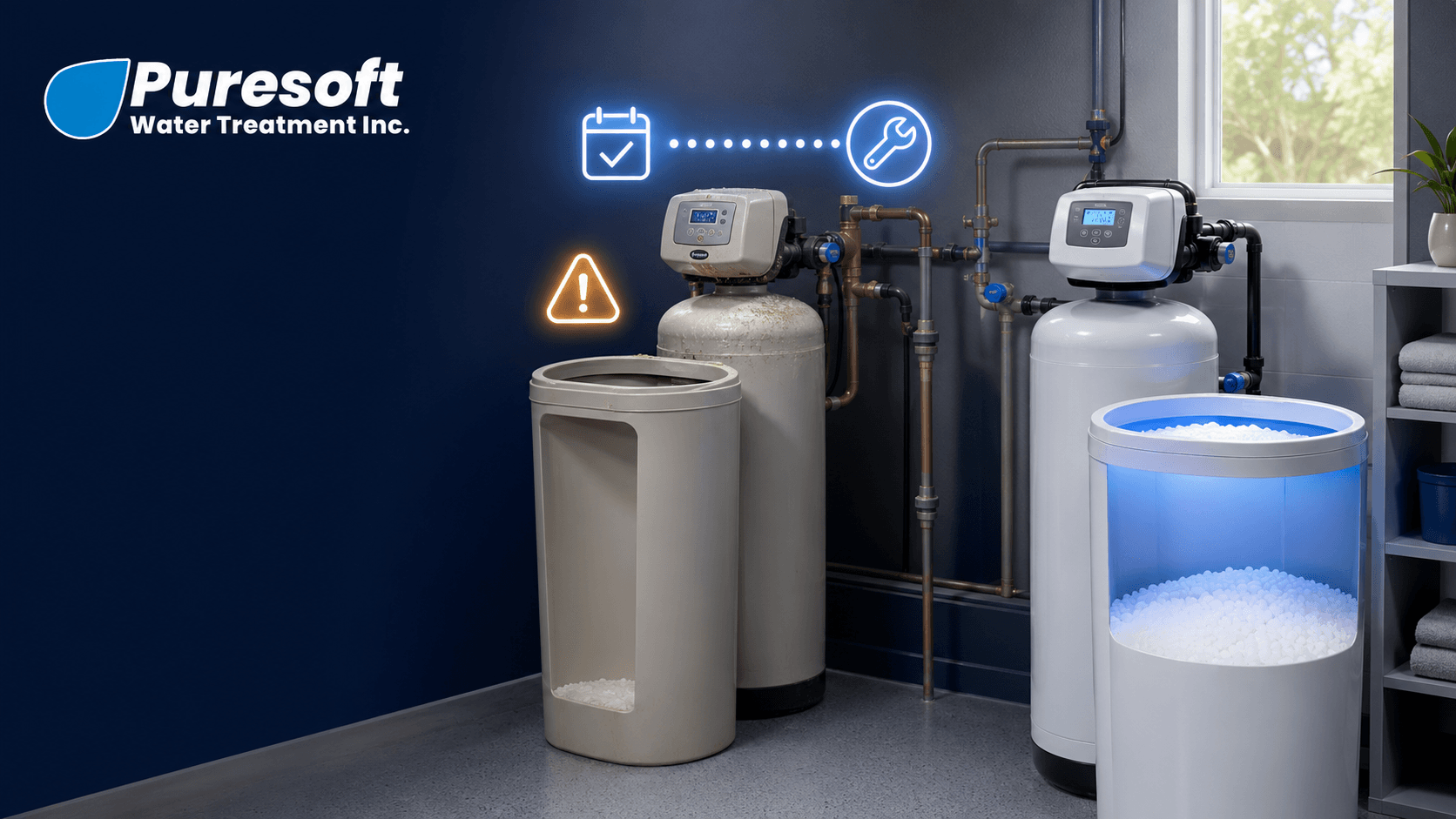
Older Systems May Not Handle Modern Demand Well
Some older filtration systems were installed when the home had significantly lower water usage requirements.
Over time, homeowners may begin noticing:
- Reduced water pressure
- Faster filter clogging
- Inconsistent filtration quality
- Shorter maintenance intervals
The issue is not always total system failure. Often, the system simply no longer has enough capacity for the home’s current workload.
Frequent Maintenance Can Signal an Outdated System
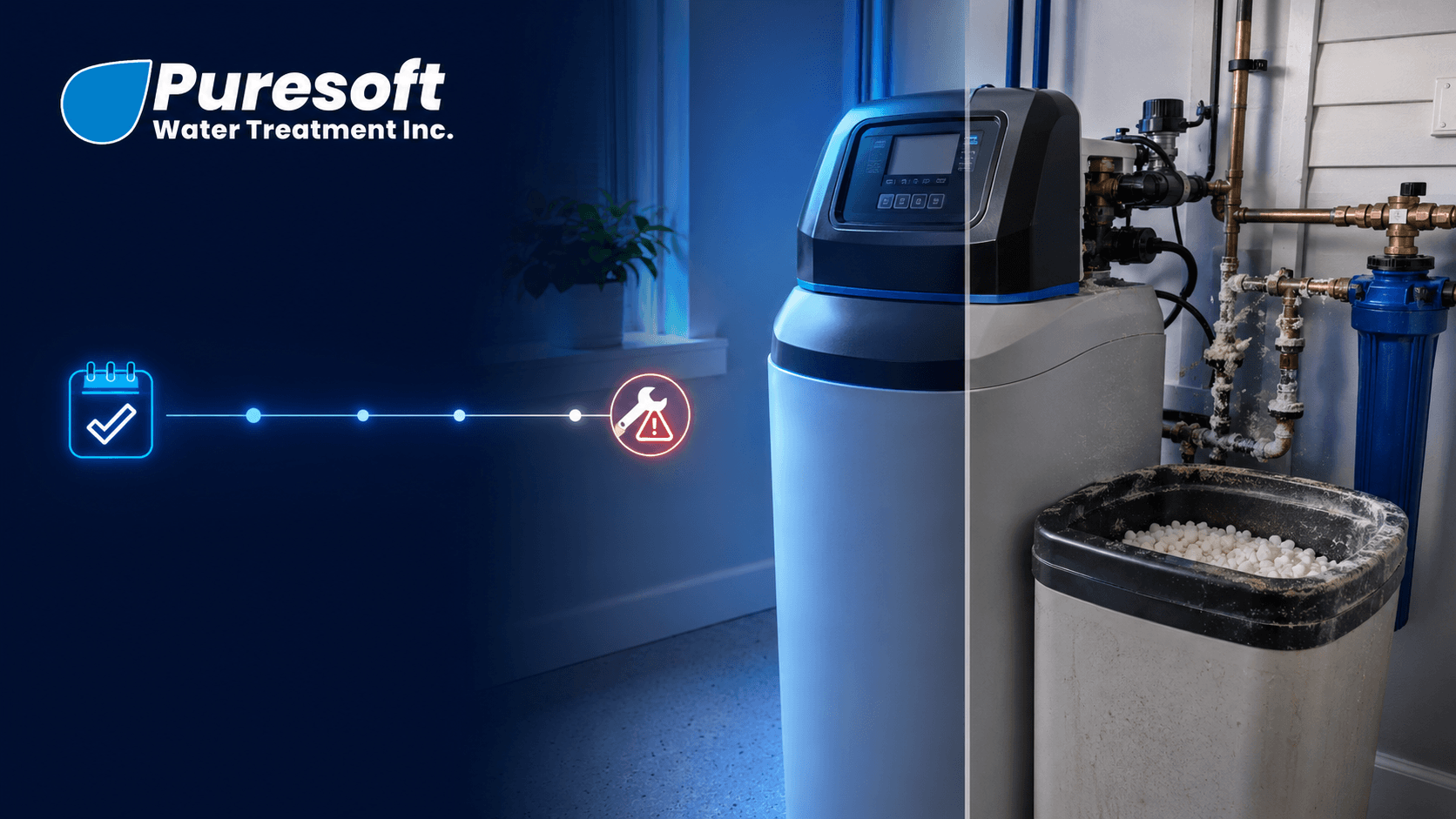
Every filtration system requires maintenance eventually. However, constantly replacing filters or servicing the system may indicate the equipment is no longer operating efficiently.
Replacement Frequency Often Increases Over Time
Homeowners may start noticing that filters clog much faster than they used to.
This may happen because:
- Water conditions changed
- Sediment levels increased
- Household water demand grew
- The system is undersized
- Older components are deteriorating
In some cases, maintenance costs gradually become high enough that upgrading the system becomes more practical long-term.
Repeated Repairs Can Become Expensive
Older filtration systems sometimes develop recurring issues involving:
- Valves
- Pressure loss
- Leaks
- Control heads
- Aging tanks
Once repairs become frequent, homeowners often begin evaluating whether continued maintenance still makes financial sense.
Indiana Well Water Conditions Can Change Over Time
Homes using private wells may experience water quality changes that develop gradually over the years.
A filtration system designed around older test results may no longer address current groundwater conditions effectively.
Groundwater Conditions Are Not Always Stable
Well water quality may shift because of:
- Seasonal groundwater movement
- Soil condition changes
- Agricultural activity
- Aging wells
- Sediment variation
This is one reason periodic water testing remains important even when a filtration system is already installed.
New Water Problems May Develop Later
A system originally installed for one issue may not handle newer conditions affecting the water supply.
For example:
- A sediment filter may not address sulfur odor
- Carbon filtration may not remove iron
- Basic filtration may not help with hard water buildup
As conditions change, the treatment setup may need expansion or upgrading.
Appliance Problems Sometimes Point Back to Water Quality
Water filtration systems are designed not only to improve water quality but also to reduce strain on plumbing systems and appliances.
When appliance problems begin increasing again, the filtration system may no longer be providing enough protection.
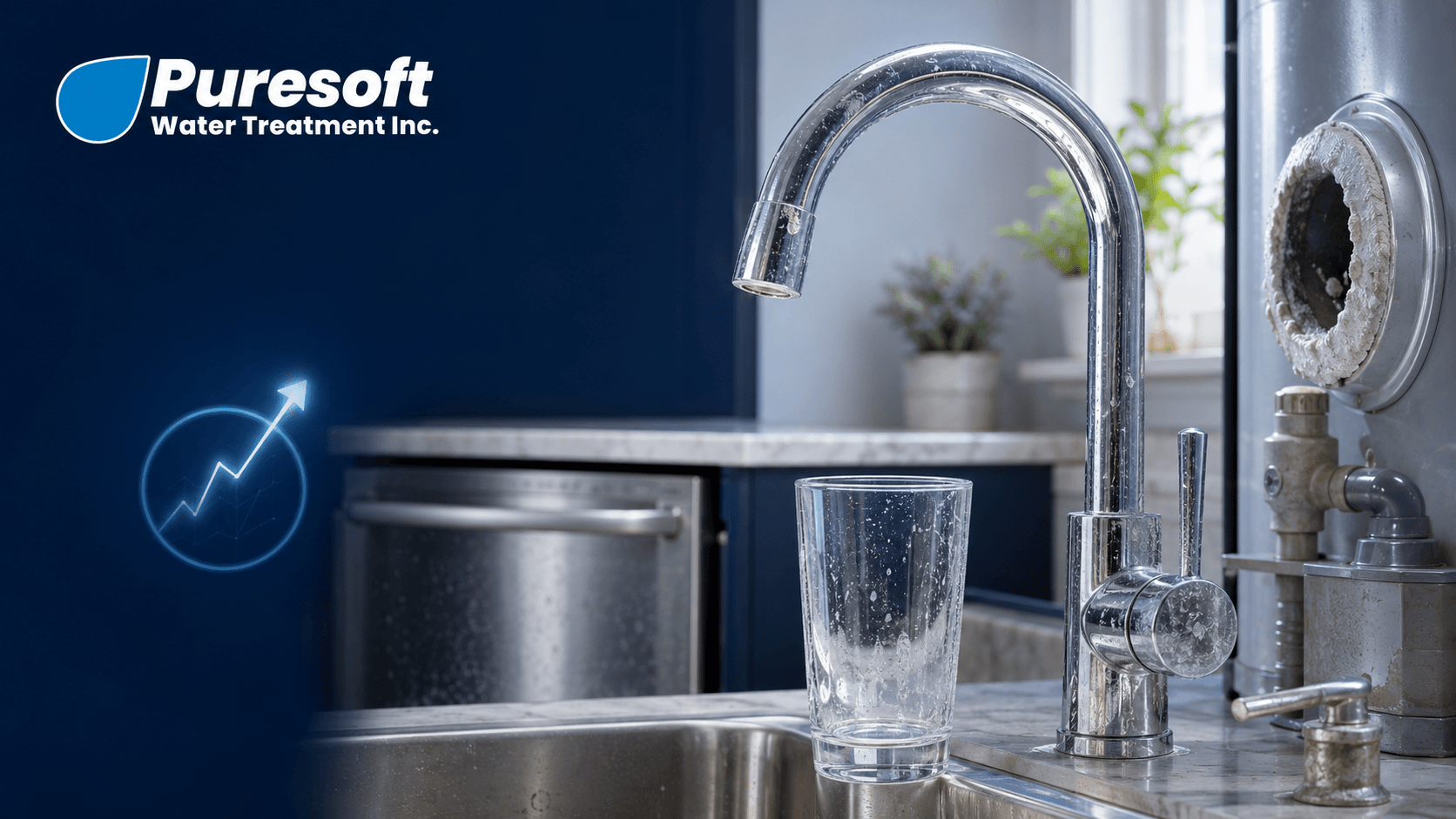
Scale Buildup Often Indicates Treatment Gaps
Mineral accumulation around appliances may appear on:
- Water heaters
- Dishwashers
- Coffee makers
- Washing machines
- Showerheads
If scale buildup returns despite having filtration equipment installed, the system may not be handling the home’s water conditions effectively anymore.
Water Pressure Changes Can Also Be a Clue
Filtration systems nearing the end of their effective lifespan sometimes contribute to pressure issues because of clogged media or restricted flow capacity.
Homeowners may notice:
- Slower faucet flow
- Weak shower pressure
- Appliance fill delays
These symptoms do not always mean the filtration system is failing completely, but they may indicate the system is becoming less efficient.
Technology and Efficiency Have Improved
Some older filtration systems still function, but newer systems may offer significantly better efficiency, treatment performance, and maintenance management.
Modern Systems Often Use Water More Efficiently
Newer treatment systems may include features such as:
- Improved flow management
- Longer-lasting filter media
- Smart monitoring systems
- Better regeneration efficiency
- Reduced maintenance frequency
These upgrades can improve long-term convenience and operating efficiency.
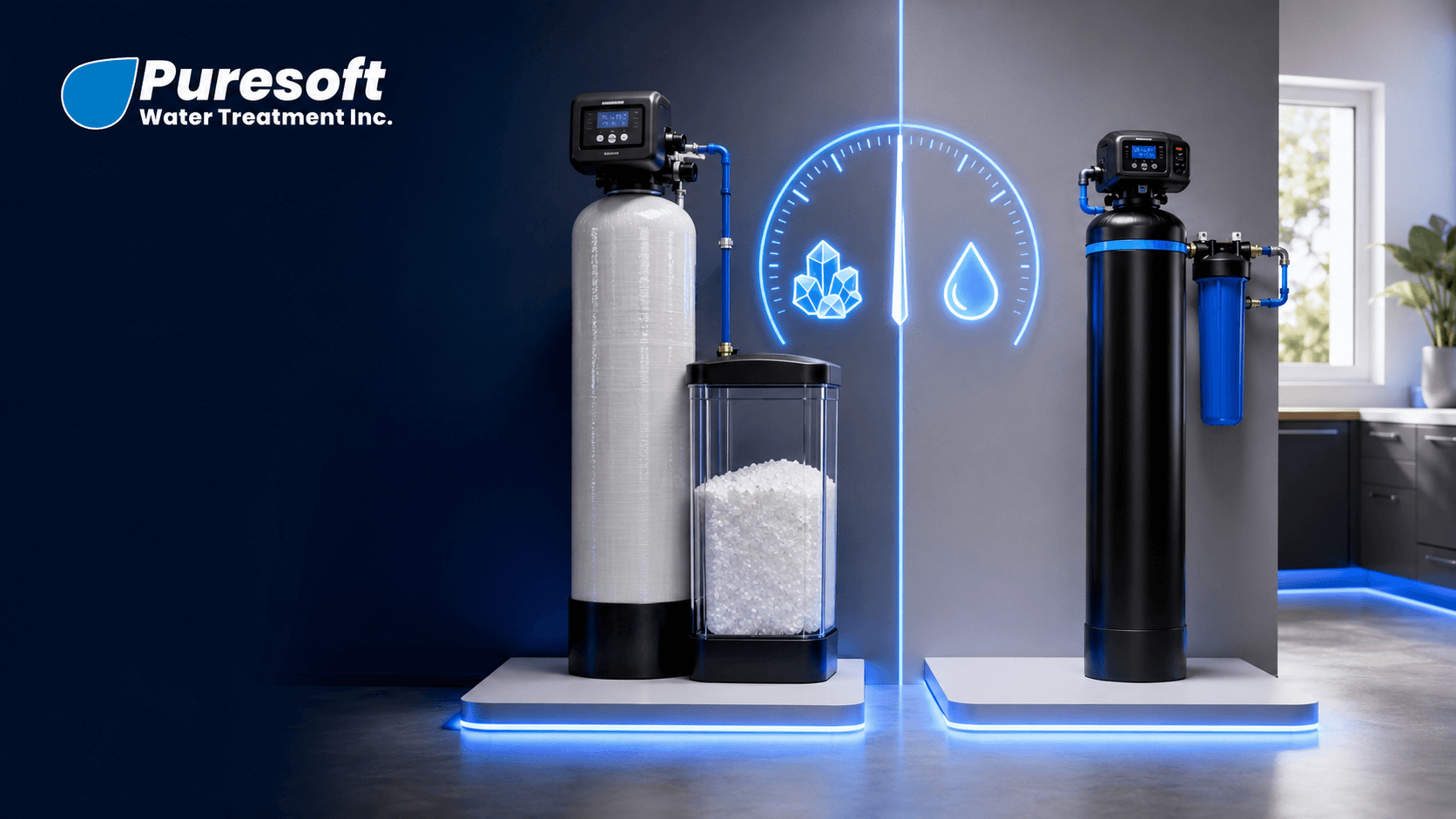
Combination Systems Are More Common Today
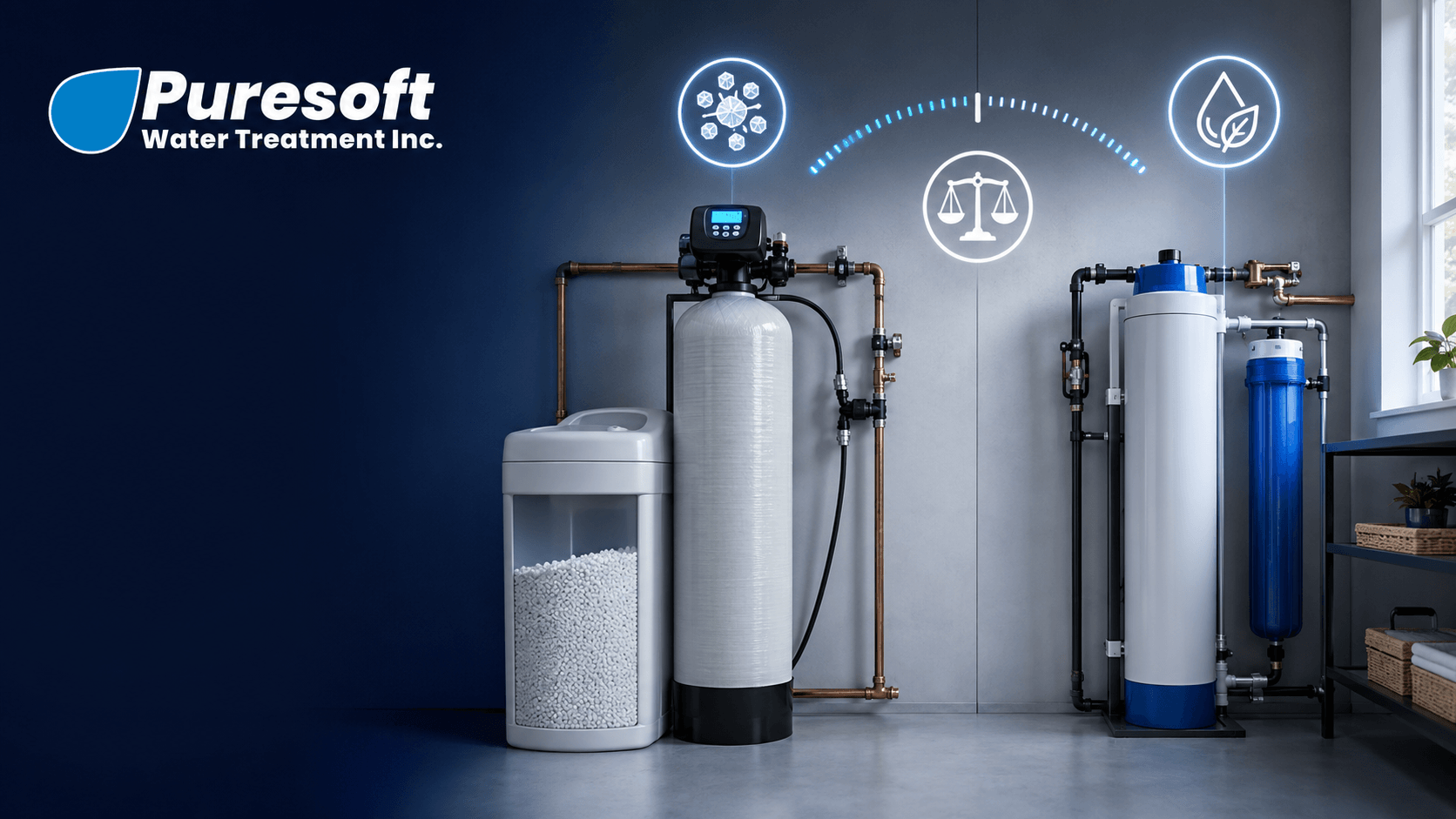
Many Indiana homeowners now install systems that combine multiple treatment stages together instead of relying on one standalone filter.
A modern setup may include:
| Treatment Component | Purpose |
|---|---|
| Sediment filtration | Removes particles |
| Carbon filtration | Improves taste and odor |
| Water softening | Reduces hard minerals |
| Iron filtration | Reduces staining |
| UV purification | Helps address bacteria concerns |
Homes with multiple water issues often benefit from more comprehensive treatment designs.
Water Testing Helps Determine Whether Upgrading Makes Sense
Many filtration problems are difficult to diagnose based only on symptoms.
Testing helps homeowners understand whether:
- The system still matches the water conditions
- New contaminants are present
- Water hardness levels changed
- Additional treatment is necessary
Without updated testing, homeowners may continue maintaining a system that no longer fits the home properly.
Frequently Asked Questions About Upgrading Water Filtration Systems
How long do whole-house water filtration systems last?
System lifespan varies depending on water quality, maintenance, and equipment type.
What are signs a filtration system needs upgrading?
Common signs include recurring water problems, reduced pressure, frequent maintenance, and returning odors or staining.
Can well water conditions change over time in Indiana?
Yes. Groundwater conditions may shift gradually because of environmental and seasonal factors.
Does a newer filtration system improve efficiency?
Modern systems often provide better flow management, longer filter life, and improved treatment performance.
Should water be tested before replacing a filtration system?
Yes. Updated testing helps determine what treatment the home currently needs.
Conclusion
Indiana homes often need filtration system upgrades when water conditions change, household demand increases, or older equipment can no longer provide consistent treatment effectively. Returning odors, mineral buildup, pressure problems, and frequent maintenance issues are often signs that the current system may no longer match the home’s water quality needs properly.
For homeowners in Franklin and throughout Indiana, periodic water testing and system evaluation can help identify when upgrading filtration equipment becomes the more practical long-term solution. PureSoft Water Treatment Inc. provides water filtration and treatment solutions designed around the specific water conditions affecting homes across the region.