The Ultimate Guide to Water Treatment Systems in Central Indiana
January 13, 2025
Clean water matters. It’s not just about staying hydrated—it’s about protecting your health, extending the life of your appliances, and making daily tasks like cooking and cleaning easier. If you live in Central Indiana, you’ve probably dealt with hard water stains, unpleasant tastes, or even questions about how safe your tap water really is.
These problems aren’t just frustrating—they can cost you money and impact your quality of life. The good news? Water treatment systems fix these issues. Whether you need a water softener to handle hard water, a filter to improve taste, or a test to uncover hidden problems, there’s a solution for you.
This guide breaks it all down. You’ll learn how water treatment systems work, why they’re important, and how to pick the best option for your home. By the end, you’ll feel confident about improving your water quality and protecting what matters most.
Understanding Water Treatment Systems
What Is Water Treatment?
Water treatment is the process of improving the quality of water to make it safe, clean, and suitable for everyday use. This can mean removing contaminants, reducing hardness, or improving taste and odor.
In simple terms, water treatment makes your water work better for you—whether that’s for drinking, cooking, cleaning, or running your appliances efficiently.
Benefits of Water Treatment
Installing a water treatment system in your home isn’t just about convenience—it’s an investment. Here’s what you gain:
- Healthier water for your family: Removes harmful contaminants like chlorine, lead, or bacteria.
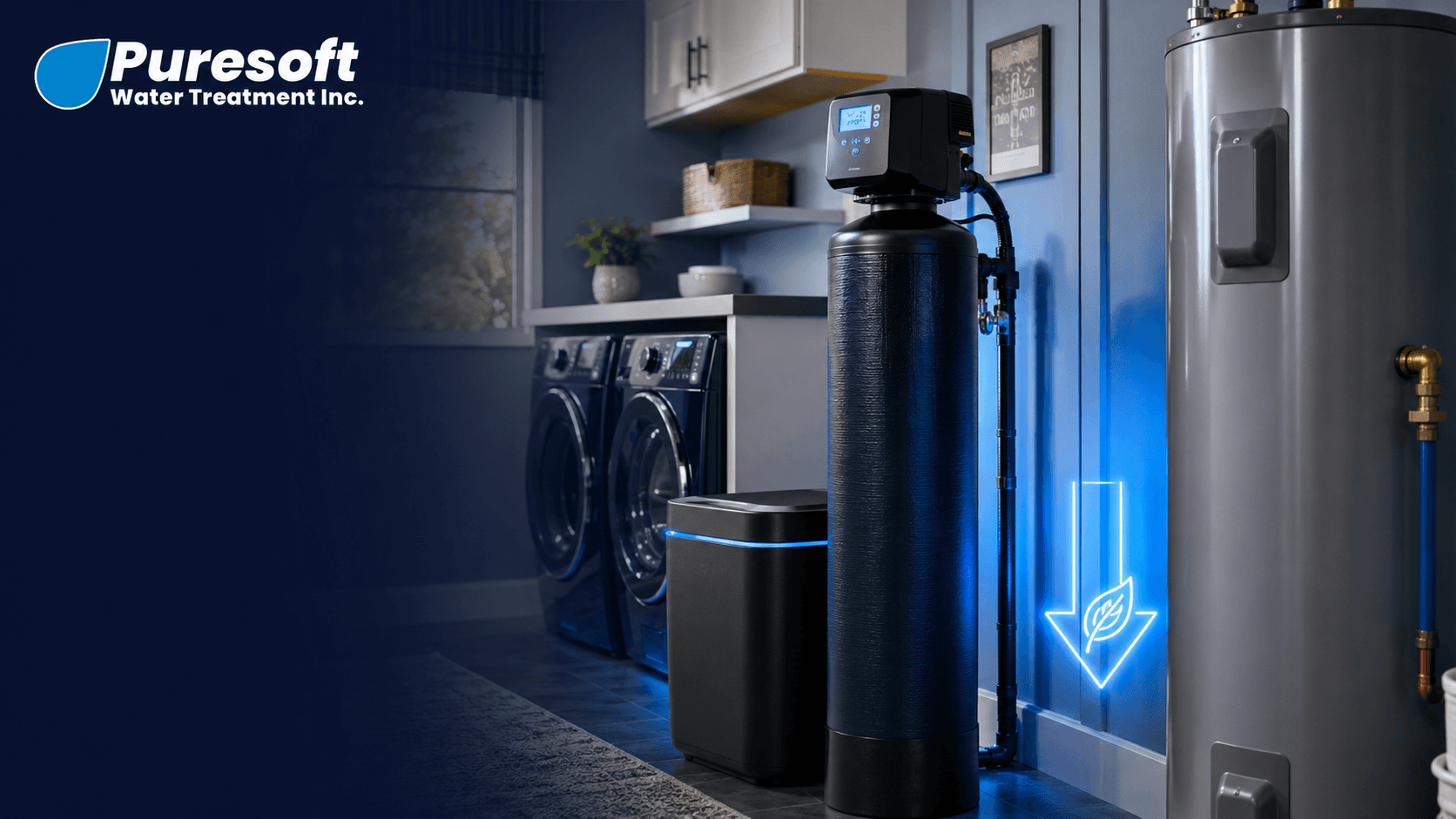
- Protects your appliances: Reduces scale buildup in dishwashers, washing machines, and water heaters.
- Better taste and smell: Say goodbye to metallic or chemical-like water flavors.
- Saves money: Extends the life of plumbing and appliances, while lowering energy bills.
Types of Water Treatment Systems
There’s no one-size-fits-all solution. Depending on your needs, you might choose:
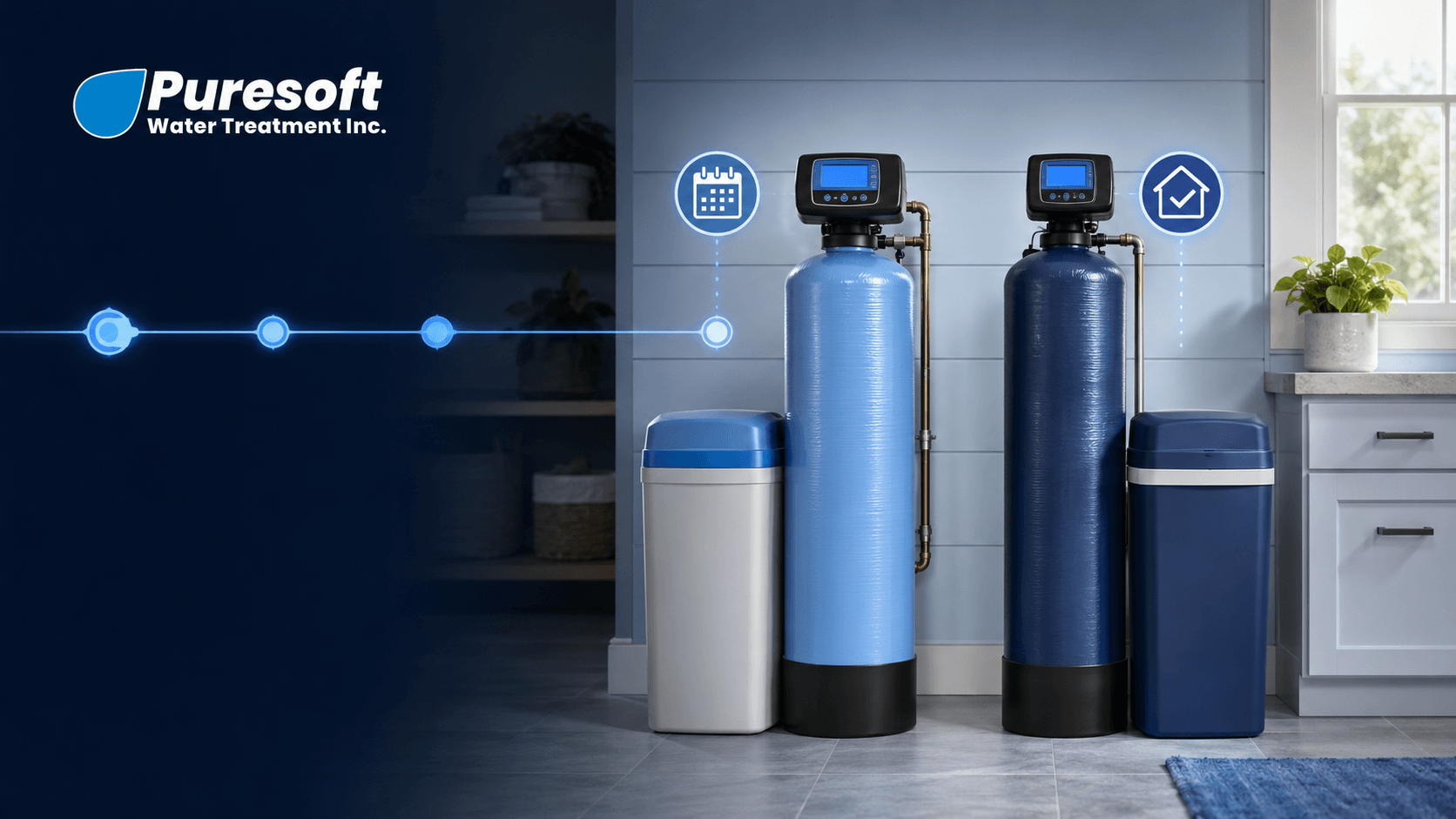
- Water Softeners: Combat hard water by removing minerals like calcium and magnesium.
- Water Filters: Remove contaminants like chlorine, lead, pesticides, and other pollutants.
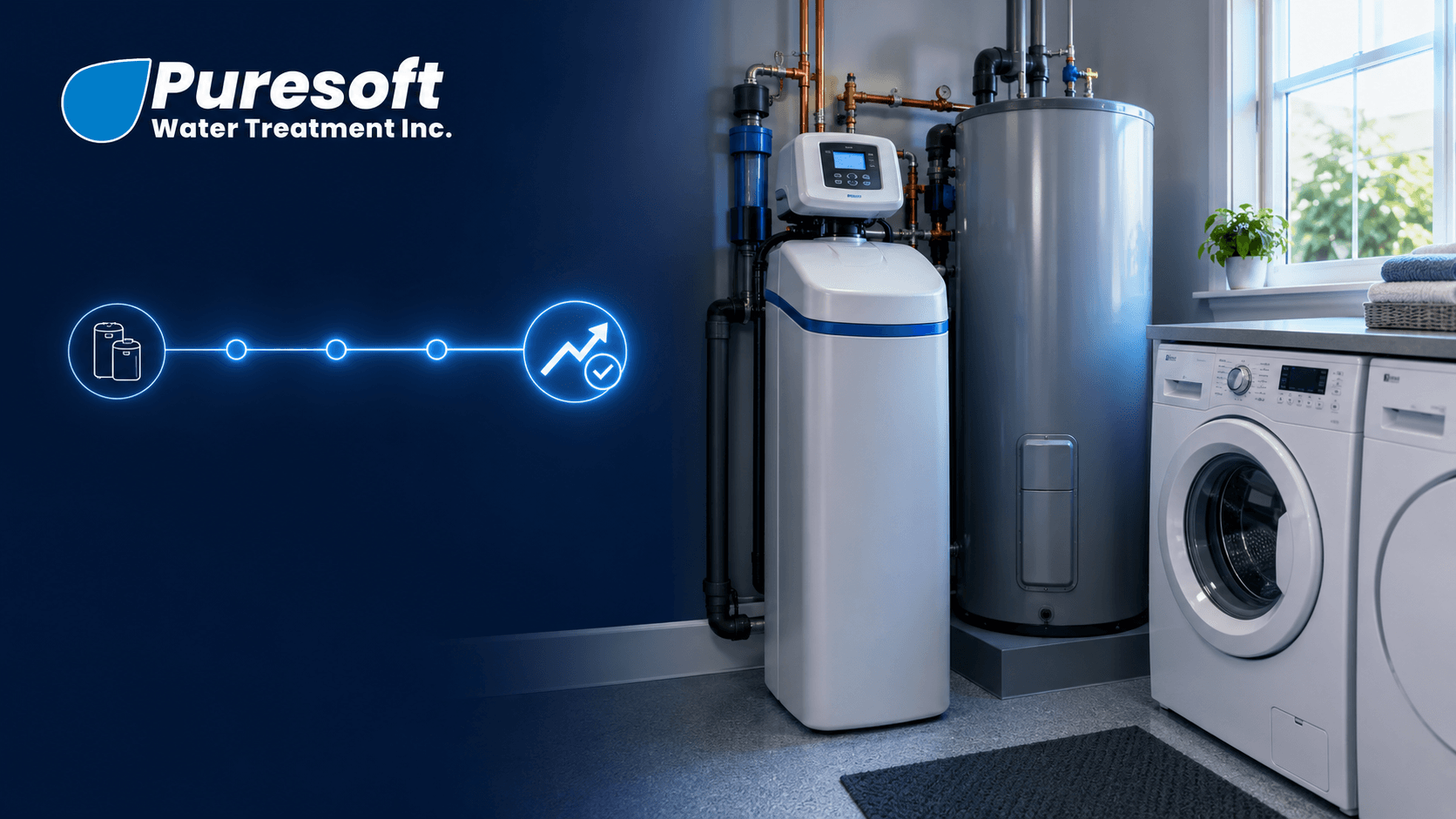
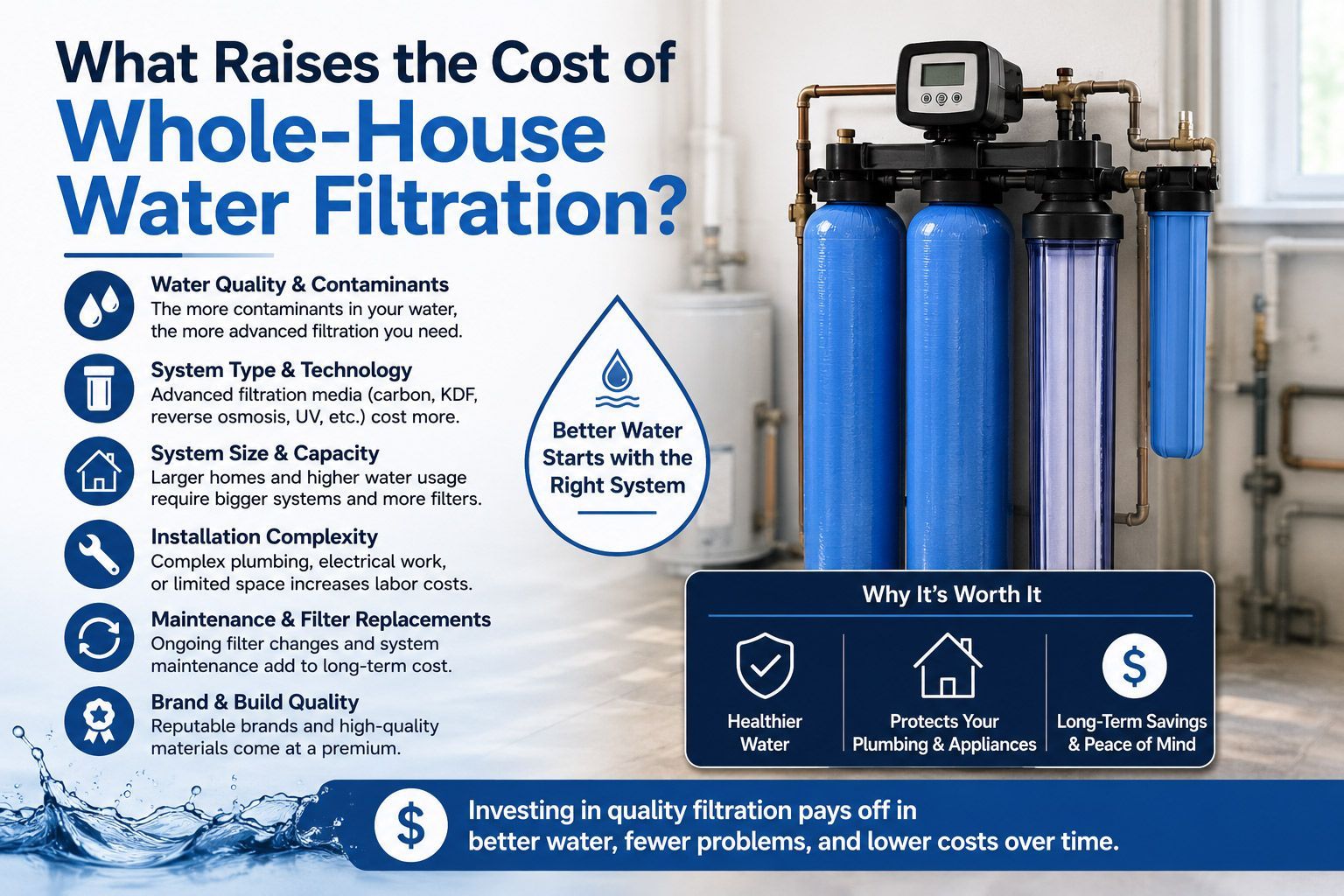
- Whole-Home Systems: Provide treatment for every tap in your house, ensuring consistent water quality.
Each system is designed to address specific issues. Knowing what’s in your water helps you decide which solution works best.
Water Softeners: Solving Hard Water Problems
The Challenge of Hard Water in Central Indiana
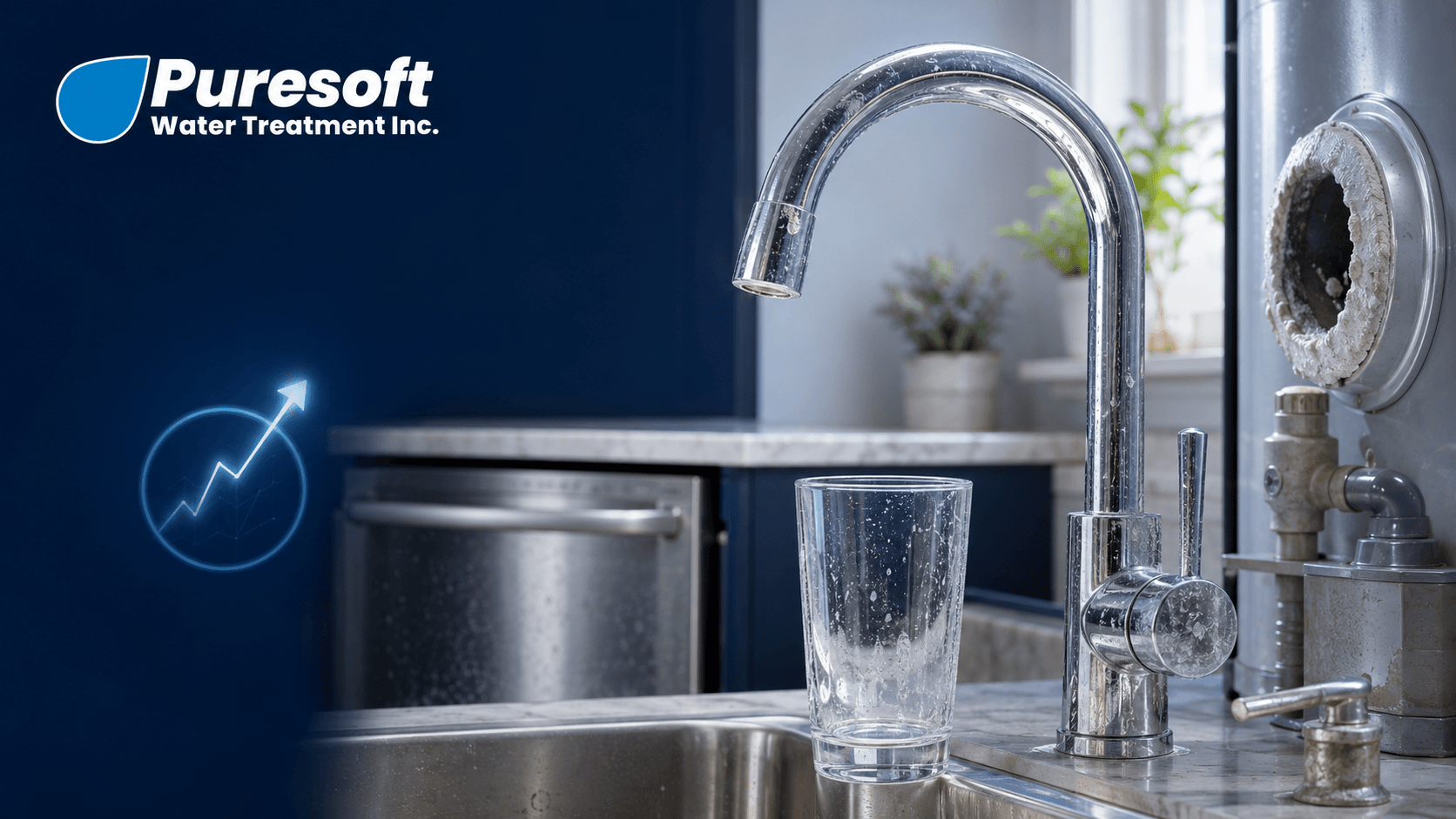
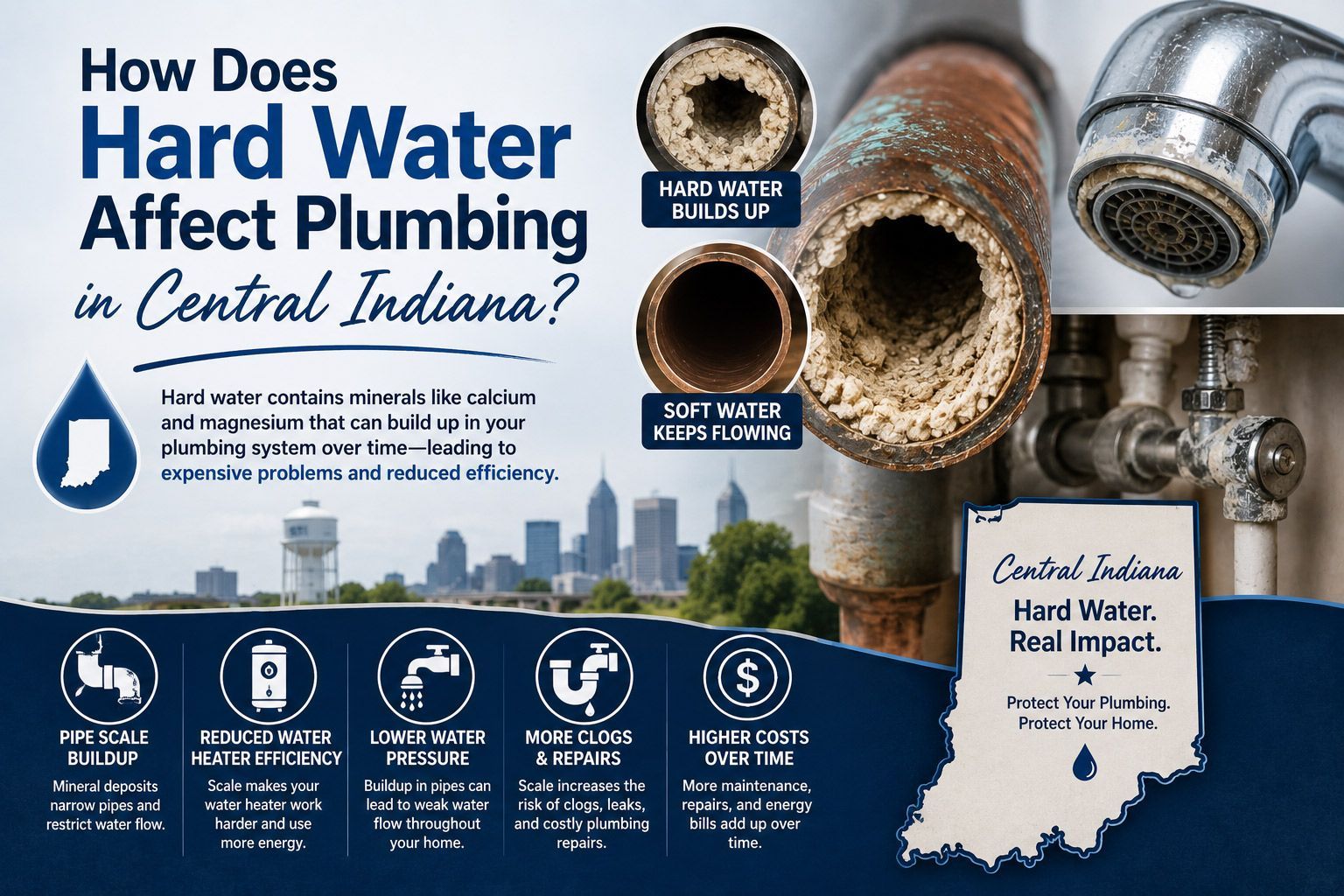
If you’ve ever noticed white spots on your dishes, soap that doesn’t lather well, or a chalky buildup around your faucets, you’re dealing with hard water. This is a common issue in Central Indiana, where water contains high levels of minerals like calcium and magnesium.
Hard water isn’t just annoying—it’s costly. It clogs pipes, shortens the lifespan of your appliances, and can even leave your skin and hair feeling dry.
How Water Softeners Work
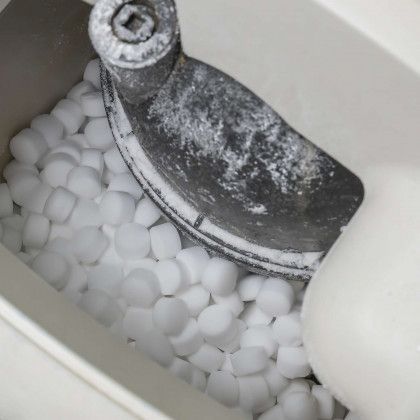
Water softeners solve these problems by removing the minerals that cause hardness. The system works by using a process called ion exchange, where hard water minerals are replaced with sodium or potassium ions. The result? Softer water that’s easier on your appliances, plumbing, and skin.
Whole-Home Water Treatment Systems
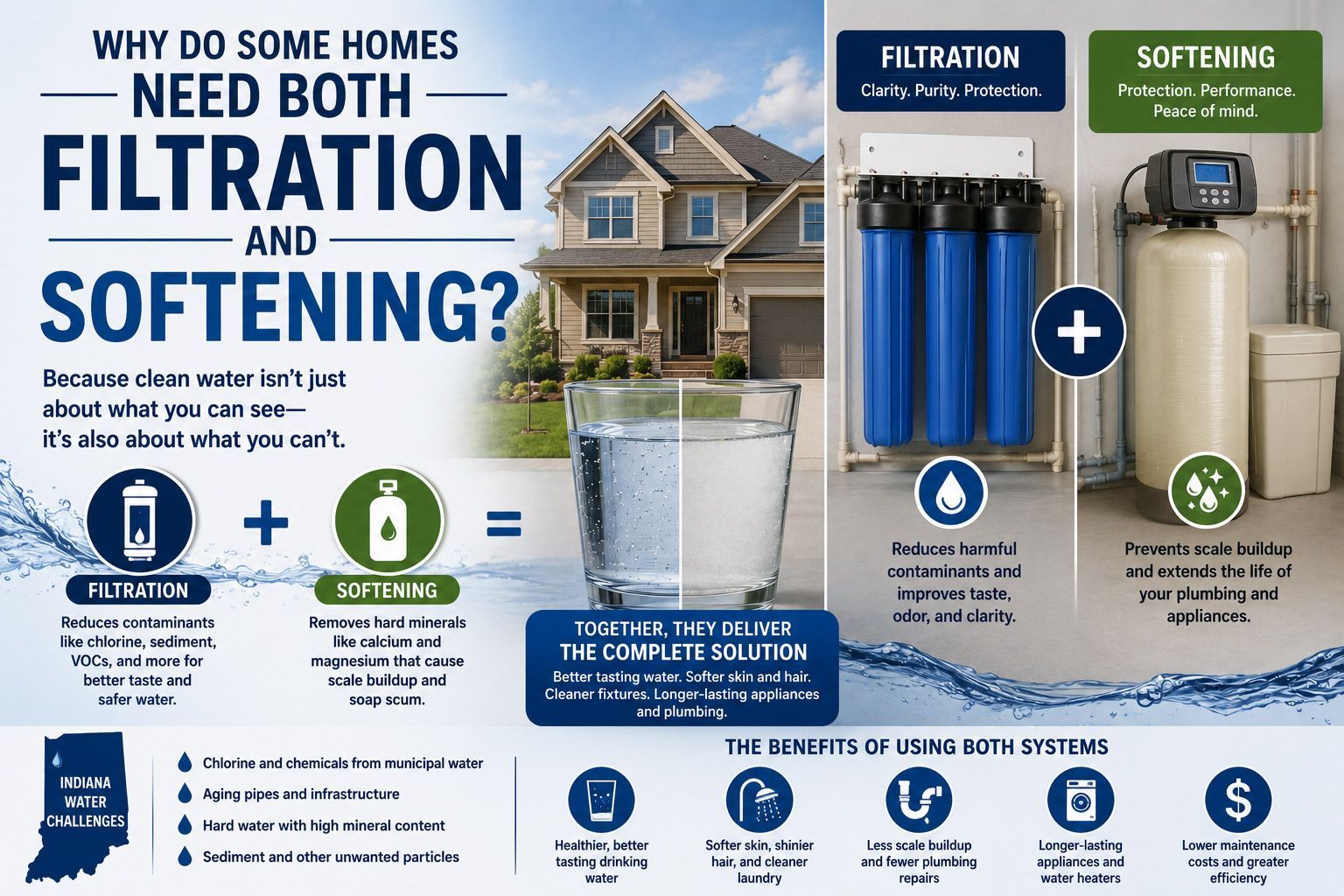
For comprehensive protection, many homeowners choose whole-home water treatment systems. These systems combine a water softener with filtration to tackle multiple water issues at once. Here’s why they’re worth considering:
- Convenience: Treats all the water coming into your home, so every tap delivers high-quality water.
- Versatility: Addresses both hardness and contaminants like chlorine or sediment.
- Peace of mind: Provides consistent water quality without the need for individual filters or treatments.
If hard water is damaging your home and adding unnecessary costs, a water softener—or better yet, a whole-home system—can make a world of difference.
Water Filters: Tailored Solutions for Every Home
Why Water Filters Matter
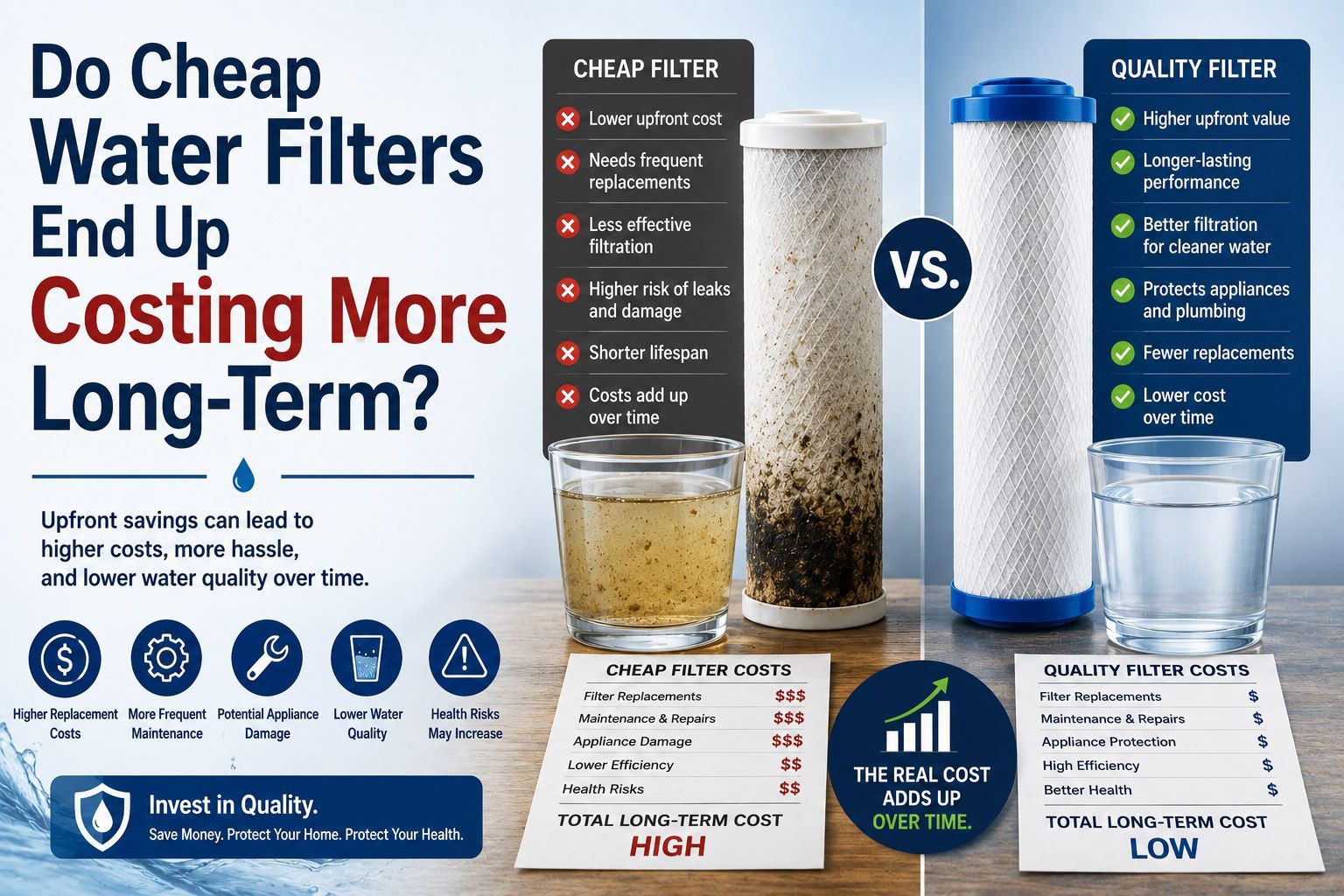
Water straight from the tap often contains contaminants that affect its quality, taste, and safety. Common pollutants like chlorine, lead, pesticides, and bacteria can make water less pleasant and, in some cases, harmful to use.
A water filter targets these impurities, delivering clean, great-tasting water right where you need it—whether that’s for drinking, cooking, or bathing.
Types of Water Filters
Not all filters are the same. Depending on your specific water quality issues, you might consider:
- Carbon Filters: Great for removing chlorine, improving taste, and reducing odors.
- Reverse Osmosis Systems: Highly effective at eliminating a wide range of contaminants, including heavy metals, nitrates, and bacteria.
- UV Filters: Uses ultraviolet light to kill bacteria and viruses, ensuring your water is microbiologically safe.
- Sediment Filters: Designed to trap dirt, sand, and larger particles, protecting your plumbing and appliances.
Each type has its strengths, and in some cases, combining multiple filters provides the best results.
Choosing the Right Water Filter for Your Needs
To find the right filter, you need to know what’s in your water. This is where water testing comes in (more on that next). For homes in Central Indiana, filters that address chlorine and hard water minerals are especially popular.
Water filters are an easy way to improve your water’s taste and safety without overhauling your entire system. If you’re looking for a simple solution to common water issues, this might be your best starting point.
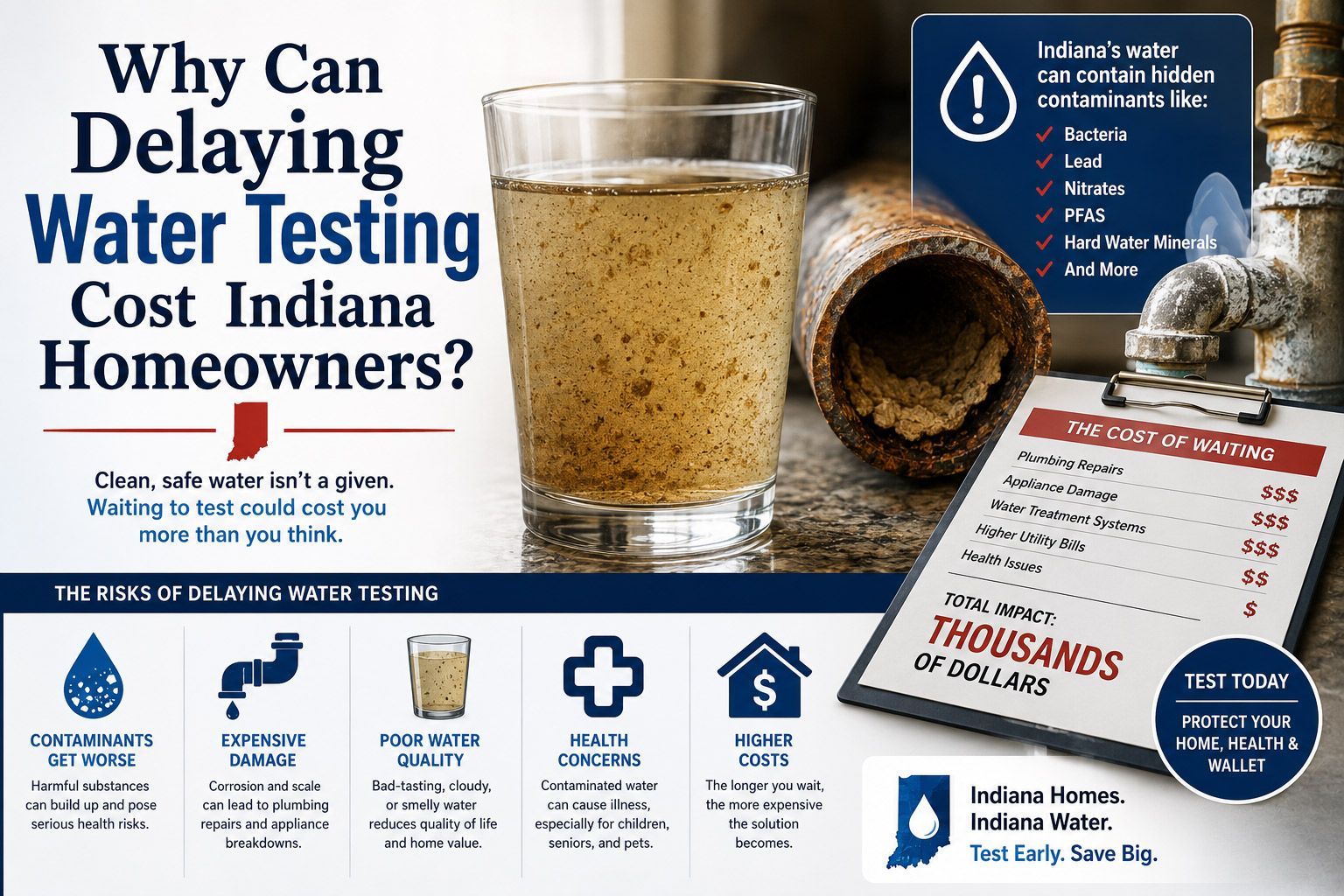
The Role of Water Testing
Why You Should Test Your Water Regularly
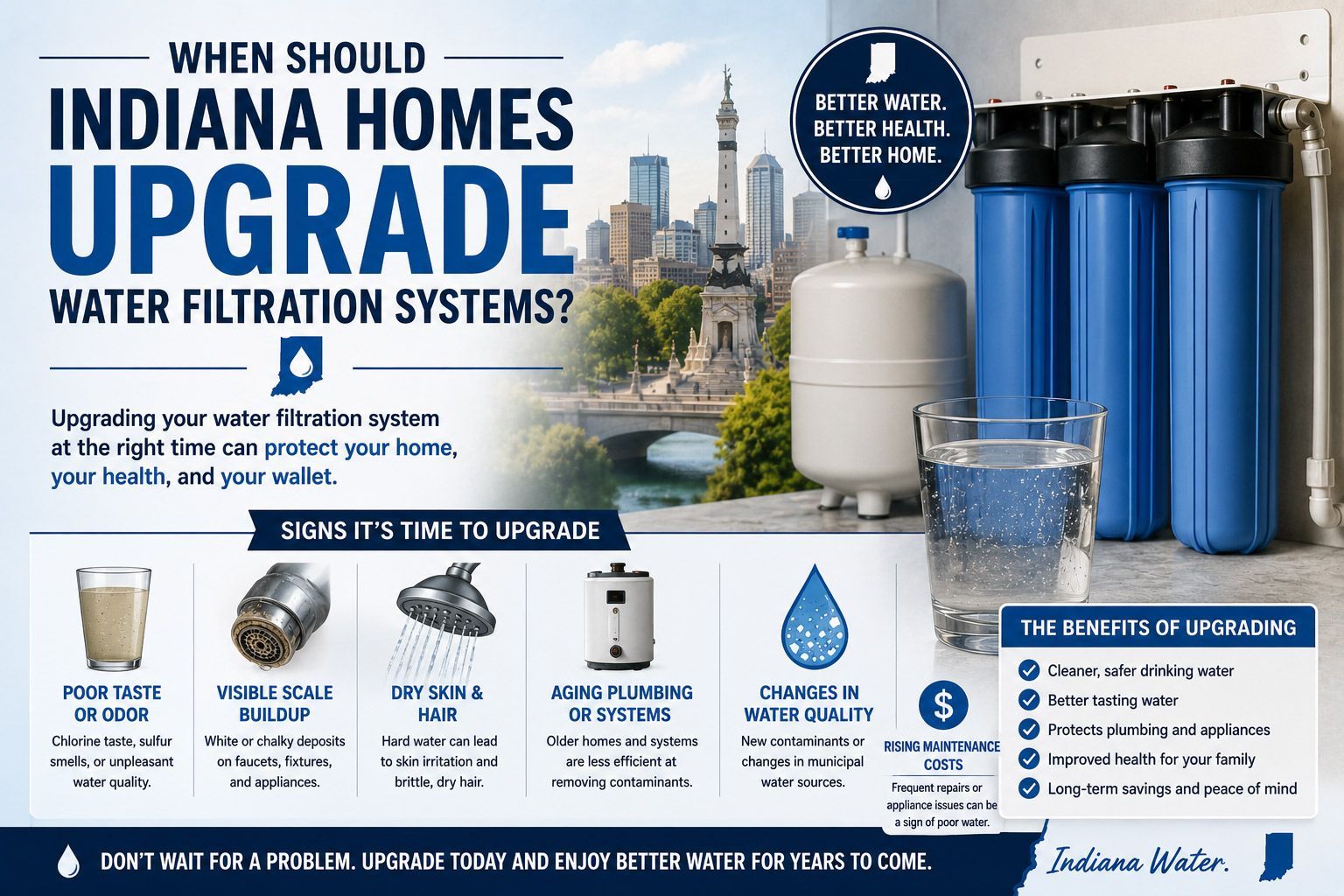
You can’t fix a problem if you don’t know it exists. That’s why water testing is essential. Regular testing helps identify contaminants, measure hardness levels, and pinpoint other issues affecting your water quality.
For homeowners in Central Indiana, water testing can uncover common problems like:
- High levels of hardness
- Chlorine or chloramine in municipal water
- Iron and manganese stains
- Sediment buildup
- Bacteria or other harmful microorganisms
Testing isn’t just about safety—it also helps you make informed decisions about the water treatment system that’s right for your home.
How Water Testing Works
Water testing can be done in two ways:
At-Home Testing Kits
- Convenient and cost-effective.
- Ideal for basic tests, like hardness or pH levels.
- May not detect all contaminants accurately.
Professional Water Testing
- Provides a detailed analysis of your water.
- Identifies both visible and invisible issues.
- Often includes personalized recommendations for treatment systems.
Using Test Results to Customize Your Water Treatment System
Once you have your test results, you can choose the right solution for your needs. For example:
- Hard water? A water softener will solve it.
- Chlorine taste or odor? A carbon filter will do the trick.
- Bacteria or viruses? UV filters ensure microbiological safety.
Water testing gives you the confidence to invest in a treatment system that works, saving you time, money, and hassle in the long run.
Water Treatment Solutions in Central Indiana
Challenges Specific to Central Indiana Water Quality
If you live in Central Indiana, you’ve probably experienced water quality challenges firsthand. Common issues in the region include:
- Hard Water: The high mineral content leaves behind limescale buildup, clogs pipes, and shortens the lifespan of appliances.
- Chlorine and Chloramine: Municipal water supplies often use these chemicals for disinfection, which can affect taste and smell.
- Iron and Manganese: These minerals cause unsightly orange or black stains on sinks, toilets, and laundry.
- Bacteria and Contaminants: Some areas, especially those using private wells, may face microbiological contamination.
Areas Served
If you’re looking for reliable water treatment systems in Central Indiana, here are the communities most commonly served:
- Westfield and Carmel: Homes in these areas often deal with hard water and chlorine-related issues.
- Brownsburg, Avon, and Plainfield: Mineral buildup and sediment are frequent concerns for homeowners here.
- Martinsville and Mooresville: Private wells in these areas may require advanced filtration to handle bacteria and other contaminants.
Why Local Expertise Matters
Water quality issues vary from region to region, so working with a local expert ensures your treatment system addresses the unique challenges of Central Indiana. Local professionals understand the area’s water supply and can recommend solutions that work specifically for your home.
Choosing the Right Water Treatment Provider
Key Factors to Consider
Picking the right water treatment provider is just as important as choosing the system itself. Here’s what to look for when selecting a professional:
- Experience and Expertise: Look for providers with a proven track record in water treatment and an in-depth understanding of Central Indiana’s water issues.
- Customized Solutions: Avoid one-size-fits-all systems. A good provider will recommend a solution tailored to your home’s specific needs.
- Certifications and Quality Standards: Choose a provider offering systems certified by organizations like NSF International or the Water Quality Association.
- Transparent Pricing: Reliable companies provide clear quotes with no hidden fees.
Why a Local Expert Matters for Central Indiana Homes
Local water treatment providers understand the unique challenges faced by Central Indiana residents. From tackling hard water to filtering out region-specific contaminants, they bring the insight needed to design effective systems. Plus, working with a local company often means faster service and better customer support.
Questions to Ask Before Hiring
Before committing, ask these key questions to ensure you’re making the right choice:
- What systems do you recommend for my specific water issues?
- Do you offer free water testing or consultations?
- How do you handle maintenance or system repairs?
- Can you provide testimonials or references from local customers?
Choosing the right provider isn’t just about getting clean water—it’s about partnering with someone you can trust to protect your home and family.
Conclusion
Water is an essential part of your daily life, and ensuring its quality shouldn’t be left to chance. Whether you’re dealing with hard water, unpleasant tastes, or potential contaminants, the right water treatment system can transform your home’s water. From water softeners to combat hard water, to whole-home systems and water filters for cleaner, safer water, there’s a solution tailored to your needs.
If you live in Central Indiana, including Westfield, Carmel, Brownsburg, Avon, Plainfield, Martinsville, or Mooresville, trust Puresoft Water Treatment Inc. to deliver expert solutions. With professional water testing, customized systems, and reliable service, they’ll ensure your home gets the high-quality water it deserves.
Take the first step toward better water today. Contact Puresoft Water Treatment Inc. to schedule your free water test and consultation. Your home—and your health—deserve it.