Best Whole House Water Filtration Systems for 2024
November 8, 2024
Clean water matters. Whether you’re drinking, cooking, or showering, the quality of water you use every day impacts your health and home. Unfortunately, tap water can carry a range of contaminants like chlorine, sediment, heavy metals, and even bacteria. That’s where a whole house water filtration system comes in.
A whole house water filtration system filters all the water flowing into your home, so every tap delivers cleaner, safer water. From the kitchen sink to the shower, you get consistent quality across the board. But with so many choices out there, it’s easy to feel overwhelmed. Each system offers different benefits, so finding the right one can be tricky.
This guide covers everything you need to make an informed choice. We’ll walk through how these systems work, what factors matter most when choosing one, and our top recommendations. By the end, you’ll know exactly what to look for to find the best whole house water filtration system for your home.
How Does a Whole House Water Filtration System Work?
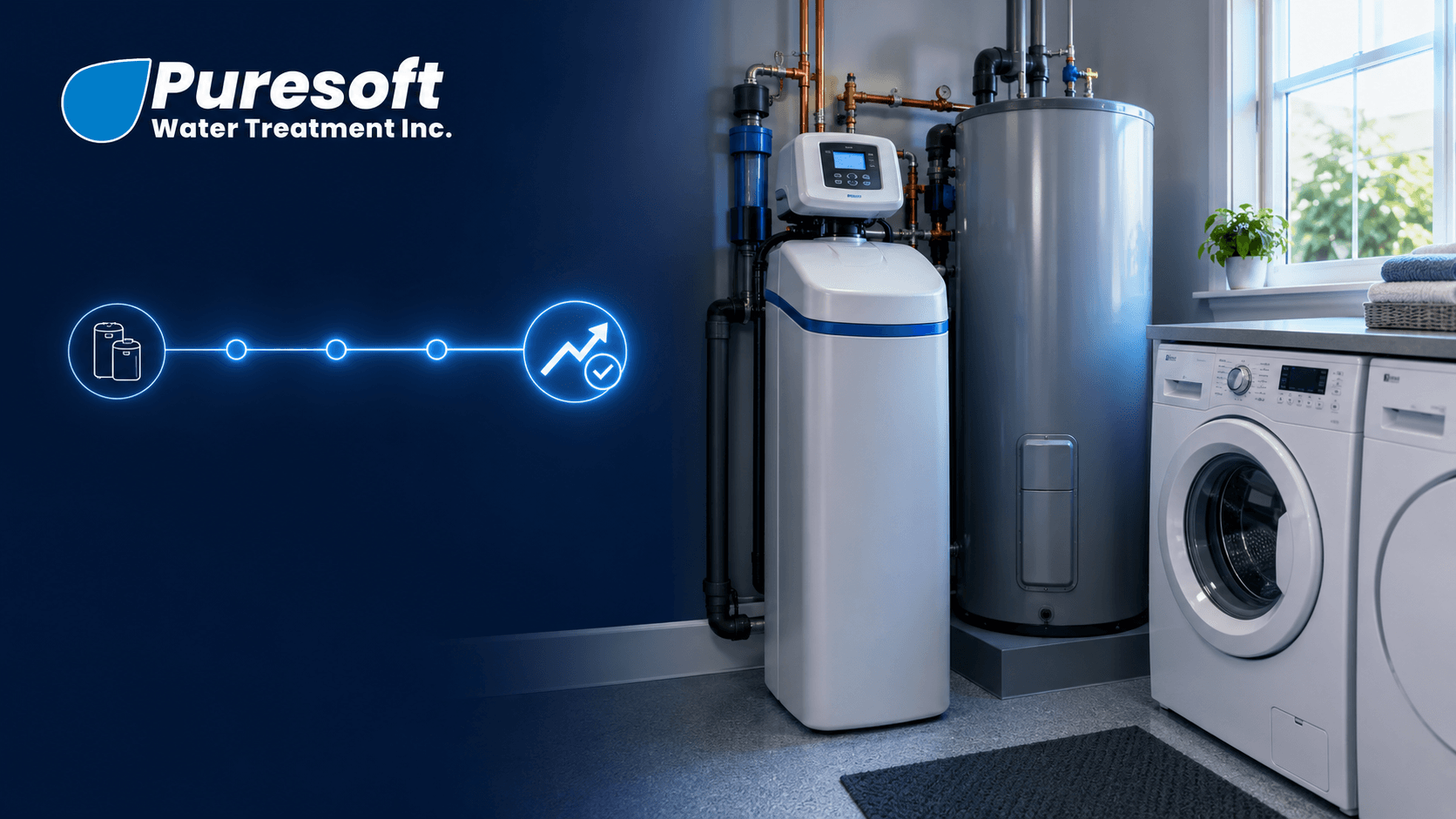
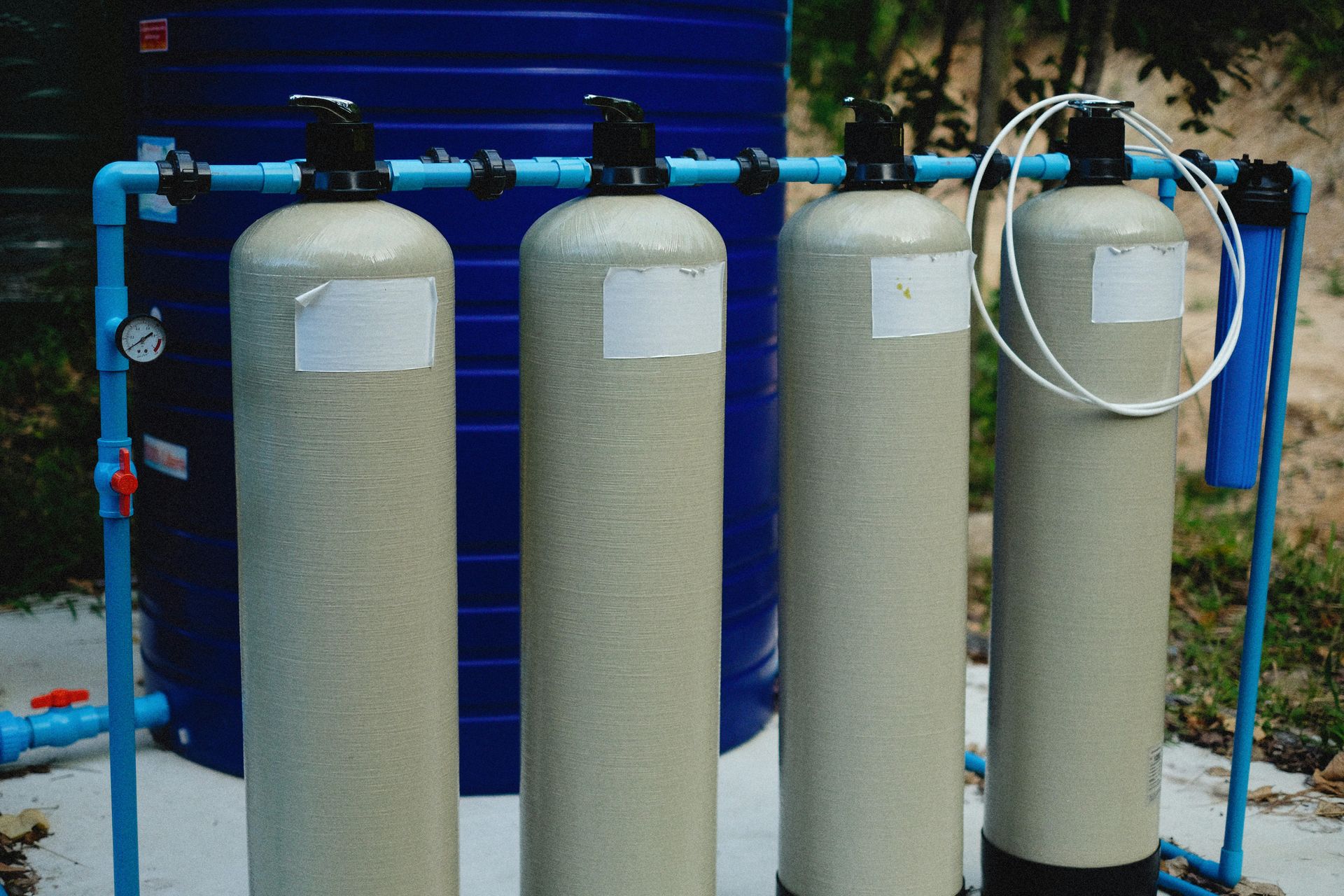
A whole house water filtration system connects to your main water line, so it filters water before it reaches any faucet or appliance in your home. Think of it as a central hub for water purification. Instead of filtering water only at the kitchen sink or fridge, this system ensures that every drop, whether for drinking, cooking, or bathing, is cleaner and safer.
Types of Filtration Methods
There are several common types of filtration methods that whole house systems use, each designed to target specific contaminants. Here’s a quick look at some of the most popular options:
- Activated Carbon Filters: These filters use carbon to remove chlorine, volatile organic compounds (VOCs), and other chemicals that impact the taste and odor of your water. They’re excellent for improving flavor and removing common pollutants but may not handle all contaminants on their own.
- Reverse Osmosis (RO): RO systems push water through a semi-permeable membrane, trapping many contaminants like heavy metals, fluoride, and bacteria. While they’re very effective, they tend to be more expensive and may require additional storage tanks to supply filtered water throughout the house.
- Sediment Filters: These filters remove larger particles like dirt, sand, and rust from the water supply, making them a good first stage in a filtration system. They’re particularly useful if your water source is prone to these types of particles.
- UV Filters: Ultraviolet (UV) filters use UV light to kill bacteria, viruses, and other pathogens. They’re often added as an extra layer to protect against microorganisms that carbon or sediment filters may miss.
How the Filtration Process Works
Typically, a whole house water filtration system includes multiple stages, combining some of these filter types. For example, a system might start with a sediment filter to remove large particles, followed by an activated carbon filter to tackle chlorine and VOCs.
Advanced systems may add a UV filter for extra protection against bacteria and viruses. Each stage captures specific impurities, ensuring that the water coming out of every tap is consistently clean.
Whole house systems don’t just improve water quality—they protect your plumbing, reduce buildup in appliances, and enhance the taste of your drinking water.
Factors to Consider When Choosing a Whole House Water Filtration System
Choosing the right whole house water filtration system depends on several key factors. Since every home and water source is different, understanding these considerations will help you find a system that best suits your needs.
1. Water Quality Analysis
Start by testing your water. Different areas and water sources can carry unique contaminants. You might be dealing with chlorine, heavy metals, pesticides, or even bacteria. Many companies offer easy-to-use water testing kits, or you can reach out to a local lab for a more detailed analysis. Knowing what’s in your water will help you choose a system that targets those specific impurities.
2. Household Needs
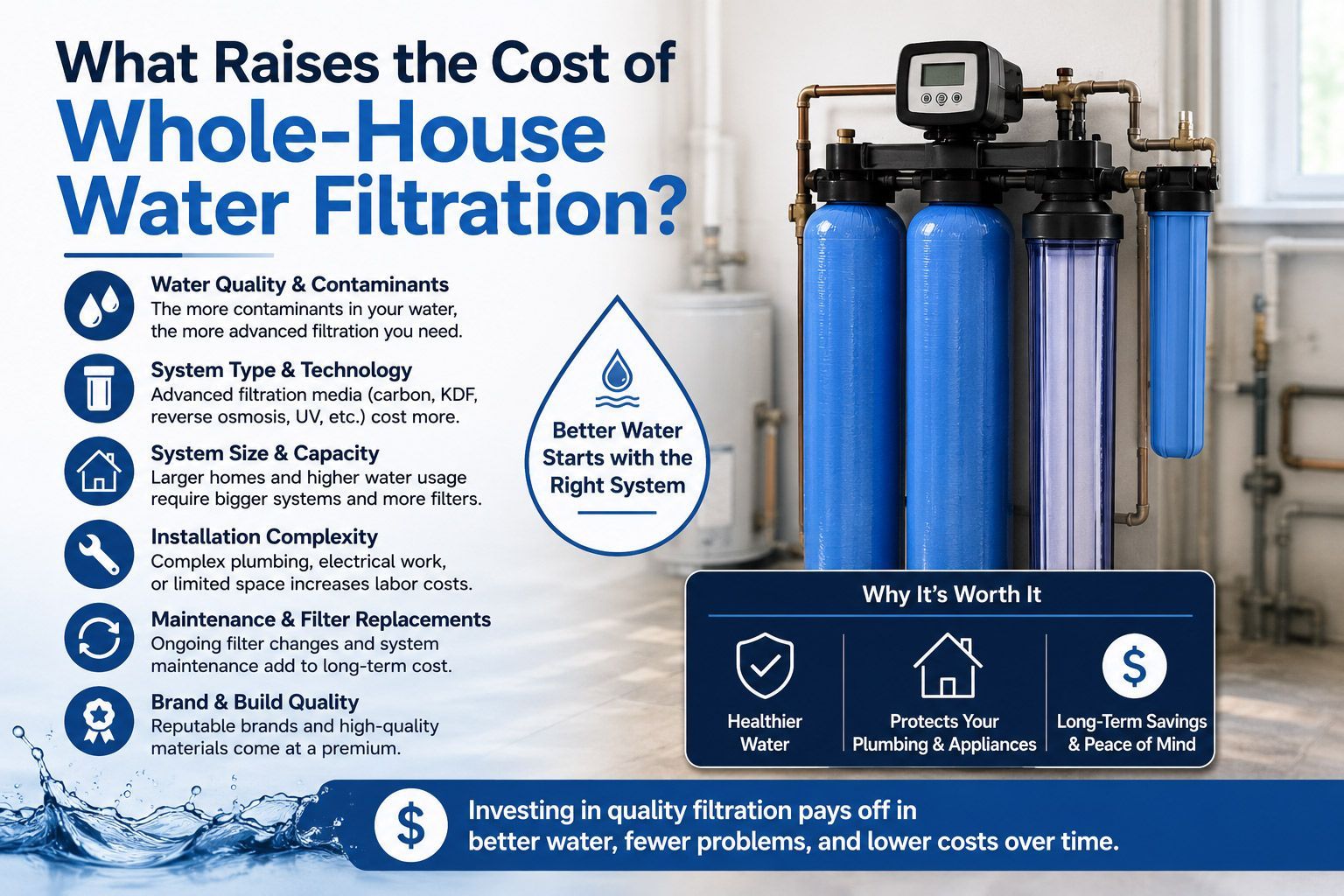
Your household size and water consumption play a big role in choosing a filtration system. If you have a larger family or a high daily water usage, you’ll need a system with a larger capacity and longer filter life. Smaller households might not need the same capacity and can get by with a more compact, budget-friendly model.
3. System Maintenance
Maintenance requirements vary depending on the type of filtration system you choose. Some systems require regular filter changes every few months, while others might need servicing only once a year. Be sure to check how often filters need to be replaced and factor in the cost and ease of replacement. A system that’s easy to maintain will save you time and hassle in the long run.
4. Budget and Installation Costs
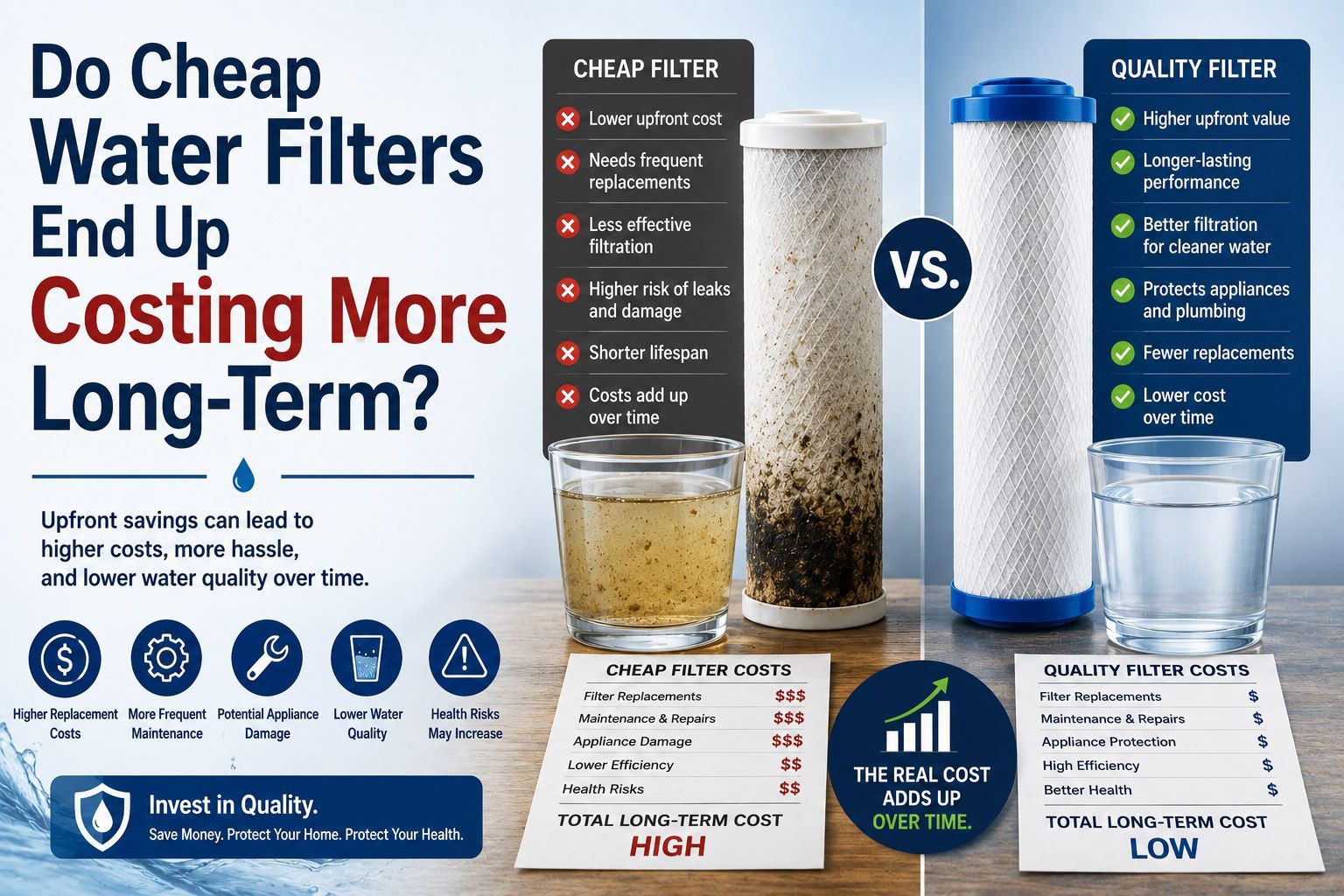
Whole house filtration systems come in a range of prices, from a few hundred to a few thousand dollars. Consider both the upfront cost and the ongoing maintenance expenses. Additionally, think about installation—some systems are DIY-friendly, while others may require professional installation, which adds to the cost. Be clear on your budget and decide if you’re comfortable installing the system yourself or if you’ll need professional help.
By keeping these factors in mind, you’ll be better equipped to find a whole house water filtration system that fits both your water quality needs and your budget.
Top Recommendations for Whole House Water Filtration Systems
With so many options on the market, it can be hard to know where to start. We’ve narrowed it down to some of the top-rated whole house water filtration systems based on water quality needs, budget, and ease of use. Here’s a look at some of the best choices for 2024.
1. SpringWell Whole House Water Filter System
- Best For: Homes with municipal water.
- Key Features: This system uses a 4-stage filtration process with activated carbon and KDF media, which efficiently removes chlorine, VOCs, and other common contaminants. It’s also low-maintenance, requiring filter replacements every 6-12 months.
- Pros: High capacity, easy installation, excellent for improving taste and odor.
- Cons: Higher upfront cost.
2. Aquasana Rhino Whole House Water Filter
- Best For: Comprehensive filtration needs.
- Key Features: The Aquasana Rhino offers multiple filtration options, including a UV filter for bacteria and viruses. Its long-lasting filters handle sediment, chlorine, and organic chemicals, making it ideal for city water.
- Pros: Effective against a wide range of contaminants, optional UV filter, long filter life.
- Cons: Professional installation may be required.
3. iSpring WGB32B 3-Stage Whole House Water Filtration System
- Best For: Budget-friendly option for sediment and chemical filtration.
- Key Features: This 3-stage system includes a sediment filter, carbon block, and another carbon filter, making it effective for chlorine, sediment, and rust. It’s easy to install and maintain, making it ideal for DIY enthusiasts.
- Pros: Affordable, easy to install, great for sediment-heavy water.
- Cons: Limited effectiveness against bacteria and heavy metals.
4. Pelican PSE1800 Whole House Water Filtration System
- Best For: Water with high chlorine levels.
- Key Features: This system uses carbon and KDF filtration, targeting chlorine and VOCs while improving taste and odor. It also has a salt-free water softener option for areas with hard water.
- Pros: Salt-free water softening, reduces scale buildup, minimal maintenance.
- Cons: Less effective on bacteria.
Comparison Summary
Each of these systems has specific strengths, so your choice will depend on your water quality needs and budget. For heavy sediment or chlorine issues, the SpringWell or Pelican systems are ideal, while the Aquasana Rhino offers broader filtration for households needing extra pathogen protection.
How to Install and Maintain a Whole House Water Filtration System
Installing and maintaining a whole house water filtration system might seem daunting, but with the right guidance, it can be straightforward. Whether you choose to install it yourself or hire a professional, understanding the process helps ensure your system operates efficiently for years to come.
Installation Overview
1. Choose the Right Location
- Main Water Line: The system should be installed where the main water line enters your home, before it splits into different areas. This ensures all incoming water gets filtered.
- Accessibility: Pick a spot that's easy to access for maintenance. Basements, garages, or utility rooms are common choices.
- Protect from Elements: If installing outdoors, make sure the system is sheltered from extreme temperatures and weather conditions.
2. Gather Necessary Tools and Materials
- Pipe cutter or hacksaw
- Wrenches and pliers
- Teflon tape
- Mounting brackets (usually included with the system)
- Bucket and towels (for any water spills)
3. Shut Off the Water Supply
- Turn off the main water supply to prevent any water flow during installation.
- Open a faucet downstream to relieve pressure and drain remaining water.
4. Cut into the Main Water Line
- Measure and mark the section of the pipe where the system will be installed.
- Use a pipe cutter to make clean cuts.
5. Install the Filtration System
- Attach the inlet and outlet ports of the system to the cut pipes.
- Use Teflon tape on threaded connections to prevent leaks.
- Secure the system with mounting brackets if necessary.
6. Check for Leaks
- Slowly turn the water supply back on.
- Inspect all connections for leaks, tightening fittings as needed.
7. Flush the System
- Run water through the system for a few minutes to flush out any installation debris and activate the filters.
DIY vs. Professional Installation
- DIY Installation: If you're handy with plumbing and the system is straightforward, you might handle the installation yourself. This can save on costs but requires time and the right tools.
- Professional Installation: For complex systems or if you're unsure, hiring a licensed plumber ensures the job is done correctly and safely. Professional installation might cost between $300 and $600, depending on the complexity.
Maintenance Tips
Regular maintenance keeps your filtration system running efficiently and extends its lifespan.
1. Regular Filter Replacement
- Schedule: Replace filters according to the manufacturer's recommendations, usually every 3 to 12 months.
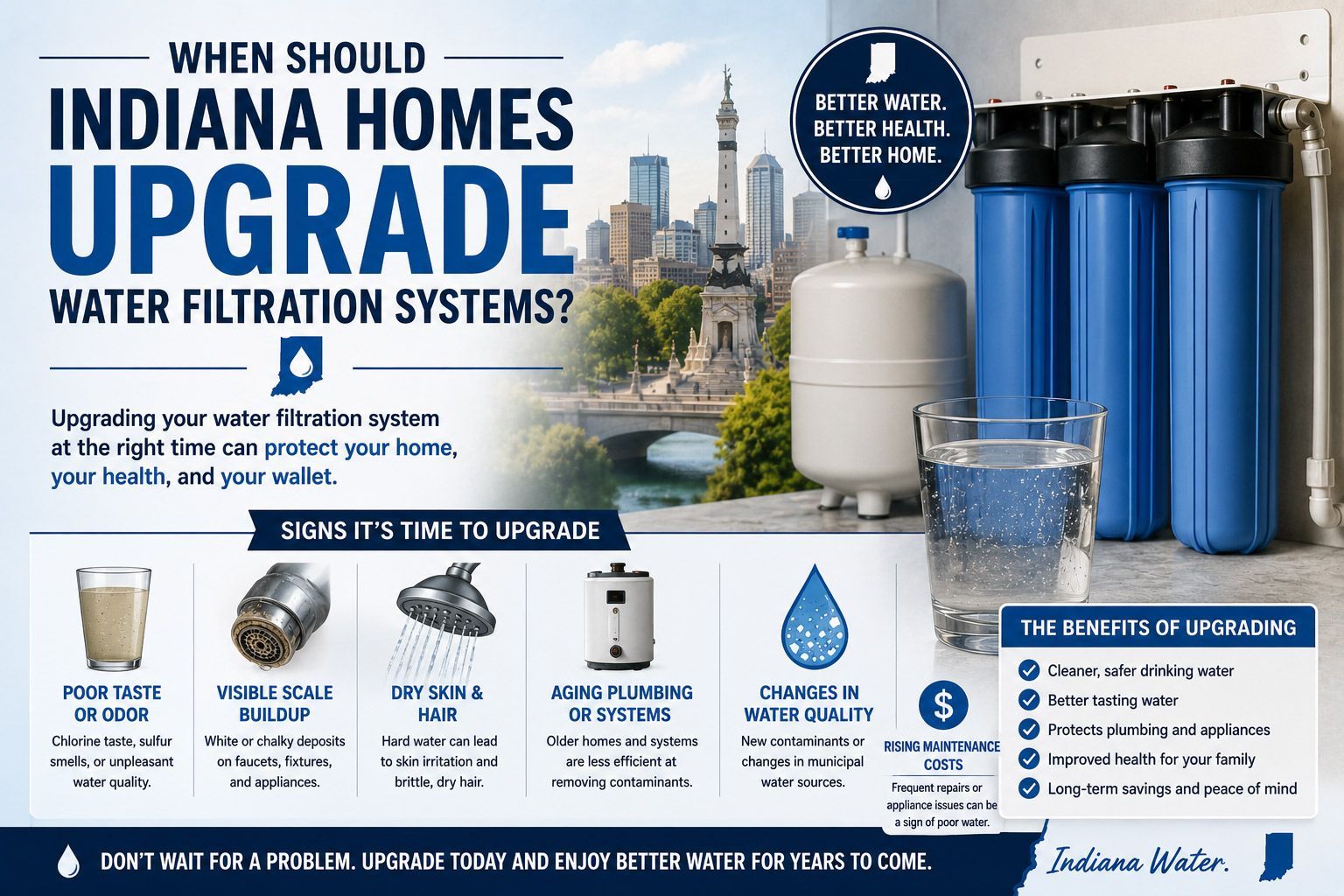
- Signs It's Time: Decreased water pressure or changes in water taste can indicate filters need replacing.
2. System Sanitization
- Periodically sanitize the system to prevent bacterial growth, especially if the system hasn't been used for an extended period.
3. Inspect for Leaks
- Regularly check the system and surrounding pipes for any signs of leaks or corrosion.
4. Keep a Maintenance Log
- Track filter changes and maintenance activities. This helps you stay on schedule and can be useful if issues arise.
Cost and Time Considerations
- Filter Costs: Replacement filters can range from $20 to $200, depending on the type and brand.
- Time Investment: Maintenance tasks are generally quick, often taking less than an hour.
By staying on top of installation and maintenance, you'll ensure a continuous supply of clean, filtered water throughout your home.
Benefits of Using a Whole House Water Filtration System
A whole house water filtration system does more than just improve water quality; it offers a range of benefits that impact your health, home, and environment. Here’s why investing in a whole house filtration system is worth it.
1. Health Benefits
Filtering water at the source removes contaminants that can harm your health. Chlorine, heavy metals, and other impurities commonly found in tap water have been linked to various health issues. With a whole house system, you reduce exposure to these contaminants not only in drinking water but also in the water you use for cooking and bathing.
Filtered water can also be gentler on your skin and hair. Chemicals like chlorine and other additives in tap water can cause dryness and irritation. By removing these elements, you may notice softer skin and healthier hair over time.
2. Home Benefits
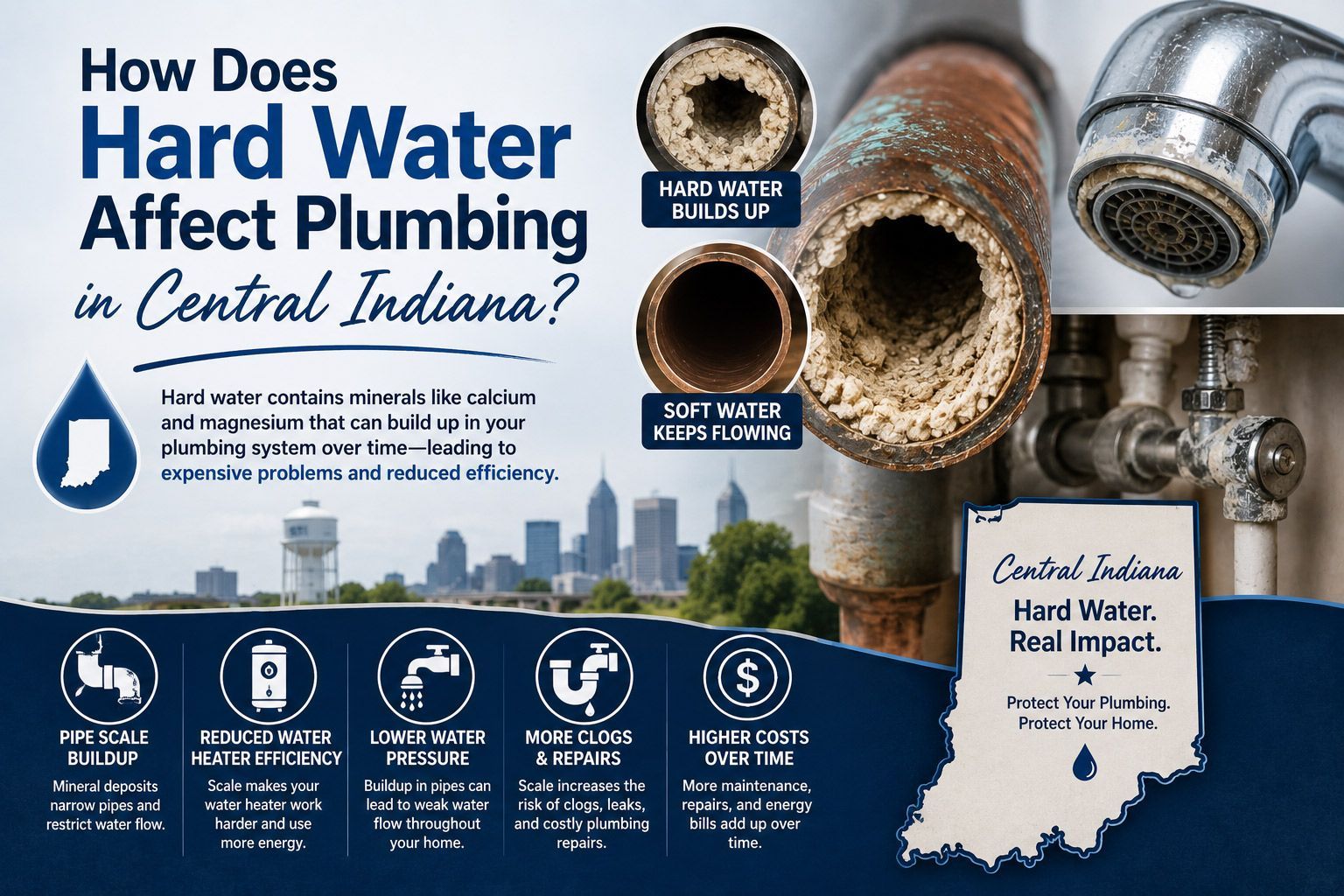
Whole house water filtration helps protect your plumbing and appliances. Hard water, sediment, and chlorine can cause buildup in pipes and appliances, reducing their efficiency and lifespan. By filtering out these elements, your plumbing system stays in better shape, and appliances like water heaters, dishwashers, and washing machines work more efficiently and last longer.
Filtered water also means cleaner dishes, laundry, and even household surfaces. With fewer minerals and impurities in your water, you’ll notice less spotting on dishes and brighter, softer clothes.
3. Environmental Benefits
Using a whole house water filtration system can help reduce your reliance on bottled water. Filtered water from your taps is as clean and safe as bottled water, which means less plastic waste. This switch not only benefits the environment but also saves money over time, as you’ll spend less on bottled water.
Filtered water also reduces the need for harsh cleaning products. Hard water and other contaminants can require stronger detergents and cleaners, but with softened, filtered water, many household cleaning tasks become easier and more effective.
Conclusion
A whole house water filtration system is one of the best investments you can make to improve water quality, protect your health, and preserve your home’s plumbing and appliances. Clean water isn’t just about better taste—it’s about reducing harmful contaminants that affect your well-being every day. From sediment filters to advanced UV and carbon options, choosing the right system can make a lasting difference.
If you’re in Central Indiana—serving Westfield, Carmel, Brownsburg, Avon, Plainfield, Martinsville, and Mooresville—consider Puresoft Water Treatments for your water needs. Specializing in water treatment solutions tailored for Indiana’s unique water quality challenges, Puresoft Water Treatments offers top-of-the-line whole home treatment systems, water softeners, and water filters designed to remove chlorine, hard minerals, and other common impurities.
With Puresoft Water Treatments, you’re choosing a partner that understands local water conditions and delivers reliable, effective solutions. For clean, safe, and high-quality water throughout your home, reach out to Puresoft Water Treatments today and start experiencing the benefits of truly clean water.
FAQs
Do whole house water filtration systems remove fluoride?
Most standard whole house water filtration systems do not remove fluoride. If fluoride removal is a priority, look for a system specifically designed with reverse osmosis or activated alumina filters, as these are effective at filtering out fluoride.
How long does a whole house water filter last?
The lifespan of a whole house water filter depends on the system and the water quality. Typically, filters need replacement every 3–12 months, but some high-capacity filters can last longer. Always check the manufacturer’s recommendations for replacement intervals.
Can I install a whole house water filter myself?
Many whole house water filtration systems are designed for DIY installation and come with clear instructions. However, if you’re not comfortable working with plumbing or if the system is complex, it’s best to hire a professional to ensure proper installation.
What’s the difference between a water softener and a water filter?
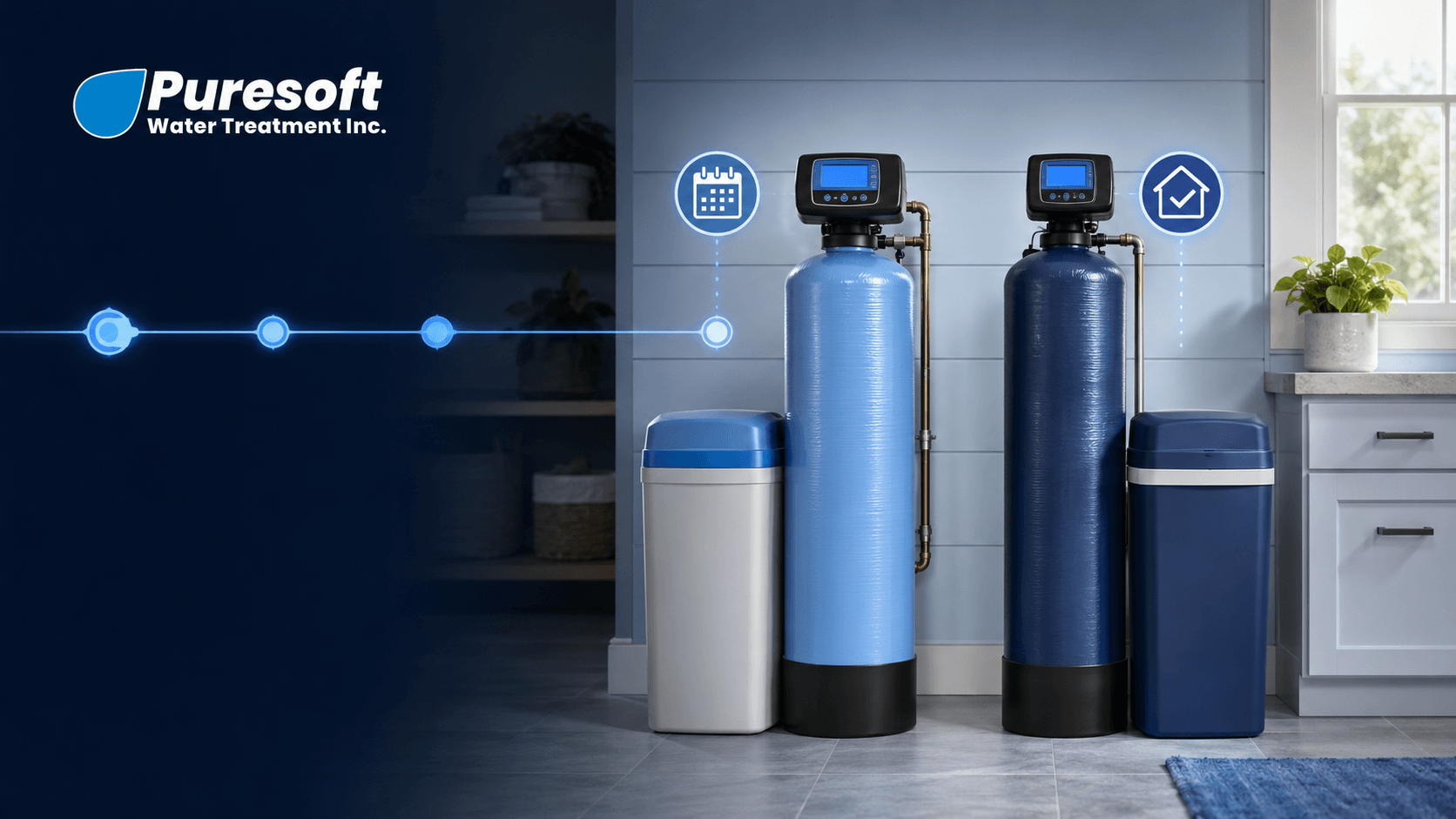
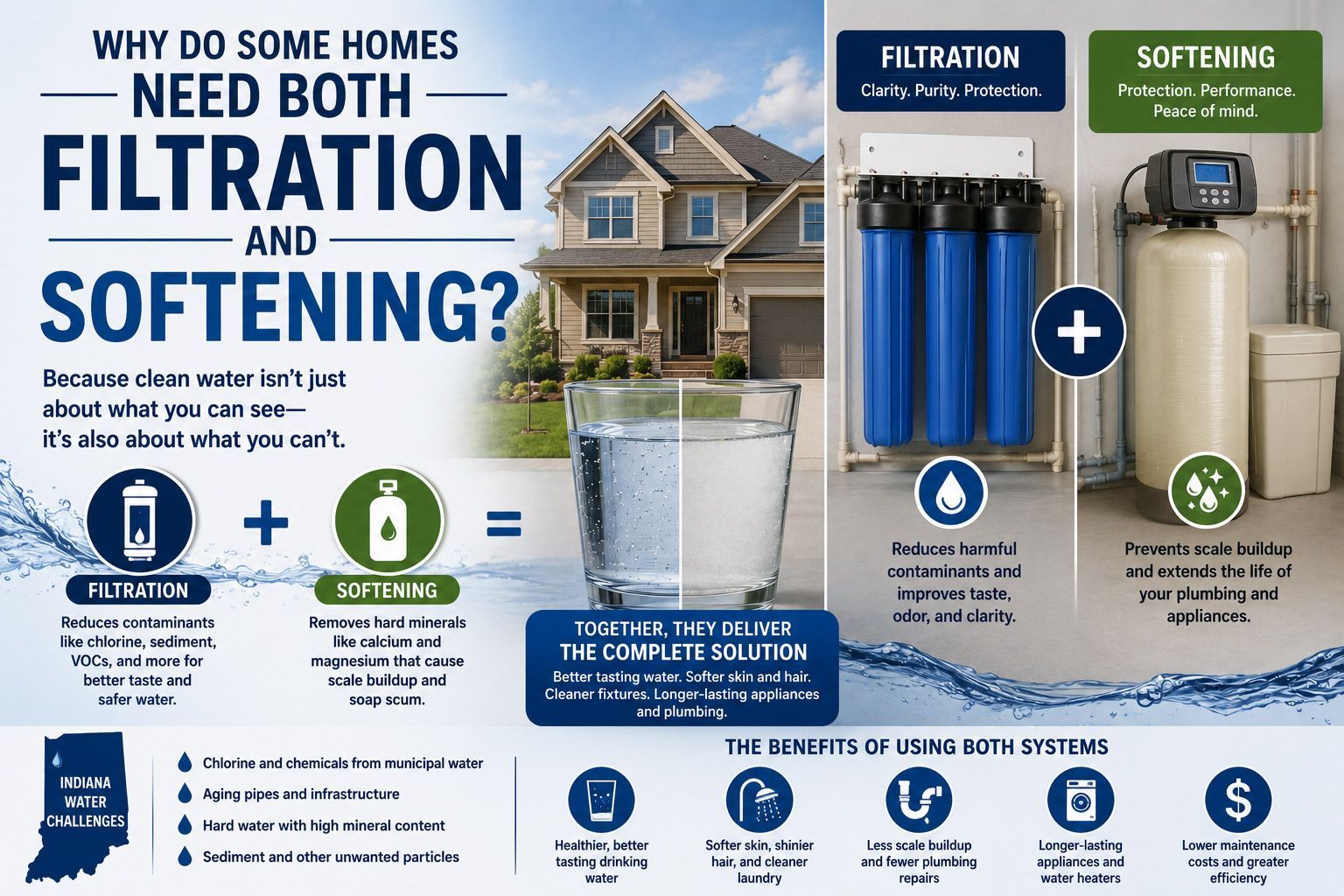
A water softener removes hard minerals like calcium and magnesium, which cause scaling, while a water filter removes contaminants like chlorine, sediment, and chemicals. Some whole house systems combine both functions, providing softened and filtered water throughout the home.
Will a whole house water filter reduce water pressure?
Some whole house water filtration systems may slightly reduce water pressure, especially if the filter is clogged or not suited to the home’s water demand. Choosing a system with the right capacity and regularly changing filters will help maintain steady water pressure.