The Myths and Realities of Water Softening
February 9, 2024
The Myths and Realities of Water Softening: Addressing Common Misconceptions about Health and Environmental Impact
Water softening: a term we often hear, yet it’s shrouded in a veil of myths and misconceptions. It's more than just a process—it's a solution for millions grappling with hard water. But, what's the truth behind the tales of health hazards and environmental nightmares? This blog aims to clear the fog, armed with the latest data and expert insights. Let’s embark on a journey to demystify the myths and unveil the realities of water softening, ensuring you make informed decisions for your health and our planet.
Understanding Water Softening
What Is Water Softening?
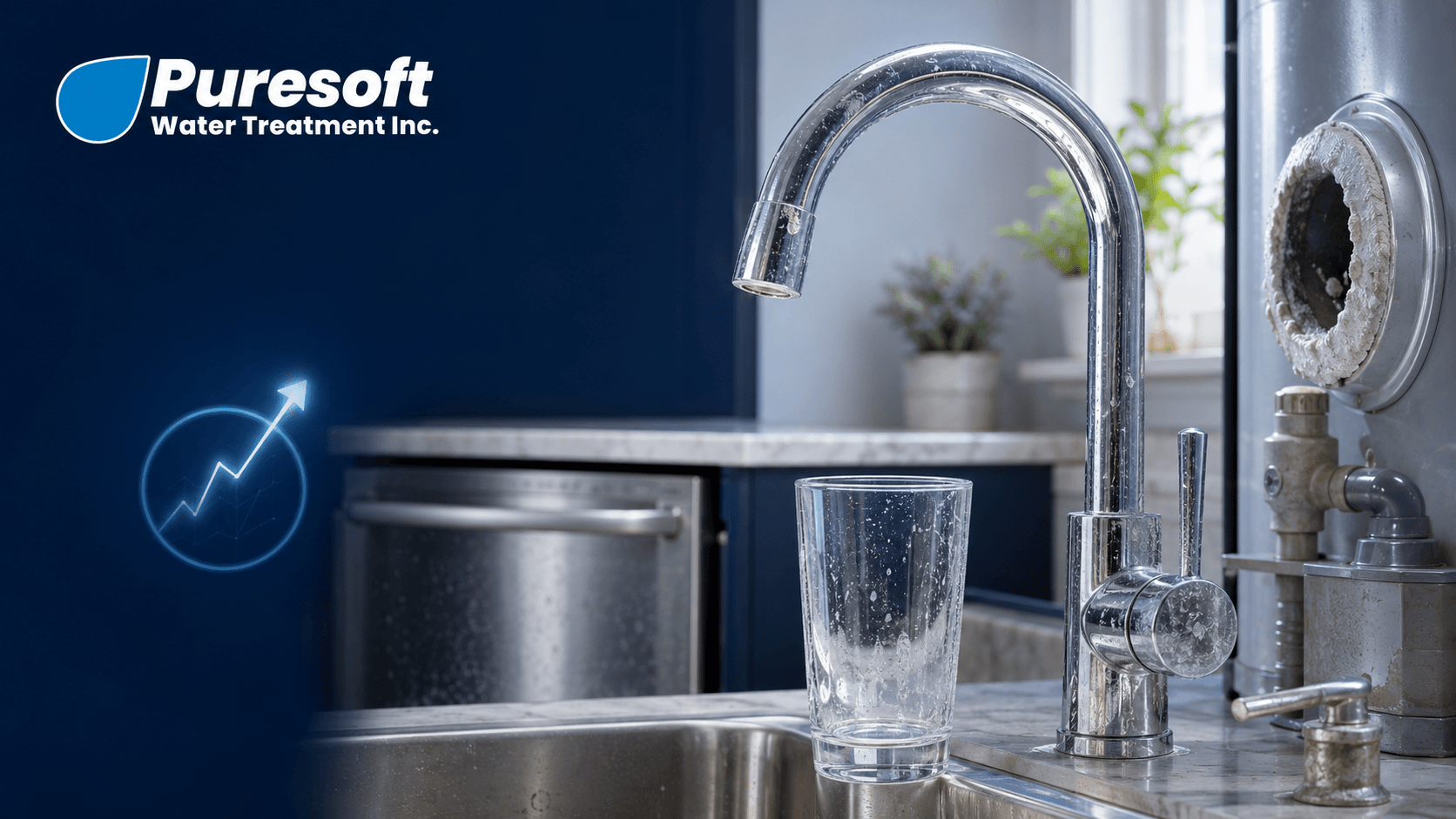
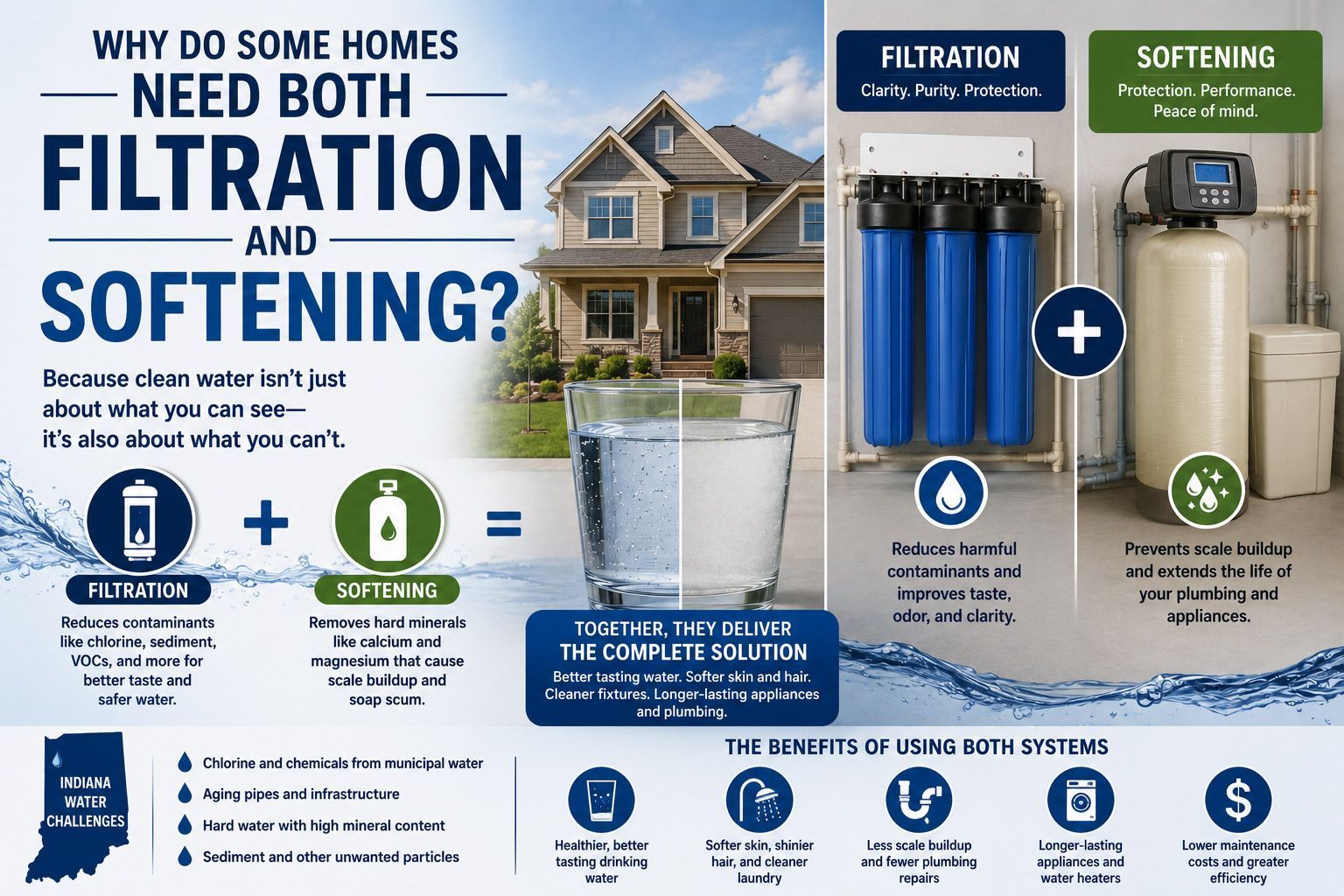
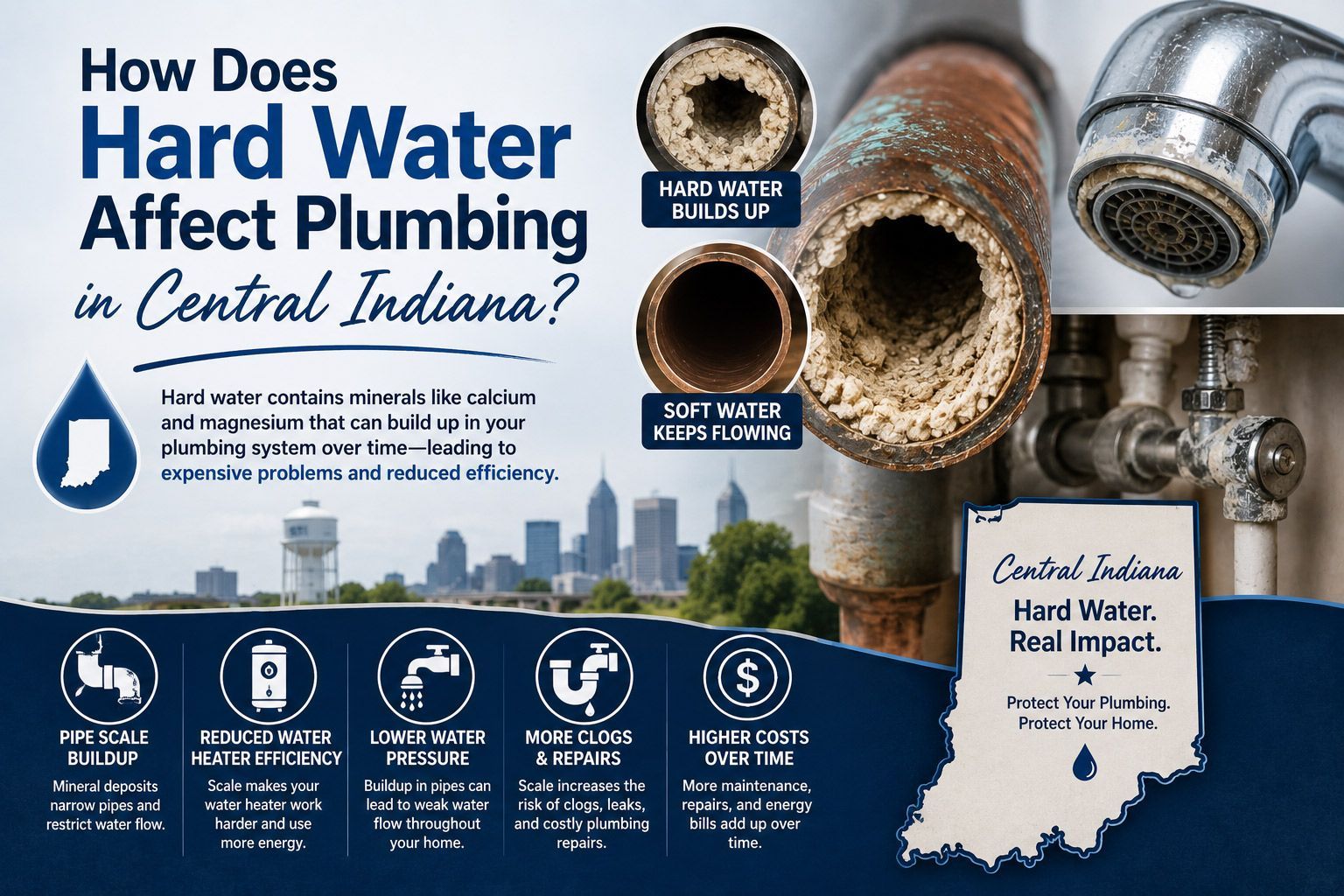
At its core, water softening is a transformation. It’s the process of removing calcium, magnesium, and other minerals from your water. These minerals make water "hard," leading to common household woes like limescale buildup, inefficiency in heating systems, and soap that refuses to lather.
Salt-Based vs. Salt-Free Water Softeners: What's the Difference?
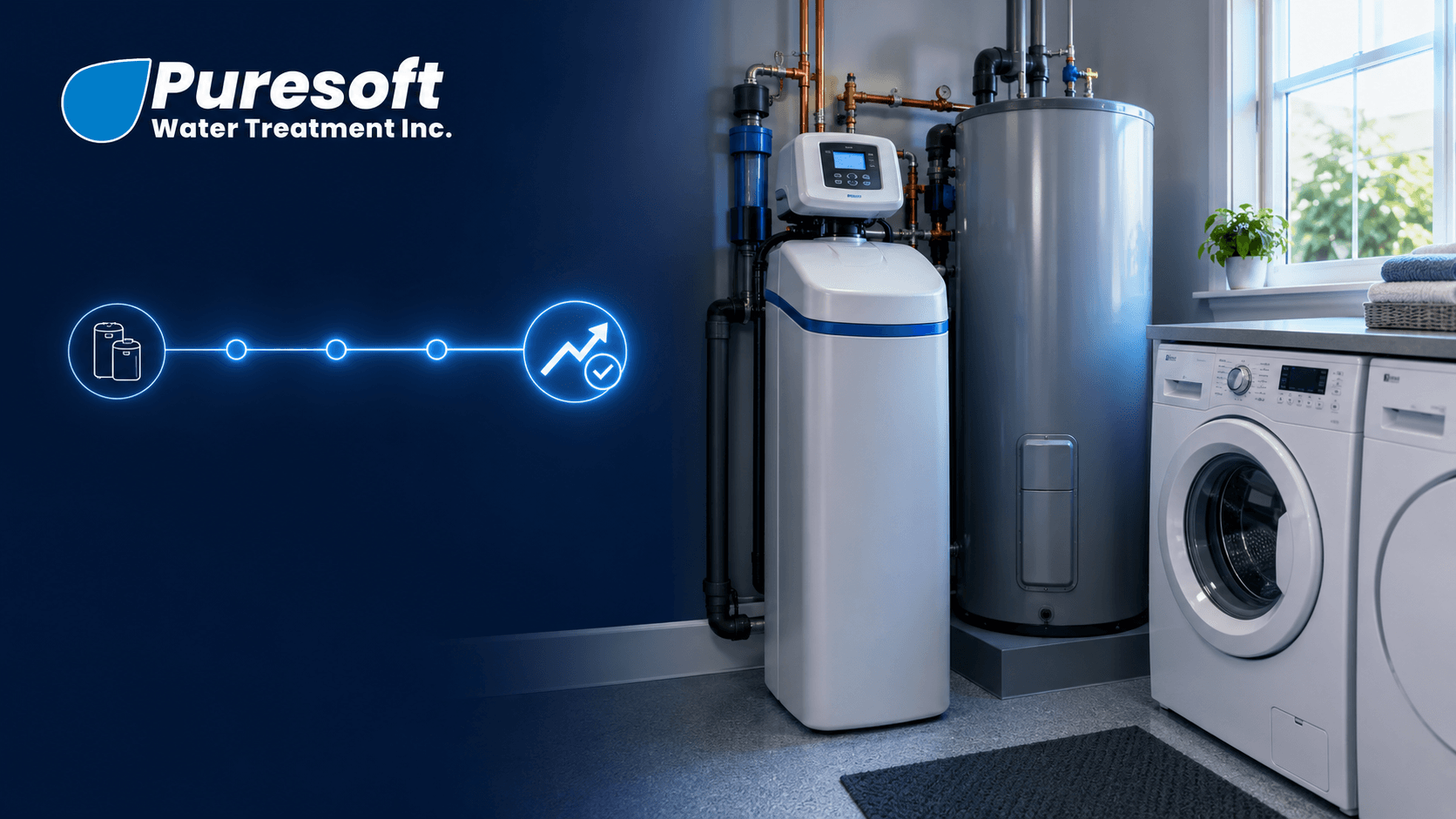
The battle of softeners has two main contenders: salt-based and salt-free. Salt-based systems, using ion-exchange, swap minerals for sodium ions, truly softening the water. On the flip side, salt-free systems don’t remove minerals; they prevent them from depositing as scale, technically conditioning the water rather than softening it.
By the Numbers: The Hard Water Predicament
Globally, hard water is more common than you’d think. Studies suggest that over 85% of American homes grapple with hard water. This isn’t just a U.S. issue; hard water affects millions worldwide, making effective water softening solutions a universal need.
Why Does It Matter?
Understanding the nuances of water softening is crucial. It’s not just about preventing a spotty glassware issue; it’s about enhancing your quality of life. Soft water can extend the lifespan of your appliances, improve your skin and hair health, and even make cleaning a breeze. With this foundational knowledge, we're better equipped to sift through myths and facts in the sections to follow.
Debunking Common Myths
Myth 1: Water Softeners are Unhealthy
The Sodium Scare
A prevalent myth is that water softeners pose a health risk due to the sodium added during the softening process. However, the reality is much less alarming. The amount of sodium introduced by water softeners is minimal—significantly less than what's found in an average diet. For instance, a glass of softened water contains less sodium than a slice of bread. Health experts confirm that for most individuals, this slight increase in sodium intake is not a concern.
Expert Opinions
Nutritionists and healthcare professionals emphasize the importance of overall dietary balance. The consensus is clear: the health benefits of using softened water, especially in areas with extremely hard water, far outweigh the minimal sodium intake. Moreover, for those on strict low-sodium diets, potassium chloride can be used as an alternative in softening systems.
Myth 2: Water Softening Harms the Environment
Salt-Based Concerns
Critics argue that salt-based water softeners contribute to environmental degradation, citing the discharge of salty brine into sewage systems. While it's true that these systems use salt, advancements in technology have led to more efficient models that minimize salt usage and waste.
Environmental Impact Studies
Research indicates that the environmental impact of water softeners can be mitigated through proper regulation and the adoption of newer, more eco-friendly models. Additionally, salt-free water conditioners provide an alternative that eliminates concerns about salt discharge altogether.
The Bottom Line
The myths surrounding water softeners often overshadow the facts. With advancements in technology and an understanding of dietary health, the perceived risks of water softening are largely manageable or unfounded. It's crucial to rely on up-to-date research and expert advice when considering the health and environmental impact of water softening systems.
The Realities Behind Water Softening
Reality 1: Health Benefits
Skin and Hair Wellness
One of the immediate benefits of using softened water is its positive impact on skin and hair health. Hard water can leave your skin feeling dry and your hair lifeless because minerals prevent moisture absorption. Softened water, however, is gentler on your skin and hair, allowing for better hydration and leaving your skin feeling softer and your hair more manageable.
Appliance Lifespan and Efficiency
Another undeniable advantage is the extended lifespan of household appliances. From your kettle to your high-end washing machine, mineral buildup from hard water can wreak havoc on appliances, leading to inefficiencies and early breakdowns. Softened water reduces lime-scale accumulation, ensuring your appliances run smoother and last longer, saving you money and hassle in the long run.
Reality 2: Environmental Considerations
Reducing Energy Consumption
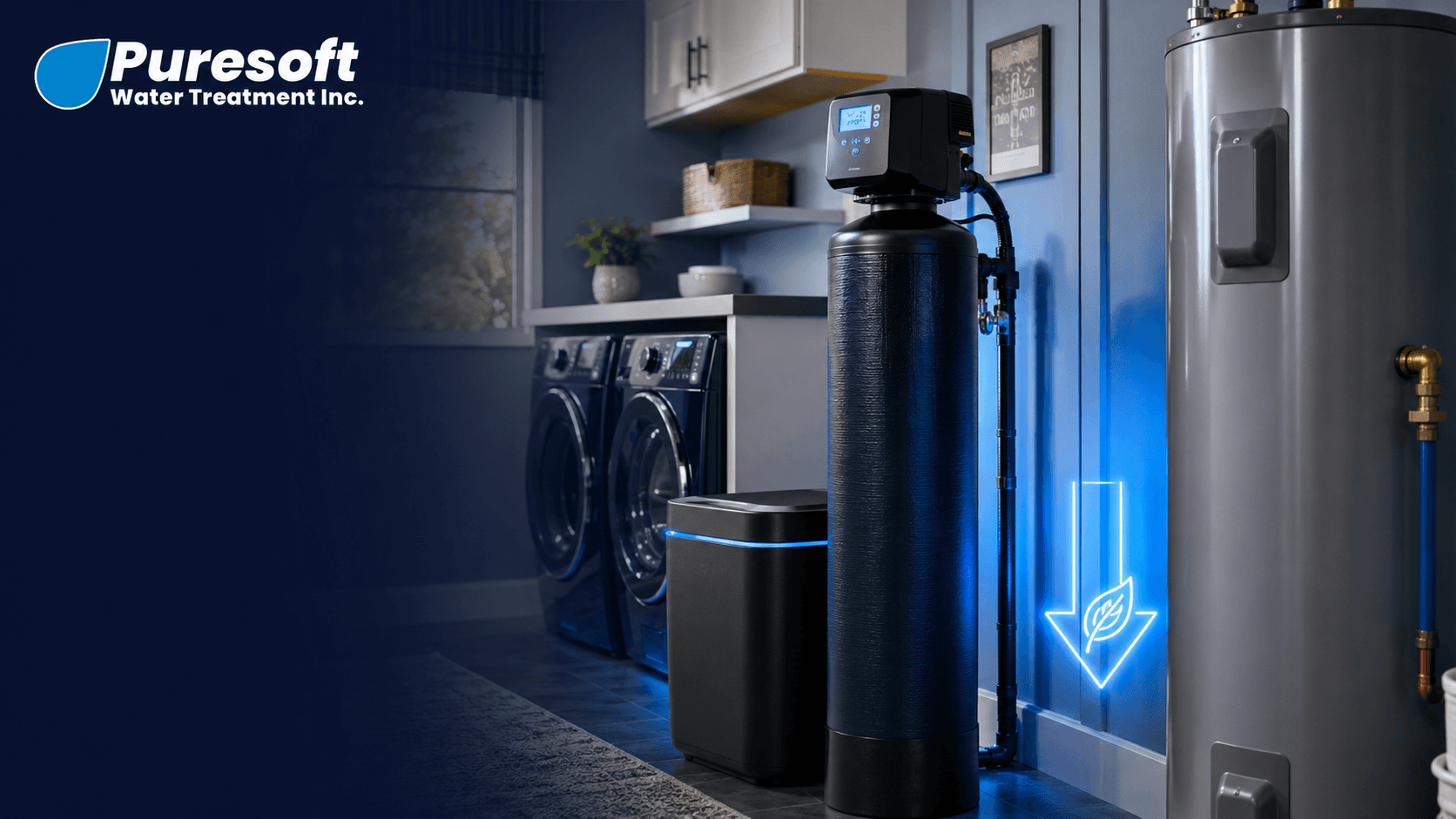
Softened water can significantly reduce energy consumption in your home. Appliances operate more efficiently with soft water, requiring less energy to heat water in boilers and water heaters. This not only lowers your energy bills but also reduces your carbon footprint, contributing to a healthier planet.
Innovations in Water Softening Technology
The water softening industry has made leaps in environmental stewardship. Modern softeners are designed to be more efficient, using less salt and water during regeneration cycles. Moreover, the introduction of salt-free systems offers an eco-friendly alternative to traditional salt-based softeners, eliminating concerns over salt waste without sacrificing the benefits of conditioned water.
Eco-Friendly Choices
For environmentally conscious consumers, the advancements in water softening technology mean that enjoying the benefits of soft water doesn’t have to come at an environmental cost. By choosing systems that are designed for efficiency and sustainability, you can contribute to water conservation and reduce environmental impact.
Making an Informed Decision
Choosing the Right Water Softening System
Making the right choice in water softening systems requires a balanced consideration of your household needs, environmental concerns, and budget. Here's how to navigate the options:
Assess Your Water Hardness Level:
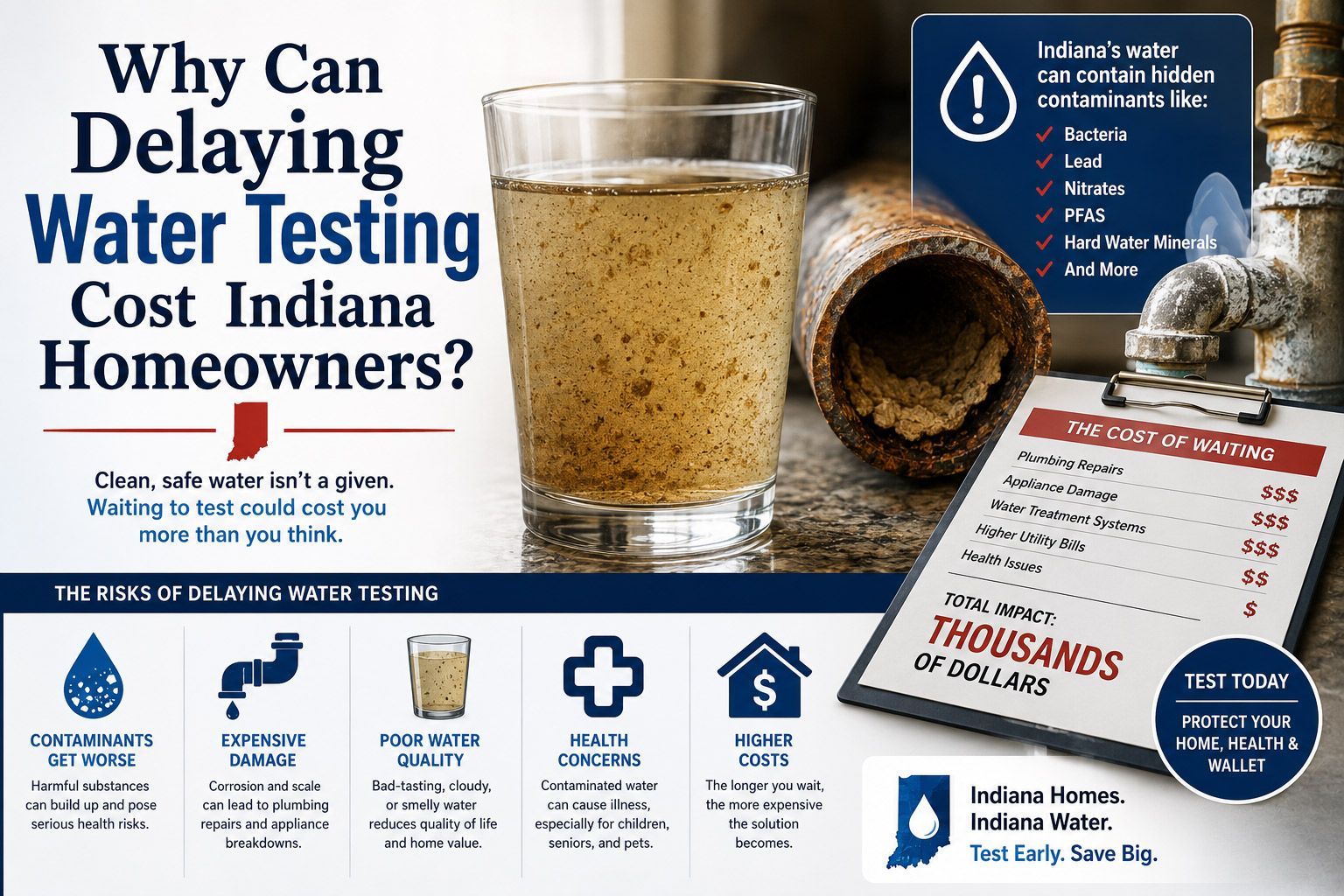
Start with a water test to determine the hardness level. This will help you understand the capacity and type of system needed.
Consider System Types:
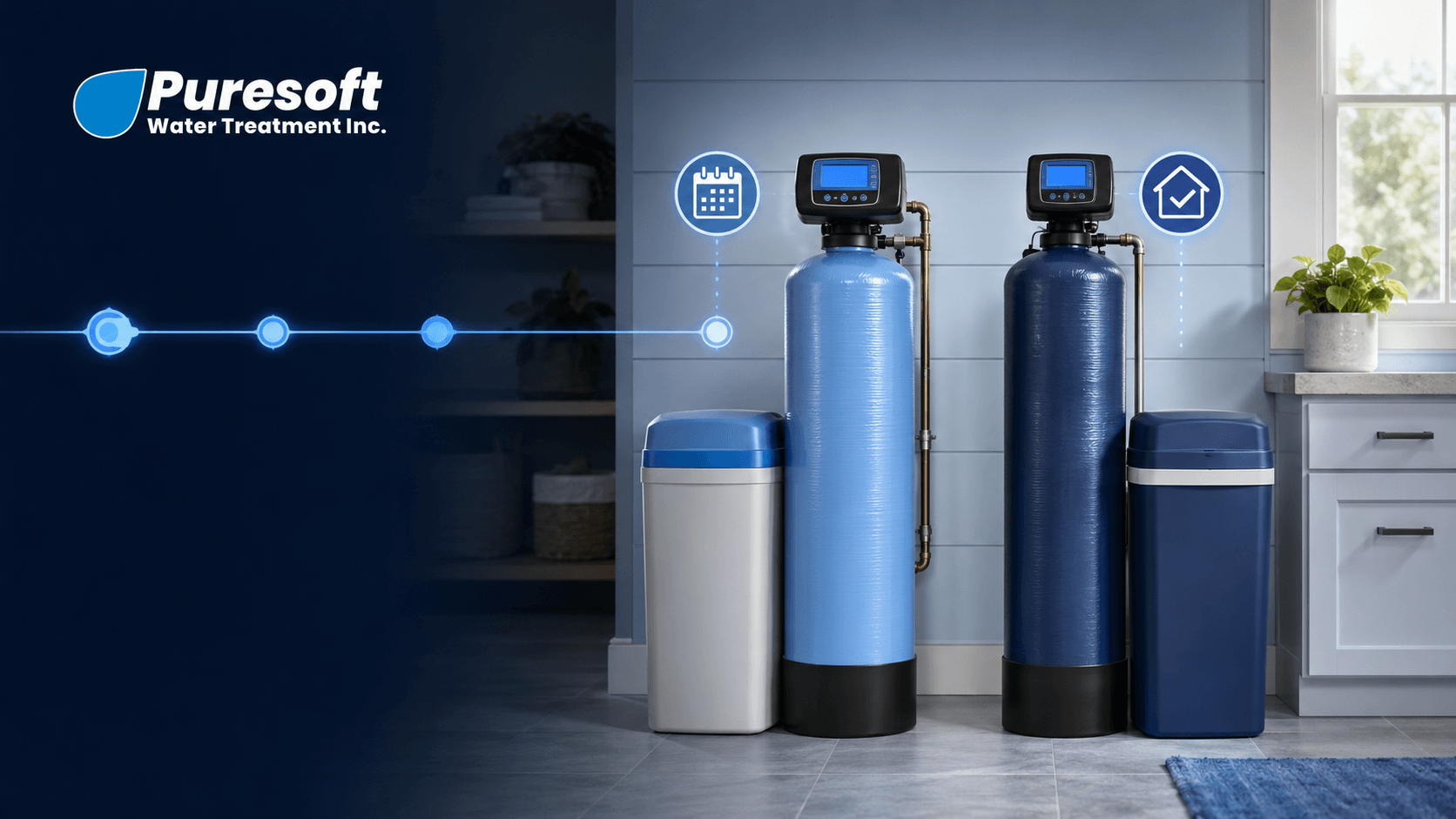
Weigh the pros and cons of salt-based vs. salt-free systems. Salt-based systems actually soften water, while salt-free systems condition water, preventing scale without removing minerals.
Look for Efficient Models:
Opt for systems with high efficiency, marked by certifications from reputable organizations. These models use less salt and water, reducing operating costs and environmental impact.
Installation and Maintenance:
Consider the installation process and ongoing maintenance. Some systems may require professional installation and regular maintenance, while others offer easier management.
Guidance on Installation and Maintenance
DIY vs. Professional Installation: Evaluate whether you can install the system yourself or if professional installation is recommended. This decision often depends on the complexity of the system and your comfort level with home improvement projects.
Maintenance Tips: Provide tips for maintaining your water softening system, such as how often to check salt levels in salt-based systems and when to replace filters or media in salt-free systems.
Conclusion
Reflecting on our journey through the myths and realities of water softening, it’s clear that informed decisions are key. Armed with the latest data and insights, you can choose a water softening solution that benefits your health, prolongs the lifespan of your appliances, and respects our planet. Remember, the goal is not just to soften water but to do so responsibly, ensuring a sustainable future for all.
Call to Action
We invite you to share your experiences with water softening or any questions you might have. Your insights enrich our community and help others navigate the complexities of water treatment. Dive deeper into this topic with our additional resources, and let’s continue the conversation.
Looking for a reliable solution to your hard water woes in Central Indiana and beyond? Look no further than Puresoft Water Treatment Inc., your go-to expert for all things related to water treatment, water softeners, and water filters. With a strong focus on delivering high-quality water treatment solutions, Puresoft Water Treatment Inc. stands out in the industry for its commitment to excellence and customer satisfaction.
Services Offered by Puresoft Water Treatment Inc.
Water Treatment: Whether it's scaling, staining, or water that just doesn't taste right, Puresoft Water Treatment Inc. offers comprehensive water treatment solutions tailored to meet your specific needs, ensuring your water is pure, safe, and enjoyable.
Water Softeners:
Hard water is a common issue, but Puresoft has the answer. Their water softeners are designed to efficiently remove minerals causing hardness, protecting your appliances, improving your skin and hair health, and making cleaning easier.
Water Filters:
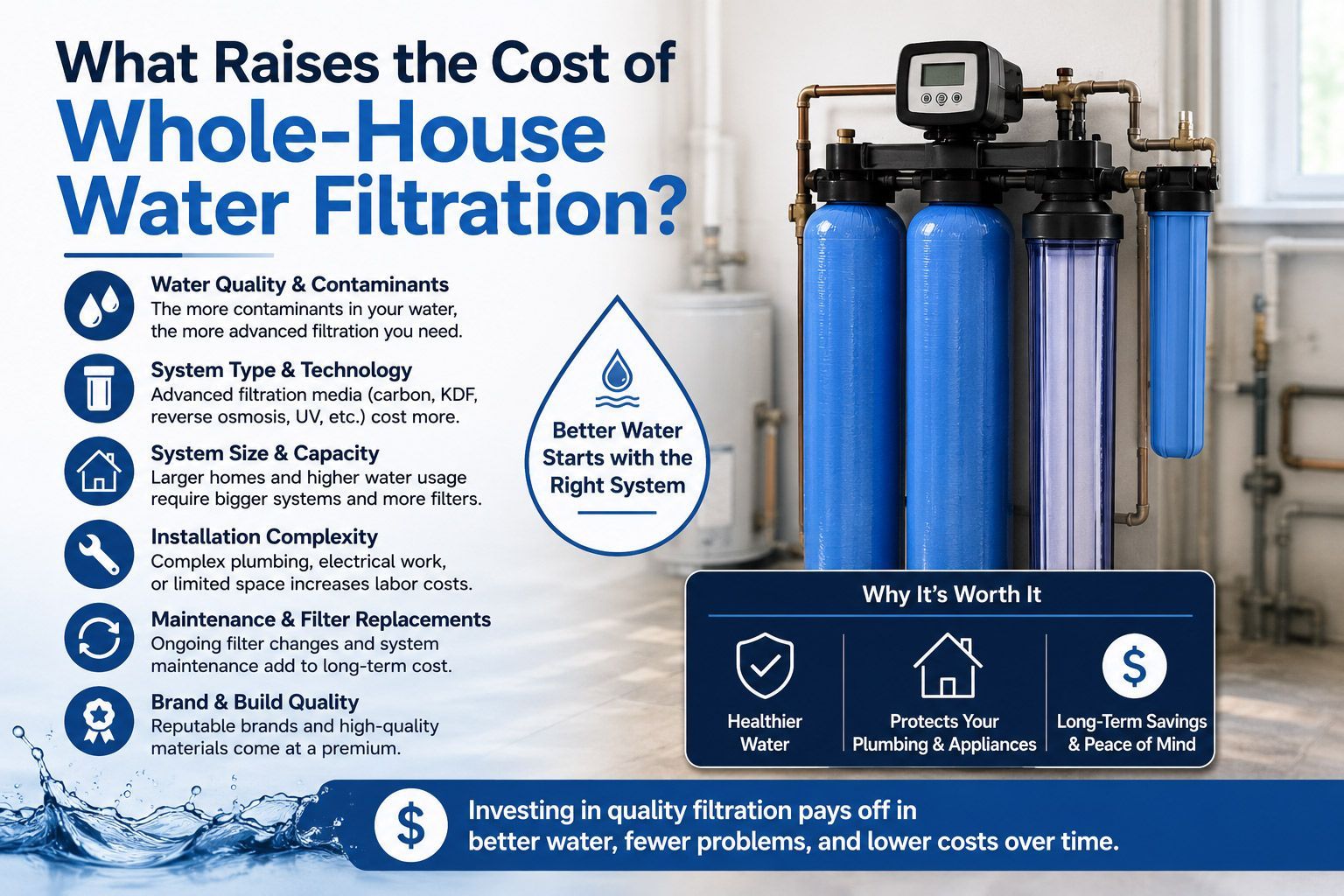
From sediment filters to sophisticated reverse osmosis systems, Puresoft Water Treatment Inc. provides a wide range of water filters to tackle various contaminants, ensuring your drinking water is of the highest quality.
Service Areas
Puresoft Water Treatment Inc. proudly serves a broad area within Central Indiana, including but not limited to:
- Westfield
- Carmel
- Brownsburg, Avon, Plainfield
- Martinsville, Mooresville
Why Choose Puresoft Water Treatment Inc.?
Expertise and Experience: With years of experience in the water treatment industry, Puresoft Water Treatment Inc. brings a wealth of knowledge to every project, ensuring you get the best advice and solutions.
Custom Solutions: Understanding that every water problem is unique, Puresoft offers customized water treatment plans to address your specific issues effectively.
Quality Products: Investing in the latest technology and highest quality products, Puresoft ensures that your water treatment systems are efficient, reliable, and durable.
Exceptional Customer Service: At Puresoft Water Treatment Inc., customer satisfaction is the top priority. From the initial consultation to installation and beyond, you can expect friendly, professional service every step of the way.